Body Image: The Role of Body Dissatisfaction on Self-Esteem

Body Image: The Role of Body Dissatisfaction on Self-Esteem

By Kim Simone

Body dissatisfaction is characterized by an individual’s persistent negative thoughts and feelings about his or her body. It is commonly influenced by external factors such as societal norms and perceived pressure from other individuals. High levels of body dissatisfaction can lead to low self-esteem and ultimately lead to harmful eating and exercising behaviors.

On the contrary, having a positive body image is associated with self-acceptance, higher self-esteem, and having healthier practices in regards to eating and exercising.

The Four Primary Elements of Body Image:

  1. Perceptual body image:  the way you see your body
  2. Cognitive body image:  the way you think about your body
  3. Affective body image: the way you feel about your body (often characterized by satisfaction or dissatisfaction)
  4. Behavioral body image: the behaviors you engage in as a result of your body image (may include unhealthy eating behaviors and exercising habits)

Body dissatisfaction fluctuates throughout the lifespan and is correlated with lower levels of self-esteem. These concerns are linked with poor self-concept, which not only affects physical and mental health, but also impacts individuals socially and academically. Since body dissatisfaction often leads to low self-esteem, individuals may be at risk for developing more serious disorders. A poor self-concept, and consequently a poor body image, may influence eating behaviors, making individuals more at risk for developing an eating disorder.

Given that the chance for recovery from an eating disorder increases the earlier it is detected, diagnosed, and treated, it is important to seek help as soon as warning signs appear. Cognitive Behavioral Therapy (CBT) is a commonly used psychotherapeutic approach for eating disorder treatment. The approach emphasizes having the individual understand the interaction and inter relatedness between his or her thoughts, feelings, and behaviors. This therapy focuses on shifting negative thoughts and behaviors to more positive thoughts and healthier alternatives. Furthermore, a mental health care provider can screen and treat for other underlying issues, such as anxiety and depression, as these can influence treatment outcomes.  

If you or someone you know is struggling with body dissatisfaction, self-esteem, and/or eating disorders, please contact our psychotherapy offices in New York or New Jersey to talk to one of our licensed professional psychologists, psychiatrists, psychiatric nurse practitioners, or psychotherapists at Arista Counseling & Psychotherapy. Contact our Paramus, NJ or Manhattan, NY offices respectively, at (201) 368-3700 or (212) 722-1920 to set up an appointment. For more information, please visit http://www.counselingpsychotherapynjny.com/

Sources:

https://nedc.com.au/eating-disorders/eating-disorders-explained/body-image/

https://psycnet.apa.org/record/2012-14627-021

https://www.waldenu.edu/online-masters-programs/ms-in-clinical-mental-health-counseling/resource/what-is-body-dissatisfaction-and-how-does-it-lead-to-eating-disorders

Image Source:

https://img.huffingtonpost.com/asset/5bb5f917210000d501c88483.jpeg?ops=scalefit_720_noupscale&format=webp

Depression: Identifying Signs of Depression in Someone Close to You

Identifying Signs of Depression in Someone Close to You

By Fiona McDermut

            Understanding the signs and symptoms of mental illness is not a simple task, especially when it comes to someone you care about. Even when the signs of mental illness are identified, it is difficult to decide what to do next. The COVID-19 pandemic prompted a 25% increase in cases of depression in the world. In a time of great distress for many, it is vital to look out for the people we love.

            If you suspect that someone you know may be struggling with depression, it is crucial to look out for the following signs:

  • Loss of interest
  • Extreme loss or increase in appetite
  • Fatigue
  • Hopelessness
  • Suicidal thoughts or behaviors
  • Irritability
  • Changes in sleep patterns
  • Physical symptoms such as headaches, stomachaches, and sexual dysfunction

            Some of these signs may seem obvious, but many who struggle with depression may cut themselves off from the social world. This makes it difficult to detect the warning signs of mental illness. Therefore, it is important to check in on the people you care about, especially during a time in which the majority of social interactions have been cut off, limited, or turned to strictly virtual contact. If someone you know is struggling with symptoms of depression, it may be necessary to seek medical help. There are many causes of depression, many types of depression, and many treatment methods. A mental health care professional will be able to identify the key factors that go into developing a treatment plan that works best for each individual in need.

The following methods are used to treat people with depression:

  • Cognitive Behavioral Therapy
  • Hypnosis
  • Antidepressant medication
  • Brain stimulation therapy

            Admitting that one needs help is not an easy task. Therefore, providing support, comfort, and assistance for a loved one can make a tremendous difference in one’s mental health outcomes. Simply having one strong social connection has been shown to have multiple health benefits. Most people are not trained in the treatment of depression, but everyone is capable of spending time with those they love and guiding them through the process of recovery.

If you or someone you know is struggling with depression, please contact our psychotherapy offices in New York or New Jersey to talk to one of our licensed professional psychologists, psychiatrists, psychiatric nurse practitioners, or psychotherapists at Arista Counseling & Psychotherapy. Contact our Paramus, NJ or Manhattan, NY offices respectively, at (201) 368-3700 or (212) 722-1920 to set up an appointment. For more information, please visit http://www.counselingpsychotherapynjny.com/

Sources:

https://www.who.int/news/item/02-03-2022-covid-19-pandemic-triggers-25-increase-in-prevalence-of-anxiety-and-depression-worldwide#:~:text=COVID%2D19%20pandemic%20triggers%2025,of%20anxiety%20and%20depression%20worldwide

https://www.healthline.com/health/depression/recognizing-symptoms#lostinterest

Image Source: https://ggsc.s3.amazonaws.com/images/uploads/How_Friends_Help_You_Regulate_Your_Emotions.jpg

Managing Countertransference in Mental Health Professionals

Managing Countertransference in Mental Health Professionals

By Fiona McDermut

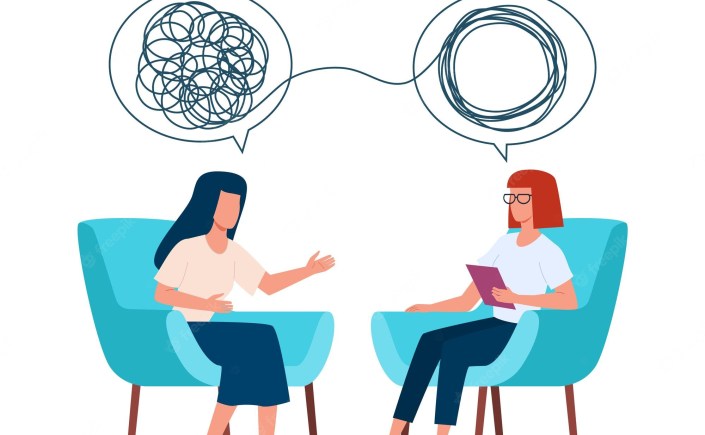
            Although mental health professionals are trained to treat a variety of disorders and psychological distress, we cannot discount their own psychological reactions. Therapists are human too, and they experience similar ups and downs to the people seeking their help. Additionally, many therapists feel a secondary wave of emotions when they can strongly identify with a client’s obstacles. For many people, it is difficult to react to others without involving personal emotions—it is no different for psychologists. In the world of mental health, this reaction based on personal mentality is known as countertransference.

            A therapist’s ability to work objectively with a client is dependent on the management of their own countertransference. Although therapists may develop strong emotional opinions about situations in their clients’ lives, it is important to always decide what is in the best interest of the clients.

Some examples of countertransference in practice include:

  • Disclosing too much personal information to a patient
  • Having unclear boundaries in the patient-doctor relationship
  • Being overly supportive or critical of the client
  • Any other actions in which the therapist allows their personal emotions to interfere with providing proper treatment

            Identifying with a patient’s strife is not necessarily a bad thing. It is important for mental health professionals to feel empathy, and to fully understand a client’s situation in order to develop a comforting therapeutic environment. However, this becomes unproductive when this empathy turns into extreme distress in the therapist and/or interferes with providing high quality care.

Luckily, there are two main ways in which mental health professionals regularly work on managing countertransference:

  • Participating in individual or group supervision or consultation with other therapists
  • Seeking therapy of their own which provides an outlet to discuss and handle personal emotional needs without projecting it onto the patient.

The role of the therapist is ultimately to help the patient, not create more stressors in the client’s life. If the therapist or patient feels that this cannot be done successfully, it may become necessary to terminate the relationship and pursue treatment with a new therapist.

If you or someone you know is experiencing countertransference, please contact our psychotherapy offices in New York or New Jersey to talk to one of our licensed professional psychologists, psychiatrists, psychiatric nurse practitioners, or psychotherapists at Arista Counseling & Psychotherapy. Contact our Paramus, NJ or Manhattan, NY offices respectively, at (201) 368-3700 or (212) 722-1920 to set up an appointment. For more information, please visit http://www.counselingpsychotherapynjny.com/

Source:

https://psychcentral.com/health/countertransference#overview

Image source:

https://www.freepik.com/premium-vector/psychotherapy-concept-psychologist-patient-with-tangled-untangled-mind-metaphor-doctor-solving-psychological-problems-couch-consultation-mental-health-treatment-flat-vector-illustration_19960102.htm

Body Dysmorphic Disorder-Beautiful In Your Own Skin Month

Body Dysmorphic Disorder-Beautiful In Your Own Skin Month

By Fiona McDermut

            In light of the start of “beautiful in your own skin” month, it is important to recognize that many struggle with body image satisfaction. Not all people look in the mirror and feel content with what they see. Even if those around you do not understand your body-related concerns, your feelings are totally valid and can be helped with treatment.

            Body dysmorphic disorder (body dysmorphia) is a mental illness characterized by a hyper fixation on perceived defects in one’s appearance. This interferes with day-to-day life because one may spend a large amount of time worrying or attempting to adjust the perceived flaw. These behaviors usually result in obsessive body comparison to others, avoidance of social interaction, and frequent negative body-checking (looking in the mirror repeatedly at disliked body parts). Unfortunately, many have associated their own happiness with how closely their bodies align with current beauty standards portrayed in the media. As one lets these thoughts progress, they can worsen, and possibly be a precursor to an eating disorder or other disorders associated with body dissatisfaction such as depression and obsessive compulsive disorder.

            While many believe that cosmetic surgery will fix their perceived flaws, research has shown that such surgeries do not improve psychological symptoms of body dysmorphic disorder. The first step to resolving the issue is recognizing that you have a warped view of what you look like. If you or someone you know experiences this, it can be very beneficial to seek psychological/psychiatric assistance. Professionals in the field will be able to decide the best way to treat these disordered thoughts. The most common treatment for body dysmorphia is cognitive behavioral therapy (CBT). Other possible treatments include hypnotherapy, exposure therapy, acceptance and commitment therapy (ACT), and the prescription of antidepressant medication in order to decrease the feelings of dissatisfaction.

            Working with a professional is important in situations like these, but it is still important to remind yourself that your perceived flaws are only noticed by you, and likely not those around you. Nobody is perfect, but with the constant pressure of modern media to be thin, our flaws often appear to be more apparent to ourselves than they are to others. The practice of mindfulness exercises may also help to focus your mind on what you have learned to love about yourself, and of course, do not be afraid to seek help when necessary.

If you or someone you know is struggling with body dysmorphic disorder, please contact our psychotherapy offices in New York or New Jersey to talk to one of our licensed professional psychologists, psychiatrists, psychiatric nurse practitioners, or psychotherapists at Arista Counseling & Psychotherapy. Contact our Paramus, NJ or Manhattan, NY offices respectively, at (201) 368-3700 or (212) 722-1920 to set up an appointment. For more information, please visit http://www.counselingpsychotherapynjny.com/

Sources:

https://www.psychologytoday.com/us/blog/the-couch/201507/whats-the-best-way-deal-negative-body-image

https://www.psychologytoday.com/us/blog/shrink/201409/how-stop-hating-your-body

https://www.sciencedirect.com/science/article/abs/pii/S1740144507000988

Image source: https://www.additudemag.com/adhd-related-body-dysmorphic-disorder/

Why Men are less likely to Seek Mental Health Services

By Jenna Chiavelli

Why Men are less likely to Seek Mental Health Services

Recent research studies have found that men are less likely to seek mental health assistance compared to their female counterparts. Men are also less likely to disclose a mental health problem to friends and family. This isn’t because men are immune to mental illnesses but rather something larger is deterring men from reaching out for help. So what can psychologists attribute this to? The answer is toxic masculinity.

Toxic masculinity refers to harmful social norms about how men should behave that lead to misogyny, homophobia, violence, and mental health issues. In our society, we typically categorize women as the emotional figures and men as the strong and brave figures. Due to these social norms, people assume that men do not need mental health services as it is perceived as unnatural for men to discuss their emotions and feelings. Men themselves see seeking help as a sign of weakness, tarnishing their masculinity.

The media contributes to this societal problem as well, as a majority of mental health advertisements are targeted towards women and feature women. This further perpetuates the idea that mental health is a women’s issue, rather than a human issue. It is time we stop gendering mental health and remove the stigma surrounding men’s mental health.

Why it Matters

In 2020, men died by suicide 3.88x more than women. White males accounted for 69.68% of suicide deaths in 2020. It is abundantly clear that there are men struggling with mental health conditions, so much so, that they believe suicide is the only answer. If we continue to feed into toxic masculinity, men will continue to avoid help when they need it most. So what can we do about it?

Ways to Help

  1. Educate yourself and others – mental health problems are medical problems that can impact anybody regardless of gender.
  2. Talk openly about mental health – sharing personal experiences with mental health problems can make others more comfortable talking about their own experiences.
  3. Show compassion for those with mental health problems – showing compassion for those suffering can help reduce feelings of shame.  
  4. Check on the men in your life – Men are less likely to share their feelings compared to women, so work on having honest conversations with the men in your life. Let them know that you are there for them and stay alert of any concerning changes in behavior.

If you or someone you know is seeking therapy, please contact our psychotherapy offices in New York or New Jersey to talk to one of our licensed professional psychologists, psychiatrists, psychiatric nurse practitioners, or psychotherapists at Arista Counseling & Psychotherapy. Contact our Paramus, NJ or Manhattan, NY offices respectively, at (201) 368-3700 or (212) 722-1920 to set up an appointment. For more information, please visit http://www.counselingpsychotherapynjny.com/

Sources

https://afsp.org/suicide-statistics/

https://www.psychologytoday.com/us/blog/the-race-good-health/201902/mental-health-among-boys-and-men-when-is-masculinity-toxic

Image

Depression and Anxiety Post Retirement

By: Ashley Marron

While many people look forward to retirement and its freedom, it can also trigger anxiety, stress, and depression. In fact, the chance of a person facing clinical depression increases by 40% after retirement. People tend to give lots of thought when planning their retirement; whether it’s traveling the world, pursuing new hobbies, or spending more time with family and friends. However, they often overlook the psychological impact of retiring from work. While many new retirees find retiring to be a great relief from escaping the daily grind, they also find that after several months they may miss the sense of identity, meaning, and purpose that came with their job. They lose the structure that their job gave their days, as well as the social-aspect of having co-workers. Retirees may now feel bored and isolated, rather than free, relaxed and fulfilled. They may even grieve the loss of their old life, and feel stressed or worried about how they will now spend the future.

Retiring is a major life change, and it can seriously take a toll on one’s mental health. Seeking help from a professional can help provide coping mechanisms with these challenges of retirement. Therapy can also help in the treatment of depression and anxiety. There are certainly healthy ways to adjust to this new chapter in your life, and it should be an exciting time, not a negative experience. Therapy can help to ensure that your retirement is both rewarding and happy.

If you or someone you know is seeking therapy for depression or anxiety, please contact our psychotherapy offices in New York or New Jersey to talk to one of our licensed professional psychologists, psychiatrists, psychiatric nurse practitioners, or psychotherapists at Arista Counseling & Psychotherapy. Contact our Paramus, NJ or Manhattan, NY offices respectively, at (201) 368-3700 or (212) 722-1920 to set up an appointment. For more information, please visit http://www.counselingpsychotherapynjny.com/          

Sources

https://www.msn.com/en-us/health/wellness/post-retirement-depression-recognizing-the-signs/ss-BB1fWAss

Image Source

https://www.msn.com/en-us/health/wellness/post-retirement-depression-recognizing-the-signs/ss-BB1fWAss

Social Media: How Social Media Use Impacts Mental Health

Social Media: How Social Media Use Impacts Mental Health

By Celine Bennion

As you scroll through Instagram, Snapchat, Twitter, or LinkedIn, it may seem as though everyone you know uses at least one popular social media platform to share and connect with others. Social interaction is a key element for proper functioning and survival of humans. With modern technology, people can stay connected even when separated by physical distance, especially through social media. Despite their ability to maintain vital connections, social media platforms are known to engender mental health issues such as depression and anxiety, as well as overall negative feelings in users.

As social media has gained popularity, more individuals find themselves bypassing face-to-face social interactions and scrolling through social media profiles instead. This lack of genuine social connection can create feelings of loneliness, increasing the likelihood of users developing mental health issues. Additionally, social media platforms can harm one’s self identity, creating pressure to live up to others’ expectations or perceptions.

Social media is a stage for constant comparison to others. Whether it is related to appearance, materialistic items, or personal accomplishments, users can easily find themselves longing for what others possess. Modern editing software that enables users to easily distort their features in photos creates an unrealistic basis of comparison for those who believe this appearance is natural. Additionally, it is very uncommon for users to post about negative events in their lives, creating a false perception of a “perfect life” as others view their profile.

If social media is often causing individuals to feel bad, why do they continue using it? A major contributor to continued social media usage is the fear of missing out, or FOMO. FOMO occurs when individuals feel that they may miss out on connections such as jokes, invitations, and connections. This fear can cause significant anxiety, especially for those who thrive off of connection with others. Additionally, biological implications are involved in users’ attraction to social media platforms. The continuous presentation of novel content triggers the release of dopamine in the brain, a neurotransmitter that elicits feelings of pleasure. This fluctuation in dopamine levels leaves users craving the pleasurable feelings associated with scrolling, giving social media an addictive nature.

As you scroll through social media platforms, it is important to be mindful of the content you are consuming and discontinue interaction with content that causes negative feelings to arise.

If you or someone you know is seeking therapy, please contact our psychotherapy offices in New York or New Jersey to talk to one of our licensed professional psychologists, psychiatrists, psychiatric nurse practitioners, or psychotherapists at Arista Counseling & Psychotherapy. Contact our Paramus, NJ or Manhattan, NY offices respectively, at (201) 368-3700 or (212) 722-1920 to set up an appointment. For more information, please visit http://www.counselingpsychotherapynjny.com/

Sources:

https://www.mcleanhospital.org/essential/it-or-not-social-medias-affecting-your-mental-health

https://www.ncbi.nlm.nih.gov/pmc/articles/PMC7364393/

https://lancastergeneralhealth.org/health-hub-home/2021/september/the-effects-of-social-media-on-mental-health

https://www.timesrecordnews.com/story/news/2021/10/15/challenge-offers-2-500-stay-off-social-media/8469387002/ (photo)

Suicide Grief

Suicide Grief

By: Michaela Reynolds

Losing a loved one by suicide can be overwhelming and heart wrenching. Grief in response to suicide can be complicated. You may be consumed with guilt and wonder to yourself if you could have done something to prevent their death. Feelings of anger, shame, guilt, regret and blame are very common, but it can make it hard for you to talk about their death due to stigma that is associated with it. It is important to note that there is NO right way to grieve losing a loved one to suicide!

In the aftermath, you may feel like you will never enjoy life again. To be honest, you may always wonder why it happened and experience reminders that can trigger painful feelings. However, the intensity of your grief will fade as time goes on but will probably never fully pass. In the meantime, it is beneficial for you to adopt healthy coping mechanisms. Such as:

  • Keep in touch with loved ones, friends, and other supporters
  • Don’t rush yourself
  • Consider a support group for families affected by suicide
  • Grieve in your own way
  • Expect setbacks
  • Be prepared for painful reminders

It important for you to understand the following: You should accept that some things are beyond your control, separate responsibility from blame, and understand that anyone can miss the warning signs.

If you are someone or you know someone who appears to be suffering from suicide grief, please contact our psychotherapy offices in New York or New Jersey to talk to one of our licensed professional psychologists, psychiatrists, psychiatric nurse practitioners, or psychotherapists at Arista Counseling & Psychotherapy. Contact our Paramus, NJ or Manhattan, NY offices respectively, at (201)368-3700 or (212)722-1920 to set up an appointment. For more information, please visit http://www.counselingpsychotherapynjny.com/.

Sources:

https://www.mayoclinic.org/healthy-lifestyle/end-of-life/in-depth/suicide/art-20044900

https://www.beyondblue.org.au/the-facts/suicide-prevention/after-a-suicide-loss/suicide-and-grief#:~:text=Grief%20in%20response%20to%20suicide,the%20stigma%20associated%20with%20suicide.

Image:

Accessibility: “Telemental” Health Care

Accessibility: “Telemental” Health Care

By Celine Bennion

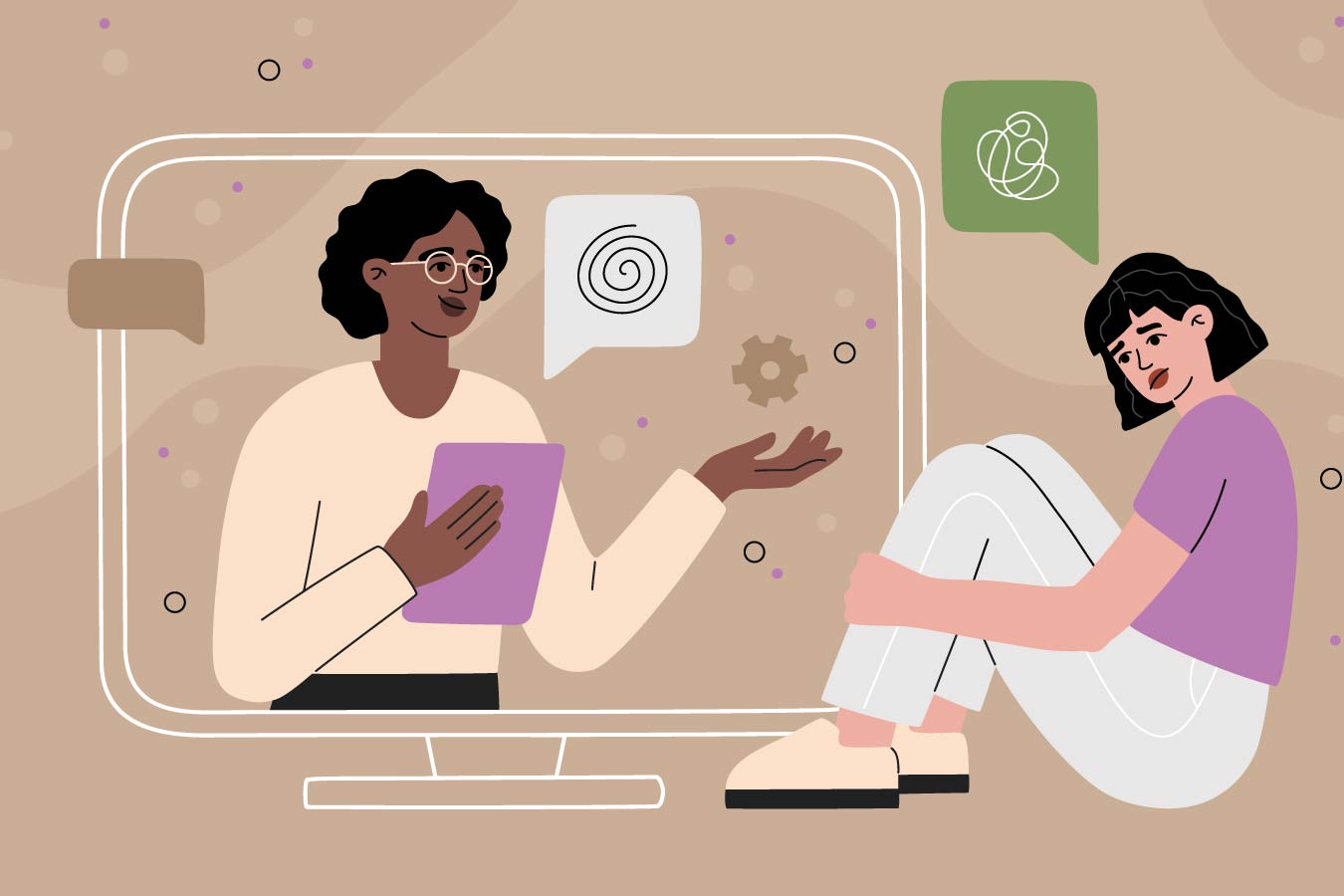
At the onset of the COVID-19 pandemic, mental health care providers were forced to make changes that would allow them to continue seeing patients while maintaining safety guidelines. Thus, the implementation of Telehealth and other platforms skyrocketed! These resources allow providers to connect with patients by video conferences or phone calls when they cannot be in the same location. Therefore, they can conduct therapy and psychiatric counseling sessions similar to those that are done in-person.

Despite the initial intent to use Telehealth as a temporary solution in the midst of a pandemic, many providers plan to continue using the platform. Several benefits surfaced during the first months of necessity for both providers and patients. For example, Telehealth sessions remove the need for transportation, making treatment more accessible to patients, especially those with frequent conflicts (childcare, work, etc.) or those who live a considerable distance away from a preferred provider.

Providers have also noted that many patients, especially children, feel more comfortable participating in therapy sessions online. In a familiar setting, such as their home, patients may feel more comfortable sharing their thoughts, leading to greater treatment progress. Additionally, virtual appointments allow therapists to gain insight into a patient’s home life and environment, including relationships with other members of the household. This access can give clues in determining information that may not be easily stated by the patient, such as domestic abuse.

Telehealth and other virtual health care platforms became popular out of necessity but will continue to affect mental health care long after the COVID-19 pandemic concludes.

If you or someone you know is seeking therapy via Telehealth, please contact our psychotherapy offices in New York or New Jersey to talk to one of our licensed professional psychologists, psychiatrists, psychiatric nurse practitioners, or psychotherapists at Arista Counseling & Psychotherapy. Contact our Paramus, NJ or Manhattan, NY offices respectively, at (201) 368-3700 or (212) 722-1920 to set up an appointment. For more information, please visit http://www.counselingpsychotherapynjny.com/

Sources:

https://www.nami.org/Advocacy/Policy-Priorities/Improving-Health/Telehealth

Mental Health Care Was Severely Inequitable, Then Came the Coronavirus Crisis

https://khn.org/news/article/no-cancel-culture-how-telehealth-is-making-it-easier-to-keep-that-therapy-session/ (photo)

Psychotherapy: Benefits of Rational Emotive Behavior Therapy (REBT)

By: Jasmyn Cuate

Rational emotive behavior therapy (REBT) is a type of cognitive behavioral therapy (CBT) that focuses on helping people recognize and change negative thinking patterns into positive, healthier ones. This method is an action-oriented approach helping to overcome any psychological problems or mental distress. The goal of REBT is to help people respond rationally to situations that would cause stress, depression, or other negative feelings. How does it work?

The ABC model is one concept of REBT. The model suggests that we may blame external situations for our unhappiness and it is our interpretation of these situations that truly causes the psychological distress. ABC stands for:

  • A: Activating event, when something happens in your environment
  • B: Belief, describes your thoughts about the situation
  • C: Consequence, which is your emotional response to your belief

With REBT, your therapist will help you learn how to apply the ABC model in your daily life. Your therapist may help you identify the activating event before encouraging you to figure out which belief led you to your negative feelings. Once you’ve identify the underlying issue, your therapist will work with you to change those beliefs and your emotional response towards the issue. Before changing your belief, a process called disputation takes place where your therapist will challenge your irrational beliefs using direct methods such as asking questions which causes you to re-think or have you imagine another point of view that you may have not considered before. REBT can help with Anxiety, Social anxiety disorder, distress, Depression, Disruptive behavior in children, Obsessive-compulsive disorder (OCD) and Psychotic symptoms.

Benefits of REBT:

  • Reduce feelings of anger, depression, anxiety, and distress
  • Improves health and quality of life
  • Better social skills and school performance

REBT helps you understand that you are worthy of self-acceptance no matter what even if you or others are struggling; there is no need for shame or guilt because everyone makes mistakes and it’s normal to feel some discomfort. REBT gives insight that others are also worthy of acceptance even if their behavior involves something you don’t like. Overall, REBT helps you have a healthy emotional response on learning from a situation and moving on. This allows you to understand that negative things will sometimes happen in life therefore there is no rational reason to always expect it to be positive when faced with a situation.

If you or someone you know is seeking for cognitive behavioral therapy or rational emotive behavior therapy, please contact our psychotherapy offices in New York or New Jersey to talk to one of our licensed professional psychologists, psychiatrists, psychiatric nurse practitioners, or psychotherapists at Arista Counseling & Psychotherapy. Contact our Paramus, NJ or Manhattan, NY offices respectively, at (201) 368-3700 or (212) 722-1920 to set up an appointment. For more information, please visit http://www.counselingpsychotherapynjny.com/

Source: https://www.verywellmind.com/rational-emotive-behavior-therapy-2796000