Psychosomatic Disorders

Psychosomatic Disorders

By Crystal Tsui

Psychosomatic disorder affects both mind and body and it occurs when a physical disease is exacerbated or caused by mental factors or vice versa. Psychological factors can cause physical symptoms when there is no physical disease. There are many factors that are involved with psychosomatic disorders, such as

  • Biological traits
  • Genetic and environmental factors
  • Family influences
  • Learned behavior

Some symptoms of psychosomatic disorders include:

  • Generalized pain
  • Weakness
  • Fatigue
  • Shortness of breath

There are many physical diseases and conditions that are prone to be exacerbated by psychological factors. Some conditions include:

  • Hypertension
  • Constipation
  • Diarrhea
  • Dyspnea
  • Tachypnea
  • Tachycardia

Cognitive behavioral therapy is often the treatment for psychosomatic disorders and it helps individuals cope with their problems (eg. stress, anxiety, depression) and understand that their mental health is connected to their physical health. Most healthcare professionals try to treat the individual, taking into account the mental, social, and physical factors that may contribute to a disease.

 If you or someone you know has psychosomatic disorder, please contact our psychotherapy offices in New York or New Jersey to talk to one of our licensed professional psychologists, psychiatrists, psychiatric nurse practitioners, or psychotherapists at Arista Counseling & Psychotherapy. Contact our Paramus, NJ or Manhattan, NY offices respectively, at (201) 368-3700 or (212) 722-1920 to set up an appointment. For more information, please visit http://www.counselingpsychotherapynjny.com/ .

Sources:

https://centerforanxietydisorders.com/treatment-programs/psychosomatic-disorders/

https://www.google.com/url?sa=i&source=images&cd=&ved=2ahUKEwib8_iSpLTiAhWtTd8KHQaAC_cQjRx6BAgBEAU&url=https%3A%2F%2Fwww.abc.net.au%2Fradionational%2Fprograms%2Fallinthemind%2Fhypochondria-and-psychosomatic-illness%2F6866448&psig=AOvVaw1o8-BXYZWCSksnlzsZPuSV&ust=1558791237650609

Depression and Empty Nest Syndrome

Depression and Empty Nest Syndrome

Depression and Empty Nest Syndrome

By: Lauren Hernandez

                It’s about time that college students may return back to their parent’s home for the summer. At first, many parents are excited for their children to go to college or begin their professional career, however, it is common for parents to feel sad, lonely, and experience grief when their children leave their childhood home. Typically women will struggle more than men during these times, especially when women were full-time mothers. It is important to know that Empty Nest Syndrome is a transitional period in life rather than a clinical disorder or diagnosis. Although the change brings about conflicting emotions, parents are encouraged to support their children in the gradual process towards adulthood.

Symptoms of Empty Nest Syndrome:

  • Sadness
  • Excessive crying
  • Loss
  • Depression
  • Loneliness
  • Distress
  • A loss of purpose and meaning in life


If you or someone you know is experiencing the feelings associated with Empty Nest Syndrome, it is important to refocus your lifestyle and relationships with those living with you. Ways to cope with Empty Nest symptoms include starting new hobbies such as reading, golfing, listening to podcasts, or starting yoga classes. Activities like these may force you to leave the house and engage in a stimulating action which can relieve depressive symptoms and allow you to find something new to put your energy into.

If you or someone you know is struggling with Empty Nest Syndrome, please contact our psychotherapy offices in New York or New Jersey to talk to one of our licensed professional psychologists, psychiatrists, psychiatric nurse practitioners, or psychotherapists at Arista Counseling & Psychotherapy. Contact our Paramus, NJ or Manhattan, NY offices respectively, at (201) 368-3700 or (212) 722-1920 to set up an appointment. For more information, please visit http://www.counselingpsychotherapynjny.com/ .


Sources:

https://www.psychologytoday.com/us/conditions/empty-nest-syndrome


Image Source:

https://www.bing.com/images/search?view=detailV2&id=6506DC3576B86ABB469D5EF9E40198007E7F0D0C&thid=OIP.M_L_B_dbI0s1-1RXN8nDQgHaKg&mediaurl=http%3A%2F%2Fstatic.oprah.com%2Fimages%2F200906%2Fomag%2F200906-omag-empty-nest-220×312.jpg&exph=312&expw=220&q=empty+nest+syndrome&selectedindex=8&ajaxhist=0&vt=0&eim=1,2,6


The Benefits of Yoga on the Mind and Body

Stress Reduction: The Benefits of Yoga     Stress Reduction: The Benefits of Yoga

       By: Julia Keys

        Yoga is a group of physical, mental and spiritual practices that originated in ancient India. Yoga became popular in the United States in the 1960’s as a way to feel a natural “high” without the use of substances. Today, yoga is practiced in the U.S. as a way to relieve stress, exercise, practice spirituality, and to heal the mind and body.

Researchers have found a myriad of benefits of yoga on mental health. Studies show that practicing yoga helps people reduce anger and anxiety, improves sleep, decreases Post Traumatic Stress, and improves daily mood. Yoga’s benefits can all be traced back to its physiological effects on the heart and the nervous system. Yoga incorporates various breathing and meditation exercises alongside physical movement. Yogic or meditative breathing has been shown to increase heart rate variability, or HRV. HRV is simply the distance between each heartbeat. The goal of yogic breathing is to increase the time between each heartbeat. Slower heartbeats can relieve stress and anxiety. Faster heartbeats are correlated with poor emotional regulation.

There are many different types of yoga from which one can choose from. For those seeking yoga that focuses on meditation and breathing, Ananda and Hatha classes would be a good choice. Those seeking more rigorous and physical forms of yoga may want to take Ashtanga or Kundalini classes.

 If you or someone you know is having trouble with stress, anxiety or regulating emotions, please contact our psychotherapy offices in New York or New Jersey to talk to one of our licensed professional psychologists, psychiatrists, psychiatric nurse practitioners, or psychotherapists at Arista Counseling & Psychotherapy. Contact our Paramus, NJ or Manhattan, NY offices respectively, at (201) 368-3700 or (212) 722-1920 to set up an appointment. For more information, please visit http://www.counselingpsychotherapynjny.com/ .


Sources:

https://www.psychologytoday.com/us/blog/silencing-your-inner-bully/201901/5-ways-yoga-can-benefit-your-mental-health

https://www.psychologytoday.com/us/blog/all-about-addiction/201002/addiction-exercise-recovery-yoga-practice-and-mindfulness-in

Source for Picture:

https://www.bing.com/images/search?view=detailV2&id=E9C6F826093C0B21EF4CE1E8062B54A1CDC6869F&thid=OIP.t9l4rEVh9uZ6p8IzbsRaaAHaEL&mediaurl=http%3A%2F%2Fil7.picdn.net%2Fshutterstock%2Fvideos%2F3059605%2Fthumb%2F1.jpg&exph=480&expw=852&q=yoga+sunset+images&selectedindex=15&ajaxhist=0&vt=0&eim=1,2,6


Lies, Lies, Lies

Lies, Lies, Lies

By Crystal Tsui

Lying is something that we are predisposed to do from the time we are born. Infants cry sometimes for no reason at all except for attention. Caregivers would see if the infant wants to eat or have its diaper changed, but in most cases, infants only want to get the caregiver’s attention. That is the earliest form of a lie and we don’t even recognize it.

As adults, we lie all the time and it’s usually conscious. If we want to get out of doing something, we lie to get ourselves out of the situation. For example, if we want to get out of going to work, we would make something up like we’re sick or our stomachs hurt. We also lie with friends and colleagues too. If we were asked “does this outfit make me look fat,” we would likely to say “no” in order for the other person to feel better and to keep the peace.

In the Merriam Webster Dictionary, lying is defined as “to make an untrue statement with intent to deceive.” However, when we speak, we can omit certain information that leaves the recipient an impression of something other than what we intended.

So, what constitutes a lie?

  • A statement must be made
  • The statement must be untrue or an inaccurate description of reality
  • Speaker has the intention to deceive
  • The recipient believes the false statement to be true

Types of people who lie the most are:

  • Psychopaths
  • Sociopaths
  • Young adults
  • Narcissists
  • Extroverts
  • Salesman

Although you may spot these people in your life, consider why they may be lying before making assumptions about the person.

If you or someone you know is a compulsive liar, please contact our psychotherapy offices in New York or New Jersey to talk to one of our licensed professional psychologists, psychiatrists, psychiatric nurse practitioners, or psychotherapists at Arista Counseling & Psychotherapy. Contact our Paramus, NJ or Manhattan, NY offices respectively, at (201) 368-3700 or (212) 722-1920 to set up an appointment. For more information, please visit http://www.counselingpsychotherapynjny.com/ .

Citations:

https://www.psychologytoday.com/us/blog/the-nature-deception/201905/what-is-lie

https://www.psychologicalscience.org/observer/the-truth-about-lying

https://plato.stanford.edu/entries/lying-definition/

https://www.google.com/url?sa=i&rct=j&q=&esrc=s&source=images&cd=&ved=2ahUKEwiNh_WBuariAhXhRt8KHV97CZIQjRx6BAgBEAU&url=http%3A%2F%2Fwww.porticomagazine.ca%2F2015%2F10%2Flying-to-get-the-job%2F&psig=AOvVaw3au372DVa_mkb1rB9lTS66&ust=1558453235267372

Insomnia: How to Regain Control of Your Sleep!

By: Lauren Hernandez

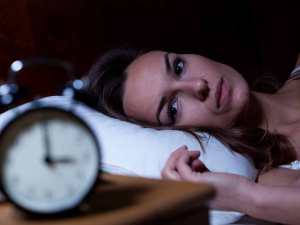
            Insomnia is one of the most prevalent sleep disorders within the United States. People with insomnia struggle to fall asleep, have difficulty staying asleep, or wake up too early. Insomnia is a side effect caused by daily stressors, travel, or other major or minor life events, and can also be caused by other sleeping problems such as sleep apnea. Short term insomnia can be relieved through changes in your lifestyle and habits, including exercise to relieve stress and tension, and meditation or a hot bath to relax and unwind from a busy day. Additionally, changing your bedroom environment to avoid stimulating activities and maintaining a regular sleep schedule will help you fall asleep faster and stay asleep longer. For those with long term insomnia, lasting more than three weeks, it is suggested you visit a psychologist or psychiatric nurse practitioner as there are therapies and medications which can help reduce difficulty sleeping.


If you or someone you know is struggling with insomnia, please contact our psychotherapy offices in New York or New Jersey to talk to one of our licensed professional psychologists, psychiatrists, psychiatric nurse practitioners, or psychotherapists at Arista Counseling & Psychotherapy. Contact our Paramus, NJ or Manhattan, NY offices respectively, at (201) 368-3700 or (212) 722-1920 to set up an appointment. For more information, please visit http://www.counselingpsychotherapynjny.com/ .


Source:

https://www.nami.org/Learn-More/Mental-Health-Conditions/Related-Conditions/Sleep-Disorders

Image Source:

https://www.saga.co.uk/contentlibrary/saga/publishing/verticals/health-and-wellbeing/wellbeing/insomniaistock_52736834_medium768x576


Learning How to Face Rejection

rejection

By: Tamar Asayan

Everyone has experienced rejection whether it was not getting the job you wanted, your friends not inviting you somewhere and posting about it online, or even having someone not like you back. Rejection is the loss of something you may have once had or wanted. It is similar to abandonment because it leaves you feeling less than and unwanted. Unfortunately, rejection is something that cannot be avoided and it is a part of life that everyone will have to experience. No matter how small or big the rejection you experience is, it is always going to hurt you and leave an emotional wound. Not only does rejection cause emotional pain, but it also damages someone’s self-esteem and effects one’s mood resulting in frustration and anger. An article, “Why Rejection Hurts So Much-and What to do About it” states, “The same areas of our brain become activated when we experience rejection as when we experience physical pain. That’s why even small rejections hurt more than we think they should, because they elicit literal pain” (Winch). If you are feeling the pain of being rejected here are some ways to cope and overcome it in healthier ways.

  1. Acknowledge the pain and grief of loss
  • When you are rejected, you may feel embarrassed and don’t know how to exactly cope with it. You may repress your feelings and ignore the fact that you are in pain.
  • In order to accept rejection, you must accept the pain of what you are going through. Whether it is crying, going to therapy, exercising, or even journaling, it is important to relieve and express the emotions faced when being rejected.
  1. Don’t blame yourself
  • Most of the time you don’t understand why you have been rejected and naturally you place the blame on yourself.
  • The reason you believe you are at fault is because early in life you may have been taught to believe that you are not enough.
  • Do not take responsibility for what is out of your control.
  1. Put yourself out there
  • Rejection is part of the process which leads to success. Do not take it personally, it’s part of life.
  • Putting yourself out there can make you less sensitive to rejection; the more you are rejected the less it hurt us.
  1. Build your resiliency
  • To be resilient is to be able to recover or come back from a stressful or traumatizing event.
  • Resiliency can be learned by doing some of the following:
    • Having an open mind
    • Seeking solutions
    • Learning from an experience
    • Seeking support
    • Knowing your worth and strengths
    • Self-care

If you or someone you know is feeling rejected or dealing with rejection, call now to make an appointment to speak with one of our licensed professional psychologists, psychiatrists, psychiatric nurse practitioners, or psychotherapists. Contact us at our Paramus, NJ (201) 368-3700 or Manhattan, NY offices at or (212) 722-1920 to set up an appointment. For more information, visit http://www.counselingpsychotherapynjny.com/.

Sources: https://psychcentral.com/blog/how-to-overcome-rejection-like-a-champ/

https://ideas.ted.com/why-rejection-hurts-so-much-and-what-to-do-about-it/

https://blogs.psychcentral.com/imperfect/2019/02/4-strategies-to-cope-with-the-pain-of rejection/

Image: https://www.dailymail.co.uk/femail/article-1327598/Why-rejection-good-you.html

Anxiety: Test Taking

Anxiety: Test Taking

By Toniann Seals

Many students are exceptional in class, but find themselves below average on tests (both in class and standardized). How can the student who is continuously participating, going to extra tutoring sessions and always asking questions failing tests? There is a chance they are suffering from test taking anxiety.

Symptoms of test anxiety

While testing:

  • Shaking
  • Nausea
  • Forgetfulness
  • Hot flashes

Effects of test anxiety

  • Feelings of not being good enough
  • Feeling as though you are a failure
  • Negative thoughts
  • Lack of self esteem

Overcoming test anxiety is something that can be handled with a professional, however there are ways you can help yourself in the meantime.

Coping mechanisms

  • Begin studying early so you feel more confident and less anxious
  • Have open communication with your teacher so they understand what you are going through
  • Get enough sleep the night before
  • Meditation can help anxiety
  • Create affirmations and positive thoughts where you picture yourself doing well

If you or someone you know is dealing with anxiety speak with one of our licensed professional psychologists, psychiatrists, psychiatric nurse practitioners, and psychotherapists. Contact us at our Paramus, NJ or Manhattan, NY offices at (201) 368-3700 or (212) 722-1920 respectively to set up an appointment. For more information, visit http://www.counselingpsychotherapynjny.com/.

Source:

https://www.mayoclinic.org/diseases-conditions/generalized-anxiety-disorder/expert-answers/test-anxiety/faq-20058195

(Image) https://www.psycom.net/test-anxiety-quiz-assessment/

Emotional Support Animals: A Helping Paw for College Students

Emotional Support Animals: A Helping Paw for College Students

By: Liz Lynch

            Colleges have recognized that animals have an innate ability to reduce stress; this is why they organize campus events such as petting zoos and therapy dog visits around midterm and finals times. However, college students have taken a particular interest in Emotional Support Animals in recent years to help combat mental illnesses such as anxiety, depression, and PTSD. Unlike Service Dogs, Emotional Support Animals do not have specific training; this is a very important distinction as Service Dogs have life saving jobs that they are trained and licensed to do.  Emotional Support Animals on the other hand could be considered a pet with a project; but don’t let the cute name fool you though, their project is very important to the student’s mental health as they provide companionship and comfort 24/7.   

           Students who are interested in having an Emotional Support Animal with them at college must go through a short process before the animal is permitted on campus. They must receive a letter of recommendation from their licensed therapist, psychologist, or psychiatrist explaining the circumstances that require them to have an ESA. The letter, vaccination forms, and a contract of responsibility must be signed and approved by the school before the arrival of the animal. Once the animal is approved and moved in their project begins!

ESA Benefits:

  • Reduce feelings of stress and anxiety
  • Lowers feelings of loneliness/ isolation
  • Offers a feeling of security and familiarity
  • Provides mental and psychical stimulation
  • Creates a feeling of responsibility and purpose

           If you or a loved one appears to be suffering from a mental illness, the licensed psychologists, psychiatrists, psychiatric nurse practitioners, and psychotherapists at Arista Counseling & Psychotherapy can assist you. Contact our Paramus, NJ or Manhattan, NY offices respectively, at (201) 368-3700 or (212) 722-1920 to set up an appointment. For more information, visit http://www.counselingpsychotherapynjny.com/

Picture: https://iptc.org/

PTSD: Trauma

PTSD: Trauma

By: Elizabeth Lynch

                   Every day you unknowingly pass by, interact with, or speak to someone who is suffering from PTSD. In the US alone 70% of adults experience some kind of trauma throughout their life; 20% of them will develop PTSD from the events they faced. While PTSD is known to develop more frequently in women than in men this mental illness does not discriminate across gender, race, sexual orientation, social status, or age. This is what many people don’t realize about PTSD. It doesn’t just affect those who go off to war. It can affect anyone who experienced a major trauma.

Experiencing the following could lead to the development of PTSD:

  1.        Sexual Assault or Rape
  2.        Severe beating or physical assault
  3.        Serious accident or injury (car or train accident)
  4.        Being a victim of or witnessing a shooting or stabbing
  5.        Sudden, unexpected death of a family member or friend
  6.        Child’s life-threatening illness which can affect both child and parents
  7.        Witness to murder or serious injury
  8.        Natural disasters

Look for the signs:

       Behavioral

  • Irritability
  • Social Isolation
  • Self-Destructive Behavior
  • Hyper-vigilance
  • Easily Startled

       Psychological

  • Flashbacks
  • Mistrust
  • Avoidance of places, people, or things that serve as a reminder of trauma
  • Difficulty Remembering

       Sleep

  • Frequently Disturbed
  • Nightmares/Terrors
  • Insomnia
  • Bed wetting

       Mood

  • Guilt
  • Loneliness
  • Loss of interest
  • Hopelessness
  • Fear
  • Tension/ Anxiety

If you or a loved one appears to be suffering from post-traumatic stress disorder, the licensed psychologists, psychiatrists, psychiatric nurse practitioners, and psychotherapists at Arista Counseling & Psychotherapy can assist you. Contact our Paramus, NJ or Manhattan, NY offices respectively, at (201) 368-3700 or (212) 722-1920 to set up an appointment. For more information, visit http://www.counselingpsychotherapynjny.com/

Social Anxiety: Phone Calls

Social Anxiety: Phone Calls

By Toniann Seals

Does calling a restaurant to order food make you sick to your stomach? Do you have a fear of jobs whose expectations include answering phones? There is a good chance that you may have some form of social anxiety in relation to phone call phobias.

While you are on the phone do you:

  • Shake?
  • Feel your heart racing?
  • Feel anxious?

Ways to handle a call and address issues when you suffer from social anxiety disorder:

  • Practice your call in a mirror
    • Talk to yourself before you talk to someone else.
  • Write a script
    • It is okay to have exactly what you want to say right in front of you. This can alleviate your social anxiety.
  • Post it notes
    • If you are doing a phone interview or at work, write a cheat sheet with common phone numbers, email addresses, resume details and facts that will come up frequently.
  • Speak slowly and calmly
    • Remind yourself that you do not need to rush. Take your time!
  • Let an incoming call go to voicemail
    • Voicemail is an option for a reason. If you are feeling exceptionally worried, take a moment and let it go to voicemail. You can always call back when you are ready.

If you or someone you know suffers from social anxiety speak with one of our licensed professional psychologists, psychiatrists, psychiatric nurse practitioners, and psychotherapists. Contact us at our Paramus, NJ or Manhattan, NY offices at (201) 368-3700 or (212) 722-1920 respectively to set up an appointment. For more information, visit http://www.counselingpsychotherapynjny.com/.

Sources:

https://www.verywellmind.com/afraid-making-phone-calls-tips-3024317

(Image) https://www.theatlantic.com/technology/archive/2016/04/the-life-and-death-of-the-prank-phone-call/476340/