Depression: Burning Out

Depression: Burning Out

By Toniann Seals

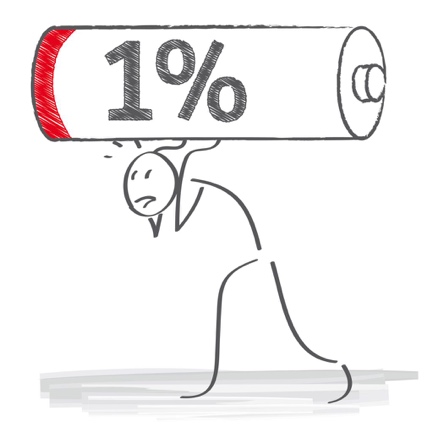
While living in a face paced society burn out is typically inevitable. Maybe you have a stressful job, heavy course load at school or personal/family issues going on. These problems you may face in your lifetime could bring excessive stress and lead to burn out.

Signs of Burn Out:

  • Excessive or too little sleep
  • Not making time for your hobbies
  • Dreading the next day/negative thoughts
  • Overworking

After burn out occurs many people find themselves stuck at a standstill. They are not able to move forward in their work or complete simple daily tasks. Once you notice the signs above, take action immediately to help yourself.

Effects:

  • Lowered Self Esteem
  • Less productivity
  • Feelings of not being enough
  • Lack of happiness

If you or someone you know is suffering from burn out speak with one of our licensed professional psychologists, psychiatrists, psychiatric nurse practitioners, and psychotherapists. Contact us at our Paramus, NJ or Manhattan, NY offices at (201) 368-3700 or (212) 722-1920 respectively to set up an appointment. For more information, visit http://www.counselingpsychotherapynjny.com/.

Image:

http://www.gotoppm.com/stress-burnout-and-saying-no/

Separation Anxiety Disorder (SAD) in Children

By: Tamar Asayan

School Phobia is now referred to Separation Anxiety. It can also be known as school refusal or school avoidance because it makes going to school very difficult for children. Separation Anxiety Disorder is when someone has excessive fear or anxiety about leaving their home or an attachment figure. In children, their attachment figure is usually their parents because they see them as a figure of protection and do not want to leave their side. Humans require an attachment to parental figures because they provide love, protection, and care to us. Children attach their deepest fears to their parents because they believe they can make any fear go away.

Children who have separation anxiety have a difficult time sleeping alone, going to school, avoiding play dates, and do anything to stay at home with their parents. They also experience symptoms of dizziness, upset stomach, nausea, vomiting, headaches, and have difficulty sleeping. These symptoms can lead to children not wanting to leave their house even more because the thought of a parent leaving can give symptoms of panic and anxious thoughts.

Separation Anxiety Disorder is more common in children who suffer from parents separating or going through a divorce. Any detachment from a parent is experienced as a life threatening danger to the child. They fear they no longer will be protected and will be left alone by their parents. These feelings of anxiety are relieved when they are safe in the presence of their parents to reassure them that they are not going anywhere. In order for children to overcome their separation anxiety and their fear to attend school it is important to seek help as early as they can.

The best method in treating Separation Anxiety Disorder is by Cognitive Behavioral Therapy (CBT); it helps parents and children learn new coping skills when they are separated from each other. It is also important to make your child feel safe and protected in the environment they are living in and develop trust in their parents that they are not going to leave them.

If you are a parent and are concerned about your child having separation anxiety call the licensed psychologists, psychiatrists, psychiatric nurse practitioners, and psychotherapists at Arista Counseling & Psychotherapy can assist you. Contact our Paramus, NJ or Manhattan, NY offices respectively, at (201) 368-3700 or (212) 722-1920 to set up an appointment. For more information, visit http://www.counselingpsychotherapynjny.com/

Source: https://www.psychologytoday.com/us/blog/inside-out-outside-in/201505/what-is-separation-anxiety 

Image: http://childcarephysicans.com/wp-content/uploads/2013/08/blide.jpeg


Confrontation Vs. Feedback

Confrontation Vs. Feedback

By Toniann Seals

At some point in your life you will face a confrontational situation. A few scenarios include telling a friend about your feelings, letting a coworker know that their work is incorrect and explaining to a peer that a decision they made was not okay. How you approach these situations matter.

Confrontation (Negative):

  • Problem oriented
  • Unwelcoming
  • Assertive
  • Aggressive
  • Belittling

Feedback (Positive):

  • Solution oriented
  • Inviting
  • Understanding
  • Guiding
  • Uplifting

The way you handle a situation will affect both you and the one receiving the information. A great way to face a problem is by always having a solution readily available to suggest. It shows that you care and want to make the situation better.

If you or someone you know is having a difficult time dealing with confrontation speak with one of our licensed professional psychologists, psychiatrists, psychiatric nurse practitioners, and psychotherapists. Contact us at our Paramus, NJ or Manhattan, NY offices at (201) 368-3700 or (212) 722-1920 respectively to set up an appointment. For more information, visit http://www.counselingpsychotherapynjny.com/.

Image:

https://canada.businesschief.com/marketing/796/The-Dreaded-Social-Media-Confrontation

PTSD: Not Just for Veterans

ptsd

PTSD: Not Just for Veterans

By Jessica Burgess

While you may have heard about Post-Traumatic Stress Disorder (PTSD) before, you may have only heard it associated with veterans and war events. The truth is, anyone of any age can suffer from PTSD if they have witnessed or experienced a scary event. Every year, about 5.2 million Americans suffer from PTSD. Some events that might trigger PTSD include:

  • Sexual abuse or assault
  • Combat
  • A violent crime
  • A plane crash or car accident
  • A natural disaster like a hurricane, tornado, or fire
  • Or any life-threatening event

Symptoms of PTSD can include:

  • Lack of trust in others
  • Nightmares about the event
  • Avoidance of places or things that remind you of the event
  • Being on the lookout for danger constantly

On average, PTSD starts about 3 months after the event but some people do not have signs until years later. The length of recovery also varies with some recovering in 6 months and others taking much longer to recover. The best way to treat PTSD is to talk to your mental health professional.

If you think you or someone you know is experiencing symptoms of PTSD, speak with one of our licensed professional psychologists, psychiatrists, psychiatric nurse practitioners, and psychotherapists. Contact us at our Paramus, NJ or Manhattan, NY offices at (201) 368-3700 or (212) 722-1920 respectively to set up an appointment. For more information, visit http://www.counselingpsychotherapynjny.com/

Source: U.S. Department of Health and Human Services, National Institutes of Health, National Institute of Mental Health. (2016). Post-Traumatic Stress Disorder (PTSD): A Real Illness (NIH Publication No. 00-4675). Bethesda, MD; U.S. Government Printing Office.

Image: https://tce-live2.s3.amazonaws.com/media/media/18a0d81b–c5ad-4ab5-811f–3f413a2d646b.jpg

Alcohol Abuse: College Students

Alcohol Abuse: College Students

By Toniann Seals

For many, college is the first time in one’s young adult life that they are away from their families and on their own. Without direct supervision they begin to experiment, especially with alcohol. Unfortunately, some find themselves victims of alcohol abuse and have a hard time fighting the addiction.

Identifying Alcohol Abuse:

  • Missing important assignments, classes or meetings because of alcohol
  • Vomiting each time you drink alcohol
  • Not able to control the amount you drink
  • Drinking before or during class/work
  • Constant feeling of regret after a night out of drinking
  • Inability to control your behaviors while under the influence
  • Binge Drinking

Some may claim that they are just trying to have “fun” in college, however being a college student does not make a person immune to the detrimental side effects of alcohol abuse.

According to the NIAAA, “Approximately 2 out of every 5 college students of all ages (more than 40 percent) reported binge drinking at least once in the 2 weeks prior.” Drinking too much alcohol in a short period of time can lead to health problems, injury and even death. Fitting in is not worth what could potentially happen to you. If you are drinking because of stress, a traumatic experience or bad breakup, professional help could be very beneficial.

If you or someone you know is dealing with alcohol abuse speak with one of our licensed professional psychologists, psychiatrists, psychiatric nurse practitioners, and psychotherapists. Contact us at our Paramus, NJ or Manhattan, NY offices at (201) 368-3700 or (212) 722-1920 respectively to set up an appointment. For more information, visit http://www.counselingpsychotherapynjny.com/.

Sources:

https://www.addictioncenter.com/alcohol/binge-drinking/

(Image) http://allaboutaddiction.com/addiction/college-students-binge-drinking/

Effects of Sexual Assault

Effects of Sexual Assault

By Toniann Seals

Sexual assault is a tragedy that unfortunately happens to many victims. Statistics say that, “in the U.S., one in three women and one in six men experienced some form of contact sexual violence in their lifetime.” This number is far too high and the reality is that despite the movements created to end it, it continues to have a large impact on many people’s lives.

Facts:

  • “91% of victims of rape and sexual assault are female, and nine percent are male.”
  • “The lifetime cost of rape per victim is $122,461.”
  • “81% of women and 35% of men report significant short- or long-term impacts such as Post-Traumatic Stress Disorder (PTSD).”

Sexual assault affects both the victim and their family. A few of the mental health issues that the victims could develop are anxiety, depression, obsessive thoughts and paranoia. If sexual assault has affected your life, it is important to remember that it is never the victim’s fault and there are people here to help.

If you or someone you know is a victim of sexual assault speak with one of our licensed professional psychologists, psychiatrists, psychiatric nurse practitioners, and psychotherapists. Contact us at our Paramus, NJ or Manhattan, NY offices at (201) 368-3700 or (212) 722-1920 respectively to set up an appointment. For more information, visit http://www.counselingpsychotherapynjny.com/.

Sources:

Click to access NISVS-StateReportBook.pdf

Click to access rsarp00.pdf

Click to access NISVS_Report2010-a.pdf

Click to access nsvrc_talking-points_lifetime-economic-burden_0.pdf

Image:

https://www.indiatoday.in/technology/features/story/hashtag-metoo-trending-on-twitter-facebook-what-is-it-and-why-is-everyone-talking-about-it-1066951-2017-10-18

Sleep Difficulties? Here are 5 questions that will Help You Figure Out Why.

By Sally Santos

We all have gone through this. We have had a long day and we can’t wait to get in to bed to rest. But the moment you rest your head on the pillow you find yourself wide awake and staring at the ceiling. So then you ask yourself “why can’t I fall asleep?” Consider these 5 questions:

Do you take your phone to bed?

  • We spend all day with our phones tending to every notification that we receive. That can become a habit. So when you bring your phone to bed and you see your phones light up you are going to want to see what it is. So every night before you go to bed try to keep your phone away from your bed or at least set it on Do Not Disturb Mode. This ensures that your phone won’t ring for every notification

How much caffeine are you drinking?

  • If you are someone who consumes a lot of caffeine during the day and find yourself not being able to sleep at night consider consuming less caffeine or stop completely.

What do you do during the evening?

  • Avoid having a late meal. If you eat right before you go to bed that might keep you awake because your body is working on digesting your food.
  • If you are someone who works out try working out earlier because after you work out you may have increased energy and that may prevent you from sleeping at night.
  • If possible try avoiding difficult conversations before bed.

How are you using your bed?

  • If you are someone who works or studies in bed, you may be confusing your body. Instead of your body associating your bed as a place for rest it is associating it as a place of work.

Is there something specific that you are worried about?

  • Maybe you are going through a stressful situation and the thought of it is keeping you up at night. Try learning a relaxation method such as breathing gently or meditation.
  • If the situation is serious seek professional help you problem-solve the situation. You might be helped by relaxation techniques, hypnosis or sleep medication.

Source:

https://www.psychologytoday.com/us/blog/prescriptions-life/201901/how-calm-your-racing-mind-so-you-can-sleep

Image:

https://www.tumblr.com/tagged/no-sleep

If you or someone you know is having sleep issues, speak with one of our licensed professional psychologists, psychiatrists, psychiatric nurse practitioners, and psychotherapists. Contact us at our Paramus, NJ or Manhattan, NY offices at (201) 368-3700 or (212) 722-1920 respectively to set up an appointment. For more information, visit http://www.counselingpsychotherapynjny.com/.

Video Games – Advantages and Disadvantages

By Dara Kushnir

Ever since its creation, people have debated whether video games are a help, a hindrance, or useful in moderation. Below presents evidence from the most disputed aspects of this argument as well as additional factors to consider:

Content. Countless studies show that violence in video games diminishes empathy and exacerbates behavioral problems. After playing even 30 minutes, less activation was found in the prefrontal portion of the brain (involved in concentration, inhibition, and self-control) and more in the amygdala (emotional arousal)1. People who play violent video games may expect others to be hostile, influencing how aggressively they themselves react in the future2.
Conversely, prosocial, nonviolent video games can promote empathy and helpful behaviors, even teaching empathy3, asthma management, rehabilitating stroke patients, learning resiliency from failures4, and being a therapy tool in moderating certain phobias5. Preschool children have also shown improved motor development and cognitive behavior5.  Children who play cooperative video games display fewer emotional problems and problems with peers whereas those who play solitary games do well academically6.

Time. Despite the noteworthy benefits, it is crucial to understand that these benefits apply to those who play for less than or equal to an hour. Excessive time is linked with behavioral problems, poorer social skills, and peer conflicts. A recent study revealed that playing for less than an hour reduces ADHD symptoms, has a calming effect, and is not associated with delinquency7 8. Less than one hour of gaming strengthens motor skills and leads to higher achievement scores. However, playing more than one hour increases ADHD symptoms and lowers grades, which means the difference between a “B” and an “A” grade9.

Motivation. One . One study argues that people play video games to meet their motivational needs rather than for the content itself10. Those who are more aggressive play violent video games rather than cause aggression. Violent video games were not associated with aggressive behavior. Those who play for enjoyment or catharsis (releasing anger) play violent video games, although it is unclear if playing actually helps. The researchers suggested that people seek out video games to meet their motivational needs rather than the violent content itself. More research is still needed.

Personality. People with certain personality traits can be predisposed to aggression after playing violent video games. One study states that the “perfect storm” of personality traits using the Five-Factor Model is high neuroticism (easily upset and angry), low agreeableness (little concern for others and their feelings), and low conscientiousness (act without thinking)11. These traits make individuals more susceptible to violent games and media.

Player abilities. Another study argues that regardless of video games’ content, frustration from failing sparks aggression12. When a person’s competency or ego is questioned, through a challenging game or failing to master the controls, they enjoy the game less and react with more aggression. This reaction is not limited to video games; people react with frustrated aggression playing sports and other activities, especially if they lose or play poorly.


Source:
(image) http://guides.library.ucla.edu/videogames
All articles are sourced in text.

If you or someone you know appears to be suffering from a video game addiction, please contact our psychotherapy offices in New York or New Jersey to talk to one of our licensed professional psychologists, psychiatrists, psychiatric nurse practitioners, or psychotherapists at Arista Counseling & Psychotherapy. Contact our Paramus, NJ or Manhattan, NY offices respectively, at (201) 368-3700 or (212) 722-1920 to set up an appointment. For more information, please visit http://www.counselingpsychotherapynjny.com/.
Depression in Children: What are the Signs?

By: Sally Santos

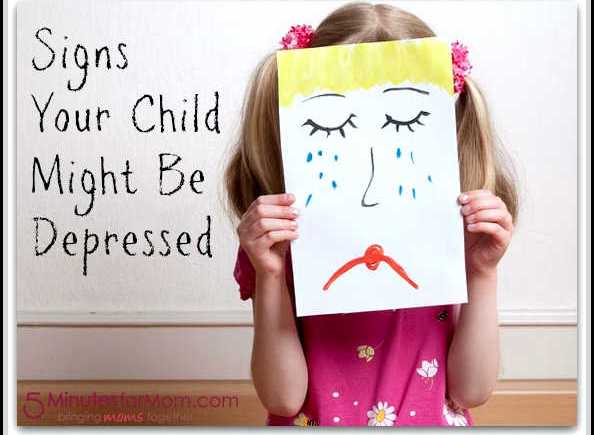
In children the most common mental health disorder is depression. When a child is going through depression it may affect their mental and physical health. As mentioned in a Psychology Today article the symptoms “must also interfere with the child’s functioning in normal daily activities.” Since children are still young they are not able to communicate their feelings well to others. Children with depression can be helped that’s why it is important for parents, caregivers and teachers to recognize the signs of depression. Some of the symptoms are:

  • Angry outburst
  • Anxiety
  • Decreased in energy
  • Feelings of hopelessness
  • Lack of concentration
  • Weight loss
  • Insomnia
  • Refusal to go to school

According to the National Alliance of Mental Health “Once a young person has experienced a major depression, he or she is at risk of developing another depression within the next five years.”

Sources:

https://www.psychologytoday.com/us/blog/alphabet-kids/201009/20-signs-and-symptoms-childhoodteen-depression

https://www.psychologytoday.com/us/blog/alphabet-kids/201009/depressing-news-about-childhood-and-adolescent-depression

Image:

https://www.anxietymedications.net/childhood-depression-symptoms-and-signs-to-diagnose-stress-on-kids/

If you are a parent and are concerned about your child having depression call the licensed psychologists, psychiatrists, psychiatric nurse practitioners, and psychotherapists at Arista Counseling & Psychotherapy can assist you. Contact our Paramus, NJ or Manhattan, NY offices respectively, at (201) 368-3700 or (212) 722-1920 to set up an appointment. For more information, visit http://www.counselingpsychotherapynjny.com/

Suicide: Fighting Suicidal Thoughts

By: Sally Santos

If you are someone who is suffering with suicidal thoughts, you should be aware that most people that have attempted to commit suicide but did not succeed feel relieved that they did not succeed in ending their life. When things get tough sometimes your mind starts racing and you feel overwhelmed with emotions. Suicide doesn’t just happen on its own, it is led by many social risk factors some of them being:

  • Gender
  • Age
  • Marital status
  • Employment status
  • Lack of social support

Many people who have attempted to commit suicide will say that they were experiencing very intense feelings of hopelessness. They felt like they had lost control of their lives and that nothing is going to get better. But that is not true. In that moment it may feel hopeless but there are ways to help you feel better. You do not have to feel like you have to fight your battles alone. In order to steer away from those thoughts it is important to keep in mind a plan just in case your thoughts become too overwhelming. It is recommended to make a list of all the positive things that you have in your life such as:

  • Read a favorite book or listen to your favorite music
  • Write down positive things about yourself or the favorite aspects of your life
  • Try to get a goodnights sleep
  • Have a list of people you trust to call in case you want to talk

Always note that you can discuss how you have been feeling with a healthcare provider. They can provide you with the advice and help that you need in order to achieve a faster and healthy recovery. Lastly, as mentioned in an article in Psychology Today it’s important to “remember that you have not always felt this way and that you will not always feel this way”. The emotions and thoughts that you have now are temporary not permanent.

Article: https://www.psychologytoday.com/us/blog/hide-and-seek/201204/fighting-suicidal-thoughts

Image: https://www.teepublic.com/sticker/1813639-suicide-prevention-awareness-butterfly-ribbon

If you or someone you know is thinking about suicide, contact our psychotherapy offices in New York or New Jersey to talk to one of our licensed professional psychologists, psychiatrists, psychiatric nurse practitioners, and psychotherapists at Arista Counseling & Psychotherapy. Contact our Paramus, NJ or Manhattan, NY offices respectively, at (201) 368-3700 or (212) 722-1920 to set up an appointment. For more information, visit http://www.counselingpsychotherapynjny.com/.