Marriages; Why Most Marriages Fail?

By Raichel Cochancela

According to divorce statistics rates for 2022, nearly 50% percent of first marriages, 60% of second, and 73% of third marriages end in divorce. The high rates of divorce indicate couples are not maintaining a healthy and intimate connection after marriage. Some common reasons for divorce include communication issues, infidelity, economic problems, lack of commitment, too much arguing, lack of intimacy, etc. Most problems tend to arise when couples do not communicate or do not address concerns to avoid conflict. Sharing your emotions and thoughts with your partner is necessary to avoid bigger issues that can lead to separation. Each couple faces different hardships. To maintain a healthy relationship, married couples should do the following

  1. Spend time together: Your responsibilities should not prevent you from setting time aside for your partner. There are endless ways you can create closeness with your partner including going on dates, signing up for activities, taking a walk, trying a new food recipe, etc. Spending time with your spouse or wife can have a big impact on your marriage.
  2. Set boundaries: Personal boundaries reduce conflict by sharing what you expect from your partner.
  3. Communicate: Sharing your thoughts, opinions, and emotions with your partner creates more trust and decreases misunderstanding and arguments.
  4. Respect each other: You should value the preferences and likes of your partner to make a sustainable marriage.

The tips provided can help those who feel like their marriages are failing.   

If you or someone you know is struggling with marriage issues please contact our psychotherapy offices in New York or New Jersey to talk to one of our licensed professional psychologists, psychiatrists, psychiatric nurse practitioners, or psychotherapists at Arista Psychotherapy & Psychiatric Services. Contact our Manhattan, NY or Paramus, NJ offices respectively at (201) 368-3700 or (212) 722-1920 to set up an appointment. For more information, please visit https://www.counselingpsychotherapynjny.com

Sources

Divorce Statistics: Over 115 Studies, Facts and Rates for 2024

Borderline Personality Disorder

Borderline Personality Disorder

By: Anna Giammanco

Trouble regulating emotions is a core symptom of Borderline Personality disorder. Trouble controlling emotions can cause impulsive actions. It can also negatively influence relationships with others, as well as create a warped self- image.

Other symptoms include:

  •  Intense and unstable interpersonal relationships
  • Strong feelings of dissociation (feeling cut off from oneself, a feeling of observing oneself outside one’s body)
  • Trouble controlling anger and or inappropriate outbursts of anger
  • Suicidal thinking
  • Long lasting feelings of emptiness
  • Intense moods that often vary (these episodes can last for hours or days)
  • Impulsive actions that can often be dangerous (unsafe sex, spending sprees, reckless driving, substance abuse, etc)
  • Acts of self-harm (cutting, etc)
  • Attempts to avoid real or perceived abandonment (quickly getting into an intense relationship or quickly leaving one)

If you or someone you know is struggling, please contact our psychotherapy offices in New York or New Jersey to talk to one of our licensed professional psychologists, psychiatrists, psychiatric nurse practitioners, or psychotherapists at Arista Psychotherapy & Psychiatric Services. Contact our Manhattan, NY or Paramus, NJ offices respectively at (201) 368-3700 or (212) 722-1920 to set up an appointment. For more information, please visit https://www.counselingpsychotherapynjny.com

References: https://www.nimh.nih.gov/health/topics/borderline-personality-disorder#:~:text=Borderline%20personality%20disorder%20is%20a,impact%20their%20relationships%20with%20others.

Seasonal Depression

Seasonal Depression

By: Mercedes Renter

What is seasonal depression? Seasonal depression also known as SAD (Seasonal Affective Disorder) can occur when one does not feel like themselves and their mood begins to change when the season begins and/or ends. Seasonal Depression is characterized as a type of depression by its recurrent seasonal pattern. The two different types of SAD are winter and summer. People who feel symptoms are beginning in the late fall or early winter and tend to go away during the spring and summer are suffering from Winter SAD. Individuals who experience depressive episodes during the spring and summer months may suffer from Summer SAD.

Winter SAD symptoms include

  • Hypersomnia
  • Overeating
  • Weight Gain
  • Social Withdrawing

Summer SAD symptoms include

  • Insomnia
  • Poor appetite
  • Anxiety
  • Restlessness
  • Episodes of Violent Behavior

A few self-care steps that can be done all year long and may help reduce your seasonal depression are exercise, healthy sleep habits, limiting the amount of sugar you consume and going outside on sunny days.

If you or someone you know is struggling with Seasonal Depression please contact our psychotherapy offices in New York or New Jersey to talk to one of our licensed professional psychologists, psychiatrics, psychiatric nurse practitioners, or psychotherapists at Arista Counseling and Psychotherapy. Contact our Paramus, NJ or Manhattan, NY offices respectively at (201)-368-3700 or (212)-722-1920 to set up an appointment. For more information, please visit https://www.counselingpsychotherapynjny.com

Schizophrenia

Schizophrenia: What is it?

By: Anna Giammanco

Schizophrenia is a mental illness that is usually diagnosed in people between the ages of 16 and 30. The way a person thinks, feels, and behaves can be highly affected by Schizophrenia. Symptoms of this disorder can make functioning and performing everyday tasks very challenging. Symptoms of Schizophrenia can often differ between patients. Symptoms usually fall into three different categories (psychotic, negative, and cognitive).

Psychotic: Symptoms include changes in behavior and a person’s perception of the world. Symptoms vary on how often they occur. For some, symptoms can be less frequent or more frequent.

  • Hallucinations: Hallucinations can occur in several forms. One can experience hallucinations visually, aurally, and through perceived taste or smell. Despite feeling very real, these hallucinations aren’t actually happening.
  • Delusions: Delusions are powerful beliefs that a person with Schizophrenia has that are untrue and somewhat illogical.
  • Ex: believing, voices on TV and Radio are sending special messages.
  • Thought disorder: Unusual and nonsensical ways of thinking. Having trouble organizing thoughts and speech. Abnormal pauses in the middle of talking while concentrating on a thought.
  • Movement disorder: Abnormal body movements such as repeating movements over and over.

Negative:

  • Feeling a loss of motivation or lack of interest in daily activities, Isolating oneself and withdrawal from social life, having trouble functioning.
  • Symptoms include: trouble sticking to tasks, feeling pressure in everyday life, having low energy, avoiding social interaction.

Cognitive:

  • Having problems with memory and concentrating, having trouble processing information and using information after learning it.

If you or someone you know is struggling, please contact our psychotherapy offices in New York or New Jersey to talk to one of our licensed professional psychologists, psychiatrists, psychiatric nurse practitioners, or psychotherapists at Arista Psychotherapy & Psychiatric Services. Contact our Manhattan, NY or Paramus, NJ offices respectively at (201) 368-3700 or (212) 722-1920 to set up an appointment. For more information, please visit https://www.counselingpsychotherapynjny.com

Social Isolation due to Technology

Social Isolation due to Technology

By Raichel Cochancela

New generations are growing up in an environment surrounded by technology. It almost comes naturally to give children technological devices to avoid or decrease temper tantrums, keep them entertained, distract them, etc. Parents use technology to comfort their children. Thus, it is not surprising that throughout adolescence and adulthood there is a prevalent desire to own technological devices and to be active on social media platforms. It is evident that technology plays a significant role in life. Owning technological devices, especially smartphones, has become the norm in society. Alarmingly, there seems to be a correlation between high levels of social isolation and technology. In-person interactions with friends and family members are decreasing as more time is spent on technological devices. People are not interested in being at social settings. Instead, many prefer to stay home and spend their spare time with technology. Technology tends to increase social isolation, which can have detrimental effects on mental health well-being. Social isolation can increase emotional isolation, detachment, loneliness, anxiety, psychical problems, etc.

To avoid social isolation due to technology you can,

  • Monitor and limit your screen time
  • Join group activities (sports, clubs, groups, etc.)
  • Meet with family members
  • Reconnect with friends
  • Volunteer for your community
  • Enroll in seminars of your interest
  • Reach out for support

If you or someone you know is struggling with social isolation please contact our psychotherapy offices in New York or New Jersey to talk to one of our licensed professional psychologists, psychiatrists, psychiatric nurse practitioners, or psychotherapists at Arista Psychotherapy & Psychiatric Services. Contact our Manhattan, NY or Paramus, NJ offices respectively at (201) 368-3700 or (212) 722-1920 to set up an appointment. For more information, please visit https://www.counselingpsychotherapynjny.com

Understanding medication adherence: Why is it important?

Understanding medication adherence: Why is it important?

By: Irene Tussy

Doctors prescribe medication all the time, yet actually taking medication as instructed may not be as common for patients. So, what does it mean to be prescribed medication with specific instructions, and why is it important to take the medicine we are prescribed? What will happen if the medications we are prescribed are not taken properly? These questions can all be answered by focusing on one main idea: medication adherence. Medication adherence is the act of taking medications as they are prescribed and following the medication plan that you and your doctor(s) have made.

The concept of medication adherence is important for a multitude of reasons, all of which will allow your medication treatment plan to be as effective as possible. Most importantly, adherence allows your medications to work properly. Most medications take about 4-6 weeks to start working. Therefore, it is important to be patient, keep taking your medication, and allow it to have the proper time to perform as expected.

There are many reasons for non-adherence, including denial, embarrassment, or simply just forgetting to take your medication. Failing to take your medications as prescribed by your doctor increases the risk of your condition becoming worse, can diminish your quality of life and can increase the possibility of your return to a clinic or hospital. So, it is important to make a medication plan that may be easily implemented into your daily life and to make a conscious effort to adhere to it!

Now that you have a better understanding of the importance of medication adherence, there are many easy habits you can form to be consistent with your meds. These habits include (but are not limited to) pairing medications with something you do every day, using a weekly pill box, enrolling in an automatic refill program, and having prescriptions mailed to your home. Being consistent with these habits will decrease the chance of non-adherence and allow you to find success in your medication plan.

If you or someone you know is struggling with medication adherence, contact our psychotherapy offices in New York or New Jersey to talk to one of our licensed professional psychologists, psychiatrists, psychiatric nurse practitioners, or psychotherapists at Arista Psychotherapy & Psychiatric Services. Contact our Manhattan, NY or Paramus, NJ offices respectively at (201)368-3700 or (212)722-1920 to set up an appointment. For more information, please visit https://counselingpsychotherapynjny.com
Reference: https://www.nami.org/About-Mental-Illness/Treatment/Mental-Health-Medications/Medication-Adherence

Anxiety Coping Skills

Anxiety Coping Skills

By: Anna Giammanco

Dealing with anxiety is often a lot easier said than done. It’s common to find yourself feeling powerless. Coping skills can not only provide a relief but can also give you more confidence when dealing with your anxiety.

When trying to use different anxiety coping skills, it is important to remember that some things can work better or worse for different people. It is also important to remind yourself to not be discouraged when a coping skill does not work right away. It can take practice to master these types of skills.

Some helpful anxiety coping skills:

  • Distraction; Whether it’s listening to music, watching a TV show, doing a physical activity, or any other activity that can occupies your mind, distraction can be a simple way to focus your mind on something less stressful.
  • Deep breathing; Practice focused deep breathing (breathe in for four counts and breathe out for four counts. Try this for a few minutes).
  • Progressive muscle relaxation; Find a private, quiet location. Close your eyes and slowly tense each of your muscles from your head to your toes. Hold for a few seconds each and then release. This technique can help loosen and relax muscles that become tense due to anxiety.
  • Grounding techniques; Grounding techniques can help someone struggling with anxiety to get out of their head and re-anchor themselves to reality. An example of a grounding technique is the 5-4-3-2-1 technique. It includes listing 5 things you see, 4 things you feel, 3 things you hear, 2 things you can smell, and 1 thing you can taste.
  • Communicating/expressing anxiety; Sometimes, clearly expressing your anxieties through words (whether through writing or vocalization) can help you fully understand your anxiety and help you let go of it.

If you or someone you know is struggling with anxiety contact our psychotherapy offices in New York or New Jersey to talk to one of our licensed professional psychologists, psychiatric, psychiatric nurse practitioners, or psychotherapists at Arista Psychotherapy & Psychiatric Services. Contact our Manhattan, NY, or Paramus,NJ offices respectively at (201) 368-3700 or (212) 722-1920 to set up an appointment. For more information please visit https://counselingpsychotherapynjny.com

References:

https://psychcentral.com/anxiety/coping-skills-for-anxiety#emotional-methods

https://www.beyondblue.org.au/mental-health/anxiety/treatments-for-anxiety/anxiety-management-strategies

Single Parenting Stress

Single Parenting Stress

By: Mercedes Renter

Raising children on your own can result in an overwhelming amount of stress and pressure into parenting. Aside from the financial obligations of raising a family and maintaining a roof over your head with food on the table, single parenting comes with more obstacles than one may think. Emotionally, a single parent must take on the role of both parents at once which leaves them to be both “bad” and “good” cop all at once. This can allow one to feel lonely and isolated when it comes to decision making because they often feel lost without another opinion. Guilt will arise from these situations but your own well-being it is better to focus on any accomplishments.

There are many ways to reduce the stress and attempt to live in a calmer environment. One thing that can be done is to set up a support system. All parents need a little help here and there so do not feel ashamed to ask for it. Maintaining a daily routine can allow you to find yourself with more time to relax. For example, set up a schedule for meals, chores, bedtimes and anything else that is included in your day to day routine. Treat your children like children; although the other parent is absent you should not rely too heavily on the child. A way to notice if you are relying on them too much is if your frustration is being shown more on them than in any other aspect of your life. Lastly, stay positive and take time for yourself.

If you or someone you know is struggling with single parenting stress contact our psychotherapy offices in New York or New Jersey to talk to one of our licensed professional psychologists, psychiatric, psychiatric nurse practitioners, or psychotherapists at Arista Psychotherapy & Psychiatric Services. Contact our Manhattan, NY, or Paramus,NJ offices respectively at (201) 368-3700 or (212) 722-1920 to set up an appointment. For more information please visit https://counselingpsychotherapynjny.com

References: https://www.healthychildren.org/English/family-life/family-dynamics/types-of-families/Pages/Stresses-of-Single-Parenting.aspx

https://www.parents.com/parenting/dynamics/single-parenting/10-ways-to-reduce-single-parent-stress/

Caregiver Stress: Common Signs

By :Mercedes Renter

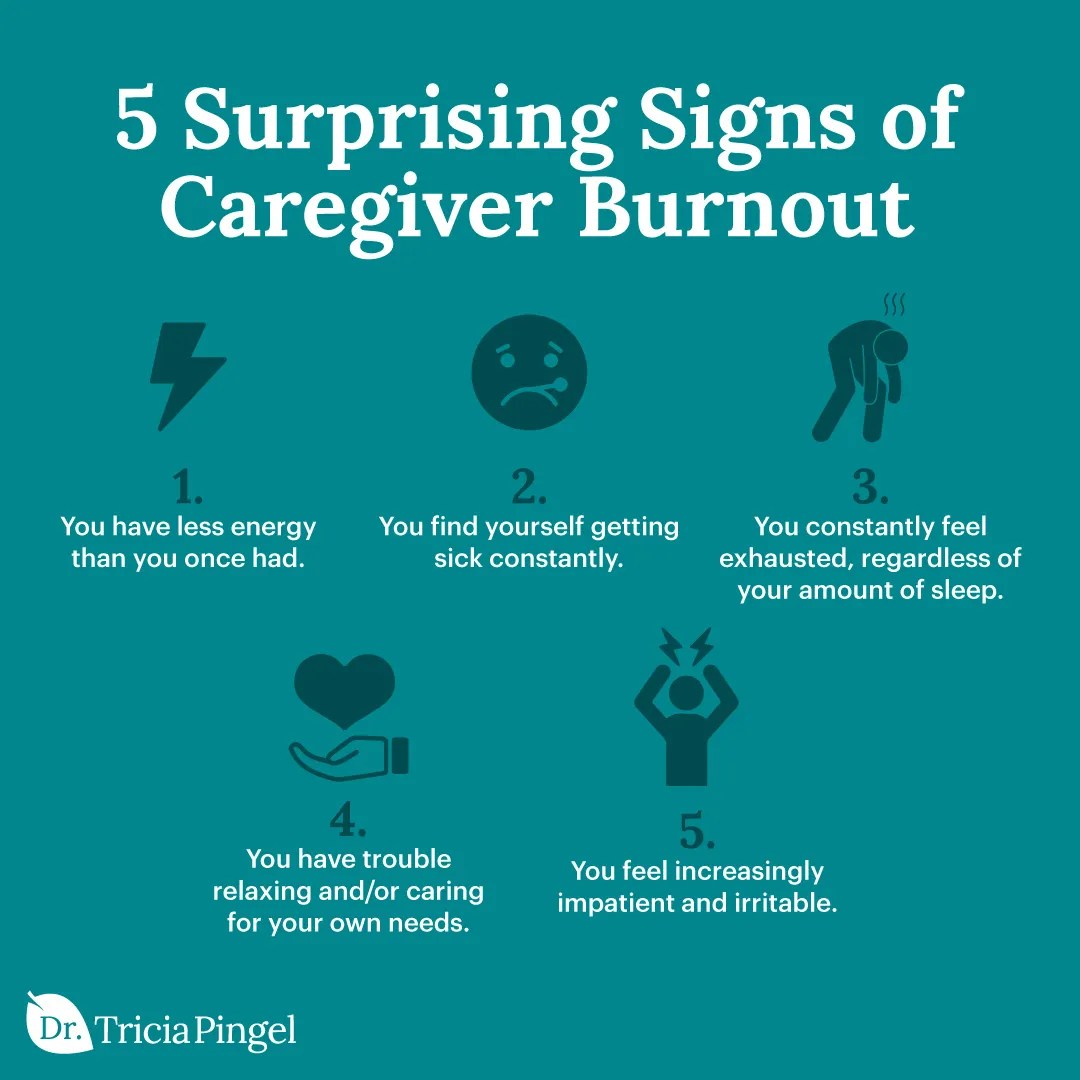
Are you a caretaker who is experiencing an overload of stress due to the emotional and physical strain of care giving? Do you feel like you are experiencing caregiver syndrome, a state of emotional, mental, or physical exhaustion that can affect the ability to give care? There are a few signs if you are experiencing caregiver stress which includes:

  • Feeling overwhelmed / constantly worried / tired too often
  • Getting too much or not enough sleep
  • Gaining/ losing weight
  • Losing interest in activities you used to enjoy
  • Becoming easily irritated or angry
  • Having frequent headaches, bodily pain or other physical problems
  • abusing alcohol or drugs, including prescription medications

The extent of the care should not discourage you if you feel this should be “easy work”. There is no fixed solution to this feeling of stress but there are treatment options available including:

  • Accept Help
  • Focus on what you are able to provide
  • Set realistic goals
  • Get Connected
  • Join a Support Group
  • See your doctor/ seek therapist

Care giving can be rewarding as well as overwhelming. Due to stress being centered on being a care giver, there tends to be a lack of care provided for the care givers. Do not feel you should not be accepting help while trying to provide help. Any individual must care for themselves before caring for a loved one. As the stress becomes continuous it can cause physical and mental health problems for the care giver.

If you or someone you know is struggling with caregiver stress contact our psychotherapy offices in New York or New Jersey to talk to one of our licensed professional psychologists, psychiatrics, psychiatric nurse practitioners, or psychotherapists at Arista Psychotherapy & Psychatric Services. Contact our Manhattan, NY or Paramus, NJ offices respectively at (201) 368-3700 or (212) 722- 1920 to set up an appointment. For more information please visit https://counselingpsychotherapynjny.com

References: https://www.mayoclinic.org/healthy-lifestyle/stress-management/in-depth/caregiver-stress/art-20044784

Communication in romantic relationships: Healthy communication and its importance

Communication in romantic relationships: Healthy communication and its importance

By: Anna Giammanco

Communication is key to maintaining a stable and healthy relationship. Whether romantic or platonic, open communication can help deal with conflict by vocalizing issues and concerns within a relationship. Working through obstacles can create a stronger relationship.

Tips for healthy communication:

  • Be clear and concise about what you want to communicate. Make sure your partner understands what it is you are trying to communicate and doesn’t misconstrue your words.
  • Talk about the situation and how it has been affecting you.
  • Use ‘I’ statements such as “I feel …” “I need …” “I want …”
  • Accept responsibility for your own actions, feelings, and mistakes.
  • Listen to what your partner has to say and put aside your own thoughts for the time being to completely hear them out.
  • Share positive feelings with your partner. Let them know that they are appreciated and important to you.
  • Be aware of your tone of voice.
  • Negotiate and try to compromise on the issue.

If you or someone you know needs help please contact our psychotherapy offices in New York or New Jersey to talk to one of our licensed professional psychologists, psychiatrists, psychiatric nurse practitioners, or psychotherapists at Arista Psychotherapy & Psychiatric Services. Contact our Manhattan, NY or Paramus, NJ offices respectively at (201)368-3700 or (212) 722- 1920 to set up an appointment. For more information, please visit https://counselingpsychotherapynjny.com

References: https://www.betterhealth.vic.gov.au/health/healthyliving/relationships-and-communication