Mental Health Stigma: Myths

Mental Health Stigma: Myths

By Toniann Seals

When you hear that someone has mental health issues there are a few myths that may come to mind. Below are a few common myths and why they are not true.

1. MYTH: “People with mental health problems are dangerous.”

  • Mental health problems do not imply danger. Most people are battling something internally and do not have any signs of being a danger to themselves or others.

2. MYTH: “People with mental health problems are unstable.”

  • Many people with mental health problems are high functioning and can control their emotions. They can make their own well thought out choices.

3. MYTH: “People with mental health problems are unsuccessful in their daily lives.”

  • Many people with mental health problems are able to perform daily tasks such as working and having hobbies. They can be CEOs of companies, thrive in their careers and make important decisions.

4. MYTH: “People with mental health problems are lazy.”

  • Sometimes daily tasks do get hard for some, but mental illness has nothing to do with laziness. There are many factors that go into these illnesses as well as reasons why some people cannot function as productively as usual.

5. MYTH: “There is no hope for someone with mental health problems.”

  • Many people go to therapy for treatment and work toward recovery.

Before you are quick to judge someone because of their actions or labeled illness, think more in depth about what they are doing and who they are as a person. Just because you hear something that generalizes a group of people, it does not mean it is true.

If you or someone you know is suffering from a mental health problem speak with one of our licensed professional psychologists, psychiatrists, psychiatric nurse practitioners, and psychotherapists. Contact us at our Paramus, NJ or Manhattan, NY offices at (201) 368-3700 or (212) 722-1920 respectively to set up an appointment. For more information, visit http://www.counselingpsychotherapynjny.com/.

Sources:

https://www.mentalhealth.gov/basics/mental-health-myths-facts

(Image) https://smallbizclub.com/startup/creating-a-plan/10-myths-vs-reality-business-plans-startup-investment/

PTSD: Trauma

PTSD: Trauma

By: Elizabeth Lynch

                   Every day you unknowingly pass by, interact with, or speak to someone who is suffering from PTSD. In the US alone 70% of adults experience some kind of trauma throughout their life; 20% of them will develop PTSD from the events they faced. While PTSD is known to develop more frequently in women than in men this mental illness does not discriminate across gender, race, sexual orientation, social status, or age. This is what many people don’t realize about PTSD. It doesn’t just affect those who go off to war. It can affect anyone who experienced a major trauma.

Experiencing the following could lead to the development of PTSD:

  1.        Sexual Assault or Rape
  2.        Severe beating or physical assault
  3.        Serious accident or injury (car or train accident)
  4.        Being a victim of or witnessing a shooting or stabbing
  5.        Sudden, unexpected death of a family member or friend
  6.        Child’s life-threatening illness which can affect both child and parents
  7.        Witness to murder or serious injury
  8.        Natural disasters

Look for the signs:

       Behavioral

  • Irritability
  • Social Isolation
  • Self-Destructive Behavior
  • Hyper-vigilance
  • Easily Startled

       Psychological

  • Flashbacks
  • Mistrust
  • Avoidance of places, people, or things that serve as a reminder of trauma
  • Difficulty Remembering

       Sleep

  • Frequently Disturbed
  • Nightmares/Terrors
  • Insomnia
  • Bed wetting

       Mood

  • Guilt
  • Loneliness
  • Loss of interest
  • Hopelessness
  • Fear
  • Tension/ Anxiety

If you or a loved one appears to be suffering from post-traumatic stress disorder, the licensed psychologists, psychiatrists, psychiatric nurse practitioners, and psychotherapists at Arista Counseling & Psychotherapy can assist you. Contact our Paramus, NJ or Manhattan, NY offices respectively, at (201) 368-3700 or (212) 722-1920 to set up an appointment. For more information, visit http://www.counselingpsychotherapynjny.com/

Depression: Burning Out

Depression: Burning Out

By Toniann Seals

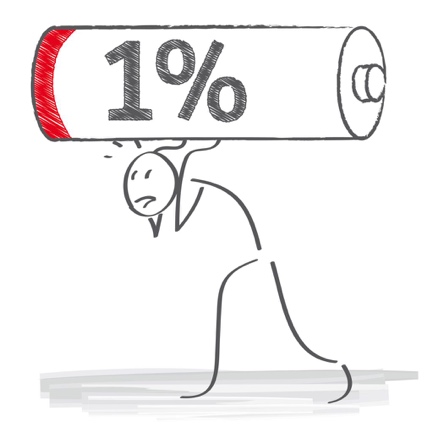
While living in a face paced society burn out is typically inevitable. Maybe you have a stressful job, heavy course load at school or personal/family issues going on. These problems you may face in your lifetime could bring excessive stress and lead to burn out.

Signs of Burn Out:

  • Excessive or too little sleep
  • Not making time for your hobbies
  • Dreading the next day/negative thoughts
  • Overworking

After burn out occurs many people find themselves stuck at a standstill. They are not able to move forward in their work or complete simple daily tasks. Once you notice the signs above, take action immediately to help yourself.

Effects:

  • Lowered Self Esteem
  • Less productivity
  • Feelings of not being enough
  • Lack of happiness

If you or someone you know is suffering from burn out speak with one of our licensed professional psychologists, psychiatrists, psychiatric nurse practitioners, and psychotherapists. Contact us at our Paramus, NJ or Manhattan, NY offices at (201) 368-3700 or (212) 722-1920 respectively to set up an appointment. For more information, visit http://www.counselingpsychotherapynjny.com/.

Image:

http://www.gotoppm.com/stress-burnout-and-saying-no/

Depression: Different Manifestations

By Zuzanna Myszko

Even though depression is seen as a single disorder, it can be characterized by a myriad of different symptoms. Two people who have both been diagnosed with depression may display completely contrasting feelings and behavior. In response, psychologists must attempt to tailor treatments to properly deal with the patient’s particular manifestation of depression.

People with depression are usually described as experiencing:

  • Sadness
  • Worthlessness
  • Fatigue

However, someone might outwardly display signs of aggression and anxiety while experiencing depression, which changes his or her therapeutic needs. Additionally, this brings up the issue of proper diagnosis. Clinicians must utilize interviews and standardized tests in order to determine the kind of symptoms the patient is experiencing, how many symptoms he or she has, and how long they have been present. These assessments also help the clinician see the extent to which the symptoms are impeding the patient’s day-to-day functioning, which is very important for treatment.

Some forms of diagnosis include:

  • DSM-5
  • Hamilton Depression Rating Scale (HAM-D)
  • Patient Health Questionnaire-9 (PHQ-9)

Tracking symptoms becomes important for the clinician to be able to accurately treat the patient. Usually, it becomes a process of trial and error, especially if medication is involved. However, the more accurate the tracking, the more pinpointed the treatment is because symptoms can be tackled individually. Neuroscientists and other mental health researchers are continuing to attempt to determine the underlying biochemistry of depression in order to eliminate some of the trial and error in treatment.


If you or someone you know is experiencing depression or depressive symptoms, speak with one of our licensed professional psychologists, psychiatrists, psychiatric nurse practitioners, and psychotherapists. Contact us at our Paramus, NJ or Manhattan, NY offices at (201) 368-3700 or (212) 722-1920 respectively to set up an appointment. For more information, visit http://www.counselingpsychotherapynjny.com/.

Image: https://clemencebodin.wordpress.com/

Source: https://www.psychologytoday.com/us/blog/7-billion-brains/201901/your-individual-depression

Alcohol Abuse: College Students

Alcohol Abuse: College Students

By Toniann Seals

For many, college is the first time in one’s young adult life that they are away from their families and on their own. Without direct supervision they begin to experiment, especially with alcohol. Unfortunately, some find themselves victims of alcohol abuse and have a hard time fighting the addiction.

Identifying Alcohol Abuse:

  • Missing important assignments, classes or meetings because of alcohol
  • Vomiting each time you drink alcohol
  • Not able to control the amount you drink
  • Drinking before or during class/work
  • Constant feeling of regret after a night out of drinking
  • Inability to control your behaviors while under the influence
  • Binge Drinking

Some may claim that they are just trying to have “fun” in college, however being a college student does not make a person immune to the detrimental side effects of alcohol abuse.

According to the NIAAA, “Approximately 2 out of every 5 college students of all ages (more than 40 percent) reported binge drinking at least once in the 2 weeks prior.” Drinking too much alcohol in a short period of time can lead to health problems, injury and even death. Fitting in is not worth what could potentially happen to you. If you are drinking because of stress, a traumatic experience or bad breakup, professional help could be very beneficial.

If you or someone you know is dealing with alcohol abuse speak with one of our licensed professional psychologists, psychiatrists, psychiatric nurse practitioners, and psychotherapists. Contact us at our Paramus, NJ or Manhattan, NY offices at (201) 368-3700 or (212) 722-1920 respectively to set up an appointment. For more information, visit http://www.counselingpsychotherapynjny.com/.

Sources:

https://www.addictioncenter.com/alcohol/binge-drinking/

(Image) http://allaboutaddiction.com/addiction/college-students-binge-drinking/

Relationships: Preventing Intensification of Arguments

By Zuzanna Myszko

It is not unusual to enter into arguments with one’s partner. In fact, even the most satisfied couples have an “unsolvable” problem and more than one “solvable” issue. In order to prevent arguments about these problems from escalating, the members of the couple must communicate effectively. Effective communication skills are especially important for people in romantic relationships because emotional escalation happens more rapidly in those relationships than in others. Also, once escalation begins, it is extremely difficult to regain control over one’s emotions.

Two skills that are worthwhile to develop in terms of relationship conflicts are:

  1. Use empathic responses.
  2. Use self-calming techniques.

Practicing empathic responses keeps heated emotions from intensifying. Empathic responses are important because they force the members of the couple to see the situation from the other’s perspective. This allows for more feelings of understanding and less defensive statements that might further hurt the other person.

Additionally, the development of self-calming skills allows for de-escalation. Self-calming techniques include taking time away from the discussion, “conscious breathing, positive self-talk, and self-compassion.” When one is able to keep anger at bay, he or she can approach the situation rationally. This results in the couple being able to focus on working toward a solution to the problem, rather than becoming defensive and angry.

In the end, when approaching an issue with a partner, it is important to remember that all people share the same emotional needs in romantic partnerships.

If you or someone you know is experiencing relationship troubles speak with one of our licensed professional psychologists, psychiatrists, psychiatric nurse practitioners, and psychotherapists. Contact us at our Paramus, NJ or Manhattan, NY offices at (201) 368-3700 or (212) 722-1920 respectively to set up an appointment. For more information, visit http://www.counselingpsychotherapynjny.com/.

Image: https://www.pexels.com/photo/woman-and-man-sitting-on-brown-wooden-bench-984949/

Source: https://www.psychologytoday.com/us/blog/in-it-together/201901/how-avoid-escalation-couple-conflicts


Suicide: Fighting Suicidal Thoughts

By: Sally Santos

If you are someone who is suffering with suicidal thoughts, you should be aware that most people that have attempted to commit suicide but did not succeed feel relieved that they did not succeed in ending their life. When things get tough sometimes your mind starts racing and you feel overwhelmed with emotions. Suicide doesn’t just happen on its own, it is led by many social risk factors some of them being:

  • Gender
  • Age
  • Marital status
  • Employment status
  • Lack of social support

Many people who have attempted to commit suicide will say that they were experiencing very intense feelings of hopelessness. They felt like they had lost control of their lives and that nothing is going to get better. But that is not true. In that moment it may feel hopeless but there are ways to help you feel better. You do not have to feel like you have to fight your battles alone. In order to steer away from those thoughts it is important to keep in mind a plan just in case your thoughts become too overwhelming. It is recommended to make a list of all the positive things that you have in your life such as:

  • Read a favorite book or listen to your favorite music
  • Write down positive things about yourself or the favorite aspects of your life
  • Try to get a goodnights sleep
  • Have a list of people you trust to call in case you want to talk

Always note that you can discuss how you have been feeling with a healthcare provider. They can provide you with the advice and help that you need in order to achieve a faster and healthy recovery. Lastly, as mentioned in an article in Psychology Today it’s important to “remember that you have not always felt this way and that you will not always feel this way”. The emotions and thoughts that you have now are temporary not permanent.

Article: https://www.psychologytoday.com/us/blog/hide-and-seek/201204/fighting-suicidal-thoughts

Image: https://www.teepublic.com/sticker/1813639-suicide-prevention-awareness-butterfly-ribbon

If you or someone you know is thinking about suicide, contact our psychotherapy offices in New York or New Jersey to talk to one of our licensed professional psychologists, psychiatrists, psychiatric nurse practitioners, and psychotherapists at Arista Counseling & Psychotherapy. Contact our Paramus, NJ or Manhattan, NY offices respectively, at (201) 368-3700 or (212) 722-1920 to set up an appointment. For more information, visit http://www.counselingpsychotherapynjny.com/.


Tourette Syndrome

By: Dianna Gomez

Tourette Syndrome is a type of tic disorder. A tic can be classified as an involuntary, repetitive movement or vocalization. Those diagnosed with this disorder will either suffer from vocal/phonic tics or motor tics. In general, vocal/phonic tics produce a sound. Examples of vocal/phonic tics include things such as sniffing, throat clearing, grunting, and shouting. Examples of more complex vocal/phonic tics include full words or phrases. These words or phrases are always out of context and may or may not be recognizable. In 10-15% of cases, words blurted out may be inappropriate such as curse words, ethnic slurs, or other words or phrases that are not viewed as socially acceptable.

Motor tics, generally, are movements. Examples of motor tics include eye blinking, shoulder shrugging, head jerking/bobbing, facial grimacing, etc. More complex motor tics include movements that involve multiple muscle groups at once. Examples of these movements are things such as hopping, jumping, twirling, etc.

While the exact cause of Tourette Syndrome is unknown, it has been confirmed that it is hereditary so genetics may play a role. There are, however, some treatment options that are available to help ease the symptoms. Medications for tics include Haloperidol, Pimozide, and Aripiprazole. Speech therapy is also another form of treatment for those with tics. Lastly, Deep Brain Stimulation (DBS) is another method of treatment for tics. DBS is a relatively new procedure that utilizes an implantable electrode to alter the activity of brain circuitry.

If you or someone you know is suffering from Tourette Syndrome, the licensed psychologists, psychiatrists, psychiatric nurse practitioners, and psychotherapists at Arista Counseling & Psychotherapy can help you. Contact our Paramus, NJ or Manhattan, NY offices respectively, at (201)-368-3700 or (212)-722-1920 to set up an appointment. For more information, visit us at https://www.counselingpsychotherapynjny.com/.

Sexual Assault: Why Survivors Don’t Come Forward Sooner

By Samantha Glosser

If you watch the news or are an avid social media consumer, you have probably heard about various claims of sexual assault against public and political figures, where the victim did not immediately come forward. We recently saw this with Dr. Christine Blasey Ford, who publicly accused U.S. Supreme Court nominee, Brett Kavanaugh, of sexually assaulting her as a teenager. Situations like Dr. Ford’s have opened up a discussion about one important question: why do survivors wait so long to report an assault? Research shows that it is a normal response for survivors of sexual assault to take time before reporting the assault, if they report at all. This may not make sense to you, as you are probably wondering why they wouldn’t want justice or revenge on their abuser. However, there are numerous reasons that compel survivors to prolong or withhold disclosing that they were sexually abused.

  1. Fear of being victimized a second time. Reporting a sexual assault often leads to new and added traumas from peers, family members, police officers, lawyers, etc. This feeling often comes from having to relive the experience or from people indicating that the victim caused the sexual assault by asking questions like, “What were you wearing at the time of the attack?”
  2. Lack of support. Lack of support is a multi-faceted issue. Survivors find it hard to report if they are not surrounded by loved ones who support them. However, even with this support, individuals still refrain from reporting because they know that our society has a tendency to blame the victim for the sexual assault. A lack of support can even come from other survivors of sexual assault. Typically, other survivors are seen as a source of comfort. However, some will dismiss another person’s assault with statements like, “What’s the big deal? It happens to all of us. Get over it.”
  3. Decline in functioning after the assault. Survivors of sexual assault experience intense feelings of shame, worthlessness, and self-loathing which can quickly bring on depression and anxiety. It is difficult for survivors to contemplate a course of action after the assault when they can barely figure out how to make it through the day. In the midst of these emotions, survivors want to forget and pretend that the assault did not occur.
  4. Vague memories of the attack. In some cases, victims of sexual assault were drugged by their abuser or previously inebriated. Both of these situations can lead to victims only having a vague memory of the attack. In addition, the trauma endured by some victims is so severe it causes them to dissociate, which also leads to vague memories. When individuals do not have a vivid recollection of the event, they may be scared to come forward because they fear others will not believe them, or in some cases because they do not believe their own memories.

If you or someone you know is a survivor of sexual assault, the licensed psychologists, psychiatrists, psychiatric nurse practitioners, and psychotherapists at Arista Counseling & Psychotherapy can assist you. Contact our Paramus, NJ or Manhattan, NY offices respectively, at (201) 368-3700 or (212) 722-1920 to set up an appointment. For more information, visit http://www.counselingpsychotherapynjny.com/.

Source: https://blogs.psychcentral.com/psychology-women/2018/10/6-big-reasons-women-dont-report-sexual-abuse-right-away/

Assertiveness and Anxiety: How Expressing Yourself Can Lead to a Happier Self

By: Sanjita Ekhelikar

“Communication is key” is a phrase we are all familiar with, yet many struggle with actually acting on it. The most effective form of communication is through assertiveness, which involves expressing one’s views in a straightforward manner, and in standing up for one’s needs while still being considerate of others. This differs from aggressiveness in that it does not involve being outwardly emotional or insulting to others, and differs from passivity in that the individual clearly states their feelings and desires. Being assertive involves open communication, which can be difficult to engage in, especially for people struggling with anxiety. However, through practicing and learning assertiveness, people with anxiety can actually feel less worry and more confident in themselves.

Anxiety describes the uncomfortable feelings of turmoil and dread that one might have in anticipation that results in physical sensations such as rapid heartbeat, sweating, and rumination. For many who struggle with anxiety, the thought of being assertive with others makes them anxious. They often worry that being assertive will come off as being mean, creating conflict, and being inconsiderate. Therefore, many choose passive communication, and never voice their views or feelings. This worsens their state of worry, as they are not properly understood by those around them and can easily be taken advantage of. They are often misunderstood which increases their worry. Others often take advantage of them because of their meek manner and visible anxiety.

Contrary to what those with anxiety believe, assertiveness can actually help them feel better. Often times, those with anxiety create situations in their mind about everything that will go wrong if they voice themselves to another person. However, such a form of open communication can create a better understanding between two people. It allows the person with anxiety to be properly understood, to dispel the fearful thoughts in their head, and become more confident in themselves and their views.

How can people with anxiety begin working towards being more assertive? By stating their views using “I,” individuals can avoid putting blame on others by expressing their own opinions. In addition, reminding themselves that their fears are not rational and that it is their anxiety talking to them can help them become increasingly comfortable with being assertive. Finally, practice makes perfect – keep trying and speak up!

If you or someone you know is suffering from anxiety, please contact our psychotherapy offices in New York or New Jersey to talk to one of our licensed professional psychologists, psychiatrists, psychiatric nurse practitioners, or psychotherapists at Arista Counseling & Psychotherapy. Contact our Paramus, NJ or Manhattan, NY offices respectively, at (201) 368-3700 or (212) 722-1920 to set up an appointment. For more information, please visit http://www.counselingpsychotherapynjny.com/.