Body Image: Body Dysmorphic Disorder Treatment

By Samantha Glosser

Body dysmorphic disorder, sometimes referred to as body dysmorphia or BDD, is a mental disorder characterized by preoccupation with imagined or markedly exaggerated imperfections or defects in one’s physical appearance. Those suffering from body dysmorphic disorder spend a significant amount of time every day obsessing over their appearance and engaging in repetitive compulsive behaviors in an attempt to avoid anxiety, distress, and hide their imperfections. Signs and symptoms include constantly checking one’s appearance, excessive grooming, over-exercising, picking skin, pulling hair, using makeup or clothing to camouflage one’s appearance, or even getting plastic surgery. Body dysmorphic disorder leads to significant impairment in daily functioning and quality of life. However, there are treatment options available.

Cognitive-behavioral therapy (CBT). CBT is short-term, goal-oriented therapy. In body dysmorphic disorder, CBT is used to decrease compulsive behaviors and the negative thoughts about one’s appearance. This is achieved through techniques such as cognitive restructuring and mind reading. Cognitive restructuring teaches the patient to challenge irrational thoughts about their bodies and replace them with more realistic and adaptive thoughts. In addition to their own negative thoughts, individuals diagnosed with body dysmorphic disorder also believe others hold the same negative thoughts about them. Mind reading allows patients to understand that other people do not share these thoughts about them and provides realistic alternatives. For example, that person staring at them at the mall was probably admiring their outfit. Another frequently used technique is exposure therapy. This requires patients to create a hierarchy of anxiety-provoking situations which they are then exposed to in order to overcome anxiety and distress.

Psychiatric medications. Research has also shown that antidepressant medications are an effective treatment for body dysmorphic disorder, specifically selective serotonin reuptake inhibitors (SSRI’s). SSRI’s that are commonly used for the treatment of body dysmorphic disorder include Lexapro, Prozac, Paxil, and Zoloft, among others. SSRI’s help to reduce obsessional thinking, compulsive behaviors, and depression, a common comorbid disorder among individuals diagnosed with body dysmorphic disorder.

If you or someone you know appears to be suffering from body dysmorphic disorder, or other problems associated with negative body image, the licensed psychologists, psychiatrists, psychiatric nurse practitioners, and psychotherapists at Arista Counseling & Psychotherapy can assist you. Contact our Paramus, NJ or Manhattan, NY offices respectively, at (201) 368-3700 or (212) 722-1920 to set up an appointment. For more information, visit http://www.counselingpsychotherapynjny.com/


Source: Tartakovsky, M. (2016, July 17). Demystifying treatment for body dysmorphic disorder. Retrieved from https://psychcentral.com/lib/demystifying-treatment-for-body-dysmorphic-disorder/

Mental Illness Stigma Still Exists

By: Gisela Serrano

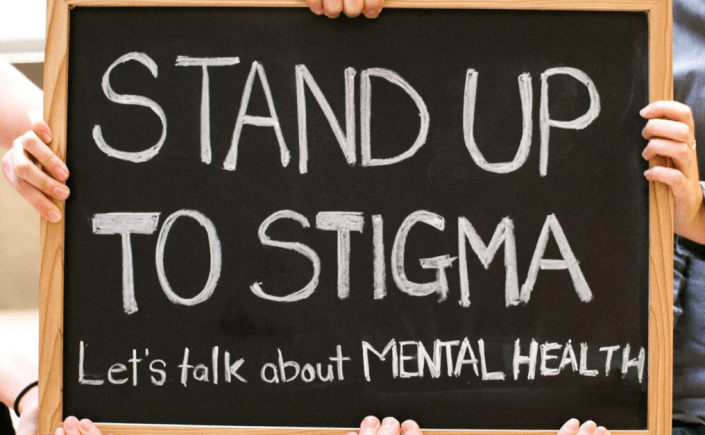
The sad reality is that a stigma on mental illness still exists, although we’d like to think that it has been minimized significantly. There are several people with a voice, including celebrities, who advocate and speak on the importance of mental health; some even give light to their own mental health issues. However, stigma on mental health illnesses is still very much alive today and can prevent many people from seeking professional help, which can be beneficial to them. Ignorance and a lack of education also play a major role in preventing people from reaching out for the help they need. People who are uneducated may not be familiar with the options they have when seeking professional providers and thus limit themselves the access of qualified providers who have more clinical experience and expertise. For this reason, they consult professionals who may not necessarily specialize in the condition from which they are suffering from. People with low income may also not be able to afford high quality care. As a result of these factors, many people usually shy away from searching for help as they unfortunately feel shame and embarrassment.

Overall, many people fear that they would be the subject of criticism, lose friendships and relationships, and lose their jobs if they were to confide in someone about their mental health state. According to David B. Feldman Ph.D., in his post “The Tragedy of Mental Illness Stigma” on Psychology Today, “in half of U.S. states, admitting to a history of mental illness can lead to loss of a driver’s license, inability to serve on a jury or run for office, or even potentially loss of custody of a child.” It makes absolute sense why some people would be hesitant about speaking out or seeking the help they need. The bottom line here is: there is nothing wrong with accepting that you need help – whatever your situation or problem may be. Recognizing that you need help is the first healthy step you can take to achieving mental health and overall taking care of yourself. Stop waiting decades to search for help or receive care. Many mental health illnesses are treatable and for good reasons should not be put off. Talking to your friends and family is also an important step you should consider taking as it can provide you the strong moral support system you need. The sooner you learn to avoid and disregard mental illness stigma, the quicker you can be on the road to recovery.


Alcohol Use Disorder

By Samantha Glosser

Alcohol use disorder, more commonly known as alcoholism, is a pattern of alcohol use that results in impairment and distress in your daily life. Short term effects of alcohol use disorder include memory loss, hangovers, and blackouts. However, the long term effects are much more serious and include the following: stomach ailments, heart problems, brain damage, memory loss, liver cirrhosis, and cancer. Alcohol use disorder is also linked to increased chances of dying from automobile accidents, homicide and suicide, as well as increased rates of unemployment, domestic violence, and legal problems.

Cravings for alcohol, drinking in spite of it causing personal problems, an inability to stop drinking, and building up a tolerance to alcohol are common symptoms of alcohol use disorder. Alcohol use disorder can be diagnosed if two or more of the following are present in a twelve-month period (the severity of addiction is based on how many symptoms are present):

  • Drinking more or for a longer period than intended.
  • Feeling the need or trying to cut back on drinking.
  • Spending a lot of time drinking and recovering from the short-term effects of drinking.
  • Craving the use of alcohol.
  • Failing to perform responsibilities due to drinking.
  • Continuing to use alcohol even though it is creating relationship problems.
  • Ceasing participation in important activities to drink more.
  • Drinking before or during potentially dangerous activities (such as driving).
  • Continuing drinking despite its relation to physical and mental health conditions.
  • Developing a tolerance for alcohol.
  • Experiencing withdraw symptoms when reducing or stopping alcohol intake.

There are numerous treatment options available to individuals struggling with alcohol use disorder, such as detoxification, Alcoholics Anonymous (AA), inpatient/outpatient treatment programs, and medication. There are also different methods to recovery, such as abstinence (completely quitting) or just cutting down on alcohol intake. Finding the right treatment options depends on the individual, which is why it is recommended to seek guidance from a trained professional.

If you or someone you know appears to be suffering from alcohol use disorder, the licensed psychologists, psychiatrists, psychiatric nurse practitioners, and psychotherapists at Arista Counseling & Psychotherapy can assist you. Contact our Paramus, NJ or Manhattan, NY offices respectively, at (201) 368-3700 or (212) 722-1920 to set up an appointment. For more information, visit http://www.counselingpsychotherapynjny.com/

Source: Alcohol Use Disorder. (n.d.). Retrieved from https://www.psychologytoday.com/us/conditions/alcohol-use-disorder

Depression: Can it be Effectively Treated in Adolescents without Medication?

By Samantha Glosser

Although antidepressant medications are typically seen as the first course of treatment for adolescents diagnosed with depression, many families do not want their kids to begin taking medication. This could be because of personal values and beliefs or because they cannot afford medication. In addition, almost half of all adolescents who begin treatment with medications eventually discontinue use due to the side effects or because they feel that it is not benefiting them enough. If you decide that medication isn’t right for your child, there are other options that are effective. One clinically proven method used to treat depression in adolescents is cognitive-behavioral therapy (CBT).

CBT is a short-term, goal-orientated therapy that focuses on changing patterns of thinking and behaviors that contribute to the patient’s issues. For example, your teenager may feel depressed because they are distorting the importance of certain events. This could start as simply getting a D on their final. However, their thoughts soon begin to spiral, and they begin to think that with this D on their transcript they will never be able to get into college or get a good job. CBT works by challenging this maladaptive thought pattern and teaches patients to replace these thoughts and consider alternative viewpoints. Recent studies have shown that CBT can be just as effective in treating depression as antidepressant medications and will lead to increased moods in adolescents. If you and your child have come to the decision that medication is not right for them, cognitive-behavioral therapy is an effective treatment plan that just might be the right fit for your needs.

If you or someone you know appears to be suffering from attention-deficit/hyperactivity disorder (ADHD), licensed psychologists, psychiatrists, psychiatric nurse practitioners, and psychotherapists at Arista Counseling & Psychotherapy can assist you. Contact our Paramus, NJ or Manhattan, NY offices respectively, at (201) 368-3700 or (212) 722-1920 to set up an appointment. For more information, please visit http://www.counselingpsychotherapynjny.com/.

Martin, B. (2018, April 04). In-Depth: Cognitive Behavioral Therapy. Retrieved from https://psychcentral.com/lib/in-depth-cognitive-behavioral-therapy/?li_source=LI&li_medium=popular17.

Wood, J. (2018, January 21). For Teens, CBT in Primary Care Can Be Cost-Effective Versus Meds. Retrieved from https://psychcentral.com/news/2018/01/20/cognitive-behavioral-therapy-cost-effective-for-teens-who-decline-antidepressants/131463.html.

Isolation vs. Loneliness: How They Both Affect Your Mental Health

By Stephanie Osuba

People are constantly throwing around the terms introvert or extrovert to describe their personalities. For example, a common thing for an introvert to do would be to cancel plans and spend the night alone, and chalk it up to being an introvert. Not that there is anything wrong with some people thriving without the company of others or needing some time to recharge alone. However, when does isolation become dangerous for your mental health? How often is it okay? And how is it related to feelings of loneliness?

The difference between isolation and loneliness is a physical one. To isolate yourself would be to physically separate yourself from the company of other people, intentionally or not. Loneliness is the internal feeling of being alone. That’s why when people are isolated, they don’t necessarily feel alone and in the same way, people who are constantly surrounded by others, like celebrities, can feel incredibly lonely. A recent study in the journal Health Psychology has found a relationship between isolation and loneliness: when one is more physically isolated, it produces more feelings of loneliness and vice versa. Both of these finding have been related to a higher risk of depression and mortality.

Tips on how to enjoy your “me time,” and also protect your mental health:

  • Set a Time Frame: How many times do you want to socialize a week? Or a month? Everyone’s answer to this is different, but try to stick to your number. It’s important to know what your social boundaries are, but also not to fall into a pattern of isolation.
  • Talk to Your Closest Friends: Your friends can often be the people who help you navigate social situations and hold you to social commitments. They are also the people that won’t overstep your social boundaries and to whom you can talk about anything with.
  • Volunteer or Join Clubs: Get out in the community and get to know the people in your neighborhood. Volunteer for a cause you believe in or join a local club that tailors to your interests. It’s a great way to meet new people and can help fill your “social quota” for the month.

If you or someone you know is experiencing mental health issues due to isolation or loneliness, please contact our psychotherapy offices in New York or New Jersey to talk to one of our licensed professional psychologists, psychiatrists, psychiatric nurse practitioners, or psychotherapists at Arista Counseling & Psychotherapy. Contact our Paramus, NJ or Manhattan, NY offices respectively, at (201) 368-3700 or (212) 722-1920 to set up an appointment. For more information, please visit http://www.counselingpsychotherapynjny.com/.

Source: Plata, M., Psy D. (2018, August 29). When Isolating Yourself Becomes Dangerous. Retrieved from https://www.psychologytoday.com/us/blog/the-gen-y-psy/201808/when-isolating-yourself-becomes-dangerous.

ADHD: How Medication Helps Your Children

By Samantha Glosser

Stimulant drugs, such as Adderall and Ritalin, have been used for numerous years as the frontline treatment of attention-deficit/hyperactivity disorder (ADHD) in children. ADHD is a disorder characterized by the following symptoms: inattentiveness, distractibility, hyperactivity, and impulsivity. The five to seven percent of children diagnosed with ADHD have difficulty concentrating, become disruptive and defiant, and have a hard time getting along with family members, peers, and teachers. These behaviors are clinically proven to improve with the use of stimulant drugs.

Treatment with stimulant drugs can improve classroom performance and behavior in children diagnosed with ADHD. But how does the medication do this? The medication works by targeting and improving specific cognitive processes, such as working memory, which is your ability to hold and manipulate information in your mind. Stimulants help kids store more information in their working memory, while also helping them to inhibit negative behaviors (i.e., raising their hand when they know the answer instead of shouting it out). Improvement of these cognitive processes also helps to increase attention span, which allows kids to stay on task for longer periods of time. If you believe medication is not the best option for your child, behavioral treatment and parent training can also be beneficial in improving these cognitive processes. Children can be trained to improve their self-control and sustain concentration.

If you or someone you know appears to be suffering from attention-deficit/hyperactivity disorder (ADHD), licensed psychologists, psychiatrists, psychiatric nurse practitioners, and psychotherapists at Arista Counseling & Psychotherapy can assist you. Contact our Paramus, NJ or Manhattan, NY offices respectively, at (201) 368-3700 or (212) 722-1920 to set up an appointment. For more information, visit http://www.counselingpsychotherapynjny.com/.

Nauret, R. (2018, July 31). Study Probes How ADHD Meds Improve Cognition & Behavior in Kids. Retrieved from https://psychcentral.com/news/2018/07/31/study-probes-how-adhd-meds-improve-cognition-behavior-in-kids/137456.html

ADHD. (n.d.). Retrieved from https://www.psychologytoday.com/us/basics/adhd

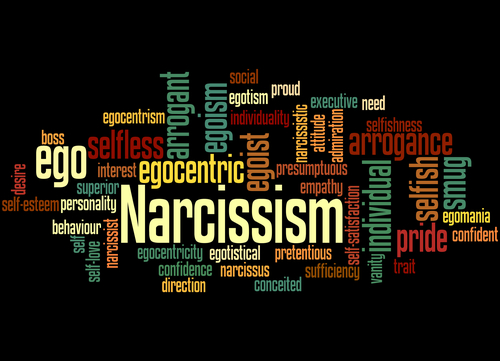
Narcissism: 5 Major Signs You’re Missing

By Stephanie Osuba

According to PsychCentral.com, there are a few trademark signs of a narcissist that are pretty hard to miss. They all think the world revolves around them and are very much preoccupied with themselves, their preferences, needs, success, and, most importantly, how they are viewed by other people. Even more important still, their aesthetics.

Narcissism usually stems from a major attachment dysfunction, whether from parents or primary caregiver, and that dysfunction is attributed to a major emotional trauma or a culmination of repeated trauma or neglect. This separation or attachment trauma stunts emotional capacity and maturity, usually from an age of adolescence. Because the emotional pain is too much to bare, the child than creates a false persona in order to cope and have the world perceive them to be better off than they actually are. On the other hand, narcissism can also be attributed to overindulgence from parents when their child does the bare minimum.

Here are 5 major signs a narcissist exhibits:

  1. False Humility: A narcissist may put him or herself down on purpose and bait you into complimenting them. They are attention-seeking and have a need for their ego to be stroked constantly.
  2. Lack of Empathy: Because they are only interested in fulfilling their own agendas, narcissists often see people as things to be used. Once you have given them what they wanted, emotionally or physically, they discard you and don’t feel guilty about it. Narcissists are selfish and their relationships are very much one-sided as they are expecting of others to constantly serve them and give nothing in return.
  3. Immature Responses: Narcissists are extremely reactive and highly sensitive people. The slightest criticism can be perceived as the highest of offenses. They blow perceived or actual threats out of proportion and often blame others for their reactivity. Narcissists will also often become passive-aggressive when dealing with a situation that angers them or engage in childish bullying.
  4. Simplification of Other’s Needs: In short, narcissists don’t care about your problems, only their own. They will find a way to minimize any situation that isn’t worth their time in order to brush it off as stupid or useless. Belittling emotions and deflecting in order to blame others is also a common tactic.
  5. Inability to Listen: Narcissists will often give generic advice if forced to speak and not ask questions during a conversation in order to keep dialogue to a minimum. They don’t care about your emotions or what you have to say unless it benefits them.

If either you or anybody you know may be suffering from narcissistic personality disorder, the licensed psychologists, psychiatrists, psychiatric nurse practitioners, and psychotherapists at Arista Counseling & Psychotherapy can help you. Contact our Paramus, NJ or Manhattan, NY offices respectively, at (201)-368-3700 or (212)-722-1920 to set up an appointment. For more information, visit us at https://www.counselingpsychotherapynjny.com/.

Source: Bogdanos, M. (2017, July 11). 5 Signs of Covert Narcissism. Retrieved from https://psychcentral.com/blog/5-signs-of-covert-narcissism/

Suicide and Mental Health Issues in College Students

By Samantha Glosser

Many students expect their college years to be the best years of their lives. They will achieve great academic successes, make life-long friends, go to the best parties, and enjoy living away from their parents. This idea is emphasized all around us in movies, TV shows, and social media posts. However, this is a glorified image of college that may not be the case for all students. In fact, according to a recent study by the American College Health Association, about 1 in every 11 college students have attempted suicide; 1 in 5 students has considered suicide and 1 in 5 students engage in self-harm.

How could these statistics be true when students are told that they are living in the best years of their lives? As it turns out, the college years are filled with numerous different stressors. These stressors include academic and career difficulties, intimate relationships, finances, personal and family health problems, issues with personal appearance, and death of family members and friends, just to name a few. 3 out of every 4 college students have experienced at least one of these stressors within the last year. These stressors are highly associated with mental health diagnoses, self-harm, and suicidality. The societal pressure that college should be the best years of your life can also be contributing to these statistics. If a student feels alone or thinks that no one else is experiencing similar feelings, it can push them closer towards self-harm and suicide.

If you or someone you know appears to be at immediate risk of suicide, please call the National Suicide Prevention Hotline at 1-800-273-8255. If you are not at immediate risk, but appear to be suffering from suicidal thoughts or other mental health issues, the licensed psychologists, psychiatrists, psychiatric nurse practitioners, and psychotherapists at Arista Counseling & Psychotherapy can assist you. Contact our Paramus, NJ or Manhattan, NY offices respectively, at (201) 368-3700 or (212) 722-1920 to set up an appointment. For more information, visit http://www.counselingpsychotherapynjny.com/

Source: https://psychcentral.com/news/2018/09/11/survey-1-in-5-college-students-stressed-considers-suicide/138516.html

Depression

By: Dianna Gomez

Similar to most mental health illnesses, depression does not discriminate. Depression doesn’t take into consideration what age, race, gender, sexual orientation, socioeconomic status or religion a person is. In fact, not only does depression affect both men AND women, it may be experienced differently by each group as well. In general, depression is more commonly found in women then it is found in men. When it comes to women specifically, the higher rates of depression have been linked to biological, hormonal, life cycle, and psychosocial factors. It has been shown that hormones directly affect emotions and mood through brain chemistry. A time when women are especially at risk is after giving birth when physical and hormonal changes, as well as new responsibilities for their new born baby can be overwhelming. Postpartum Depression can also occur in new mothers and must be attended to immediately. When speaking about their depression, women are more likely to describe their experiences as feelings of sadness, worthlessness, and/or guilt.

When men are depressed, they are more likely to describe their experiences as having feelings of fatigue, loss of interest in things once enjoyed, irritability, sleep issues, etc. In attempt to relieve themselves of their depression, men are more likely to bury themselves in their work and find ways to keep themselves preoccupied so they aren’t forced to confront their feelings head on. They may also participate in risky or reckless behaviors. Alcohol and substance use is another coping mechanism that men usually turn to. This is usually followed by episodes of anger and aggression.

Depression is one of the most common mental disorders in the United States. Despite this, there is still no known cause for this debilitating illness. That is why it is absolutely crucial that professional help is sought out.

If either you or someone you know may be suffering from depression, the licensed psychologists, psychiatrists, psychiatric nurse practitioners, and psychotherapists at Arista Counseling & Psychotherapy can help you. Contact our Paramus, NJ or Manhattan, NY offices respectively, at (201)-368-3700 or (212)-722-1920 to set up an appointment. For more information, visit us at https://www.counselingpsychotherapynjny.com/.

Social Anxiety and College: How to Cope This Semester

By Samantha Glosser

College is a stressful time for most students and it can quite often seem too difficult to cope with the pressures commonly found on college campuses. For someone with social anxiety, a disorder characterized by persistent fear of negative evaluation by others in social situations, this reality is all too real. They are faced with public speaking, graded class participation, and the anxiety of interacting with other students in clubs, organizations, and even at parties. And don’t forget the terror of meeting your new roommate! Being completely emerged in these situations makes it easy to feel like your social anxiety is inhibiting you in all aspects of your college life; however, this does not need to be the case.

There are plenty of things you can do to treat your social anxiety before it gets in the way of your college experience. For some, self-help techniques are useful. Participating in deep breathing exercises and positive self-talk are such techniques. Deep breathing helps to alleviate some of the physical symptoms of social anxiety, while positive self-talk can lessen the effect that anxiety has on negative thoughts. However, others benefit from psychotherapy, such as cognitive behavioral therapy, or medications (antidepressants) targeted for social anxiety. This treatment plan typically includes exposure therapy, which gradually places you in anxiety-provoking situations while simultaneously teaching you relaxation skills to cope with your anxiety. It can help you to understand the irrational basis of your worries. A combination of psychotherapy, medication, and at home self-help strategies are an effective way to prevent your social anxiety from taking over your college experience.

If you or someone you know appears to be suffering from social anxiety disorder, the licensed psychologists, psychiatrists, psychiatric nurse practitioners, and psychotherapists at Arista Counseling & Psychotherapy can assist you. Contact our Paramus, NJ or Manhattan, NY offices respectively, at (201) 368-3700 or (212) 722-1920 to set up an appointment. For more information, visit http://www.counselingpsychotherapynjny.com/