Narcissism

Narcissism 

Narcissism

By: Julia Keys

It is common in today’s world to call someone who is very clean “OCD”, or someone who is very active “ADHD”, or someone who is overly confident a “narcissist”.  What many people do not know is that narcissism is not an adjective to describe someone’s personality, but a real psychiatric diagnosis. The DSM IV identifies narcissism as a personality disorder. Personality disorders are characterized by a set of rigid traits, thoughts, and behaviors that are unhealthy and inflexible. Narcissistic personality disorder or (NPD) is characterized by an overinflated sense of self, preoccupation with personal success, and apathy for other’s emotions.

Signs of narcissistic personality disorder:

  • Grandiose sense of self-importance
  • Preoccupation with fantasies of success, power, brilliance, beauty.
  • Belief that one is unusually special or unique
  • Need for excessive admiration
  • Strong sense of entitlement
  • Exploitative of others
  • Lacks empathy
  • Is often envious of others or believes that others are envious of them
  • Frequent display of arrogant or haughty behavior

Although people with NPD display an arrogant and larger-than-life picture to the outside world, they can also suffer from low self-esteem internally. The constant need for approval and obsession with success can be stressful because in reality, one will never gain approval from everyone and one will never achieve everything they want.  Trouble with interpersonal relationships often results from the exploitative and apathetic behaviors that people with NPD believe will help them achieve their goals.

People with NPD can look like the perfect partner upon first meeting. They are often charismatic and appear to be very put together. However, being in a relationship with a person with NPD can be complicated and stressful. People with NPD lie frequently to get what they want, which can cause a breach of trust in a serious relationship. People with NPD rarely apologize because they lack the empathy to understand the point of view of their partners. Additionally, people with NPD think that they are perfect and will dismiss others who have opinions contrary to theirs. Although people with NPD can be extremely difficult to live with, they can still be a loved one that you care about.

If you or someone you love has narcissistic personality disorder and is struggling with the symptoms, please contact our psychotherapy offices in New York or New Jersey to talk to one of our licensed professional psychologists, psychiatrists, psychiatric nurse practitioners, or psychotherapists at Arista Counseling & Psychotherapy. Contact our Paramus, NJ or Manhattan, NY offices respectively, at (201) 368-3700 or (212) 722-1920 to set up an appointment. For more information, please visit http://www.counselingpsychotherapynjny.com/ 

Sources:

https://psychcentral.com/disorders/narcissistic-personality-disorder/

https://www.psychologytoday.com/us/blog/mind-games/201905/five-narcissistic-traits-harm-intimate-partner

Source for Picture:

https://www.google.com/search?biw=1391&bih=654&tbm=isch&sa=1&ei=UenvXLaCJeWJggeP6ZHYAw&q=narcissus+myth&oq=narcissus+&gs_l=img.1.1.0j0i67l3j0j0i67l2j0j0i67l2.620.620..2327…0.0..0.69.69.1……0….1..gws-wiz-img.eaqpLt3PV-c#imgrc=fUnycKFz1Mb7jM:&spf=1559226710308

Childhood Trauma: Effects on Adult Wellbeing

Childhood Trauma: Effects on Adult Wellbeing

Childhood Trauma: Effects on Adult Wellbeing

By: Julia Keys

The child brain grows and makes connections at a rapid rate and is extremely emotionally sensitive. Unfortunately, children that experience some sort of major trauma such as emotional, physical, or sexual abuse, neglect, war, poverty, or unsafe living conditions can be greatly negatively impacted later on in life.

Children who have parents that are for some reason unwilling or unable to provide the love and care they need oftentimes blame themselves for the lack of parental attention. In response to this lack of care, children may start to act in ways in which they feel would help the parents love them more. As the child grows up, they can become detached from their own needs because they are so focused on the love they receive from others.

Another effect of childhood trauma is victimhood thinking. Although a child may have been helpless when they were raised, self-victimization does not help an adult in the long run because it robs them of the self-empowerment they need to change their lives in the ways they desire.

Children growing up in environments where anger is expressed violently may begin to learn that anger is dangerous and therefore should be avoided. However, suppressing emotional expression is unhealthy and can cause individuals to be passive aggressive, which is an ineffective way to communicate. The most damaging effect of childhood trauma can have on an adult is the development of psychological disorders such as depression, anxiety, or post-traumatic stress disorder.

If you or someone you love is struggling with the effects of childhood trauma, please contact our psychotherapy offices in New York or New Jersey to talk to one of our licensed professional psychologists, psychiatrists, psychiatric nurse practitioners, or psychotherapists at Arista Counseling and Psychotherapy. Contact our Paramus, NJ or Manhattan, NY offices respectively, at (201) 368-3700 or (212) 722-1920 to set up an appointment. For more information, please visit http://www.counselingpsychotherapynjny.com/. 

Depression and Logotherapy

Depression and Logotherapy

Depression and Logotherapy

By: Julia Keys

The struggle to find the meaning of life is a classic human dilemma. One may be content with their every day activities such as going to work, spending time at home, or eating, but they might still wonder “what is my real purpose?”.  People with psychological disorders such as depression, anxiety, post-traumatic stress disorder, and substance and alcohol abuse disorders are especially prone to being plagued with this kind of existential anxiety. A study by Alimujiang, et al. (2019) found that a sense of purpose greatly improves one’s physical, mental, and emotional health as well as overall life satisfaction. There is a specific type of psychotherapy called logotherapy (logo being derived from the Greek word for meaning), that is designed to help individuals find their true purpose in life.

Logotherapy was developed by a psychologist named Victor Frankl in the 1950s. Frankl drew upon his experiences during the Holocaust to develop logotherapy. Frankl was one of the millions of people that suffered the horrors of concentration camps. While imprisoned, Frankl noticed that those who mentally and physically survived the camp, usually found meaning in their lives there. After the camps were liberated, Frankl resumed his work with neurology and psychology and subsequently developed logotherapy.

There are three main principles of logotherapy:

  • every person has a healthy core
  • internal resources are more helpful in therapy than external resources
  • while life offers you meaning or purpose, it is one’s responsibility to explore that meaning to become happy or fulfilled

Frankl suggests that there are three main ways to reap the benefits of life:

  • by creating a work or accomplishing some task
  • by experiencing something fully or loving someone fully
  • by adopting an attitude that is at peace with the unavoidable suffering life may present

Logotherapy is used to treat depression, anxiety, post-traumatic stress disorder, and substance and alcohol abuse. Logotherapy is a great choice for patients that want to find their own personal meaning of life. Focusing on one’s purpose in life can help people live their most fulfilling and happy lives.

If you or someone you know is struggling to find a meaning in life or is suffering from anxiety, PTSD, depression or substance or alcohol abuse issues, please contact our psychotherapy offices in New York or New Jersey to talk to one of our licensed professional psychologists, psychiatrists, psychiatric nurse practitioners, or psychotherapists at Arista Counseling & Psychotherapy. Contact our Paramus, NJ or Manhattan, NY offices respectively, at (201) 368-3700 or (212) 722-1920 to set up an appointment. For more information, please visit http://www.counselingpsychotherapynjny.com/ .


Sources:

https://www.goodtherapy.org/learn-about-therapy/types/logotherapy

https://www.psychologytoday.com/us/blog/flourish-and-thrive/201906/the-importance-having-sense-purpose

Source for Picture:

https://www.google.com/search?biw=1280&bih=610&tbm=isch&sa=1&ei=WcD3XMGcCaixggfh9LPQDQ&q=person+standing+under+the+milky+way&oq=person+standing+under+the+milky+way&gs_l=img.3…54323.63817..64673…6.0..0.99.2982.39……0….1..gws-wiz-img…….35i39j0j0i67j0i8i30j0i30.wKMqUIxiiq8#imgdii=qz4eZgN11zBgHM:&imgrc=QRGiH9Pd8HzBrM:

Stress: Types of Stress and What it’s All About

Stress: Types of Stress and What it’s All About

By Crystal Tsui

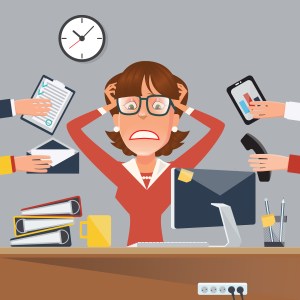
In our everyday lives, we deal with all different kinds of stress, whether it’s from danger, work, family, financial, or education. Here are some of the different types of stress:

  • Acute
  • Chronic
  • Eustress
  • Distress

Acute stress is our fight-or flight response where we are on high alert on our surroundings, usually lasting only 90 mins. Chronic stress is our daily stress that we typically deal with, such as bills, kids, and work. This is the kind of daily stress we tend to ignore. Eustress is our daily positive stress that motivates us to be productive such as having a baby, graduation, or meeting new friends. But the complete opposite would be distress. Distress is the daily negative stress like financial problems, work difficulties, or divorce. Most of the time we can manage our stress by exercising, mediating, or even taking time to talk to family and friends.

However, if stress is not managed properly, stress can affect your body and your immune system. Some symptoms of prolonged stress include:

  • Headaches
  • Increase likelihood of depression (such as lack of motivation)
  • Insomnia
  • Anxiety
  • Irritability

Some biological symptoms of prolonged stress include:

  • Hypertension
  • Increased risk of Diabetes Mellitus Type II
  • Increased changes in acid reflux
  • Increases risk of contracting H. Pylori (bacterium that causes gastric ulcers)
  • Erectile Dysfunction or heavier, painful menses
  • Decrease body’s response to fight off viruses, infections, and the common cold

If you or someone you know is suffering from chronic stress and are seeking stress management, please contact our psychotherapy offices in New York or New Jersey to talk to one of our licensed professional psychologists, psychiatrists, psychiatric nurse practitioners, or psychotherapists at Arista Counseling & Psychotherapy. Contact our Paramus, NJ or Manhattan, NY offices respectively, at (201) 368-3700 or (212) 722-1920 to set up an appointment. For more information, please visit http://www.counselingpsychotherapynjny.com/ .

Citations:

https://imagesvc.timeincapp.com/v3/mm/image?url=https%3A%2F%2Ftimedotcom.files.wordpress.com%2F2018%2F11%2Fstress-benefits.jpg&w=663&c=sc&poi=face&q=85

https://thehealthedge.com/wp-content/uploads/2019/02/Managing-Work-Related-Stress.jpg

https://www.stress.org/daily-life

Sleep Disorder: Narcolepsy

Sleep Disorder: Narcolepsy

By Crystal Tsui

Narcolepsy is a chronic sleep disorder that affects daytime activities. It is characterized by overwhelming drowsiness and sudden attacks of sleep. Narcolepsy affects both men and women equally in roughly 1 in 2,000 people and can be passed down genetically, but the risk of a parent passing this disorder to a child is very low. Symptoms usually start to develop between the ages of 10- 30 years old and worsen for the first few years. The symptoms of narcolepsy will remain constant throughout life.

Some symptoms of narcolepsy include:

  • Excessive sleepiness
  • Sleep paralysis
  • Hallucinations
  • Episodes of cataplexy (partial or total loss of muscle control that is often triggered by strong emotions such as laughter and joy)

Other symptoms include:

  • Transition to REM sleep is quick, usually 15 minutes
  • Insomnia
  • Restless leg syndrome
  • Sleep apnea
  • Automatic behavior (falling asleep while doing an automatic task, like driving, and continue performing task after falling asleep. When waking up and not remembering what they did)

Narcolepsy is a sleep disorder that seriously disrupts everyday life. Most common being:

  • Stigma of the condition- others might view individuals with this disorder as lazy or lethargic
  • Physical harm- increased risk of being in a car accident if a sleep attack occurs when driving
  • Low metabolism- individuals may be more likely to be overweight

Unfortunately, the exact cause is still unknown and there is no cure for narcolepsy. However, medications (stimulants), lifestyle changes, and support from others can help manage symptoms. 

If you or someone you know is suffering from narcolepsy and need help adjusting, please contact our psychotherapy offices in New York or New Jersey to talk to one of our licensed professional psychologists, psychiatrists, psychiatric nurse practitioners, or psychotherapists at Arista Counseling & Psychotherapy. Contact our Paramus, NJ or Manhattan, NY offices respectively, at (201) 368-3700 or (212) 722-1920 to set up an appointment. For more information, please visit http://www.counselingpsychotherapynjny.com/ .

Sources:

https://www.sleepfoundation.org/articles/narcolepsy

https://www.mayoclinic.org/diseases-conditions/narcolepsy/symptoms-causes/syc-20375497

https://www.o2pulmonary.com/wp-content/uploads/2016/02/narcolepsy-300×194.jpg


Psychosomatic Disorders

Psychosomatic Disorders

By Crystal Tsui

Psychosomatic disorder affects both mind and body and it occurs when a physical disease is exacerbated or caused by mental factors or vice versa. Psychological factors can cause physical symptoms when there is no physical disease. There are many factors that are involved with psychosomatic disorders, such as

  • Biological traits
  • Genetic and environmental factors
  • Family influences
  • Learned behavior

Some symptoms of psychosomatic disorders include:

  • Generalized pain
  • Weakness
  • Fatigue
  • Shortness of breath

There are many physical diseases and conditions that are prone to be exacerbated by psychological factors. Some conditions include:

  • Hypertension
  • Constipation
  • Diarrhea
  • Dyspnea
  • Tachypnea
  • Tachycardia

Cognitive behavioral therapy is often the treatment for psychosomatic disorders and it helps individuals cope with their problems (eg. stress, anxiety, depression) and understand that their mental health is connected to their physical health. Most healthcare professionals try to treat the individual, taking into account the mental, social, and physical factors that may contribute to a disease.

 If you or someone you know has psychosomatic disorder, please contact our psychotherapy offices in New York or New Jersey to talk to one of our licensed professional psychologists, psychiatrists, psychiatric nurse practitioners, or psychotherapists at Arista Counseling & Psychotherapy. Contact our Paramus, NJ or Manhattan, NY offices respectively, at (201) 368-3700 or (212) 722-1920 to set up an appointment. For more information, please visit http://www.counselingpsychotherapynjny.com/ .

Sources:

https://centerforanxietydisorders.com/treatment-programs/psychosomatic-disorders/

https://www.google.com/url?sa=i&source=images&cd=&ved=2ahUKEwib8_iSpLTiAhWtTd8KHQaAC_cQjRx6BAgBEAU&url=https%3A%2F%2Fwww.abc.net.au%2Fradionational%2Fprograms%2Fallinthemind%2Fhypochondria-and-psychosomatic-illness%2F6866448&psig=AOvVaw1o8-BXYZWCSksnlzsZPuSV&ust=1558791237650609

Addictions in College

By: Julia Keys

     Ever hear the old saying “work hard, play hard”? Unfortunately, this saying is taken to the extreme across many college campuses in America.  Unhealthy behaviors like binge drinking and drug use are normalized due to the party culture that pervades college life.  According  to the National Institute on Alcohol Abuse and Alcoholism, 50% of college students binge drink (drinking three or more drinks in one sitting) and about two thirds of those with a valid prescription for an ADHD medication such as Adderall or Ritalin, share their pills with their friends.  Other drugs that are common on college campuses include benzodiazepines such as Xanax or Klonopin, which are prescription medications and helpful when used properly, but are often abused, and illegal drugs like marijuana and cocaine.

What causes college students to participate in these behaviors?

  • Greek Life
  • Independence/living on one’s own for the first time
  • Peer pressure
  • Pressure to do well in school

Signs of Addiction

  • Abnormally red, glassy, or dilated pupils
  • Red, irritated nostrils
  • Needle or track marks
  • Weight loss
  • Secretive behavior
  • Sudden increase in irritability, depression or anxiety

If you or a loved one are suffering from an addiction, recovering from an addiction, or suspect  you are developing an addiction, please contact your college’s counseling center or Arista Counseling & Psychotherapy, located in New York and New Jersey to speak to a licensed professional psychologists, psychiatrists, psychiatric nurse practitioners or psychotherapists. To contact the office in Paramus NJ, call (201) 368-3700. To contact the office in Manhattan, call (212) 722-1920. For more information, please visit http://www.counselingpsychotherapynjny.com/ .

Sources:

https://www.clearviewtreatment.com/blog/signs-drinking-drug-student/

https://addictionresource.com/addiction/college/

Source for Picture:

https://www.google.com/search?q=college+addiction&rlz=1C1OPRB_enUS649US649&source=lnms&tbm=isch&sa=X&ved=0ahUKEwiAqfzYpp7iAhUmc98KHcOdCOkQ_AUIECgD&biw=751&bih=687#imgrc=2eCXqhQrMcdqpM:

Bipolar Disorder: Signs of Mania and Depression

By: Julia Keys

      Bipolar Disorder is a psychological diagnosis that is characterized by the cycling of states of mania and depression. Mania can be described as an extreme elevation in mood while depression is an extremely low mood.

     There are two main diagnoses for people with bipolar disorder: Bipolar I and Bipolar II. People with Bipolar I experience the extremes of both mania and depression. Bipolar II involves milder and shorter manic episodes than Bipolar I, but still includes severe depressive episodes.

     There are two other lesser known types of bipolar disorder; cyclothymic disorder and bipolar disorder with mixed features. Cyclothymic disorder is a milder version of bipolar disorder where mood swings are still present, but are less severe. Bipolar disorder with mixed features is when a person experiences features of manic and depressive episodes at the same time.

Common features of a manic episode includes:

  • Increased self-esteem
  • Little concern for the consequences of actions
  • Racing thoughts
  • Fast speech
  • Impulsivity
  • Sleeping very little
  • Sometimes delusions and hallucinations

Common features of a depressive episode includes:

  • Feelings of worthlessness
  • Eating too much or eating too little
  • Trouble sleeping or sleeping too much
  • Loss of pleasure in activities that were previously pleasurable
  • Suicidal thoughts

If you or someone you know is struggling with bipolar disorder, please contact Arista Counseling & Psychotherapy, located in New York and New Jersey to speak to a licensed professional psychologists, psychiatrists, psychiatric nurse practitioners or psychotherapists. To contact the office in Paramus NJ, call (201) 368-3700. To contact the office in Manhattan, call (212) 722-1920. For more information, please visit http://www.counselingpsychotherapynjny.com/ .

Source:

https://psychcentral.com/lib/phases-of-bipolar-disorder/

Image Source:

https://www.google.com/search?hl=en&biw=698&bih=687&tbm=isch&sa=1&ei=QxLcXKCWL-KHggeqyaboBw&q=bipolar+disorder+clipart&oq=bipolar+disorder+clipart&gs_l=img.3..0.2185.4523..4637…0.0..0.81.617.9……0….1..gws-wiz-img…….0i67j0i8i30j0i24.qioNnurM0Vk#imgrc=xgwl0DITzN4cEM:

Seasonal Affective Disorder: Not Just the Winter Blues

winter-depression1

Seasonal Affective Disorder: Not Just the Winter Blues

By Jessica Burgess


As spring finally approaches, many are hopeful for longer and brighter days in hopes that it will heighten their mood and ease them of the ‘winter blues’. But how typical are these mood shifts and when are they cause for concern?  Season Affective Disorder (SAD), a type of depression that is related to changes in season, often goes overlooked by the average person and just considered normal winter blues. However, SAD has many of the same symptoms and risks as Major Depressive Disorder (MDD).


Most people with SAD tend to show symptoms beginning in the fall and ending before spring but some show symptoms in the spring and progress through the summer months. Either way, the disorder follows a pattern of seasonal change, where the symptoms get worse towards the end of the season. Symptoms of SAD include:

  • Feelings of depression almost every day, all day
  • Sleeping problems
  • Weight gain or loss
  • Changes in appetite
  • Feelings of hopeless, worthlessness or guilt
  • Lower interest in activities you used to find interesting
  • Low energy
  • Thoughts of death or suicide


If you think or someone you know is suffering from Seasonal Affective Disorder, speak with one of our licensed professional psychologists, psychiatrists, psychiatric nurse practitioners, or psychotherapists. Contact us at our Paramus, NJ or Manhattan, NY offices at (201) 368-3700 or (212) 722-1920 respectively to set up an appointment. For more information, visit http://www.counselingpsychotherapynjny.com


Source: https://www.mayoclinic.org/diseases-conditions/seasonal-affective-disorder/symptoms-causes/syc-20364651

Image: https://www.bing.com/images/search?view=detailV2&id=3BA866A3E20A6419AA4CFBF4904BAA4DED3C0345&thid=OIP.vZckWdIpb71mGl5KpMkQLQHaE7&mediaurl=http%3A%2F%2Fdocakilah.files.wordpress.com%2F2011%2F01%2Fwinter-depression1.jpg&exph=399&expw=600&q=winter+depression&selectedindex=73&ajaxhist=0&vt=0&eim=1,2,6


Grief: Ways to Cope

Grief: Ways to Cope

By Toniann Seals

The death of a loved one requires coping skills that not many people know how to develop. In this case, grief is the feeling of sadness and loss in relation to someone no longer in your life.

Ways to cope:

  • Join a support group
    • You may find comfort in being around others who can relate to your pain and experience.
  • Be open
    • Try not to bottle up your feelings. Express them and address them as soon as needed.
  • Accept your differences
    • Do not worry about how long your grieving process is or if you are reacting properly. Everyone grieves differently and it is all up to the individual.
  • Take care of yourself
    • Try not to neglect your hobbies, hygiene or health because these will help you through the day.
  • Seek counseling
    • If you feel that it is difficult handling the grieving process on your own, contact a psychologist or psycho therapist who can help you overcome your loss.

If you or someone you know is having a difficult time grieving speak with one of our licensed professional psychologists, psychiatrists, psychiatric nurse practitioners, and psychotherapists. Contact us at our Paramus, NJ or Manhattan, NY offices at (201) 368-3700 or (212) 722-1920 respectively to set up an appointment. For more information, visit http://www.counselingpsychotherapynjny.com/.

Sources:

https://kidshealth.org/en/teens/coping-grief.html

https://www.helpguide.org/articles/grief/coping-with-grief-and-loss.htm/

https://www.apa.org/helpcenter/grief

(Image) http://www.gannett-cdn.com/-mm/f943158abab8ab7973711dda2a54d74c0bdc5979/c=284-2756-5920-5940&r=x1683&c=3200×1680/local/-/media/2016/11/09/USATODAY/USATODAY/636142814289480079-XXX-193876-1-iocs-Sadness1-150-per16-150-R1.jpg