Somatic Therapy

Somatic Therapy

By: Amelia Amen

When an individual goes through a traumatic experience, the trauma they experienced may often remain in their body. Somatic therapy is a rising form of therapy that allows individuals to engage in a mind-body connection in order to minimize any arousals of stress. The practice of somatic therapy involves acknowledging how stress and trauma are experienced in the body, then following with engaging in body techniques such as dancing, body scans, etc. The re-occurring feeling of trauma being stored in the body is the result of the nervous system remaining in survival mode, leading to high levels of cortisol being continually released. Cortisol is one of the leading hormones that increases stress levels in the body. Incorporating somatic therapy with CBT (Cognitive Behavioral Therapy) is a gentle approach to managing the body’s stored trauma. Somatic therapy can benefit individuals with PTSD, anxiety, depression, coping with grief, experiencing chronic illness or pain, sexual dysfunction, addiction, insecurities, abuse, and more.

Types of Somatic Therapies

  • Hakomi Method: Encouraging the growth of an individual by using mindfulness and experimental practices. It is a holistic approach that focuses on increasing our internal awareness
  • Grounding: Connecting the body to the earth. The individual will use sensory skills to feel energy from the ground to their feet. This is to embody and experience the present moment.
  • Titration & Pendulation: Slowing down and portioning the recollection of trauma to reduce immediate emotional and physiological responses. Pendulation, moving back and forth between feelings, is needed to achieve titration in order to make sensations of stress more manageable.
  • EMDR (Eye Movement Desensitization and Reprocessing): The process of moving your eyes in a specific direction while discussing or embodying traumatic memories. The goal of EMDR therapy is to encourage the brain to process any discomforting experiences and memories. 
  • Resourcing: A therapist will have an individual recall a precious memory or resources that are attached to positive and calming feelings. An example of this could be reminding oneself of a location or person in which they find happiness.

Some benefits that may be a result of somatic therapy include self-regulation in the nervous system, increase in resilience and re-empowerment, developing bodily awareness, and releasing tension along with other positive results. It is important to remember that somatic therapy is not meant to be in replacement of CBT. When experiencing emotions stemming from anxiety, trauma, or depression, it is beneficial to attend talk therapy sessions as a primary source of mental health care, with somatic therapy being only an addition. The goal of somatic therapy is to find relief in your mind and body’s negative sensations to produce more calming and comforting feelings.

If you or someone you know is seeking therapy please contact our psychotherapy offices in New York or New Jersey to talk to one of our licensed professional psychologists, psychiatrists, psychiatric nurse practitioners, or psychotherapists at Arista Psychotherapy & Psychiatric Services. Contact our Manhattan, NY or Paramus, NJ offices respectively at (201) 368-3700 or (212) 722-1920 to set up an appointment. For more information, please visit https://www.counselingpsychotherapynjny.com

Sources: https://psychcentral.com/blo

COVID-19: Parenting in a Stressful Time

COVID-19: Parenting in a Stressful Time

By: Alexa Greenbaum

Parenting in confinement during COVID-19 has many challenges. For many, the home has become the office and the classroom, making it more difficult to be productive and motivated. During this stressful time in isolation, it can be very difficult to keep children occupied while also working remotely, dealing with finances, and navigating the danger of the coronavirus. However, by creating structure, setting boundaries, and encouraging open communication, parents can improve their family dynamic.

Parents are having to take on more responsibilities than ever before. Especially in a very uncertain time, it is normal for children and parents to feel anxious, stressed, and overwhelmed. As a result, many parents and children are reacting to today’s stressors by acting out or regressing to behaviors long outgrown. Due to the additional stressors that come with COVID-19, parents are taking on too much which is causing parents to feel stressed, frustrated, and resentful. According to the APA’s Stress in America survey, “73% of parents report family responsibilities as a significant source of stress.” This can erode the feeling of mutual support and respect that is crucial to a healthy relationship.

To help, creating some structure in your life, such as a routine and designating a workspace for children to do their schoolwork and homework can be an effective way to set boundaries and help a family cope with stress. Thanking your child for allowing you to do your work, is an effective tool as it positively reinforces your child to continue giving you the space you need to be productive.

Sharing and designating daily responsibilities can improve the quality of a parent’s relationship with their children. Working together as a family and designating different tasks is something you and your children can control, and it teaches children to focus on those things they can control when feeling stressed.

To help parents create a healthy family dynamic in the climate of COVID-19, the way parents talk to their kids may need to be readjusted as well. Initiating regular open conversations with their kids. Giving your children your undivided attention can help a family work together to better understand, acknowledge, and address any stressors children are experiencing. Calming your children’s fears is important.

Take advantage of this time together, it can be an opportunity for your relationship with your kids to grow, but don’t forget to take care of yourself! For support, discussing experiences with friends, relatives, or a telehealth mental health professional can be helpful. At Arista Counseling, we have a multitude of different therapists that can help you.

If you or someone you know is looking for support, please contact our psychotherapy offices in New York or New Jersey to talk to one of our licensed professional psychologists, psychiatrists, psychiatric nurse practitioners, or psychotherapists at Arista Counseling & Psychotherapy. Contact our Paramus, NJ or Manhattan, NY offices respectively, at (201) 368-3700 or (212) 722-1920 to set up an appointment. For more information, please visit http://www.counselingpsychotherapynjny.com/ .

Sources:

https://www.apa.org/topics/covid-19/parenting-during-pandemic

https://www.apa.org/helpcenter/managing-stress

https://www.psychologytoday.com/us/blog/little-house-calls/202003/parenting-during-covid-19

Image Source:

https://www.parkview.com/community/dashboard/dealing-with-parenting-stress-during-covid-19

Parenting: Introverted Children

By: Yael Berger

Initially, one might assume that it is certainly easier to raise an introvert than an extrovert. In theory, introverted children demand less attention and less maintenance than extroverted children. An introvert can also be viewed as being more self-contained, which in turn can be thought of as a calmer child, than an extravert. However, it is not necessarily the case that introverted children are easier to raise.

In actuality, the child’s level of extroversion has less to do with the ease of parenting than one might think. What really determines how hard it will be to raise a particular child is the level of similarity between the parents or parents and the child. If the parent and child share a similar constitution, it will be easier for the parent to determine the child’s needs, even if he or she is not exceedingly verbal about them. Conversely, if the parent and child have very different natures, it might be nearly impossible for the parent to decipher what the child’s needs are.

If the parent and child differ in disposition, it may also cause negative feelings toward the child in the parent. Because parents usually believe that their lifestyle is the “right” one, they will be inclined to try to change their child’s personality, which does not work and is damaging to the child and his or her relationship with the parent. For example, if the parents of introverted children attempt to raise them to be an extrovert, they will feel as though the person closest to them is rejecting who they truly are, resulting in feelings of shame. Once there is a barrier between parents and their children, it can make a child more susceptible to anxiety and depression later on. Because children are essentially incapable of affirming their worth internally, they must feel validated by their parents in order to feel nurtured and accepted.

In conclusion, it is best for the parents to attempt to parent children differently depending on their individual differences, as opposed to the common view that one form of parenting is the best form. In order to raise a happy and well-adjusted child, parents should understand and learn their children’s needs and level of introversion before forming a parenting style. For example, introverted mothers have to remind themselves to provide their extraverted child with more social contact than an introverted child. To have the best relationship with their children, parents should try not to have unreasonable expectations and understand their children’s personalities first. The way a family parents could shape the development of their children and impact their lives.

If you are someone you know appears to be suffering from issues linked to parenting, please contact our psychotherapy offices in New York or New Jersey to talk to one of our licensed professional psychologists, psychiatrists, psychiatric nurse practitioners, or psychotherapists at Arista Counseling & Psychotherapy. Contact our Paramus, NJ or Manhattan, NY offices respectively, at (201)368-3700 or (212)722-1920 to set up an appointment. For more information, please visit http://www.counselingpsychotherapynjny.com/.

Source: https://www.psychologytoday.com/us/blog/evolution-the-self/201901/is-it-easier-or-harder-parent-introverted-child

Image: https://www.huffpost.com/entry/8-tips-for-helping-shy-ki_b_5913864

Recommended Book: Nurture by Nature by Paul D. Tiegar

Continue reading

Memory in Children: Do Games Help Improve Memory in Children

Memory in Children: Games Help Improve Memory in Children

By Crystal Tsui

There are many types of memory; episodic, working, procedural, sensory, and so on. But for children, the most important type of memory that they should be exercising is working memory. This is because working memory, a form of short term memory, is where information is consciously stored in the mind at any given moment. We use working memory to be able to remember something long enough to do something with the information.

How does this apply to children? Well, children with better working memory can:

  • Apply previously learned information to new situations
  • Stay focused and on-task
  • Follow complex and multi-step directions

Their attitudes change and they are better-behaved and less likely to daydream and act out during class.

A study in Japan studied eight year old students completing a 10 minute task every day for two months. The students had to recall the second number in a four number sequence and the results showed that there was a 12% increase on their IQ scores than the control group. The study also reports the results on adults had the same effect, although not as dramatic. In conclusion, yes, memory games do improve working memory in children.

Here is a link to an article that lists a bunch of games you can play with children and it includes directions for each game. https://childhood101.com/short-term-memory-games/

If you or someone you know has trouble with attention, please contact our psychotherapy offices in New York or New Jersey to talk to one of our licensed professional psychologists, psychiatrists, psychiatric nurse practitioners, or psychotherapists at Arista Counseling & Psychotherapy. Contact our Paramus, NJ or Manhattan, NY offices respectively, at (201) 368-3700 or (212) 722-1920 to set up an appointment. For more information, please visit http://www.counselingpsychotherapynjny.com/ .

Citations:

https://childhood101.com/short-term-memory-games/

https://thecornerstoneforteachers.com/working-memory-games/

https://www.health.com/syndication/healthy-woman-collapses-rare-brain-condition-icu

http://www.sweetadditions.net/wp-content/uploads/2011/05/Memory-Games.jpg


Screen Time & Technology: How Exposure Affects Long Term Mental and Visual Health

Screen Time & Technology: How Exposure Affects Long Term Mental and Visual Health

By Crystal Tsui

We are privileged to live in the digital world. We can go on-line and check on with friends who are thousands of miles away or go shopping on our device during our lunch break. Everything is just a touch away and has become so accessible, but all of this comes with a price. We are exposing our children to electronic screens at such a young age, even as early as two months. Although it may be easy for busy parents to calm their child with an iPad, the harm may be greater than the immediate good. During the time we are exposing our young children to screens, their brains are still developing.

There is a period, which psychologists call the Critical Period, when children need exposure to outside stimuli from the environment around them. This is when they learn to distinguish facial expressions, social cues, and even tone of voice. If they are not exposed to the environment around them, their development could be stunted.

Prolonged screen time can affect their neurodevelopment, learning, and can result in behavioral disorders. Parents try to utilize digital screens for the purpose of education in most cases. Since digital is instant, the technology is thinking for the children. Not only that, but screens shift the nervous system into fight-or-flight mode which can cause self-regulation and stress management to be less efficient. If stress management is less efficient, children might not be able to handle daily stressors when they grow up.

Apart from mental health deficits, early screen time can cause visual deficits in children. Dr. Rahul Bhola, pediatric ophthalmologist, states that in the past few decades there has been an increase in myopia or near-sightedness. Not only has myopia been increasing, but a study found that children who were exposed to digital screens at a very young age, developed acute onset esotropia or crossing of the eyes. Many children had to have surgery to correct their eyes. However, if children must use screens (school related or not) try to limit their time and encourage outdoor activities as well as breaks from the digital world.

If you or someone you know has behavioral or attention disorders, please contact our psychotherapy offices in New York or New Jersey to talk to one of our licensed professional psychologists, psychiatrists, psychiatric nurse practitioners, or psychotherapists at Arista Counseling & Psychotherapy. Contact our Paramus, NJ or Manhattan, NY offices respectively, at (201) 368-3700 or (212) 722-1920 to set up an appointment. For more information, please visit http://www.counselingpsychotherapynjny.com/ .

Citations:

https://blog.chocchildrens.org/effects-of-screen-time-on-childrens-vision/

https://www.psychologytoday.com/us/blog/behind-online-behavior/201604/what-screen-time-can-really-do-kids-brains

https://www.psychologytoday.com/us/blog/mental-wealth/201207/electronic-screen-syndrome-unrecognized-disorder

https://cdn.psychologytoday.com/sites/default/files/styles/article-inline-half/public/field_blog_entry_images/shutterstock_232911301.jpg?itok=d2s4ve_t

Addictions in College

By: Julia Keys

     Ever hear the old saying “work hard, play hard”? Unfortunately, this saying is taken to the extreme across many college campuses in America.  Unhealthy behaviors like binge drinking and drug use are normalized due to the party culture that pervades college life.  According  to the National Institute on Alcohol Abuse and Alcoholism, 50% of college students binge drink (drinking three or more drinks in one sitting) and about two thirds of those with a valid prescription for an ADHD medication such as Adderall or Ritalin, share their pills with their friends.  Other drugs that are common on college campuses include benzodiazepines such as Xanax or Klonopin, which are prescription medications and helpful when used properly, but are often abused, and illegal drugs like marijuana and cocaine.

What causes college students to participate in these behaviors?

  • Greek Life
  • Independence/living on one’s own for the first time
  • Peer pressure
  • Pressure to do well in school

Signs of Addiction

  • Abnormally red, glassy, or dilated pupils
  • Red, irritated nostrils
  • Needle or track marks
  • Weight loss
  • Secretive behavior
  • Sudden increase in irritability, depression or anxiety

If you or a loved one are suffering from an addiction, recovering from an addiction, or suspect  you are developing an addiction, please contact your college’s counseling center or Arista Counseling & Psychotherapy, located in New York and New Jersey to speak to a licensed professional psychologists, psychiatrists, psychiatric nurse practitioners or psychotherapists. To contact the office in Paramus NJ, call (201) 368-3700. To contact the office in Manhattan, call (212) 722-1920. For more information, please visit http://www.counselingpsychotherapynjny.com/ .

Sources:

https://www.clearviewtreatment.com/blog/signs-drinking-drug-student/

https://addictionresource.com/addiction/college/

Source for Picture:

https://www.google.com/search?q=college+addiction&rlz=1C1OPRB_enUS649US649&source=lnms&tbm=isch&sa=X&ved=0ahUKEwiAqfzYpp7iAhUmc98KHcOdCOkQ_AUIECgD&biw=751&bih=687#imgrc=2eCXqhQrMcdqpM:

Addiction

By: Dianna Gomez

It is more often than not assumed that a person addicted to a substance, whether it be drugs or alcohol, is someone with shallow morals, little motivation, and that if he or she really wanted to, they could simply stop using at any moment. These assumptions show how extremely misunderstood addiction is by our general public, as well as how infrequently this topic is discussed among us. Addiction is a chronic disease that affects a person’s brain chemistry, thoughts, and behaviors. An individual can initially fall into addiction through voluntarily substance use or through necessary use of prescription medication prescribed by a doctor (ex: pain medication for after a surgery). When addiction first begins, the substance affects the reward circuits in the brain which causes feelings of complete euphoria. If a person continues to use the substance, the brain adjusts itself and develops a “tolerance” for it, which causes the individual to not feel the effects of the drug as intensely as they did the first time the drug was taken. This requires the person to have to use a larger quantity of the substance in order to reach the same level of “high” they did before. There are many different ways an individual can naturally be more vulnerable to addiction throughout their lifetime. Two of these main ways include biology and environment.

Biology: the genetics a person is born with can affect up to 50% of their risk for becoming addicted to a substance. This includes factors such as gender, ethnicity, and an individual’s family mental health history.

Environment: the conditions in which an individual is brought up in such as their economic status, family/friends, and quality of life in general also plays a huge role in their vulnerability for addiction. Peer pressure, lack of parental guidance, traumatic experiences with abuse (physical, emotional, sexual) are a few examples of common environmental influences.

If either you or anybody you know suffers from substance abuse or addiction, the licensed psychologists, psychiatrists, psychiatric nurse practitioners, and psychotherapists at Arista Counseling & Psychotherapy can help you. Contact our Paramus, NJ or Manhattan, NY offices respectively, at (201)-368-3700 or (212)-722-1920 to set up an appointment. For more information, visit us at https://www.counselingpsychotherapynjny.com/.


Schizophrenia

By: Dianna Gomez

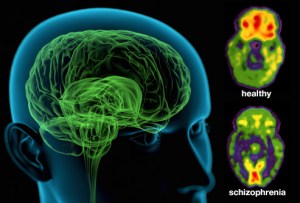
Schizophrenia is generally known to be a severe mental disorder that affects a person’s thoughts, behaviors, and feelings. Schizophrenic individuals most often have had a break with reality. When the average person hears the term ‘schizophrenia’ they immediately associate the illness with things such as hallucinations, hearing of voices, etc. Although these are accurate possibilities, there are several additional types of schizophrenia that many people aren’t aware of that people suffer from all around the globe. There are a total 5 subtypes of schizophrenia including: paranoid, disorganized, residual, catatonic and undifferentiated.

Paranoid: delusions (beliefs that may seem real to the person suffering but are not actually happening) such as believing the government is spying on them. Another symptom seen in this subtype is auditory hallucinations (hearing voices that are not real). Most often, these voices are not kind. They encourage the person to hurt others, hurt themselves, etc. These people may also see things that aren’t truly there (ex: seeing the devil).

Disorganized: in addition to having hallucinations and delusions, people with this type of schizophrenia have problems with disorganized speech (ex: speaking but not making any sense/word salad), disorganized thoughts (ex: quickly jumping from one topic to the next).

Residual: people with this type of schizophrenia mainly struggle with a lack of initiative, poor self-care/hygiene, poor social performance, underactivity, passivity, poor non-verbal communication (facial expressions, eye contact, etc). These people do not experience nearly as many hallucinations and delusions.

Catatonic: disturbances in a person’s movements and/or immobility. Catatonic individuals can maintain very unusual body positions/poses for extended periods of time. If someone were to try to move them, their limbs would be extremely resistant against efforts to be altered.

Undifferentiated: people with this type suffer from 2 or more types of symptoms listed above. They may have hallucinations, delusions, disorganized speech or behavior, catatonic behavior, etc.

If you or someone you know may be suffering from schizophrenia, the licensed psychologists, psychiatrists, psychiatric nurse practitioners, and psychotherapists at Arista Counseling & Psychotherapy can assist you. Contact our Paramus, NJ or Manhattan, NY offices respectively at (201)-368-3700 or (212)-722-1920 t0 set up an appointment. For more information, visit us at http://www.counselingpsychotherapynjny.com.

Binge Eating Disorder

Binge Eating Disorder

By: Gisela Serrano

Bing Eating Disorder is a relatively new disorder that was only recently added to the DSM-5 in 2013. So, what exactly is Binge Eating Disorder? According to the American Psychiatric Association, Binge Eating Disorder is “characterized by recurring episodes of eating significantly more food in a short period of time than most people would eat under similar circumstances, with episodes marked by feelings of lack of control. Someone with binge eating disorder may eat too quickly, even when he or she is not hungry.” BED is one of the most common eating disorders and research shows that over 50% of people who suffer from BED do not seek or receive treatment. Binge eating disorder can affect just about anyone regardless of race, sex, or age. Most of those who suffer from Binge Eating Disorder are overweight or obese, but not all. Some sufferers actually appear perfectly healthy with regard to their weight. Those who suffer from BED experience extreme shame and guilt for the amount that they eat in such short periods of time. They understand that it is not healthy, but they feel it is almost impossible to change their ways. This is why those who suffer from BED prefer to eat alone rather than feeling ashamed and embarrassed in front of others. Someone who is not well informed on the disorder may not understand and, therefore, is quick to judge and disapprove or make nasty and unnecessary comments to the sufferer. According to the National Eating Disorders Association, binge eating episodes are associated with three or more of the following:

  • Eating much more rapidly than normal
  • Eating until feeling uncomfortably full
  • Eating large amounts of food when not feeling physically hungry
  • Eating alone because of being embarrassed by how much one is eating
  • Feeling disgusted with oneself, depressed, or very guilty after overeating

Binge Eating Disorder is a serious disorder that affects normal, everyday people. If you feel as though you or a loved one might be suffering from this disorder, seeking treatment would be best as it is not always easy to do on one’s own. You can contact Arista Counseling & Psychotherapy at our office in Paramus, NJ at (201) 368-3700 or our Manhattan location at (212) 722-1920 to see how our services and approaches can help you or a loved one treat your disorder. You can also visit our website http://www.counselingpsychotherapynjny.com/ for more information.

Resources:

https://www.nationaleatingdisorders.org/blog/new-dsm-5-binge-eating-disorder

https://www.nationaleatingdisorders.org/sites/default/files/ResourceHandouts/InfographicRGB.pdf

Insomnia

By: Dianna Gomez

Insomnia is a condition that makes it very difficult for a person to fall asleep and stay asleep throughout the night. Insomnia can be caused by medical conditions such as hyperthyroidism, or for psychological reasons such as anxiety, depression or intrusive thoughts. In addition to these possibilities, the type of lifestyle an individual chooses to live can also be responsible for creating symptoms of insomnia. There are a few things that people who experience insomnia tend to do that may be worsening their symptoms without them even knowing. Some examples of these lifestyle habits include:

  1. Taking Mid-Day Naps
  • Whether it is short or long, sleeping in the middle of the day can increase a person’s chances of having difficulty sleeping through the night. If you can, try to avoid taking naps all together.
  1. Sleeping In Late
  • When a person is lacking sleep, it isn’t uncommon for them to attempt to fix the problem by sleeping in later the next morning to make up for their “lost hours.” However, by doing so, you are confusing your body clock which then makes it difficult to fall asleep at a regular time again the following night. This can quickly create a vicious cycle that is even harder to break.
  1. Taking Your Work Home With You
  • Regardless of what your occupation is, almost everybody has hectic daily schedules. When people are feeling behind on their work, they often decide to put in a little “over-time” by bringing their work home with them. By doing this, you make the process of “winding down” at night harder as your mind is kept wide awake and pre-occupied when it shouldn’t be.
  1. Using Electronics
  • Especially in today’s generation, it is extremely common for people to use their phones or laptops while lying in bed right before they intend to fall sleep. The problem with this, however, is that bright screens like those on our electronics actually stimulate the brain more and cause you to stay awake. This then makes it more difficult to fall asleep for the night.
  1. Working Irregular Hours
  • If you have a job that has you on various different “shifts,” sleeping may become a problem for you. If a person doesn’t stay on a regimented time schedule, their body clock cannot decipher when it should be waking up to take on a new day or winding down to get ready for bed.


If you have already tried reversing these lifestyle habits and still regularly experience symptoms of insomnia, the licensed psychologists, psychiatrists, psychiatric nurse practitioners, and psychotherapists at Arista Counseling & Psychotherapy can help you. Contact our Paramus, NJ or Manhattan, NY offices respectively, at (201)-368-3700 or (212)-722-1920 to set up an appointment. For more information, visit us at https://www.counselingpsychotherapynjny.com/.