The Effect of Social Media and Eating Disorders

By: Sarah Cohen

Eating disorders are extremely serious and often deadly illnesses that include severe disturbances in eating behaviors and related thoughts and emotions. There have been numerous studies in which mass media consumption of the “thin ideal body” has been linked to eating disorders among women. Pressure from media has led to women and men internalizing the “thin ideal body” and led to extreme body dissatisfaction which can then lead to eating disorders. While the effect is smaller among men, they are still being subjected to pressure.

Studies have shown “significant change in the weight and size of female and male models portrayed throughout the media in western society and the concept of the ‘perfect or ideal body’.” This explains “why many adolescents are preoccupied with their bodies and dissatisfied with their body image and are willing to try a variety of dangerous weight-loss practices in their quest for the perfect body.”

Most people are usually not aware the amount of manipulation and digital editing done in the fashion industry to create ‘ideal’ female and male bodies. These false images encourage unrealistic and unhealthy standards that are impossible to attain. One study focused on body concerns in girls 16 years old and tried to understand the underlying motivations to be skinny. The element that exerted the largest pressure to be smaller was the media. Another study measured indicators of eating disorders in a population of young Fijian girls after the addition of Western television to their routine. The indicators of eating disorders were exceptionally more prevalent after extended television viewing, demonstrating a negative impact of media. A large component of the data recorded was the theme of subjects describing a new interest in weight loss as a method of modelling themselves after the television characters they viewed.

In order to prevent the effect of social media on disordered eating, here are three tips: choose what media you view and participate in carefully, limit the amount of exposure you have, and test each media’s message for body positivity by asking critical questions about what information they are attempting to spread.

If you or someone you know needs support with their marriage, please contact our psychotherapy offices in New York or New Jersey to talk to one of our licensed professional psychologists, psychiatrists, psychiatric nurse practitioners, or psychotherapists at Arista Counseling & Psychotherapy. Contact our Paramus, NJ or Manhattan, NY offices respectively, at (201) 368-3700 or (212) 722-1920 to set up an appointment. For more information, please visit http://www.counselingpsychotherapynjny.com/ .

https://www.nimh.nih.gov/health/topics/eating-disorders/index.shtml

https://www.ncbi.nlm.nih.gov/pmc/articles/PMC2792687/

https://www.ncbi.nlm.nih.gov/pmc/articles/PMC2792687/

https://www.nationaleatingdisorders.org/media-eating-disorders

Tiggemann M, Gardiner M, Slater A. “I would rather be size 10 than have straight A’s”: A focus group study of adolescent girls’ wish to be thinner. J Adolesc. 2000;23:645–59.

Becker AE, Burwell RA, Gilman SE, Herzog DB, Hamburg P. Eating behaviours and attitudes following exposure to television among ethnic Fijian adolescent girls. Br J Psychiatry. 2002;180:509–14.

Orthorexia Nervosa: an eating disorder in disguise

By Argie Dabrowski

Eating disorders are characterized by unhealthy relationships with food, whether it be excessive or restricted intake or cycles of binging and purging. The most common eating disorders today are anorexia nervosa, bulimia nervosa, and binge eating disorder. Orthorexia nervosa is a proposed eating disorder that, paradoxically, revolves around healthy eating. Orthorexic people are not focused on losing weight. Instead, they are trying to achieve the perfect diet, which they believe will be the solution to all of their problems.

Although not officially recognized by the American Psychiatric Association, orthorexia nervosa has been the topic of many studies and can still be as dangerous as more well-known eating disorders. Those with orthorexia only eat food that fits their standards, such as only containing whole grains or being vegan. This means that they avoid many foods that they see as unclean or unhealthy. Some orthorexic individuals also avoid foods they believe they are allergic too, without actual advice from medical professionals.

At its core, orthorexia is an obsession and those who suffer from it are not simply eating healthy but revolving their entire lives around what and when they eat. Those who have orthorexia have described being completely fixated on food, making it difficult for them to maintain healthy social relationships. These people often avoid social events that involve eating, such as parties, because the food served may not meet their criteria for “healthy” eating. They connect their rigid diet to mortality, as well. Because of this, when failing to meet the standards of their rigid diets, these people feel immense guilt and anxiety.

Besides weight loss, orthorexic people often experience isolation due to the aforementioned social strains. This can lead to depression and further anxiety. Orthorexia nervosa is often clinically treated in a similar manner to anorexia nervosa and obsessive compulsive disorder, which is through exposure to avoided foods.

If you or someone you know needs support for an eating disorder, please contact our psychotherapy offices in New York or New Jersey to talk to one of our licensed professional psychologists, psychiatrists, psychiatric nurse practitioners, or psychotherapists at Arista Counseling & Psychotherapy. Contact our Paramus, NJ or Manhattan, NY offices respectively, at (201) 368-3700 or (212) 722-1920 to set up an appointment. For more information, please visit http://www.counselingpsychotherapynjny.com

Sources:
pro.psychcentral.com/3-warning-signs-that-a-patient-might-be-struggling-with-orthorexia/
psychcentral.com/blog/understanding-orthorexia/
pro.psychcentral.com/orthorexia-nervosa-disease-that-masquerades-as-health/
nationaleatingdisorders.org/learn/by-eating-disorder/other/orthorexia

Image Source:
ojo.pe/mujer/el-color-de-los-vegetales-280442-noticia/

Eating Disorders During the Holidays

By: Maryellen Van Atter

Eating disorders are psychological disorders characterized by abnormal or disturbed eating habits. There are different kinds of eating disorders, but two prevalent ones are Anorexia Nervosa and Bulimia Nervosa. Individuals with Anorexia Nervosa restrict their food intake with the goal of reducing their weight, and have an intense fear of gaining weight. Individuals with Bulimia Nervosa engage in binge-eating sessions followed by self-induced vomiting, and experience a lack of control over their behaviors and a fear of weight gain. These disorders are very serious and can lead to physical health problems, such as poor circulation and muscle weakness. Eating disorders are also associated with other psychological disorders, such as depression and anxiety.

Eating disorders can be especially difficult during the holiday season. For many, the holiday season puts an additional emphasis on food. Holidays gatherings involve a plethora of food, and this can be extremely difficult for those with eating disorders. The emphasis of food can amplify their concerns and increase their symptom experience, worsening their mental health. This may lead to isolation or feelings of anxiety and guilt. While holidays should be about valuing the positive relationships in your life, this meaning can be lost when there is a focus on food.

There are many treatments that can help those with Anorexia and Bulimia manage their symptoms and establish healthy eating habits. One such treatment is psychotherapy, or talk therapy. There are many variations of this therapy which are successful at treating eating disorders. One is cognitive behavioral therapy (CBT) which is aimed at changing distorted thought patterns to result in healthy behavior. Another is acceptance and commitment therapy (ACT), where patients identify a value or goal and then commit to doing the actions which make that goal possible. When eating disorders are accompanied by symptoms of depression or anxiety, psychiatric medication may be prescribed to assist in the management of those symptoms.

Additionally, there are steps that one can take to prevent the relapse or worsening of disordered eating during the holiday season. If you or a loved one is suffering from an eating disorder, try to shift the focus during the holidays from food to activities, such as decorating, caroling, or playing games. This can ease the negative emotions of those suffering from eating disorders and help them feel more comfortable. It is also important to remind loved ones that it is okay to seek extra help during this difficult season.

If you or someone you know is struggling with disordered eating, Arista Counseling and Psychotherapy can help. Please contact us in Paramus, NJ at 201-368-3700 or in Manhattan, NY at 212-996-3939 to arrange an appointment. For more information about our services, please visit http://www.counselingpsychotherapynjny.com/

Sources:

https://www.nationaleatingdisorders.org/learn/by-eating-disorder/anorexia

https://www.nationaleatingdisorders.org/learn/by-eating-disorder/bulimia

https://centerforchange.com/coping-loved-ones-eating-disorder-holidays/

https://www.nationaleatingdisorders.org/types-treatment

https://www.sedig.org/physical-complications


Eating Disorders: Disordered Eating Habits

Eating Disorders: Disordered Eating Habits

Image result for disordered eating habits

Eating Disorders: Disordered Eating Habits

By: Julia Keys

Our culture is obsessed with weight, thinness, exercise, and beauty. Studies show that women under the age of 19 are particularly vulnerable to the problematic effects of social media; about 60% of girls have a desire to lose weight even though they are within the healthy weight range ( Morris & Katzman, 2003). As a result, many people have developed unhealthy ways of eating and exercising for dealing with the pressure to look a certain way. These habits can seem minor at first, but can quickly develop into an eating disorder. While disordered eating habits do not meet the clinical criteria for an eating disorder, they are still unhealthy and potentially damaging.

Signs of Disordered Eating Habits:

  • Self-worth or self-esteem based highly or even exclusively on body shape and weight
  • A disturbance in the way one experiences their body i.e. a person who falls in a healthy weight range, but continues to feel that they are overweight
  • Excessive or rigid exercise routine
  • Obsessive calorie counting
  • Anxiety about certain foods or food groups
  • A rigid approach to eating, such as only eating certain foods, inflexible meal times, refusal to eat in restaurants or outside of one’s own home

It is important to recognize the signs of disordered eating and try to eradicate them before they become potentially harmful. Clinicians advise to quit fad diets because they are extremely restrictive and often result in binge eating. Obsessive exercise focused on “fat-burning” or “calorie-burning” should also be avoided and replaced with physical activity that is more focused on enjoyment. Another tip psychologists give is to avoid weighing yourself every single day. Weight can fluctuate about 2-5 lbs. a day, so fixating on a specific number in order to be healthy isn’t helpful. If disordered eating habits suddenly get worse, or start to impact one’s daily functioning, one should seek help.

If you or someone you know is struggling with an eating disorder, please contact our psychotherapy offices in New York or New Jersey to talk to one of our licensed professional psychologists, psychiatrists, psychiatric nurse practitioners, or psychotherapists at Arista Counseling & Psychotherapy. Contact our Paramus, NJ or Manhattan, NY offices respectively, at (201) 368-3700 or (212) 722-1920 to set up an appointment. For more information, please visit http://www.counselingpsychotherapynjny.com/ .

Sources:

https://www.psychologytoday.com/us/blog/contemporary-psychoanalysis-in-action/201402/disordered-eating-or-eating-disorder-what-s-the

https://www.ncbi.nlm.nih.gov/pmc/articles/PMC2792687/

Source for Picture:

https://www.google.com/search?tbm=isch&source=hp&biw=692&bih=584&ei=4UvtXJSbA-Spgge30qyABA&q=disordered+eating+habits&oq=disordered+eating+habits&gs_l=img.3..0i24.1459.6057..6251…1.0..0.178.1809.22j3……0….1..gws-wiz-img…..0..0j0i8i30j0i30.GFcmoKIva3A#imgrc=skxxnYifexcxWM:&spf=1559055335909


Bulimia Nervosa

Bulimia Nervosa

By: Lauren Hernandez

Bulimia Nervosa is an eating disorder known for episodes of out of control eating and subsequent self-induced methods of purging in order to prevent weight gain. Binging is considered an irresistible compulsion and on average happens about once a week, but can also occur several times a week. Bulimia is most common in women and typically begins in their teens to early 20s. The cultural obsession with a perfect body image, fueled by social media models with unattainable body “goals”, is harmful to young people’s self-esteem and body image. Social media perpetuates a cultural and social expectation of women needing to be thin in order to be beautiful, and this negatively impacts our younger generations.

Signs of Bulimia include:

  • Yellow teeth, erosion of dental enamel
  • Gastrointestinal problems
  • Unexpected weight gain
  • Hair loss
  • Lack of bowel movements
  • Lack of energy
  • Dehydration
  • Red, blistered, or scabbed knuckles

Some typical purging methods include:

  • Vomiting
  • Taking laxatives or diuretics
  • Excessive exercise

Some typical restrictive eating symptoms include:

  • Fasting
  • Disordered Eating

Research has shown that people with Bulimia Nervosa have comorbid mental illnesses such as anxiety, depression, or substance use disorder. Bulimia is also related to personality disorders which effect one’s social, personal, behavioral, and emotional interactions. Bulimia is best treated through a primary care physician, a nutritionist, and a mental health clinician. Cognitive behavioral therapy as well as antidepressants are extremely helpful for those recovering from Bulimia. It is important that schools address eating disorders at an early age in order to educate and bring awareness to young people.


If you or someone you know is struggling with an eating disorder, please contact our psychotherapy offices in New York or New Jersey to talk to one of our licensed professional psychologists, psychiatrists, psychiatric nurse practitioners, or psychotherapists at Arista Counseling & Psychotherapy. Contact our Paramus, NJ or Manhattan, NY offices respectively, at (201) 368-3700 or (212) 722-1920 to set up an appointment. For more information, please visit http://www.counselingpsychotherapynjny.com/ .


Source: https://www.psychologytoday.com/us/blog/inside-out-outside-in/201703/what-is-bulimia-nervosa

Image source: https://www.bing.com/images/search?view=detailV2&id=3DDA12C2C015D07EED4E8521F677C3692EB5A34B&thid=OIP.5ljFRAgr8tpAQ_TSuNjlVgHaE7&mediaurl=https%3A%2F%2Fwww.seasonsmedical.com%2Fwp-content%2Fuploads%2FBulimia-Nervosa-100.jpg&exph=524&expw=788&q=bulimia+nervosa&selectedindex=53&ajaxhist=0&vt=0&eim=1,2,6

Anorexia Nervosa: How to Spot the Signs

By: Lauren Hernandez

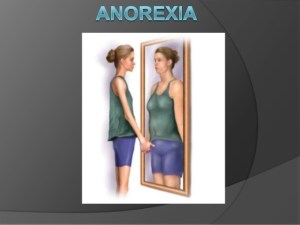
People with anorexia nervosa have a perception of themselves as overweight although typically they are extremely underweight. It is common for a person to have more than one mental disorder such as depression and anxiety which accompany anorexia nervosa.

Major symptoms:

  • Fear of gaining weight
  • Extreme thinness (emaciation)
  • Drastic restricted eating patterns
  • Denial of their extremely low body weight
  • Dry and yellowish skin
  • Fine hair all over the body (lanugo)

If you see a friend exhibiting these behaviors and symptoms, it is best to reach out to an adult or medical professional. It is imperative that people with eating disorders seek treatment early on so that total recovery is possible.

You are not alone.

If you or someone you know is struggling with an eating disorder, please contact our psychotherapy offices in New York or New Jersey to talk to one of our licensed professional psychologists, psychiatrists, psychiatric nurse practitioners, or psychotherapists at Arista Counseling & Psychotherapy. Contact our Paramus, NJ or Manhattan, NY offices respectively, at (201) 368-3700 or (212) 722-1920 to set up an appointment. For more information, please visit http://www.counselingpsychotherapynjny.com/ .


Source:

https://www.nimh.nih.gov/health/topics/eating-disorders/index.shtml


Image Source:

https://www.bing.com/images/search?view=detailV2&id=3D24C7C89D97AF44EB55FE5DCC57C2B982550B0A&thid=OIP.LWLWV8Px_CgM_wXxP5oyugHaFj&mediaurl=http%3A%2F%2Fimage.slidesharecdn.com%2Fanorexia3c-121028074613-phpapp02%2F95%2Fanorexia-slideshare-1-638.jpg%3Fcb%3D1351410841&exph=479&expw=638&q=anorexia+pic&selectedindex=0&ajaxhist=0&vt=0&eim=1,2,6

Obsessive Preoccupation with Perfect Health

Obsessive Preoccupation with Perfect Health

By: Toniann Seals

Everyone has heard of the phrase, “too much of a good thing is a bad thing.” Of course, it is not true in all situations, however with healthy living it may be.

Ways to stay healthy:

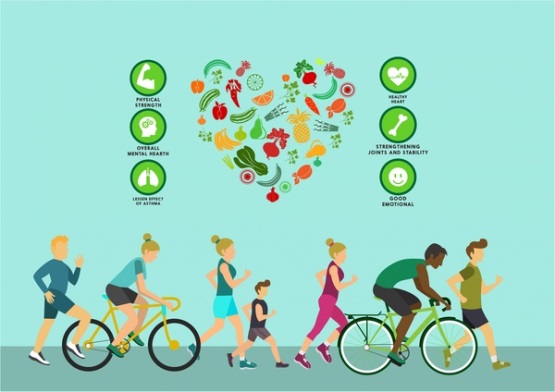
  1. Exercising daily
  2. Eating regularly
  3. Incorporating fruits and vegetables into your diet
  4. Walking/taking the stairs
  5. Improving strength
  6. Eating organic food

If you take these behaviors to an extreme, it could potentially become negative both physically and mentally. Chronic fatigue or body image issues may arise. If exercising gets in the way of daily activities and causes your energy to decline afterward you may need to cut down. Likewise, eating healthy food is amazing for the body; however excessive dieting, calorie counting, and fasting can lead to eating disorders and other mental illnesses.

This could also negatively impact family and friends as your lifestyle could possibly put them in a position where they feel the need to keep up with you.

Patience, as well as understanding that perfection should not be the “goal,” can erase any bad thoughts or influences. Work hard, yet take care of your mental and physical health. Moderation and balance are necessary for a healthy life.

If you or someone you know is dealing with unhealthy lifestyle habits or an eating disorder, speak with one of our licensed professional psychologists, psychiatrists, psychiatric nurse practitioners, and psychotherapists. Contact us at our Paramus, NJ or Manhattan, NY offices at (201) 368-3700 or (212) 722-1920 respectively to set up an appointment. For more information, visit http://www.counselingpsychotherapynjny.com/.

Image: https://all-free-download.com/free-vector/download/healthy-lifestyle-theme-human-exercise-and-fruit-icons_6826742.html

Binge Eating Disorder: Know the Signs

secreteating

Binge Eating Disorder: Know the Signs

By Jessica Burgess

It is Tuesday night and Jocelyn has sat down after a long day of work and has just finished dinner. She feels a sudden urge to eat two pork chops, a mound of potatoes, and half a pan of the cornbread she had planned to stretch out for the next week with her family. When she is done, she goes to the store and replaces the pan of cornbread before her husband comes home and sees. She feels uncomfortably full, ashamed, and depressed. Why can’t she control her eating?

Jocelyn and many people like her, suffer from Binge Eating Disorder (BED), an eating disorder characterized by recurrent episodes of overeating, usually quickly until the person is overly full. It is not related to hunger and, in fact, some sufferers are not hungry when the binge begins. People with BED, unlike those with bulimia, tend to not compensate for overeating by purging and BED occurs separately from bulimia or anorexia. Episodes of Binge Eating Disorder are characterized by:

  • Eating, in a certain period of time, more food than most people would eat during that time period
  • And a sense of lack of control during the episode

Episodes also tend to include:

  • Eating faster than normal
  • Eating alone due to embarrassment
  • Feeling disgusted with oneself, depressed, or guilty after an episode


If you or someone you know is suffering from binge eating disorder, speak with one of our licensed professional psychologists, psychiatrists, psychiatric nurse practitioners, or psychotherapists. Contact us at our Paramus, NJ or Manhattan, NY offices at (201) 368-3700 or (212) 722-1920 respectively to set up an appointment. For more information, visit http://www.counselingpsychotherapynjny.com/.

Source: https://www.nationaleatingdisorders.org/learn/by-eating-disorder/bed

Image: https://www.bing.com/images/search?view=detailV2&id=F2C76AFE8AC6C4FF8D667FDD533D889D451488BE&thid=OIP.dKasBi7oeYi1Epsf0KKDcgHaLG&mediaurl=http%3A%2F%2Fblogs.psychcentral.com%2Fnlp%2Ffiles%2F2016%2F11%2Fsecreteating.jpg&exph=499&expw=333&q=Secret+Eating&selectedindex=0&ajaxhist=0&vt=0&eim=1,2,6

Health and Weight

By Zuzanna Myszko

“Healthism” is a new term that has been coined because of the social link that has been created between morality and health. Because health is seen to be heavily related to weight, people who are overweight are often seen as “lazy” and “over-indulgent,” which are extremely harmful generalizations that make overweight people seem immoral.

Research has shown that the connection between health and weight is not as clear as we once thought. One may participate in health-promoting activities and still be overweight because of metabolic rate, genetics, biological influence, and environmental factors. Therefore, healthism stigmatizes the overweight individual and affects his or her self-image in all aspects of life.

Some specific factors that may be promoting weight gain include:

  • Increased accessibility to high-calorie foods and drinks.
  • Lower prices of high-calorie foods and drinks.
  • Increased prices of fruits and vegetables.
  • Living in food deserts, which are areas where affordable and nutritious food are hard to obtain.
  • Lack of public transport to get to grocery stores.
  • Low safety in some areas.
  • Environmental toxins.

Also, dieting, usually touted as the solution to obesity, has shown to be ineffective. People usually bounce back to the weight they were before beginning the diet. More importantly, dieters do not usually experience an increase in well-being and health outcomes.

Additionally, the judgment of others based on their weight implies that they should not be allowed to be responsible for their own bodies, which is an absurd assumption. All people have the right to autonomy when it comes to their bodies.

In the end, healthism has an excessively negative effect on the mental health of those impacted starting at a very young age. Many experience eating disorders as a result. Therefore, people who are generally termed “overweight” must focus on the facts and create a positive relationship with their body.


If you or someone you know appears to be suffering from issues related to weight or eating disorders, please contact our psychotherapy offices in New York or New Jersey to talk to one of our licensed professional psychologists, psychiatrists, psychiatric nurse practitioners, or psychotherapists at Arista Counseling & Psychotherapy. Contact our Paramus, NJ or Manhattan, NY offices respectively, at (201) 368-3700 or (212) 722-1920 to set up an appointment. For more information, please visit http://www.counselingpsychotherapynjny.com/.

Image: https://playzoa.com/book-of-womens-exercise-pants-petite-in-spain.html

Source: https://www.psychologytoday.com/us/blog/real-healing/201901/health-and-weight

Bulimia Nervosa-Learning About Eating Disorders

By: Erika Dino

Bulimia Nervosa

Bulimia Nervosa is an eating disorder that leads you to eating an unusual large amount of food in a repetitive matter. After you do this, there is a behavior done such as vomiting or fasting due to the fact that eating large amounts of food makes you purge secretly. Purging also involves taking laxatives or excessive exercising. Individuals who have Bulimia Nervosa want to lose weight, or are often feeling fear towards gaining weight. They aren’t happy with their weight, because they have feelings of shame. They binge eat, and then purge, usually a few times a week.

Usually this is coexisting with another psychological illness. Examples of this can be anxiety or depression. Bulimia can be caused by stress, dieting, or mixed emotions that can make you feel uncomfortable. Traumatic life events and genetics can also have a part in bulimia nervosa.

Symptoms:

▪Dehydration

▪Laxative abuse causing irritation

▪Inflamed throat

▪ Dental problems

Treatment

▪Psychotherapy

▪Prescribed Medication

▪Cognitive Behavioral Therapy

We can help. We can make the difference. You are a strong individual and there is no reason to doubt it. We will work together, and we will get the best results.

https://www.psychologytoday.com/us/basics/bulimia-nervosa

Eating Disorders- National Institute of Mental Health

Image: https://comps.canstockphoto.com/bullimia-nervosa-drawing_csp11371809.jpg

If you or someone you know appears to be suffering from Bulimia Nervosa, please contact our psychotherapy offices in New York or New Jersey to talk to one of our licensed professional psychologists, psychiatrists, psychiatric nurse practitioners, or psychotherapists at Arista Counseling & Psychotherapy. Contact our Paramus, NJ or Manhattan, NY offices respectively, at (201) 368-3700 or (212) 722-1920 to set up an appointment. For more information, please visit http://www.counselingpsychotherapynjny.com/.