Eating Disorders: Disordered Eating Habits

Eating Disorders: Disordered Eating Habits

Image result for disordered eating habits

Eating Disorders: Disordered Eating Habits

By: Julia Keys

Our culture is obsessed with weight, thinness, exercise, and beauty. Studies show that women under the age of 19 are particularly vulnerable to the problematic effects of social media; about 60% of girls have a desire to lose weight even though they are within the healthy weight range ( Morris & Katzman, 2003). As a result, many people have developed unhealthy ways of eating and exercising for dealing with the pressure to look a certain way. These habits can seem minor at first, but can quickly develop into an eating disorder. While disordered eating habits do not meet the clinical criteria for an eating disorder, they are still unhealthy and potentially damaging.

Signs of Disordered Eating Habits:

  • Self-worth or self-esteem based highly or even exclusively on body shape and weight
  • A disturbance in the way one experiences their body i.e. a person who falls in a healthy weight range, but continues to feel that they are overweight
  • Excessive or rigid exercise routine
  • Obsessive calorie counting
  • Anxiety about certain foods or food groups
  • A rigid approach to eating, such as only eating certain foods, inflexible meal times, refusal to eat in restaurants or outside of one’s own home

It is important to recognize the signs of disordered eating and try to eradicate them before they become potentially harmful. Clinicians advise to quit fad diets because they are extremely restrictive and often result in binge eating. Obsessive exercise focused on “fat-burning” or “calorie-burning” should also be avoided and replaced with physical activity that is more focused on enjoyment. Another tip psychologists give is to avoid weighing yourself every single day. Weight can fluctuate about 2-5 lbs. a day, so fixating on a specific number in order to be healthy isn’t helpful. If disordered eating habits suddenly get worse, or start to impact one’s daily functioning, one should seek help.

If you or someone you know is struggling with an eating disorder, please contact our psychotherapy offices in New York or New Jersey to talk to one of our licensed professional psychologists, psychiatrists, psychiatric nurse practitioners, or psychotherapists at Arista Counseling & Psychotherapy. Contact our Paramus, NJ or Manhattan, NY offices respectively, at (201) 368-3700 or (212) 722-1920 to set up an appointment. For more information, please visit http://www.counselingpsychotherapynjny.com/ .

Sources:

https://www.psychologytoday.com/us/blog/contemporary-psychoanalysis-in-action/201402/disordered-eating-or-eating-disorder-what-s-the

https://www.ncbi.nlm.nih.gov/pmc/articles/PMC2792687/

Source for Picture:

https://www.google.com/search?tbm=isch&source=hp&biw=692&bih=584&ei=4UvtXJSbA-Spgge30qyABA&q=disordered+eating+habits&oq=disordered+eating+habits&gs_l=img.3..0i24.1459.6057..6251…1.0..0.178.1809.22j3……0….1..gws-wiz-img…..0..0j0i8i30j0i30.GFcmoKIva3A#imgrc=skxxnYifexcxWM:&spf=1559055335909


Psychosomatic Disorders

Psychosomatic Disorders

By Crystal Tsui

Psychosomatic disorder affects both mind and body and it occurs when a physical disease is exacerbated or caused by mental factors or vice versa. Psychological factors can cause physical symptoms when there is no physical disease. There are many factors that are involved with psychosomatic disorders, such as

  • Biological traits
  • Genetic and environmental factors
  • Family influences
  • Learned behavior

Some symptoms of psychosomatic disorders include:

  • Generalized pain
  • Weakness
  • Fatigue
  • Shortness of breath

There are many physical diseases and conditions that are prone to be exacerbated by psychological factors. Some conditions include:

  • Hypertension
  • Constipation
  • Diarrhea
  • Dyspnea
  • Tachypnea
  • Tachycardia

Cognitive behavioral therapy is often the treatment for psychosomatic disorders and it helps individuals cope with their problems (eg. stress, anxiety, depression) and understand that their mental health is connected to their physical health. Most healthcare professionals try to treat the individual, taking into account the mental, social, and physical factors that may contribute to a disease.

 If you or someone you know has psychosomatic disorder, please contact our psychotherapy offices in New York or New Jersey to talk to one of our licensed professional psychologists, psychiatrists, psychiatric nurse practitioners, or psychotherapists at Arista Counseling & Psychotherapy. Contact our Paramus, NJ or Manhattan, NY offices respectively, at (201) 368-3700 or (212) 722-1920 to set up an appointment. For more information, please visit http://www.counselingpsychotherapynjny.com/ .

Sources:

https://centerforanxietydisorders.com/treatment-programs/psychosomatic-disorders/

https://www.google.com/url?sa=i&source=images&cd=&ved=2ahUKEwib8_iSpLTiAhWtTd8KHQaAC_cQjRx6BAgBEAU&url=https%3A%2F%2Fwww.abc.net.au%2Fradionational%2Fprograms%2Fallinthemind%2Fhypochondria-and-psychosomatic-illness%2F6866448&psig=AOvVaw1o8-BXYZWCSksnlzsZPuSV&ust=1558791237650609

The Benefits of Yoga on the Mind and Body

Stress Reduction: The Benefits of Yoga     Stress Reduction: The Benefits of Yoga

       By: Julia Keys

        Yoga is a group of physical, mental and spiritual practices that originated in ancient India. Yoga became popular in the United States in the 1960’s as a way to feel a natural “high” without the use of substances. Today, yoga is practiced in the U.S. as a way to relieve stress, exercise, practice spirituality, and to heal the mind and body.

Researchers have found a myriad of benefits of yoga on mental health. Studies show that practicing yoga helps people reduce anger and anxiety, improves sleep, decreases Post Traumatic Stress, and improves daily mood. Yoga’s benefits can all be traced back to its physiological effects on the heart and the nervous system. Yoga incorporates various breathing and meditation exercises alongside physical movement. Yogic or meditative breathing has been shown to increase heart rate variability, or HRV. HRV is simply the distance between each heartbeat. The goal of yogic breathing is to increase the time between each heartbeat. Slower heartbeats can relieve stress and anxiety. Faster heartbeats are correlated with poor emotional regulation.

There are many different types of yoga from which one can choose from. For those seeking yoga that focuses on meditation and breathing, Ananda and Hatha classes would be a good choice. Those seeking more rigorous and physical forms of yoga may want to take Ashtanga or Kundalini classes.

 If you or someone you know is having trouble with stress, anxiety or regulating emotions, please contact our psychotherapy offices in New York or New Jersey to talk to one of our licensed professional psychologists, psychiatrists, psychiatric nurse practitioners, or psychotherapists at Arista Counseling & Psychotherapy. Contact our Paramus, NJ or Manhattan, NY offices respectively, at (201) 368-3700 or (212) 722-1920 to set up an appointment. For more information, please visit http://www.counselingpsychotherapynjny.com/ .


Sources:

https://www.psychologytoday.com/us/blog/silencing-your-inner-bully/201901/5-ways-yoga-can-benefit-your-mental-health

https://www.psychologytoday.com/us/blog/all-about-addiction/201002/addiction-exercise-recovery-yoga-practice-and-mindfulness-in

Source for Picture:

https://www.bing.com/images/search?view=detailV2&id=E9C6F826093C0B21EF4CE1E8062B54A1CDC6869F&thid=OIP.t9l4rEVh9uZ6p8IzbsRaaAHaEL&mediaurl=http%3A%2F%2Fil7.picdn.net%2Fshutterstock%2Fvideos%2F3059605%2Fthumb%2F1.jpg&exph=480&expw=852&q=yoga+sunset+images&selectedindex=15&ajaxhist=0&vt=0&eim=1,2,6


Anorexia Nervosa: How to Spot the Signs

By: Lauren Hernandez

People with anorexia nervosa have a perception of themselves as overweight although typically they are extremely underweight. It is common for a person to have more than one mental disorder such as depression and anxiety which accompany anorexia nervosa.

Major symptoms:

  • Fear of gaining weight
  • Extreme thinness (emaciation)
  • Drastic restricted eating patterns
  • Denial of their extremely low body weight
  • Dry and yellowish skin
  • Fine hair all over the body (lanugo)

If you see a friend exhibiting these behaviors and symptoms, it is best to reach out to an adult or medical professional. It is imperative that people with eating disorders seek treatment early on so that total recovery is possible.

You are not alone.

If you or someone you know is struggling with an eating disorder, please contact our psychotherapy offices in New York or New Jersey to talk to one of our licensed professional psychologists, psychiatrists, psychiatric nurse practitioners, or psychotherapists at Arista Counseling & Psychotherapy. Contact our Paramus, NJ or Manhattan, NY offices respectively, at (201) 368-3700 or (212) 722-1920 to set up an appointment. For more information, please visit http://www.counselingpsychotherapynjny.com/ .


Source:

https://www.nimh.nih.gov/health/topics/eating-disorders/index.shtml


Image Source:

https://www.bing.com/images/search?view=detailV2&id=3D24C7C89D97AF44EB55FE5DCC57C2B982550B0A&thid=OIP.LWLWV8Px_CgM_wXxP5oyugHaFj&mediaurl=http%3A%2F%2Fimage.slidesharecdn.com%2Fanorexia3c-121028074613-phpapp02%2F95%2Fanorexia-slideshare-1-638.jpg%3Fcb%3D1351410841&exph=479&expw=638&q=anorexia+pic&selectedindex=0&ajaxhist=0&vt=0&eim=1,2,6

Seasonal Affective Disorder: Not Just the Winter Blues

winter-depression1

Seasonal Affective Disorder: Not Just the Winter Blues

By Jessica Burgess


As spring finally approaches, many are hopeful for longer and brighter days in hopes that it will heighten their mood and ease them of the ‘winter blues’. But how typical are these mood shifts and when are they cause for concern?  Season Affective Disorder (SAD), a type of depression that is related to changes in season, often goes overlooked by the average person and just considered normal winter blues. However, SAD has many of the same symptoms and risks as Major Depressive Disorder (MDD).


Most people with SAD tend to show symptoms beginning in the fall and ending before spring but some show symptoms in the spring and progress through the summer months. Either way, the disorder follows a pattern of seasonal change, where the symptoms get worse towards the end of the season. Symptoms of SAD include:

  • Feelings of depression almost every day, all day
  • Sleeping problems
  • Weight gain or loss
  • Changes in appetite
  • Feelings of hopeless, worthlessness or guilt
  • Lower interest in activities you used to find interesting
  • Low energy
  • Thoughts of death or suicide


If you think or someone you know is suffering from Seasonal Affective Disorder, speak with one of our licensed professional psychologists, psychiatrists, psychiatric nurse practitioners, or psychotherapists. Contact us at our Paramus, NJ or Manhattan, NY offices at (201) 368-3700 or (212) 722-1920 respectively to set up an appointment. For more information, visit http://www.counselingpsychotherapynjny.com


Source: https://www.mayoclinic.org/diseases-conditions/seasonal-affective-disorder/symptoms-causes/syc-20364651

Image: https://www.bing.com/images/search?view=detailV2&id=3BA866A3E20A6419AA4CFBF4904BAA4DED3C0345&thid=OIP.vZckWdIpb71mGl5KpMkQLQHaE7&mediaurl=http%3A%2F%2Fdocakilah.files.wordpress.com%2F2011%2F01%2Fwinter-depression1.jpg&exph=399&expw=600&q=winter+depression&selectedindex=73&ajaxhist=0&vt=0&eim=1,2,6


Learning How to Face Rejection

rejection

By: Tamar Asayan

Everyone has experienced rejection whether it was not getting the job you wanted, your friends not inviting you somewhere and posting about it online, or even having someone not like you back. Rejection is the loss of something you may have once had or wanted. It is similar to abandonment because it leaves you feeling less than and unwanted. Unfortunately, rejection is something that cannot be avoided and it is a part of life that everyone will have to experience. No matter how small or big the rejection you experience is, it is always going to hurt you and leave an emotional wound. Not only does rejection cause emotional pain, but it also damages someone’s self-esteem and effects one’s mood resulting in frustration and anger. An article, “Why Rejection Hurts So Much-and What to do About it” states, “The same areas of our brain become activated when we experience rejection as when we experience physical pain. That’s why even small rejections hurt more than we think they should, because they elicit literal pain” (Winch). If you are feeling the pain of being rejected here are some ways to cope and overcome it in healthier ways.

  1. Acknowledge the pain and grief of loss
  • When you are rejected, you may feel embarrassed and don’t know how to exactly cope with it. You may repress your feelings and ignore the fact that you are in pain.
  • In order to accept rejection, you must accept the pain of what you are going through. Whether it is crying, going to therapy, exercising, or even journaling, it is important to relieve and express the emotions faced when being rejected.
  1. Don’t blame yourself
  • Most of the time you don’t understand why you have been rejected and naturally you place the blame on yourself.
  • The reason you believe you are at fault is because early in life you may have been taught to believe that you are not enough.
  • Do not take responsibility for what is out of your control.
  1. Put yourself out there
  • Rejection is part of the process which leads to success. Do not take it personally, it’s part of life.
  • Putting yourself out there can make you less sensitive to rejection; the more you are rejected the less it hurt us.
  1. Build your resiliency
  • To be resilient is to be able to recover or come back from a stressful or traumatizing event.
  • Resiliency can be learned by doing some of the following:
    • Having an open mind
    • Seeking solutions
    • Learning from an experience
    • Seeking support
    • Knowing your worth and strengths
    • Self-care

If you or someone you know is feeling rejected or dealing with rejection, call now to make an appointment to speak with one of our licensed professional psychologists, psychiatrists, psychiatric nurse practitioners, or psychotherapists. Contact us at our Paramus, NJ (201) 368-3700 or Manhattan, NY offices at or (212) 722-1920 to set up an appointment. For more information, visit http://www.counselingpsychotherapynjny.com/.

Sources: https://psychcentral.com/blog/how-to-overcome-rejection-like-a-champ/

https://ideas.ted.com/why-rejection-hurts-so-much-and-what-to-do-about-it/

https://blogs.psychcentral.com/imperfect/2019/02/4-strategies-to-cope-with-the-pain-of rejection/

Image: https://www.dailymail.co.uk/femail/article-1327598/Why-rejection-good-you.html

Depression at Work

sales-sad-woman-at-desk

Depression at Work

By Jessica Burgess

Trying to work while depressed can often feel pointless. Being productive is difficult enough without adding on a state of depression. When depression goes untreated, it can lead to a loss of productivity. Depressed workers are more likely to be away from work than non-depressed individuals and also are less efficient at work based on a national survey published in the Journal of the American Medical Association1. So do our jobs make us depressed? Or does our depression make us poor workers? Psychologists say yes and no.

Depression is not caused by our jobs, but our jobs can add to our depression. Depression is partially due to our hereditary predispositions2. To put it simply, some of the reason why we get depressed are due to the genes we inherit from our parents or grandparents. But not all people that inherit a risk for depression, end up depressed. Exhibiting depression may be due to environmental triggers, such as the workplace or other stressors.

As a result of certain triggers, many individuals exhibit depression which can have consequences in the work environment. In 2013, the leading cause of loss of productivity in the workplace was depression3. Some triggers that can lead to depression in the workplace are related to the workplace itself such as:

  • Work/life imbalance
  • Introvert/extrovert stress
  • Feeling trapped
  • Unclear guidance

Other causes may be more internal such as:

  • Guilt over being a working parent
  • Discomfort with those you work with3

Depression can limit how much we can get done at work and even how often we are at work. Similarly, work can trigger depression and make it worse.

If you believe you or someone you know is struggling with depression speak with one of our licensed professional psychologists, psychiatrists, psychiatric nurse practitioners, and psychotherapists. Contact us at our Paramus, NJ or Manhattan, NY offices at (201) 368-3700 or (212) 722-1920 respectively to set up an appointment. For more information, visit http://www.counselingpsychotherapynjny.com/.

Sources:

https://www.everydayhealth.com/depression/depression-at-work-is-it-you-or-the-job.aspx

https://www.psychologytoday.com/us/articles/200306/depression-in-the-workplace

Image: http://www.bing.com/images/search?view=detailV2&id=D9902C622A3C0E724619B8C4D02543740152C55E&thid=OIP.zAY-bONbDHp9-u6gkNSL1AHaE6&mediaurl=https%3A%2F%2Fleadnetpro1.files.wordpress.com%2F2010%2F11%2Fsales-sad-woman-at-desk.jpg&exph=531&expw=800&q=sad+at+desk&selectedindex=5&ajaxhist=0&eim=1.2.6&ccid=zAY%2BbONb&simid=607996814585496006


Depression: Different Manifestations

By Zuzanna Myszko

Even though depression is seen as a single disorder, it can be characterized by a myriad of different symptoms. Two people who have both been diagnosed with depression may display completely contrasting feelings and behavior. In response, psychologists must attempt to tailor treatments to properly deal with the patient’s particular manifestation of depression.

People with depression are usually described as experiencing:

  • Sadness
  • Worthlessness
  • Fatigue

However, someone might outwardly display signs of aggression and anxiety while experiencing depression, which changes his or her therapeutic needs. Additionally, this brings up the issue of proper diagnosis. Clinicians must utilize interviews and standardized tests in order to determine the kind of symptoms the patient is experiencing, how many symptoms he or she has, and how long they have been present. These assessments also help the clinician see the extent to which the symptoms are impeding the patient’s day-to-day functioning, which is very important for treatment.

Some forms of diagnosis include:

  • DSM-5
  • Hamilton Depression Rating Scale (HAM-D)
  • Patient Health Questionnaire-9 (PHQ-9)

Tracking symptoms becomes important for the clinician to be able to accurately treat the patient. Usually, it becomes a process of trial and error, especially if medication is involved. However, the more accurate the tracking, the more pinpointed the treatment is because symptoms can be tackled individually. Neuroscientists and other mental health researchers are continuing to attempt to determine the underlying biochemistry of depression in order to eliminate some of the trial and error in treatment.


If you or someone you know is experiencing depression or depressive symptoms, speak with one of our licensed professional psychologists, psychiatrists, psychiatric nurse practitioners, and psychotherapists. Contact us at our Paramus, NJ or Manhattan, NY offices at (201) 368-3700 or (212) 722-1920 respectively to set up an appointment. For more information, visit http://www.counselingpsychotherapynjny.com/.

Image: https://clemencebodin.wordpress.com/

Source: https://www.psychologytoday.com/us/blog/7-billion-brains/201901/your-individual-depression

Seasonal Affective Disorder (SAD)

By: Erika Dino

Seasonal Affective Disorder (SAD)

What are the winter blues? During the winter, a portion of individuals start to become aware of their feelings of sadness or hopelessness, which can lead them to being unable to function in their daily lives. Seasonal affective disorder is a depression that occurs during particiular season. Not only can it happen in the winter, but during the summer as well. Most common ages for SAD to happen involve the ages 20 to 50.

Symptoms:

  • Feelings of depression
  • Craving more hours of sleep due to reduced energy
  • Weight gain
  • Feeling drowsy

Is there a treatment?

  • Medication
  • Psychotherapy
  • Maintaining a regular schedule
  • Exercising
  • Exposure to light (light therapy)
  • Healthy number hours of sleep

Seasonal Affective Disorder is more common in women. According to John M. Grohol, “With a little effort, the winter blues can be beaten.” Psychotherapy can help as a mental health professional can evaluate you and ask about your behavioral patterns. Talking about your feelings and emotions can help because identifying your negative thoughts can lead to learning positive approaches to change the winter blues feelings. Make your lifestyle brighter.

https://www.mayoclinic.org/diseases-conditions/seasonal-affective-disorder/diagnosis-treatment/drc-20364722

https://psychcentral.com/lib/seasonal-affective-disorder/

Image: https://comps.canstockphoto.com/seasonal-affective-disorder-drawing_cp11824144.jpg

If you or someone you know is suffering from seasonal affective disorder please contact our psychotherapy offices in New York or New Jersey to speak with our licensed professional psychologists, psychiatrists, psychiatric nurse practitioners, or psychotherapists to get a free phone consultation at Arista Counseling & Psychotherapy. Contact our Paramus, NJ or Manhattan, NY offices respectively, at (201) 368-3700 or (212) 722-1920 to set up an appointment. For more information, please visit http://www.counselingpsychotherapynjny.com/.

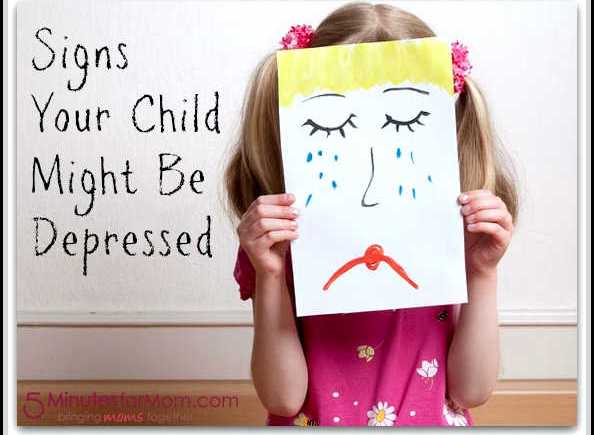
Depression in Children: What are the Signs?

By: Sally Santos

In children the most common mental health disorder is depression. When a child is going through depression it may affect their mental and physical health. As mentioned in a Psychology Today article the symptoms “must also interfere with the child’s functioning in normal daily activities.” Since children are still young they are not able to communicate their feelings well to others. Children with depression can be helped that’s why it is important for parents, caregivers and teachers to recognize the signs of depression. Some of the symptoms are:

  • Angry outburst
  • Anxiety
  • Decreased in energy
  • Feelings of hopelessness
  • Lack of concentration
  • Weight loss
  • Insomnia
  • Refusal to go to school

According to the National Alliance of Mental Health “Once a young person has experienced a major depression, he or she is at risk of developing another depression within the next five years.”

Sources:

https://www.psychologytoday.com/us/blog/alphabet-kids/201009/20-signs-and-symptoms-childhoodteen-depression

https://www.psychologytoday.com/us/blog/alphabet-kids/201009/depressing-news-about-childhood-and-adolescent-depression

Image:

https://www.anxietymedications.net/childhood-depression-symptoms-and-signs-to-diagnose-stress-on-kids/

If you are a parent and are concerned about your child having depression call the licensed psychologists, psychiatrists, psychiatric nurse practitioners, and psychotherapists at Arista Counseling & Psychotherapy can assist you. Contact our Paramus, NJ or Manhattan, NY offices respectively, at (201) 368-3700 or (212) 722-1920 to set up an appointment. For more information, visit http://www.counselingpsychotherapynjny.com/