Mental Health Awareness

Mental Health Awareness

By Lauren Hernandez

               It is important to recognize how mental illness affects many people’s lives. Mental health awareness promotes the understanding and respect towards those who suffer from mental illnesses. It is important that we make attempts to normalize and destigmatize those struggling with mental illness. If you know of someone struggling with mental health issues, there are a multitude of resources that can help.

Available resources:

National Alliance on Mental Illness (NAMI): www.nami.org

NAMI StigmaBusters is “a network of dedicated advocates across the country and around the world who seek to fight inaccurate and hurtful representations of mental illness”. NAMI StigmaBusters

Suicide.org – Suicide prevention, awareness, and support: www.suicide.org

National Institute of Mental Health (NIMH): www.nimh.nih.gov

Substance Abuse and Mental Health Services Administration (SAMHSA): www.samhsa.gov

National Suicide Prevention Lifeline: 1-800-273-TALK (8255) www.suicidepreventionlifeline.org

Children and Adults with Attention Deficit Hyperactivity Disorder (CHADD): www.chadd.org

Child and Adolescent Bipolar Foundation: www.bpkids.org

The Trevor Project (LGBT mental health/suicide prevention): www.trevorproject.org

Anxiety Disorders Association of America: www.adaa.org

National Eating Disorders Association: www.nationaleatingdisorders.org

Alcoholics Anonymous: www.aa.org

Narcotics Anonymous: www.na.org

Gamblers Anonymous: www.gamblersanonymous.org

Alzheimer’s Association: www.alz.org

Depression and Bipolar Support Alliance: www.dbsalliance.org

National Autism Association: www.nationalautismassociation.org

Veterans Crisis Line (U.S. Department of Veterans Affairs): 1-800-273-8255 (press 1)

U.S. Department of Veterans Affairs – Mental Health: www.mentalhealth.va.gov

Mental Health America: www.mentalhealthamerica.net

If you or someone you know is struggling with any type of mental illness, please contact our psychotherapy offices in New York or New Jersey to talk to one of our licensed professional psychologists, psychiatrists, psychiatric nurse practitioners, or psychotherapists at Arista Counseling & Psychotherapy. Contact our Paramus, NJ or Manhattan, NY offices respectively, at (201) 368-3700 or (212) 722-1920 to set up an appointment. For more information, please visit http://www.counselingpsychotherapynjny.com/ .


Sources:

https://www.psychologytoday.com/us/blog/here-there-and-everywhere/201105/mental-health-awareness-month-resources

https://www.psychologytoday.com/us/blog/when-your-adult-child-breaks-your-heart/201705/mental-health-awareness-month

Image Source: https://www.bing.com/images/search?view=detailV2&id=9714F039483EC40A08B372F59E3C5D5C556378C8&thid=OIP.ex7QOQol-OoPT6G8NSkiUgFZC1&mediaurl=https%3A%2F%2Fnamibv.org%2Fwp-content%2Fuploads%2Fsites%2F21%2F2018%2F03%2Fmay-mental-health.png&exph=630&expw=1200&q=mental+health+awareness+month&selectedindex=3&ajaxhist=0&vt=0&eim=1,2,6


Eating Disorders: Disordered Eating Habits

Eating Disorders: Disordered Eating Habits

Image result for disordered eating habits

Eating Disorders: Disordered Eating Habits

By: Julia Keys

Our culture is obsessed with weight, thinness, exercise, and beauty. Studies show that women under the age of 19 are particularly vulnerable to the problematic effects of social media; about 60% of girls have a desire to lose weight even though they are within the healthy weight range ( Morris & Katzman, 2003). As a result, many people have developed unhealthy ways of eating and exercising for dealing with the pressure to look a certain way. These habits can seem minor at first, but can quickly develop into an eating disorder. While disordered eating habits do not meet the clinical criteria for an eating disorder, they are still unhealthy and potentially damaging.

Signs of Disordered Eating Habits:

  • Self-worth or self-esteem based highly or even exclusively on body shape and weight
  • A disturbance in the way one experiences their body i.e. a person who falls in a healthy weight range, but continues to feel that they are overweight
  • Excessive or rigid exercise routine
  • Obsessive calorie counting
  • Anxiety about certain foods or food groups
  • A rigid approach to eating, such as only eating certain foods, inflexible meal times, refusal to eat in restaurants or outside of one’s own home

It is important to recognize the signs of disordered eating and try to eradicate them before they become potentially harmful. Clinicians advise to quit fad diets because they are extremely restrictive and often result in binge eating. Obsessive exercise focused on “fat-burning” or “calorie-burning” should also be avoided and replaced with physical activity that is more focused on enjoyment. Another tip psychologists give is to avoid weighing yourself every single day. Weight can fluctuate about 2-5 lbs. a day, so fixating on a specific number in order to be healthy isn’t helpful. If disordered eating habits suddenly get worse, or start to impact one’s daily functioning, one should seek help.

If you or someone you know is struggling with an eating disorder, please contact our psychotherapy offices in New York or New Jersey to talk to one of our licensed professional psychologists, psychiatrists, psychiatric nurse practitioners, or psychotherapists at Arista Counseling & Psychotherapy. Contact our Paramus, NJ or Manhattan, NY offices respectively, at (201) 368-3700 or (212) 722-1920 to set up an appointment. For more information, please visit http://www.counselingpsychotherapynjny.com/ .

Sources:

https://www.psychologytoday.com/us/blog/contemporary-psychoanalysis-in-action/201402/disordered-eating-or-eating-disorder-what-s-the

https://www.ncbi.nlm.nih.gov/pmc/articles/PMC2792687/

Source for Picture:

https://www.google.com/search?tbm=isch&source=hp&biw=692&bih=584&ei=4UvtXJSbA-Spgge30qyABA&q=disordered+eating+habits&oq=disordered+eating+habits&gs_l=img.3..0i24.1459.6057..6251…1.0..0.178.1809.22j3……0….1..gws-wiz-img…..0..0j0i8i30j0i30.GFcmoKIva3A#imgrc=skxxnYifexcxWM:&spf=1559055335909


Psychosomatic Disorders

Psychosomatic Disorders

By Crystal Tsui

Psychosomatic disorder affects both mind and body and it occurs when a physical disease is exacerbated or caused by mental factors or vice versa. Psychological factors can cause physical symptoms when there is no physical disease. There are many factors that are involved with psychosomatic disorders, such as

  • Biological traits
  • Genetic and environmental factors
  • Family influences
  • Learned behavior

Some symptoms of psychosomatic disorders include:

  • Generalized pain
  • Weakness
  • Fatigue
  • Shortness of breath

There are many physical diseases and conditions that are prone to be exacerbated by psychological factors. Some conditions include:

  • Hypertension
  • Constipation
  • Diarrhea
  • Dyspnea
  • Tachypnea
  • Tachycardia

Cognitive behavioral therapy is often the treatment for psychosomatic disorders and it helps individuals cope with their problems (eg. stress, anxiety, depression) and understand that their mental health is connected to their physical health. Most healthcare professionals try to treat the individual, taking into account the mental, social, and physical factors that may contribute to a disease.

 If you or someone you know has psychosomatic disorder, please contact our psychotherapy offices in New York or New Jersey to talk to one of our licensed professional psychologists, psychiatrists, psychiatric nurse practitioners, or psychotherapists at Arista Counseling & Psychotherapy. Contact our Paramus, NJ or Manhattan, NY offices respectively, at (201) 368-3700 or (212) 722-1920 to set up an appointment. For more information, please visit http://www.counselingpsychotherapynjny.com/ .

Sources:

https://centerforanxietydisorders.com/treatment-programs/psychosomatic-disorders/

https://www.google.com/url?sa=i&source=images&cd=&ved=2ahUKEwib8_iSpLTiAhWtTd8KHQaAC_cQjRx6BAgBEAU&url=https%3A%2F%2Fwww.abc.net.au%2Fradionational%2Fprograms%2Fallinthemind%2Fhypochondria-and-psychosomatic-illness%2F6866448&psig=AOvVaw1o8-BXYZWCSksnlzsZPuSV&ust=1558791237650609

Bulimia Nervosa

Bulimia Nervosa

By: Lauren Hernandez

Bulimia Nervosa is an eating disorder known for episodes of out of control eating and subsequent self-induced methods of purging in order to prevent weight gain. Binging is considered an irresistible compulsion and on average happens about once a week, but can also occur several times a week. Bulimia is most common in women and typically begins in their teens to early 20s. The cultural obsession with a perfect body image, fueled by social media models with unattainable body “goals”, is harmful to young people’s self-esteem and body image. Social media perpetuates a cultural and social expectation of women needing to be thin in order to be beautiful, and this negatively impacts our younger generations.

Signs of Bulimia include:

  • Yellow teeth, erosion of dental enamel
  • Gastrointestinal problems
  • Unexpected weight gain
  • Hair loss
  • Lack of bowel movements
  • Lack of energy
  • Dehydration
  • Red, blistered, or scabbed knuckles

Some typical purging methods include:

  • Vomiting
  • Taking laxatives or diuretics
  • Excessive exercise

Some typical restrictive eating symptoms include:

  • Fasting
  • Disordered Eating

Research has shown that people with Bulimia Nervosa have comorbid mental illnesses such as anxiety, depression, or substance use disorder. Bulimia is also related to personality disorders which effect one’s social, personal, behavioral, and emotional interactions. Bulimia is best treated through a primary care physician, a nutritionist, and a mental health clinician. Cognitive behavioral therapy as well as antidepressants are extremely helpful for those recovering from Bulimia. It is important that schools address eating disorders at an early age in order to educate and bring awareness to young people.


If you or someone you know is struggling with an eating disorder, please contact our psychotherapy offices in New York or New Jersey to talk to one of our licensed professional psychologists, psychiatrists, psychiatric nurse practitioners, or psychotherapists at Arista Counseling & Psychotherapy. Contact our Paramus, NJ or Manhattan, NY offices respectively, at (201) 368-3700 or (212) 722-1920 to set up an appointment. For more information, please visit http://www.counselingpsychotherapynjny.com/ .


Source: https://www.psychologytoday.com/us/blog/inside-out-outside-in/201703/what-is-bulimia-nervosa

Image source: https://www.bing.com/images/search?view=detailV2&id=3DDA12C2C015D07EED4E8521F677C3692EB5A34B&thid=OIP.5ljFRAgr8tpAQ_TSuNjlVgHaE7&mediaurl=https%3A%2F%2Fwww.seasonsmedical.com%2Fwp-content%2Fuploads%2FBulimia-Nervosa-100.jpg&exph=524&expw=788&q=bulimia+nervosa&selectedindex=53&ajaxhist=0&vt=0&eim=1,2,6

The Benefits of Yoga on the Mind and Body

Stress Reduction: The Benefits of Yoga     Stress Reduction: The Benefits of Yoga

       By: Julia Keys

        Yoga is a group of physical, mental and spiritual practices that originated in ancient India. Yoga became popular in the United States in the 1960’s as a way to feel a natural “high” without the use of substances. Today, yoga is practiced in the U.S. as a way to relieve stress, exercise, practice spirituality, and to heal the mind and body.

Researchers have found a myriad of benefits of yoga on mental health. Studies show that practicing yoga helps people reduce anger and anxiety, improves sleep, decreases Post Traumatic Stress, and improves daily mood. Yoga’s benefits can all be traced back to its physiological effects on the heart and the nervous system. Yoga incorporates various breathing and meditation exercises alongside physical movement. Yogic or meditative breathing has been shown to increase heart rate variability, or HRV. HRV is simply the distance between each heartbeat. The goal of yogic breathing is to increase the time between each heartbeat. Slower heartbeats can relieve stress and anxiety. Faster heartbeats are correlated with poor emotional regulation.

There are many different types of yoga from which one can choose from. For those seeking yoga that focuses on meditation and breathing, Ananda and Hatha classes would be a good choice. Those seeking more rigorous and physical forms of yoga may want to take Ashtanga or Kundalini classes.

 If you or someone you know is having trouble with stress, anxiety or regulating emotions, please contact our psychotherapy offices in New York or New Jersey to talk to one of our licensed professional psychologists, psychiatrists, psychiatric nurse practitioners, or psychotherapists at Arista Counseling & Psychotherapy. Contact our Paramus, NJ or Manhattan, NY offices respectively, at (201) 368-3700 or (212) 722-1920 to set up an appointment. For more information, please visit http://www.counselingpsychotherapynjny.com/ .


Sources:

https://www.psychologytoday.com/us/blog/silencing-your-inner-bully/201901/5-ways-yoga-can-benefit-your-mental-health

https://www.psychologytoday.com/us/blog/all-about-addiction/201002/addiction-exercise-recovery-yoga-practice-and-mindfulness-in

Source for Picture:

https://www.bing.com/images/search?view=detailV2&id=E9C6F826093C0B21EF4CE1E8062B54A1CDC6869F&thid=OIP.t9l4rEVh9uZ6p8IzbsRaaAHaEL&mediaurl=http%3A%2F%2Fil7.picdn.net%2Fshutterstock%2Fvideos%2F3059605%2Fthumb%2F1.jpg&exph=480&expw=852&q=yoga+sunset+images&selectedindex=15&ajaxhist=0&vt=0&eim=1,2,6


Mindfulness: What is it, and does it really work?

Mindfulness: What is it, and does it really work?

By: Lauren Hernandez

In this busy, technology filled day and age, it is difficult for people to remove themselves from the stress of work and money, family and friends, and to disconnect from the 24/7 social frenzy that is social media. Now more than ever it is imperative that people begin to step back from their phones and computer screens to take care of their mental health and general wellbeing. One fairly new and unique way is mindfulness meditation.

What is mindfulness you may ask? Mindfulness is a process in which you have full and total awareness of the present moment. It has been proven that mindfulness reduces feelings of anxiety and depression and improves one’s mental health.

Here are some simple tips to begin practicing mindfulness on your own:

  • Bring your attention to your breathing. Feel your breath filling your lungs and the warm exhale of air leaving your body.
  • Notice changes in your posture and maintain awareness of current bodily sensations
  • Allow yourself to disconnect from all forms of technology
  • Take time to listen and to observe what is happening around you
  • If you get distracted bring your attention back to your natural breathing patterns

If you feel as though you may need help practicing mindfulness or have questions about the way you are feeling, contact a mental health professional such as a psychologist who can offer some guidance.


If you or someone you know is seeking guidance in practicing mindfulness, please contact our psychotherapy offices in New York or New Jersey to talk to one of our licensed professional psychologists, psychiatrists, psychiatric nurse practitioners, or psychotherapists at Arista Counseling & Psychotherapy. Contact our Paramus, NJ or Manhattan, NY offices respectively, at (201) 368-3700 or (212) 722-1920 to set up an appointment. For more information, please visit http://www.counselingpsychotherapynjny.com/ .


Source:

https://www.msn.com/en-gb/news/happiness/what-is-mindfulness-meditation-the-mental-health-trend-thats-changing-the-way-we-work-relax-and-sleep-%e2%80%93-explained-by-a-psychologist/ar-AABonMO

Image Source:

https://www.bing.com/images/search?view=detailV2&id=86FA9F7C4018FC36005A2032C1D57C2D863CAD85&thid=OIP.ixk5pGCmRgwvCQKIKoadJwHaFZ&mediaurl=http%3A%2F%2Fwww.wikihow.com%2Fimages%2F5%2F55%2FPractice-Mindfulness-of-Body-States-Step-7.jpg&exph=1807&expw=2479&q=mindfulness&selectedindex=60&ajaxhist=0&vt=0&eim=1,2,6


Insomnia: How to Regain Control of Your Sleep!

By: Lauren Hernandez

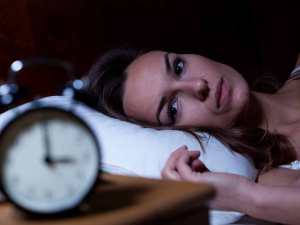
            Insomnia is one of the most prevalent sleep disorders within the United States. People with insomnia struggle to fall asleep, have difficulty staying asleep, or wake up too early. Insomnia is a side effect caused by daily stressors, travel, or other major or minor life events, and can also be caused by other sleeping problems such as sleep apnea. Short term insomnia can be relieved through changes in your lifestyle and habits, including exercise to relieve stress and tension, and meditation or a hot bath to relax and unwind from a busy day. Additionally, changing your bedroom environment to avoid stimulating activities and maintaining a regular sleep schedule will help you fall asleep faster and stay asleep longer. For those with long term insomnia, lasting more than three weeks, it is suggested you visit a psychologist or psychiatric nurse practitioner as there are therapies and medications which can help reduce difficulty sleeping.


If you or someone you know is struggling with insomnia, please contact our psychotherapy offices in New York or New Jersey to talk to one of our licensed professional psychologists, psychiatrists, psychiatric nurse practitioners, or psychotherapists at Arista Counseling & Psychotherapy. Contact our Paramus, NJ or Manhattan, NY offices respectively, at (201) 368-3700 or (212) 722-1920 to set up an appointment. For more information, please visit http://www.counselingpsychotherapynjny.com/ .


Source:

https://www.nami.org/Learn-More/Mental-Health-Conditions/Related-Conditions/Sleep-Disorders

Image Source:

https://www.saga.co.uk/contentlibrary/saga/publishing/verticals/health-and-wellbeing/wellbeing/insomniaistock_52736834_medium768x576


Anorexia Nervosa: How to Spot the Signs

By: Lauren Hernandez

People with anorexia nervosa have a perception of themselves as overweight although typically they are extremely underweight. It is common for a person to have more than one mental disorder such as depression and anxiety which accompany anorexia nervosa.

Major symptoms:

  • Fear of gaining weight
  • Extreme thinness (emaciation)
  • Drastic restricted eating patterns
  • Denial of their extremely low body weight
  • Dry and yellowish skin
  • Fine hair all over the body (lanugo)

If you see a friend exhibiting these behaviors and symptoms, it is best to reach out to an adult or medical professional. It is imperative that people with eating disorders seek treatment early on so that total recovery is possible.

You are not alone.

If you or someone you know is struggling with an eating disorder, please contact our psychotherapy offices in New York or New Jersey to talk to one of our licensed professional psychologists, psychiatrists, psychiatric nurse practitioners, or psychotherapists at Arista Counseling & Psychotherapy. Contact our Paramus, NJ or Manhattan, NY offices respectively, at (201) 368-3700 or (212) 722-1920 to set up an appointment. For more information, please visit http://www.counselingpsychotherapynjny.com/ .


Source:

https://www.nimh.nih.gov/health/topics/eating-disorders/index.shtml


Image Source:

https://www.bing.com/images/search?view=detailV2&id=3D24C7C89D97AF44EB55FE5DCC57C2B982550B0A&thid=OIP.LWLWV8Px_CgM_wXxP5oyugHaFj&mediaurl=http%3A%2F%2Fimage.slidesharecdn.com%2Fanorexia3c-121028074613-phpapp02%2F95%2Fanorexia-slideshare-1-638.jpg%3Fcb%3D1351410841&exph=479&expw=638&q=anorexia+pic&selectedindex=0&ajaxhist=0&vt=0&eim=1,2,6

Anxiety: Test Taking

Anxiety: Test Taking

By Toniann Seals

Many students are exceptional in class, but find themselves below average on tests (both in class and standardized). How can the student who is continuously participating, going to extra tutoring sessions and always asking questions failing tests? There is a chance they are suffering from test taking anxiety.

Symptoms of test anxiety

While testing:

  • Shaking
  • Nausea
  • Forgetfulness
  • Hot flashes

Effects of test anxiety

  • Feelings of not being good enough
  • Feeling as though you are a failure
  • Negative thoughts
  • Lack of self esteem

Overcoming test anxiety is something that can be handled with a professional, however there are ways you can help yourself in the meantime.

Coping mechanisms

  • Begin studying early so you feel more confident and less anxious
  • Have open communication with your teacher so they understand what you are going through
  • Get enough sleep the night before
  • Meditation can help anxiety
  • Create affirmations and positive thoughts where you picture yourself doing well

If you or someone you know is dealing with anxiety speak with one of our licensed professional psychologists, psychiatrists, psychiatric nurse practitioners, and psychotherapists. Contact us at our Paramus, NJ or Manhattan, NY offices at (201) 368-3700 or (212) 722-1920 respectively to set up an appointment. For more information, visit http://www.counselingpsychotherapynjny.com/.

Source:

https://www.mayoclinic.org/diseases-conditions/generalized-anxiety-disorder/expert-answers/test-anxiety/faq-20058195

(Image) https://www.psycom.net/test-anxiety-quiz-assessment/

Ever Feel Like a Fraud?

By: Stephanie Osuba

Despite your degrees, acclaims, and accomplishments, do you ever sometimes feel like you are an imposter? That you’ve been getting lucky or that you’re a fake in your profession and one day people are going to find you out? As it turns out, you aren’t alone. Many successful people feel this way and often have to step back and remember all the things they have achieved – Maya Angelou and Albert Einstein among these people! While there is no diagnosis or even proper name for this feeling in the DSM-5, there are countless of reports of this in psychology and psychotherapy literature. In fact, the first time the term “imposter syndrome” was used was in an article in 1978 by Drs Pauline R. Clance and Suzanne A. Imes who – after studying 150 educated, established, and highly respected women – found that they didn’t have an internal sense of success and found themselves to be “imposters.”

So what causes this “imposter syndrome” that befalls so many successful people? One reason could be that there is no real measure to success. There is always something more that you can do and regardless of how much success you’ve already had and you think you are content with, self-doubt can always creep in and say you haven’t done enough. Another reason could be “pluralistic ignorance,” which is believing something to be true without being able to prove or disprove it – usually involving unspoken or false beliefs about other people. For example, research has shown that all college students feel anxiety about school but the actual students think they are the only ones who feel that way and other people are having no trouble adjusting to college life. And lastly, talent can make us believe that we haven’t worked hard enough and don’t deserve the praise or success of what comes naturally to us.

Source: https://www.psychologytoday.com/us/blog/the-couch/201811/do-you-ever-feel-fraud 

If you or someone you know appears to be having issues with self-esteem or is suffering from anxiety, the licensed psychologists, psychiatrists, psychiatric nurse practitioners, and psychotherapists at Arista Counseling & Psychotherapy can assist you. Contact our Paramus, NJ or Manhattan, NY offices respectively, at (201) 368-3700 or (212) 722-1920 to set up an appointment. For more information, visit http://www.counselingpsychotherapynjny.com/