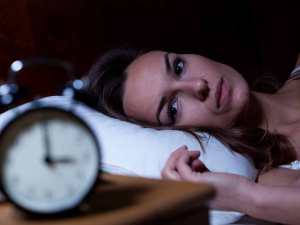
Insomnia: How to Regain Control of Your Sleep!

By: Lauren Hernandez

            Insomnia is one of the most prevalent sleep disorders within the United States. People with insomnia struggle to fall asleep, have difficulty staying asleep, or wake up too early. Insomnia is a side effect caused by daily stressors, travel, or other major or minor life events, and can also be caused by other sleeping problems such as sleep apnea. Short term insomnia can be relieved through changes in your lifestyle and habits, including exercise to relieve stress and tension, and meditation or a hot bath to relax and unwind from a busy day. Additionally, changing your bedroom environment to avoid stimulating activities and maintaining a regular sleep schedule will help you fall asleep faster and stay asleep longer. For those with long term insomnia, lasting more than three weeks, it is suggested you visit a psychologist or psychiatric nurse practitioner as there are therapies and medications which can help reduce difficulty sleeping.


If you or someone you know is struggling with insomnia, please contact our psychotherapy offices in New York or New Jersey to talk to one of our licensed professional psychologists, psychiatrists, psychiatric nurse practitioners, or psychotherapists at Arista Counseling & Psychotherapy. Contact our Paramus, NJ or Manhattan, NY offices respectively, at (201) 368-3700 or (212) 722-1920 to set up an appointment. For more information, please visit http://www.counselingpsychotherapynjny.com/ .


Source:

https://www.nami.org/Learn-More/Mental-Health-Conditions/Related-Conditions/Sleep-Disorders

Image Source:

https://www.saga.co.uk/contentlibrary/saga/publishing/verticals/health-and-wellbeing/wellbeing/insomniaistock_52736834_medium768x576


Anorexia Nervosa: How to Spot the Signs

By: Lauren Hernandez

People with anorexia nervosa have a perception of themselves as overweight although typically they are extremely underweight. It is common for a person to have more than one mental disorder such as depression and anxiety which accompany anorexia nervosa.

Major symptoms:

  • Fear of gaining weight
  • Extreme thinness (emaciation)
  • Drastic restricted eating patterns
  • Denial of their extremely low body weight
  • Dry and yellowish skin
  • Fine hair all over the body (lanugo)

If you see a friend exhibiting these behaviors and symptoms, it is best to reach out to an adult or medical professional. It is imperative that people with eating disorders seek treatment early on so that total recovery is possible.

You are not alone.

If you or someone you know is struggling with an eating disorder, please contact our psychotherapy offices in New York or New Jersey to talk to one of our licensed professional psychologists, psychiatrists, psychiatric nurse practitioners, or psychotherapists at Arista Counseling & Psychotherapy. Contact our Paramus, NJ or Manhattan, NY offices respectively, at (201) 368-3700 or (212) 722-1920 to set up an appointment. For more information, please visit http://www.counselingpsychotherapynjny.com/ .


Source:

https://www.nimh.nih.gov/health/topics/eating-disorders/index.shtml


Image Source:

https://www.bing.com/images/search?view=detailV2&id=3D24C7C89D97AF44EB55FE5DCC57C2B982550B0A&thid=OIP.LWLWV8Px_CgM_wXxP5oyugHaFj&mediaurl=http%3A%2F%2Fimage.slidesharecdn.com%2Fanorexia3c-121028074613-phpapp02%2F95%2Fanorexia-slideshare-1-638.jpg%3Fcb%3D1351410841&exph=479&expw=638&q=anorexia+pic&selectedindex=0&ajaxhist=0&vt=0&eim=1,2,6

The loss of a loved one

Image result for man crying

By: Jasmine Coe

The death of someone close to you is one of the hardest things in life to deal with. It is an emotional rollercoaster that very well would be one of the most stressful events in one’s life. During our grieving, we may experience one or more of these feelings:

  • Numbness
  • Denial
  • Disbelief
  • Confusion
  • Shock
  • Sadness
  • Yearning
  • Anger
  • Humiliation
  • Despair
  • Guilt

All of these emotions are normal, even when you being to feel like the duration of your grief is longer than you think is “right”. When dealing with grief, some things that may be helpful in the coping process are:

  • Seek out caring people
  • Express your feelings
  • Take care of your health
  • Accept that life is for the living
  • Postpone major life changes
  • Be patient
  • Seek outside help when necessary

You are not alone in your battle to cope with your loss, someone is always ready to listen.


If you or someone you know is grieving over the loss of a loved one, please contact our psychotherapy offices in New York or New Jersey to talk to one of our licensed professional psychologists, psychiatrists, psychiatric nurse practitioners, or psychotherapists at Arista Counseling & Psychotherapy. Contact our Paramus, NJ or Manhattan, NY offices respectively, at (201) 368-3700 or (212) 722-1920 to set up an appointment. For more information, please visit http://www.counselingpsychotherapynjny.com/ .

Source:

http://www.mentalhealthamerica.net/conditions,coping-loss-bereavement-and-grief

Image Source:

https://www.google.com/search?q=man+crying&source=lnms&tbm=isch&sa=X&ved=0ahUKEwjOk-z10oziAhVEVd8KHTC3D9gQ_AUIDigB&biw=1391&bih=636#imgrc=ytHDyk6o39yZbM:&spf=1557343045057

How to spot a Narcissist

By: Jasmine Coe

A narcissist would be described as someone who has an inflated sense of self importance with no regard to other people’s feelings. Narcissism is one of several types of personality disorders that can cause many issues in work, school, relationships, or financially. People with narcissistic personality disorder, or NPD, typically will associate with people who they believe are also unique or gifted, enhancing their fragile self-esteem to standards that they believe they should be.

People with NPD usually have five or more of the following symptoms:

  1. Exaggerated sense of self
  2. Sense of entitlement, need for constant admiration
  3. Recognition as superior
  4. Exaggerate talents/achievements
  5. Preoccupied with fantasies of success, power, beauty, and intelligence
  6. Believe they are superior and can only associate with similar people
  7. Take advantage of others to reach their goal
  8. Lack empathy
  9. Belittle inferior people
  10. Envious of others and believe others are envious of them
  11. Arrogant behavior/ attitude
  12. Expectations of favorable treatment
  13. Insist on having the best of everything

Source:

https://www.psychologytoday.com/us/conditions/narcissistic-personality-disorder

https://www.mayoclinic.org/diseases-conditions/narcissistic-personality-disorder/symptoms-causes/syc-20366662

Image Source:

If you or someone you know is suffering from Narcissistic Personality Disorder, please contact our psychotherapy offices in New York or New Jersey to talk to one of our licensed professional psychologists, psychiatrists, psychiatric nurse practitioners, or psychotherapists at Arista Counseling & Psychotherapy. Contact our Paramus, NJ or Manhattan, NY offices respectively, at (201) 368-3700 or (212) 722-1920 to set up an appointment. For more information, please visit http://www.counselingpsychotherapynjny.com/ .

Seasonal Affective Disorder: Not Just the Winter Blues

winter-depression1

Seasonal Affective Disorder: Not Just the Winter Blues

By Jessica Burgess


As spring finally approaches, many are hopeful for longer and brighter days in hopes that it will heighten their mood and ease them of the ‘winter blues’. But how typical are these mood shifts and when are they cause for concern?  Season Affective Disorder (SAD), a type of depression that is related to changes in season, often goes overlooked by the average person and just considered normal winter blues. However, SAD has many of the same symptoms and risks as Major Depressive Disorder (MDD).


Most people with SAD tend to show symptoms beginning in the fall and ending before spring but some show symptoms in the spring and progress through the summer months. Either way, the disorder follows a pattern of seasonal change, where the symptoms get worse towards the end of the season. Symptoms of SAD include:

  • Feelings of depression almost every day, all day
  • Sleeping problems
  • Weight gain or loss
  • Changes in appetite
  • Feelings of hopeless, worthlessness or guilt
  • Lower interest in activities you used to find interesting
  • Low energy
  • Thoughts of death or suicide


If you think or someone you know is suffering from Seasonal Affective Disorder, speak with one of our licensed professional psychologists, psychiatrists, psychiatric nurse practitioners, or psychotherapists. Contact us at our Paramus, NJ or Manhattan, NY offices at (201) 368-3700 or (212) 722-1920 respectively to set up an appointment. For more information, visit http://www.counselingpsychotherapynjny.com


Source: https://www.mayoclinic.org/diseases-conditions/seasonal-affective-disorder/symptoms-causes/syc-20364651

Image: https://www.bing.com/images/search?view=detailV2&id=3BA866A3E20A6419AA4CFBF4904BAA4DED3C0345&thid=OIP.vZckWdIpb71mGl5KpMkQLQHaE7&mediaurl=http%3A%2F%2Fdocakilah.files.wordpress.com%2F2011%2F01%2Fwinter-depression1.jpg&exph=399&expw=600&q=winter+depression&selectedindex=73&ajaxhist=0&vt=0&eim=1,2,6


Learning How to Face Rejection

rejection

By: Tamar Asayan

Everyone has experienced rejection whether it was not getting the job you wanted, your friends not inviting you somewhere and posting about it online, or even having someone not like you back. Rejection is the loss of something you may have once had or wanted. It is similar to abandonment because it leaves you feeling less than and unwanted. Unfortunately, rejection is something that cannot be avoided and it is a part of life that everyone will have to experience. No matter how small or big the rejection you experience is, it is always going to hurt you and leave an emotional wound. Not only does rejection cause emotional pain, but it also damages someone’s self-esteem and effects one’s mood resulting in frustration and anger. An article, “Why Rejection Hurts So Much-and What to do About it” states, “The same areas of our brain become activated when we experience rejection as when we experience physical pain. That’s why even small rejections hurt more than we think they should, because they elicit literal pain” (Winch). If you are feeling the pain of being rejected here are some ways to cope and overcome it in healthier ways.

  1. Acknowledge the pain and grief of loss
  • When you are rejected, you may feel embarrassed and don’t know how to exactly cope with it. You may repress your feelings and ignore the fact that you are in pain.
  • In order to accept rejection, you must accept the pain of what you are going through. Whether it is crying, going to therapy, exercising, or even journaling, it is important to relieve and express the emotions faced when being rejected.
  1. Don’t blame yourself
  • Most of the time you don’t understand why you have been rejected and naturally you place the blame on yourself.
  • The reason you believe you are at fault is because early in life you may have been taught to believe that you are not enough.
  • Do not take responsibility for what is out of your control.
  1. Put yourself out there
  • Rejection is part of the process which leads to success. Do not take it personally, it’s part of life.
  • Putting yourself out there can make you less sensitive to rejection; the more you are rejected the less it hurt us.
  1. Build your resiliency
  • To be resilient is to be able to recover or come back from a stressful or traumatizing event.
  • Resiliency can be learned by doing some of the following:
    • Having an open mind
    • Seeking solutions
    • Learning from an experience
    • Seeking support
    • Knowing your worth and strengths
    • Self-care

If you or someone you know is feeling rejected or dealing with rejection, call now to make an appointment to speak with one of our licensed professional psychologists, psychiatrists, psychiatric nurse practitioners, or psychotherapists. Contact us at our Paramus, NJ (201) 368-3700 or Manhattan, NY offices at or (212) 722-1920 to set up an appointment. For more information, visit http://www.counselingpsychotherapynjny.com/.

Sources: https://psychcentral.com/blog/how-to-overcome-rejection-like-a-champ/

https://ideas.ted.com/why-rejection-hurts-so-much-and-what-to-do-about-it/

https://blogs.psychcentral.com/imperfect/2019/02/4-strategies-to-cope-with-the-pain-of rejection/

Image: https://www.dailymail.co.uk/femail/article-1327598/Why-rejection-good-you.html

Grief: Ways to Cope

Grief: Ways to Cope

By Toniann Seals

The death of a loved one requires coping skills that not many people know how to develop. In this case, grief is the feeling of sadness and loss in relation to someone no longer in your life.

Ways to cope:

  • Join a support group
    • You may find comfort in being around others who can relate to your pain and experience.
  • Be open
    • Try not to bottle up your feelings. Express them and address them as soon as needed.
  • Accept your differences
    • Do not worry about how long your grieving process is or if you are reacting properly. Everyone grieves differently and it is all up to the individual.
  • Take care of yourself
    • Try not to neglect your hobbies, hygiene or health because these will help you through the day.
  • Seek counseling
    • If you feel that it is difficult handling the grieving process on your own, contact a psychologist or psycho therapist who can help you overcome your loss.

If you or someone you know is having a difficult time grieving speak with one of our licensed professional psychologists, psychiatrists, psychiatric nurse practitioners, and psychotherapists. Contact us at our Paramus, NJ or Manhattan, NY offices at (201) 368-3700 or (212) 722-1920 respectively to set up an appointment. For more information, visit http://www.counselingpsychotherapynjny.com/.

Sources:

https://kidshealth.org/en/teens/coping-grief.html

https://www.helpguide.org/articles/grief/coping-with-grief-and-loss.htm/

https://www.apa.org/helpcenter/grief

(Image) http://www.gannett-cdn.com/-mm/f943158abab8ab7973711dda2a54d74c0bdc5979/c=284-2756-5920-5940&r=x1683&c=3200×1680/local/-/media/2016/11/09/USATODAY/USATODAY/636142814289480079-XXX-193876-1-iocs-Sadness1-150-per16-150-R1.jpg


Mental Health Stigma: Myths

Mental Health Stigma: Myths

By Toniann Seals

When you hear that someone has mental health issues there are a few myths that may come to mind. Below are a few common myths and why they are not true.

1. MYTH: “People with mental health problems are dangerous.”

  • Mental health problems do not imply danger. Most people are battling something internally and do not have any signs of being a danger to themselves or others.

2. MYTH: “People with mental health problems are unstable.”

  • Many people with mental health problems are high functioning and can control their emotions. They can make their own well thought out choices.

3. MYTH: “People with mental health problems are unsuccessful in their daily lives.”

  • Many people with mental health problems are able to perform daily tasks such as working and having hobbies. They can be CEOs of companies, thrive in their careers and make important decisions.

4. MYTH: “People with mental health problems are lazy.”

  • Sometimes daily tasks do get hard for some, but mental illness has nothing to do with laziness. There are many factors that go into these illnesses as well as reasons why some people cannot function as productively as usual.

5. MYTH: “There is no hope for someone with mental health problems.”

  • Many people go to therapy for treatment and work toward recovery.

Before you are quick to judge someone because of their actions or labeled illness, think more in depth about what they are doing and who they are as a person. Just because you hear something that generalizes a group of people, it does not mean it is true.

If you or someone you know is suffering from a mental health problem speak with one of our licensed professional psychologists, psychiatrists, psychiatric nurse practitioners, and psychotherapists. Contact us at our Paramus, NJ or Manhattan, NY offices at (201) 368-3700 or (212) 722-1920 respectively to set up an appointment. For more information, visit http://www.counselingpsychotherapynjny.com/.

Sources:

https://www.mentalhealth.gov/basics/mental-health-myths-facts

(Image) https://smallbizclub.com/startup/creating-a-plan/10-myths-vs-reality-business-plans-startup-investment/

Suicidal Ideation: The Inner Voice of Chaos

Suicidal Ideation: The Inner Voice of Chaos

By: Elizabeth Lynch

              Having a mental illness can be extremely scary especially when suicidal thoughts creep into the mind. These thoughts are known as suicidal ideations; which are not uncommon in people suffering from mental illnesses such as depression, bipolar disorder, schizophrenia, and other mood disorders. Suicidal ideations often consist of frequent thoughts about committing suicide but they can extend as far as incomplete attempts. Not everyone with a mental illness attempts suicide. However, many have fleeting thoughts about it which can grow into a more dangerous situation if left unaided.

If you or someone you know may attempt suicide or are experiencing any of the following actions, get immediate help now!

Please call 911 or the suicide hotline 1-800-273-8255

  • Detailed planning
    • Having a step by step plan
  • Role playing
    • Sitting with a bottle of pills or standing on a chair with a noose
  • Incomplete attempts
    • Usually constructed not to be completed or discovered
    • May be fully intended to cause death

If you or someone you know is feeling suicidal or experiencing any of the following thoughts please seek medical help from your doctor or mental health professional:

  • Fleeting thoughts
    • Example: “I’m nothing” or “I’m worthless”
  • Extensive thoughts
    • Example: “I wish I was dead” or “the world would be better without me”
  • Intrusive thoughts
    • Example: “I could crash my car right now”

Additional Warning Signs:

  • Withdrawal from social contact
  • Mood swings
  • Changing of routines
  • Self-destructive actions
    • Increase use of drugs and alcohol, reckless driving
  • Giving away personal belongings for no logical reasons
  • Acquiring the means to commit suicide
    • Stockpiling pills, unexplained purchases of razor blades, knives, or guns
  • Unexplained notions of love followed by a goodbye that is seemingly to final

If you or a loved one appears to be suffering from Suicidal Ideations, the licensed psychologists, psychiatrists, psychiatric nurse practitioners, and psychotherapists at Arista Counseling & Psychotherapy can assist you. Contact our Paramus, NJ or Manhattan, NY offices respectively, at (201) 368-3700 or (212) 722-1920 to set up an appointment. For more information, visit http://www.counselingpsychotherapynjny.com/


Obsessive Preoccupation with Perfect Health

Obsessive Preoccupation with Perfect Health

By: Toniann Seals

Everyone has heard of the phrase, “too much of a good thing is a bad thing.” Of course, it is not true in all situations, however with healthy living it may be.

Ways to stay healthy:

  1. Exercising daily
  2. Eating regularly
  3. Incorporating fruits and vegetables into your diet
  4. Walking/taking the stairs
  5. Improving strength
  6. Eating organic food

If you take these behaviors to an extreme, it could potentially become negative both physically and mentally. Chronic fatigue or body image issues may arise. If exercising gets in the way of daily activities and causes your energy to decline afterward you may need to cut down. Likewise, eating healthy food is amazing for the body; however excessive dieting, calorie counting, and fasting can lead to eating disorders and other mental illnesses.

This could also negatively impact family and friends as your lifestyle could possibly put them in a position where they feel the need to keep up with you.

Patience, as well as understanding that perfection should not be the “goal,” can erase any bad thoughts or influences. Work hard, yet take care of your mental and physical health. Moderation and balance are necessary for a healthy life.

If you or someone you know is dealing with unhealthy lifestyle habits or an eating disorder, speak with one of our licensed professional psychologists, psychiatrists, psychiatric nurse practitioners, and psychotherapists. Contact us at our Paramus, NJ or Manhattan, NY offices at (201) 368-3700 or (212) 722-1920 respectively to set up an appointment. For more information, visit http://www.counselingpsychotherapynjny.com/.

Image: https://all-free-download.com/free-vector/download/healthy-lifestyle-theme-human-exercise-and-fruit-icons_6826742.html