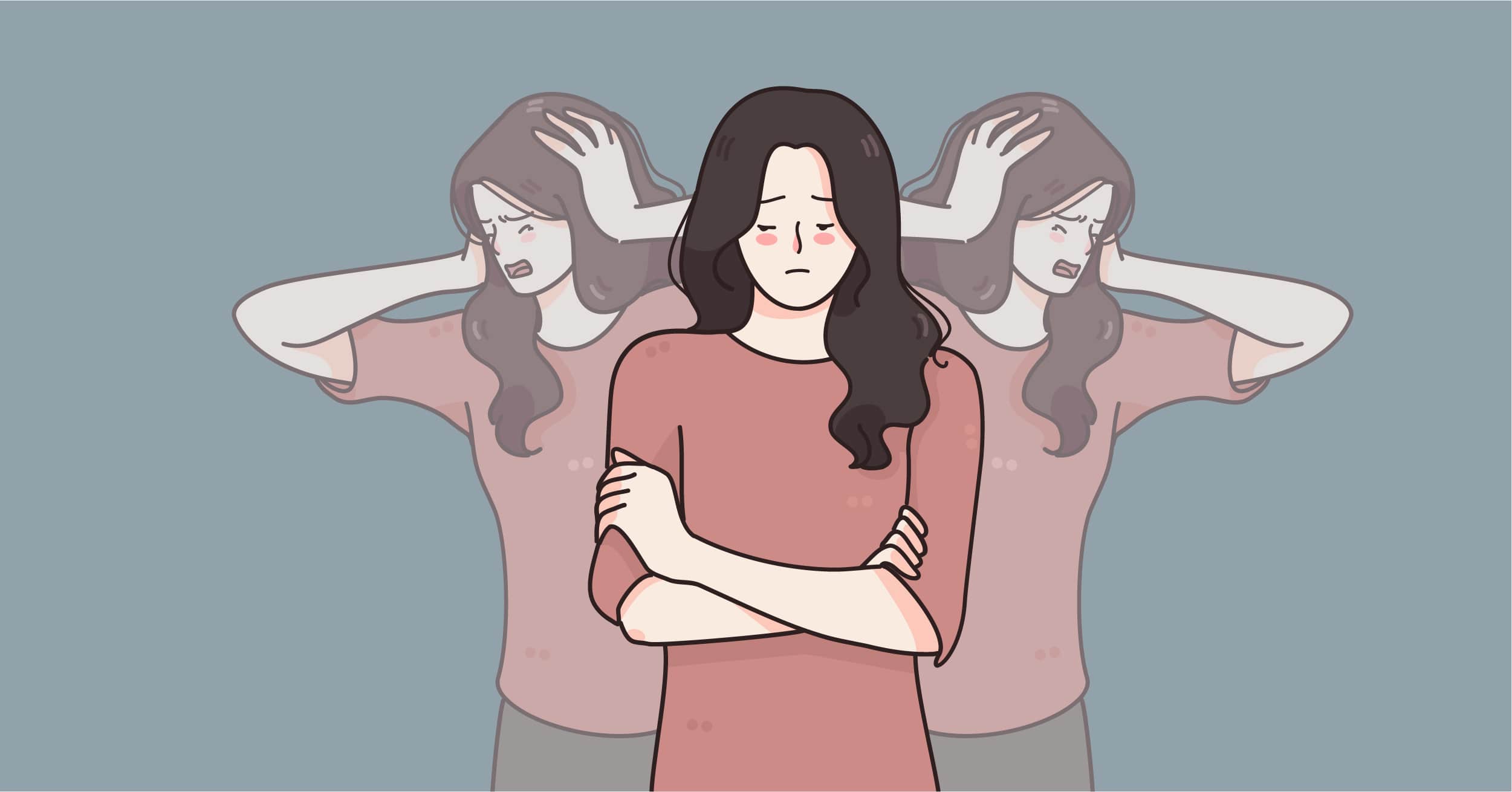
Depression: What is dysthymia?
By: Josette DeFranco
Dysthymia is mild but has more long-lasting symptoms than major depression. Dysthymia is also known as persistent depression disorder because it is continuous and long-term. There is no exact cause of dysthymia but biological differences, brain chemistry, life events, and inherited traits can play a role. It has been demonstrated that those with depression don’t have any family history of this disorder and those with a family history of depression don’t struggle with this disorder.
Some noticeable symptoms of dysthymia:
- Loss of enjoyment of regular activities
- Sadness or depressed mood
- Lack of motivation
- Tiredness
- Sleep problems
- Problems with decision-making or concentration
- Restlessness and impatient
- Low self-esteem
- Overeating or eating very little
- Suicidal thoughts
- Substance misuse
- Relationship difficulties
- School or work hardships
Some ways to help prevent dysthymia:
- Reach out to friends and family
- Seek medical professional help
- Work on reducing stress
- Be patient
- Be kind to yourself
- Practice self-care
- Don’t self-medicate
If you or someone you know is struggling with their mental health, please contact our psychotherapy offices in New York or New Jersey to talk to one of our licensed professional psychologists, psychiatrists, psychiatric nurse practitioners, or psychotherapists at Arista Counseling & Psychotherapy. Contact our Paramus, NJ, or Manhattan, NY offices at (201) 368-3700 or (212) 722-1920 to schedule an appointment. For more information, please visit https://aristapsychiatrypsychotherapy.com/
Resources:
https://www.webmd.com/depression/chronic-depression-dysthymia

 CounselingRx