
Addiction: Supporting My Adult Child Through Addiction
By Emma Yasukawa
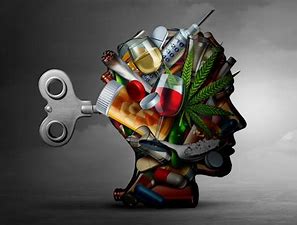
Being a parent means that your children always come first and from a young age, you teach them to make good decisions because children form plenty of life decisions on their own. For example, there are plenty of adult children who make the decision on whether or not they will try drugs or alcohol; even after hearing all of the possible side-effects and risks of addiction. This decision ultimately has an effect on parents and may leave them second-guessing their parenting skills and whether or not they did something wrong as parents.
If you are a parent of an adult child who is not making good decisions and their future seems uncertain, this can be a heavy burden on you. You must take a deep breath and remind yourself that your child is no longer your responsibility legally, and that they inevitably chose this path. Though, there are a few ways that a parent can help their adult child dealing with addiction:
1. Adult children who are addicted to a substance tend to feel as if the whole world is against them and that they feel as if they ‘had no other choice.’ As a parent it is important to remind your child that it was their conscious decision that leads them to where they are. Ultimately, this can remind them that they always have a choice and that it is not too late to seek help.
2. As a parent, you will always want to support your child emotionally and financially if needed. It is a parent’s heart to want to always help, but sometimes you are causing more harm than good. It is important to offer assistance and support but only to the degree that you are able to, and knowing that it is actually bettering your child’s future.
3. Love your child. Love comes in many different forms and sometimes integrating tough love is the best kind of love. This means holding him/her accountable for their behavior, and possibly setting up an intervention if needed.
4. While it is easy for the addicted child to become the center of attention, it is important to not allow this to affect the rest of your family. Of course it will be on everyone’s mind but, it should not get to the point where it will split up a family.
If you or someone you know is struggling with addiction, please contact our psychotherapy offices in New York or New Jersey to talk to one of our licensed professional psychologists, psychiatrists, psychiatric nurse practitioners, or psychotherapists at Arista Counseling & Psychotherapy. Contact our Paramus, NJ or Manhattan, NY offices respectively, at (201) 368-3700 or (212) 722-1920 to set up an appointment. For more information, please visit http://www.counselingpsychotherapynjny.com
Resources: https://www.psychologytoday.com/us/blog/lifetime-connections/201410/7-tips-mothers-adult-addicts
Image Source: https://vertavahealth.com/wp-content/uploads/2019/07/Addictioncampuses.com-Getting-Help-For-An-Adult-Child-Addicted-To-Drugs-And-Alcohol.jpg
therapy bergen county nj

Family Therapy

Family Therapy
By Kaitlyn Choi
Family therapy offers a way for patients to reconcile conflicts and ameliorate problematic relationships between family members. This kind of psychotherapy involves multiple family members for each session, confronting specific and personal issues that may be detrimental to the health of a family. Families may request therapy in times of difficulty, whether it is a major transition or period of financial, behavioral, or health crisis.
Family therapy can help treat familial issues including but not limited to:
- Behavioral problems in children/adolescents
- Grieving
- Depression and anxiety
- LGBTQ issues
- Domestic violence
- Infertility
- Divorce or separation
- Substance abuse
The general goal of family therapy is to heal any mental, emotional, or psychological problem that exerts influence on the functioning of a family. In order to do this, it is essential that therapy targets improving communication, enhancing problem solving, understanding other family members, and creating an ideal home environment.
Family therapy is an option for anyone who might be experiencing complications within their home. A family therapist helps to address such issues at the macro level rather than on the level of the individual in order to approach all the problems at hand effectively. If you or your loved ones are seeking help for the family, do not hesitate to contact a family therapist.
If you or someone you know is struggling with mental illness, please contact our psychotherapy offices in New York or New Jersey to talk to one of our licensed professional psychologists, psychiatrists, psychiatric nurse practitioners, or psychotherapists at Arista Counseling & Psychotherapy. Contact our Paramus, NJ or Manhattan, NY offices respectively, at (201) 368-3700 or (212) 722-1920 to set up an appointment. For more information, please visit http://www.counselingpsychotherapynjny.com/
Sources:
http://positivepsychology.com/family-therapy/
http://mayoclinic.org/tests-procedures/family-therapy/about/pac-20385237
Image Source:
http://www.schoolofskills.org/wp-content/uploads/2017/03/family-Counseling.png
Share this:

Drug Abuse During Covid-19
By: Catherine Cain
The stress and uncertainty Covid-19 brings is especially dangerous to those who abuse drugs or alcohol. The increased stress, mass layoffs and unemployment, and social distancing restrictions have caused a major uptick in the number of people who self-reported drug use over the last six months. Relying on these substances to make it through a day is not only detrimental to your mental health, but puts undue stress on your body’s immune system, ultimately weakening your ability to fight off infections and viruses.
Those who smoke or vape, whether marijuana or tobacco, are at a higher risk for contracting Covid-19 and may experience severe symptoms. Smoking and vaping lead to lung damage, as does Covid-19, which is why it is especially important not to let your addiction go unchecked.
Addiction may be hard to overcome, but it is not impossible. Covid-19 creates an environment where your addiction can progress quickly, because of the reduced social interactions and prolonged periods of isolation.
Here are some ways to help combat your addiction:
Contact a medical provider immediately.
Ask about medication to combat cravings.
Include your family/friends, so you have someone to hold you accountable.
If you or someone you know is struggling with addiction, please contact our psychotherapy offices in New York or New Jersey to talk to one of our licensed professional psychologists, psychiatrists, psychiatric nurse practitioners, or psychotherapists at Arista Counseling & Psychotherapy. Contact our Paramus, NJ or Manhattan, NY offices respectively, at (201) 368-3700 or (212) 722-1920 to set up an appointment. For more information, please visit http://www.counselingpsychotherapynjny.com/
Sources:
Share this:

Social Anxiety: What Is It and How Does One Cope?
By Emma Yasukawa

Everyone has been put in an uncomfortable social situation; whether it was meeting someone new, going on a first date, or briefly meeting a stranger on the streets. Though these feelings are not pleasant, most people can power through and get over them quickly. However, if a person has social anxiety, these feelings are so severe that they can sometimes be too much to handle. Eventually, that individual will try to isolate themselves and avoid any uncomfortable social situation. This may provide a great form of relief but overall, it is a temporary solution to a greater problem.
Social anxiety disorder (formerly known as social phobia) is characterized by the persistent fear of one or more social or performance situations in which the person is exposed to unfamiliar people or judgement by others. The feelings that stem from social anxiety are usually based upon the fear that the individual will act in a certain way, or show anxiety symptoms, that will be embarrassing and humiliating. Common physical symptoms that a person may experience are:
• Flushing of the skin
• Rapid heartbeat
• Dizziness or feeling lightheaded
• Upset stomach and nausea
• Trembling
Social anxiety can be treated successfully through psychotherapy and/or medications. Exposure therapy is a key element in the use of therapy and usually involves three stages: The first stage of exposure therapy is to introduce the individual to the feared situation. The second stage is to increase the risk of displeasure for the goal that the individual can build self-confidence and be able to handle any rejection or criticism. The third stage involves working out different coping mechanisms involving disapproval. In this final stage, the therapist may ask the patient to imagine their worst-case scenario in order to develop correct constructive responses.
If you or someone you know is struggling with social anxiety, please contact our psychotherapy offices in New York or New Jersey to talk to one of our licensed professional psychologists, psychiatrists, psychiatric nurse practitioners, or psychotherapists at Arista Counseling & Psychotherapy. Contact our Paramus, NJ or Manhattan, NY offices respectively, at (201) 368-3700 or (212) 722-1920 to set up an appointment. For more information, please visit http://www.counselingpsychotherapynjny.com
Sources:
https://www.nimh.nih.gov/health/statistics/social-anxiety-disorder.shtml
https://www.psychologytoday.com/us/basics/anxiety
Image Source:
https://hypnosis.ahcenter.com/our-programs/overcoming-social-anxiety/
Share this:

Anxiety, Depression, Eating Disorders, ADHD, Et al: How to Support a Friend with Mental Illness

By: Sarah Cohen
When helping a friend with a mental illness, the first step should be assessment of their symptoms. Sometimes they just might be going through a difficult time, but if certain common symptoms associated with mental health issues persist it is imperative to respond sensitively. Majority of the time, friends will just want to know they have your support and that you care about them. A good way to show your support is by talking to them. If you provide a non-judgmental space for them to speak about their issues it will help encourage them to be open with their problems. Let them lead the conversation and don’t pressure them to reveal information. It can be incredibly difficult and painful to speak about these issues and they might not be ready to share everything. If you aren’t their therapist do not diagnose them or make assumptions about how they are feeling, just listen and show you understand. If someone doesn’t want to speak with you, don’t take it personally, just continue to show them you care about their wellbeing and want to help as much as possible. Just knowing they have support can give them the strength they need to contact someone who can help them.
If a friend is having a crisis, such as a panic attack or suicidal thoughts, you must stay calm. Try not to overwhelm them by asking a lot of questions and confronting them in a public setting. Ask them gently what would be helpful to them right now or reassure them. If they hurt themselves, get first aid as soon as possible. If someone is suicidal, contact the suicide hotline at 800-237-8255 immediately.
The best way to help someone is by connecting them to professional help. By expressing your concern and support you can show them that they can get help and their mental health problems can be treated.
If you or someone you know needs support with their mental illness, please contact our psychotherapy offices in New York or New Jersey to talk to one of our licensed professional psychologists, psychiatrists, psychiatric nurse practitioners, or psychotherapists at Arista Counseling & Psychotherapy. Contact our Paramus, NJ or Manhattan, NY offices respectively, at (201) 368-3700 or (212) 722-1920 to set up an appointment. For more information, please visit http://www.counselingpsychotherapynjny.com/
https://www.mentalhealth.org.uk/publications/supporting-someone-mental-health-problem
https://www.mentalhealth.gov/talk/friends-family-members
Share this:

Marriage During Covid-19

By: Sarah Cohen
During Coronavirus, a lot of extra strain and anxiety have been placed on marriages. While research has shown that disasters uncover strengths in relationships it can also reveal issues. Even in the best relationships, we still always need a little bit of space from each other.
Since Coronavirus has begun, applications for divorce have risen greatly in the Chinese city of Xi’an. While divorce rates do increase during times of stress, this is unprecedented. There aren’t just changes in routine and close contact without breaks, there are many other factors influencing marital stress during these times. An increased amount of new anxiety about health and keeping safe from Covid-19, unemployment and therefore financial insecurity, caring for elderly relatives with reduced strength immune systems, lacking social connection outside of the spouse, dealing with childcare and school issues, or simply managing chores and uncertainty about what will be in the future are just a few of the issues that could be causing marital stress. In addition, couples may be using different coping mechanisms during stressful times which clash with the other spouse. One might be active and attempt to be cheerful while the other might be hopeless and passive.
There are many ways to fight against this marital strain, here are a couple ways to combat it. By picking your battles you can limit the amount of arguments and issues you create in the home. Even further, you can put a time limit on your arguments in order for them not to affect every moment of the day, when the time limit is up you can put it all behind you. Create some alone time, when you make boundaries stick to them. Another way to get some alone time and be active is to exercise, even just by taking a walk. Speaking to other people over the phone or video chat so your spouse isn’t the only person you talk to is another good way to make sure you can have a little break. Lastly, focus on survival during these difficult times not creating issues and rifts between you and your partner.
If you or someone you know needs support with their marriage, please contact our psychotherapy offices in New York or New Jersey to talk to one of our licensed professional psychologists, psychiatrists, psychiatric nurse practitioners, or psychotherapists at Arista Counseling & Psychotherapy. Contact our Paramus, NJ or Manhattan, NY offices respectively, at (201) 368-3700 or (212) 722-1920 to set up an appointment. For more information, please visit http://www.counselingpsychotherapynjny.com/ .
https://time.com/5811146/coronavirus-married-relationship/
Share this:

After The Affair: How Therapy Can Help

By: Melissa Molina
Marriage therapy is a form of psychotherapy that helps couples recognize problems and offer solutions to their relationships. Through therapy, couples can choose to strengthen their relationships or part ways. Affairs or unfaithfulness can be challenging to overcome in any marriage. Therapy can be successful and infidelity shall not recur if all parties, including the therapist, are compassionate, respectful and empathetic.
Counseling a couple after infidelity can be painful but successful in most cases. A study by Shirley Glass in 2000 found that 71% of couples she had seen in therapy after an infidelity stayed together.
What Helps the Couple Heal?
The betrayer must be patient and understand the hurt partners feelings can help the process. Details and all questions must be answered to serve the purpose of giving the hurt partner a feeling of control.
Therapists can start a ritual with the couple of burying the past, putting the infidelity behind them and remembering the good memories in their relationship.
In early stages, the hurt partner might need to hear the words “sorry” everyday.
In therapy, open discussions about what both partners need from each other sexually are very important.
Marriage Therapy can help address each partner’s needs, desires and aspirations. The hurt spouse can learn to trust the betrayer and the betrayer can learn to express their feelings in therapy. Giving yourself and your relationship the opportunity to heal and grow with marriage therapy is slow and hard work but your marriage is worth it.
If you or someone you know needs support with their marriage, please contact our psychotherapy offices in New York or New Jersey to talk to one of our licensed professional psychologists, psychiatrists, psychiatric nurse practitioners, or psychotherapists at Arista Counseling & Psychotherapy. Contact our Paramus, NJ or Manhattan, NY offices respectively, at (201) 368-3700 or (212) 722-1920 to set up an appointment. For more information, please visit http://www.counselingpsychotherapynjny.com/ .
Source: psychologytoday.com/us/blog/the-dance-connection/201302/will-your-marriage-survive-the-affair
Image Source: intentblog.com/time-seek-therapist-can-couples-counseling-help/
Share this:

COVID-19: Coping with Anxiety

By: Melissa Molina
The coronavirus (COVID-19) pandemic might be upsetting and stressful for individuals. Anxiety and fear about the virus and what could happen can be overpowering and cause forceful feelings in adults and children. General well-being activities, for example, social distancing or wearing masks, can cause individuals to feel detached and forlorn and can result in anxiety. Nonetheless, these activities are important to decrease the spread of COVID-19.
Being able to cope with anxiety due to COVID-19 is important and here are some tips on how to do just that:
- Educate yourself and your loved ones on what to do if one is sick. Contact a healthcare provider before starting any self treatment for the coronavirus.
- Take breaks and do not over-stress yourself with reading fake news, social media and/or conspiracies.
- Isolate and protect yourself but stay connected with friends and loved ones.
- Find a new hobby, something to keep you busy and something you can control.
- Focus on positives: cooking, reading a new book or tv shows.
- Practice self care: try to eat well balanced meals, get plenty of sleep and unwind by taking deep breaths.
It is completely ordinary and justifiable to feel anxiety in the time of COVID-19. Indeed, uneasiness is a solid response to new, perhaps difficult conditions. It can provoke us to focus, prepare, and guard ourselves. However, your anxiety, when coped with, can in turn transform from something that controls you to something that can help you.
If you or someone you know needs support with anxiety, please contact our psychotherapy offices in New York or New Jersey to talk to one of our licensed professional psychologists, psychiatrists, psychiatric nurse practitioners, or psychotherapists at Arista Counseling & Psychotherapy. Contact our Paramus, NJ or Manhattan, NY offices respectively, at (201) 368-3700 or (212) 722-1920 to set up an appointment. For more information, please visit http://www.counselingpsychotherapynjny.com/ .
Sources: https://www.psychologytoday.com/us/blog/hope-resilience/202003/coping-anxiety-in-the-age-covid-19 https://www.helpguide.org/articles/anxiety/coronavirus-anxiety.htm
Picture Source: https://images.app.goo.gl/kLzf9JG3FSaXdWFi6
Share this:

The Effect of Social Media and Eating Disorders

By: Sarah Cohen
Eating disorders are extremely serious and often deadly illnesses that include severe disturbances in eating behaviors and related thoughts and emotions. There have been numerous studies in which mass media consumption of the “thin ideal body” has been linked to eating disorders among women. Pressure from media has led to women and men internalizing the “thin ideal body” and led to extreme body dissatisfaction which can then lead to eating disorders. While the effect is smaller among men, they are still being subjected to pressure.
Studies have shown “significant change in the weight and size of female and male models portrayed throughout the media in western society and the concept of the ‘perfect or ideal body’.” This explains “why many adolescents are preoccupied with their bodies and dissatisfied with their body image and are willing to try a variety of dangerous weight-loss practices in their quest for the perfect body.”
Most people are usually not aware the amount of manipulation and digital editing done in the fashion industry to create ‘ideal’ female and male bodies. These false images encourage unrealistic and unhealthy standards that are impossible to attain. One study focused on body concerns in girls 16 years old and tried to understand the underlying motivations to be skinny. The element that exerted the largest pressure to be smaller was the media. Another study measured indicators of eating disorders in a population of young Fijian girls after the addition of Western television to their routine. The indicators of eating disorders were exceptionally more prevalent after extended television viewing, demonstrating a negative impact of media. A large component of the data recorded was the theme of subjects describing a new interest in weight loss as a method of modelling themselves after the television characters they viewed.
In order to prevent the effect of social media on disordered eating, here are three tips: choose what media you view and participate in carefully, limit the amount of exposure you have, and test each media’s message for body positivity by asking critical questions about what information they are attempting to spread.
If you or someone you know needs support with their marriage, please contact our psychotherapy offices in New York or New Jersey to talk to one of our licensed professional psychologists, psychiatrists, psychiatric nurse practitioners, or psychotherapists at Arista Counseling & Psychotherapy. Contact our Paramus, NJ or Manhattan, NY offices respectively, at (201) 368-3700 or (212) 722-1920 to set up an appointment. For more information, please visit http://www.counselingpsychotherapynjny.com/ .
https://www.nimh.nih.gov/health/topics/eating-disorders/index.shtml
https://www.ncbi.nlm.nih.gov/pmc/articles/PMC2792687/
https://www.ncbi.nlm.nih.gov/pmc/articles/PMC2792687/
https://www.nationaleatingdisorders.org/media-eating-disorders
Tiggemann M, Gardiner M, Slater A. “I would rather be size 10 than have straight A’s”: A focus group study of adolescent girls’ wish to be thinner. J Adolesc. 2000;23:645–59.
Becker AE, Burwell RA, Gilman SE, Herzog DB, Hamburg P. Eating behaviours and attitudes following exposure to television among ethnic Fijian adolescent girls. Br J Psychiatry. 2002;180:509–14.
Share this:
Anorexia: Silent Suffering

By: Elyse Ganss
Anorexia nervosa, commonly referred to as anorexia, is an eating disorder that includes symptoms of often an extremely low body weight, a fear of gaining weight, and body dysmorphia. People suffering from anorexia are usually consumed by thoughts of their body image.
Extreme focus on weight and shape is experienced by those who have anorexia. This often leads to a dangerous restriction of calories to lose and restrict weight. Those suffering from anorexia may excessively exercise, consume laxatives, or vomit after eating to stop weight gain. Even when the person suffering from anorexia reaches an extremely thin and unhealthy body weight/shape, they will not stop the restriction of food.
Anorexia can have serious health complications including heart problems, bone loss, infertility, kidney problems, and more. Anorexia is common with people who have perfectionist/high-achieving personality types. People suffering from anorexia feel as though they gain a sense of control by restricting their intake of food.
Anorexia can be undiagnosed for a long time if symptoms are not detected. It is common for people with anorexia to deny their eating disorder and not want to seek help. By meeting with a therapist, treatment plans can be established. Normally this would include a plan to get the person to a healthy weight, finding out what emotional issues the person is having, and changing their thought processes/outlook on their body image.
If you or someone you know needs support for an eating disorder, please contact our psychotherapy offices in New York or New Jersey to talk to one of our licensed professional psychologists, psychiatrists, psychiatric nurse practitioners, or psychotherapists at Arista Counseling & Psychotherapy. Contact our Paramus, NJ or Manhattan, NY offices respectively, at (201) 368-3700 or (212) 722-1920 to set up an appointment. For more information, please visit http://www.counselingpsychotherapynjny.com/ .
Sources:
https://www.mayoclinic.org/diseases-conditions/anorexia-nervosa/symptoms-causes/syc=2-353591
https://www.webmd.com/mental-health/eating-disorders/anorexia-nervosa/default.htm
Image Source:

 CounselingRx

