Generalized Anxiety Disorder

By: Elyse Ganss

Generalized Anxiety Disorder (GAD) is characterized by worries/fears about everyday activities as well as excessive anxiety. Symptoms of generalized anxiety disorder include the inability to stop worrying about money, work, family, or daily life in general. Common physical symptoms include headaches, sweating, trembling, nausea, and tiredness. Frequently, those suffering from generalized anxiety disorder become consumed with worry, which impedes their daily functioning.

Environmental and biological factors are responsible for GAD. It seems as though genetics may play a role in GAD as it is sometimes passed down through a family. Generalized anxiety disorder is associated with brain chemistry and abnormal functioning of nerve cell pathways. These abnormalities cause changes in the emotion regions of the brain that lead to increased anxiety. Environmental factors that contribute to GAD may include traumatic events, divorce, substance abuse, stressful life events, changing jobs, or the death of a loved one.

GAD afflicts around 4 million adults in the United States every year. A mental health professional like a psychiatrist, nurse practitioner, psychologist, or licensed social worker can diagnose and create a treatment plan for those who are suffering from generalized anxiety disorder. Medication can be helpful for those whose anxiety levels are debilitating and will help return the person to previous, normal functioning.

If you or someone you know needs support for generalized anxiety disorder, please contact our psychotherapy offices in New York or New Jersey to talk to one of our licensed professional psychologists, psychiatrists, psychiatric nurse practitioners, or psychotherapists at Arista Counseling & Psychotherapy. Contact our Paramus, NJ or Manhattan, NY offices respectively, at (201) 368-3700 or (212) 722-1920 to set up an appointment. For more information, please visit http://www.counselingpsychotherapynjny.com/ .

Sources:

https://www.webmd.com/anxiety-panic/guide/generalized-anxiety-disorder#2

Image Source: https://www.psychologistpanel.com/wp-content/uploads

Teens During COVID-19

Teens During COVID-19

By: Alexa Greenbaum 

The COVID-19 crisis, social distancing, and government-mandated lockdowns have taken a toll on teenagers. For teenagers and young adults, friends are hugely important, and separation from their peers can be very challenging as bonding with peers is one of the essential developmental tasks of adolescents. During this time, parents need to understand and acknowledge their frustrations over being cut off from seeing friends. To help teens during this difficult time, adults should listen to what they’re feeling, validate those feelings, and then be direct about how you can work together to make this situation bearable. 

For most teens, it can be painful to lose experiences such as sports seasons, proms, plays, and graduations. Parents can help their teen children by loosening rules to help compensate for the socializing time lost with the school closing. For example, parents can allow their children to spend more time on social media, have more downtime, and allow teens to socially distance with their friends.

Teenagers can also benefit from getting adequate sleep, keeping a consistent sleep schedule, eating healthy meals, and exercising regularly. Healthy habits can increase and maintain positive moods. Healthy habits also help teens who are struggling with mental illnesses such as anxiety and depression and improve their ability to fulfill academic expectations. 

Parents who give teens room to share their feelings, listen to them without judgment, reassure them that everything will work out, and help them look forward to future plans and goals are other ways to support teens.  Parents should also watch for signs if their teenage child is struggling and may need additional support.

If you or someone you know is struggling during COVID-19 or another crisis, please contact our psychotherapy offices in New York or New Jersey to talk to one of our licensed professional psychologists, psychiatrists, psychiatric nurse practitioners, or psychotherapists at Arista Counseling & Psychotherapy. Contact our Paramus, NJ or Manhattan, NY offices respectively, at (201) 368-3700 or (212) 722-1920 to set up an appointment. For more information, please visit http://www.counselingpsychotherapynjny.com/ .

Sources: 

https://childmind.org/article/supporting-teenagers-and-young-adults-during-the-coronavirus

https://www.healthychildren.org/English/health-issues/conditions/chest-lungs/Pages/Teens-and-COVID-19.aspx

Image Source: 

https://www.health.harvard.edu/blog/keeping-teens-home-and-away-from-friends-during-covid-19

COVID-19: Teens in a Stressful Time

COVID-19: Teens in a Stressful Time

By: Alexa Greenbaum 

The COVID-19 crisis, social distancing, and government-mandated lockdowns have taken a toll on teenagers. For teenagers and young adults, friends are hugely important, and separation from their peers can be very challenging as bonding with peers is one of the essential developmental tasks of adolescents. During this time, parents need to understand and acknowledge their frustrations over being cut off from seeing friends. To help teens during this difficult time, adults should listen to what they’re feeling, validate those feelings, and then be direct about how you can work together to make this situation bearable. 

For most teens, it can be painful to lose experiences such as sports seasons, proms, plays, and graduations. Parents can help their teen children by loosening rules to help compensate for the socializing time lost with the school closing. For example, parents can allow their children to spend more time on social media, have more downtime, and allow teens to socially distance with their friends.

Teenagers can also benefit from getting adequate sleep, keeping a consistent sleep schedule, eating healthy meals, and exercising regularly. Healthy habits can increase and maintain positive moods. Healthy habits also help teens who are struggling with mental illnesses such as anxiety and depression and improve their ability to fulfill academic expectations. 

Parents who give teens room to share their feelings, listen to them without judgment, reassure them that everything will work out, and help them look forward to future plans and goals are other ways to support teens.  Parents should also watch for signs if their teenage child is struggling and may need additional support.

If you or someone you know is struggling during COVID-19 or another crisis, please contact our psychotherapy offices in New York or New Jersey to talk to one of our licensed professional psychologists, psychiatrists, psychiatric nurse practitioners, or psychotherapists at Arista Counseling & Psychotherapy. Contact our Paramus, NJ or Manhattan, NY offices respectively, at (201) 368-3700 or (212) 722-1920 to set up an appointment. For more information, please visit http://www.counselingpsychotherapynjny.com/ .

Sources: 

https://childmind.org/article/supporting-teenagers-and-young-adults-during-the-coronavirus

https://www.healthychildren.org/English/health-issues/conditions/chest-lungs/Pages/Teens-and-COVID-19.aspx

Image Source: 

https://www.health.harvard.edu/blog/keeping-teens-home-and-away-from-friends-during-covid-19

Healthy Relationships: What does a healthy relationship look like

Healthy Relationships: What does a healthy relationship look like

By: Alexa Greenbaum 

As humans, we seek genuine relationships in which both parties are satisfied and attain benefits from being a part of the relationship. Every relationship is unique, and people come together for many different reasons, but the key elements to a healthy relationship remain. Healthy relationships bring out the best in you and make you feel good about yourself. However, a healthy relationship does not mean that it is perfect, no one is healthy 100% of the time. 

Healthy relationships manifest themselves as healthy communication and proceed at a comfortable pace that feels enjoyable to each person. There is a common goal for where both parties want the relationship to go. Trust is also a component of a healthy relationship. Trust can help you feel secure and give you the confidence that your partner would not do anything to hurt or ruin the relationship. When there is honesty, it can allow yourself to be truthful and candid without fearing how the other person will respond. Independence from a significant other can strengthen a relationship because it can give you the space to be yourself outside of the relationship. No one person can meet all your needs. Maintaining outside interests and relationships can sustain your own identity as well as stimulate and enrich your romantic relationship. Mutual respect is also critical. When there is respect, you value each other’s beliefs and opinions and love one another for who you are as a person.  

Overall, a healthy relationship does not only require trust, honesty, and independence, healthy relationships also require reciprocation and care. A good relationship is where both parties do things for each other and care about the relationship by voluntarily investing time and energy into the relationship. This means that there is equality within the relationship. The relationship feels balanced so that everyone puts the same effort into the success of the relationship. Equity allows both parties to maintain a meaningful emotional connection. Doing things for each other should be done out of kindness. Kindness means that you are caring and empathetic to one another. Kindness also means that you provide comfort and support, kindness makes each other feel loved and emotionally fulfilled. 

In times of conflict, taking responsibility and owning your actions and words, avoiding placing blame, and admitting when you make a mistake is critical in healthy relationships. Conflict can be healthy if handled correctly and respectfully. If conflicts are handled appropriately, it should not make couples fear disagreement. Healthy conflict is when parties within a relationship openly and respectfully discuss issues but confronting disagreement non-judgmentally. Lastly, a healthy relationship is fun. Fun in a healthy relationship means that you enjoy spending time together that you bring out the best in each other.

If you or someone you know is struggling in their relationship or another crisis, please contact our psychotherapy offices in New York or New Jersey to talk to one of our licensed professional psychologists, psychiatrists, psychiatric nurse practitioners, or psychotherapists at Arista Counseling & Psychotherapy. Contact our Paramus, NJ or Manhattan, NY offices respectively, at (201) 368-3700 or (212) 722-1920 to set up an appointment. For more information, please visit http://www.counselingpsychotherapynjny.com/ .

Sources

10 Signs of a Healthy Relationship

https://www.helpguide.org/articles/relationships-communication/relationship-help

Image Source

https://www.betterhelp.com/advice/relations/counseling-for-couples-as-part-of-a-healthy-relationship/

Race and Mental Health Treatment

Race and Mental Health Treatment
By: Isabelle Siegel

Research demonstrates that individuals from racial and ethnic minorities are significantly less likely to receive treatment for mental health issues than White individuals. In 2015, nearly half (48%) of White individuals with mental illnesses received professional help while significantly smaller percentages of minority individuals—31% of Black individuals, 31% of Hispanic individuals, and 22% of Asian individuals—with mental illnesses received professional help. This begs the question: Why are people from racial and ethnic minority backgrounds less likely to receive mental health treatment?

Financial Barriers. A report conducted by the Substance Abuse and Mental Health Services Administration (SAMHSA) reveals that the primary reason that people from racial and ethnic minority backgrounds are less likely to receive mental health treatment is due to the cost of services and/or lack of insurance coverage. People from racial and ethnic minority backgrounds are disproportionately likely to experience poverty and, as a result, to have difficulty accessing healthcare services.

Stigma. Research suggests that mental illness stigma is more acute among certain racial and ethnic groups. For example, studies suggest that feelings of stigma are greater among Asian and Hispanic individuals as compared to among White individuals. This, in turn, renders Asian and Hispanic individuals less likely to seek out mental health treatment when in need.

Lack of Culturally Competent Therapists. The majority of therapists are White and may not directly understand the experiences of people from racial and ethnic minority backgrounds. Becoming a culturally competent therapist requires education and effort that unfortunately does not always take place. In fact, 56% of mental healthcare providers report having no formal cultural competency training.

Language Barriers. Many therapists speak only English, which poses yet another barrier for racial and ethnic minority individuals who wish to seek mental health treatment. As a result, it can be difficult for non-English speaking individuals to receive proper mental healthcare.

It is imperative that we work to increase the accessibility to mental health treatment for all individuals. Regardless of race and/or ethnic background, socioeconomic status, and other demographic factors, all individuals have the potential to benefit from therapy and other forms of treatment.

If you or a loved one needs support, the licensed psychologists, psychiatrists, psychiatric nurse practitioners, and psychotherapists at Arista Counseling & Psychotherapy can assist you. Contact our Paramus, NJ or Manhattan, NY offices respectively, at (201) 368-3700 or (212) 722-1920 to set up an appointment. For more information, visit http://www.counselingpsychotherapynjny.com/

Sources:
Mental Health Facts for Diverse Populations – American …www.psychiatry.org › Mental-Health-Disparities › Ment…
https://www.nimh.nih.gov/news/science-news/2015/a-new-look-at-racial-ethnic-differences-in-mental-health-service-use-among-adults.shtml
https://socialwork.simmons.edu/racial-disparities-in-mental-health-treatment/

https://www.kff.org/other/state-indicator/poverty-rate-by-raceethnicity/?currentTimeframe=0&sortModel=%7B%22colId%22:%22Location%22,%22sort%22:%22asc%22%7D
https://www.ncbi.nlm.nih.gov/pmc/articles/PMC5568160/
Image Source: Mental Health Facts for Diverse Populations – American …www.psychiatry.org › Mental-Health-Disparities › Ment…

Perfectionism: Obsessive-Compulsive Personality Disorder (OCPD)

Perfectionism: Obsessive-Compulsive Personality Disorder (OCPD)
By: Isabelle Siegel

Oftentimes when people say “I’m so OCD,” what they really mean is “I’m a perfectionist.” Perfectionism is a trait characterized by a rigid need to be perfect: that is, without flaws. Although perfectionism is often thought of as being a positive trait, it can be maladaptive in many ways. Perfectionists tend to have unrealistically high standards, to take longer to complete tasks, to struggle with collaboration, and to place immense pressure on themselves. When perfectionism is extreme, it may meet criteria for Obsessive-Compulsive Personality Disorder (OCPD).

OCPD, not to be confused with OCD, is a personality disorder characterized by a pattern of inflexibility and a fixation with perfection. This fixation can interfere with one’s ability to complete tasks, one’s interpersonal relationships, and other aspects of one’s life. People with OCPD attempt to control life using details, rules, lists, order, organization, and/or schedules. According to the Diagnostic and Statistical Manual of Mental Disorders, OCPD is diagnosed when an individual demonstrates:

  • a fixation with details, rules, lists, order, organization, or schedules
  • perfectionism that interferes with task completion
  • overemphasis on work and productivity, leaving no time for leisure or relaxation
  • a fixation with morality and ethical responsibility
  • hoarding of objects and/or money
  • an inability to delegate tasks to others
  • an overall rigidity and/or stubbornness

Like other psychological disorders, OCPD can be treated with therapy and medication. Therapies for OCPD emphasize identifying and modifying maladaptive behavioral patterns, as well as targeting triggers (such as stress) for overly perfectionistic behavior.

If you or a loved one demonstrates symptoms of OCPD, the licensed psychologists, psychiatrists, psychiatric nurse practitioners, and psychotherapists at Arista Counseling & Psychotherapy can assist you. Contact our Paramus, NJ or Manhattan, NY offices respectively, at (201) 368-3700 or (212) 722-1920 to set up an appointment. For more information, visit http://www.counselingpsychotherapynjny.com/

Sources:
https://www.goodtherapy.org/learn-about-therapy/issues/perfectionism
https://www.ocduk.org/related-disorders/obsessive-compulsive-personality-disorder/clinical-classification-of-obsessive-compulsive-personality-disorder/

Image Source: https://commons.wikimedia.org/wiki/File:Signs_of_OCPD_1.png

ADHD: Treatment

By: Elyse Ganss

Attention-deficit hyperactivity disorder, also known as ADHD, is characterized by a pattern of inattention, impulsivity, and hyperactivity that impedes normal functioning and activity. For example, someone who has ADHD may be unable to focus on a task or will constantly move around and fidget.

Diagnosis of ADHD can only be given by a licensed clinician like a psychologist or psychiatrist. Typically, ADHD will only be diagnosed if there is a repeated pattern over a period time of inattention and hyperactivity. In children, a diagnosis requires a child falling behind in development. Adults who suffer from ADHD may have poor academic performance in school or issues at work as a result of inattention.

Risk factors for ADHD include genetics, exposure to environmental toxins during pregnancy, behavioral toxins, and low birth weight. Treatment for ADHD may include therapy or medication to reduce symptoms and improve functioning. When medication is needed, doctors typically prescribe a stimulant that increases dopamine and norepinephrine levels in the brain. This improves thinking and attention.

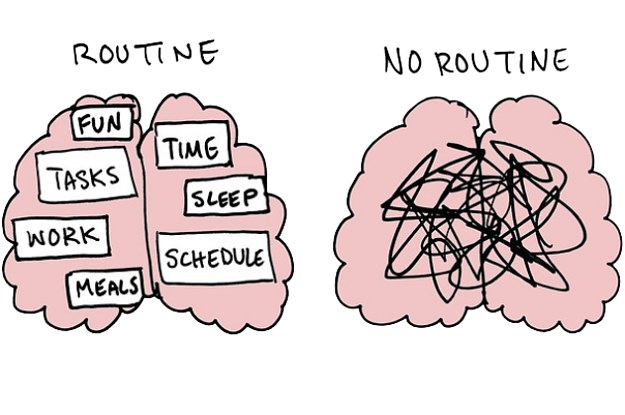
Therapy can help a person suffering from ADHD develop coping mechanisms like mindfulness or possibly meditation. Simple strategies like making lists, keeping a stable routine, utilizing a calendar, and creating reminder notes may help a person with ADHD improve functioning.

If you or someone you know needs support for ADHD, please contact our psychotherapy offices in New York or New Jersey to talk to one of our licensed professional psychologists, psychiatrists, psychiatric nurse practitioners, or psychotherapists at Arista Counseling & Psychotherapy. Contact our Paramus, NJ or Manhattan, NY offices respectively, at (201) 368-3700 or (212) 722-1920 to set up an appointment. For more information, please visit http://www.counselingpsychotherapynjny.com/ .

Sources:

https://www.nimh.nih.gov/health/topics/attention-deficit-hyperactivity-disorder-adhd/index.shtml

Image Source:

https://img.buzzfeed.com/buzzfeed-static/static/2017-01/10/18/campaign_images/

Parental Alienation Syndrome

By: Elyse Ganss

Parental alienation syndrome occurs when a child’s parent unconsciously works to turn the child against the other parent. This commonly occurs during divorce or custody battles. When saying negative things about the other parent, like blaming the other parent for their breakup, alienation turns the child against the other parent. Strategies can include brainwashing, alienating, and programming to cause distance between a child and parent. This behavior has negative effects for the relationship of the child and the other parent and can cause permanent damage.

The parent who unconsciously tries to turn the child against the other parent often exhibits narcissistic characteristics or tendencies in line with borderline personality disorder and are more concerned with their own feelings rather than the child’s well-being. Feelings that may be driving the parent’s behavior are anger and jealousy. Children benefit from the presence of both parents, unless a parent is abusive, and through parental alienation syndrome, children may become estranged from a parent.

If you have been experiencing anger about your co-parenting relationship and have been consciously or unconsciously taking it out on your child, you may be causing parental alienation syndrome. Children being alienated may experience anger, feelings of neglect, exhibit destructive behavior, and lack empathy. It is important to remember that no matter what you are feeling toward your former spouse, your child should not be brought into your separation, divorce, or custody battle. Supporting a child is the most important thing to do during a breakup and it may be helpful to bring the child to therapy to work through their emotions to prevent psychological damage.

If you or someone you know needs support, please contact our psychotherapy offices in New York or New Jersey to talk to one of our licensed professional psychologists, psychiatrists, psychiatric nurse practitioners, or psychotherapists at Arista Counseling & Psychotherapy. Contact our Paramus, NJ or Manhattan, NY offices respectively, at (201) 368-3700 or (212) 722-1920 to set up an appointment. For more information, please visit http://www.counselingpsychotherapynjny.com/ .

Sources:

https://www.psychologytoday.com/us/blog/resolution-not-conflict/201802/parental-alienation-syndrome-what-is-it-and-who-does-it

https://www.healthline.com/health/childrens-health/parental-alienation-syndrome#effects-on-child

Image Source:

https://www.healthline.com/health/childrens-health/parental-alienation-syndrome

Depression: How to Support a Spouse with Depression

Depression: How to Support a Spouse with Depression
By: Isabelle Siegel

Depression can cause immense pain and suffering for more than just the individual diagnosed. The partners/spouses of individuals with depression commonly report feeling hopeless and helpless, unsure how to provide necessary support to their partner/spouse. Attempts to help may be met with apathy or even anger, further complicating a seemingly simple question: How can I support my partner/spouse with depression?

Develop an understanding of depression and how it manifests in your partner/spouse. It can be helpful to research depression, taking note of its symptoms and causes. Understand that depression is an illness and not a choice. You may want to create a list of your partner’s/spouse’s particular symptoms and triggers for depressive episodes in order to better understand his/her experiences.

As simple as it sounds, just be there. Depression may have your partner/spouse doubting that you love him/her and may make him/her feel as though he/she is a burden to you. Assure your partner that you are there for him/her and that you love him/her despite his/her illness.

Encourage him/her to get help. Depressive symptoms can interfere with one’s motivation and ability to get help, so continuously encourage treatment. Help your partner/spouse find a therapist and/or psychiatrist, bring him/her to appointments, and cheer him/her on as they undergo treatment.

Do things you both enjoy. One important treatment step for depression is known as “opposite action,” in which individuals with depression act opposite to how they feel. If they feel like laying in bed all day, for example, they should get up and out of the house. As a partner/spouse, you can help by encouraging your partner/spouse to act opposite to their depressive urges by engaging in activities that you both enjoy.

Understand the warning signs of suicide. Individuals with depression are more vulnerable to suicide, so it may be important to know signs that your partner is considering taking his/her life. These may include talking about suicide, social withdrawal, giving away belongings, or obtaining means of attempting suicide. If you believe that your partner is at risk for suicide, seek immediate help.

Most importantly, take care of yourself and seek therapy. Research suggests that having a partner/spouse with depression increases one’s own risk of developing depressive symptoms. It is important to understand that your partner/spouse is not the only one who needs support. Never feel guilty for prioritizing your own needs, and consider seeking therapy or other support in order to take care of your own mental health.

If you or a loved one needs support, the licensed psychologists, psychiatrists, psychiatric nurse practitioners, and psychotherapists at Arista Counseling & Psychotherapy can assist you. Contact our Paramus, NJ or Manhattan, NY offices respectively, at (201) 368-3700 or (212) 722-1920 to set up an appointment. For more information, visit http://www.counselingpsychotherapynjny.com/

Sources:
https://www.mentalhealth.org.uk/blog/supporting-partner-depression
https://www.medicalnewstoday.com/articles/325523
https://www.psycom.net/help-partner-deal-with-depression/

Image Source: https://www.rewire.org/support-partner-depression/

Personality Disorders: What are they?

By: Elyse Ganss

According to the Mayo Clinic, “a personality disorder is a type of mental disorder in which you have a rigid and unhealthy pattern of thinking, functioning and behaving.” Those who have personality disorders struggle when interacting and trying to get along with others and tend to think their erratic thoughts are normal. Personality disorders can be grouped into three different clusters.

Cluster A is characterized by odd/suspicious thinking or behavior. Examples of cluster A personality disorders are paranoid personality disorder, schizoid personality disorder, and schizotypal personality disorder. Cluster B includes emotional/impulsive behavior, dramatic tendencies, and unpredictable thinking. Examples include antisocial personality disorder, borderline personality disorder and narcissistic personality disorder. Finally, cluster C is characterized by anxious thinking and behavior. Avoidant personality disorder, dependent personality disorder, and obsessive-compulsive personality disorder are examples of cluster C personality disorders.

Personality disorders occur through an interaction of genetic and environmental influences. Risk factors for personality disorders include a family history of mental illness, an unstable or abusive childhood, and variations in brain chemistry. Typically, personality disorders emerge in teenage or emerging adulthood years. Through the combination of therapy and medication, personality disorders can be managed.

If you or someone you know needs support for a personality disorder, please contact our psychotherapy offices in New York or New Jersey to talk to one of our licensed professional psychologists, psychiatrists, psychiatric nurse practitioners, or psychotherapists at Arista Counseling & Psychotherapy. Contact our Paramus, NJ or Manhattan, NY offices respectively, at (201) 368-3700 or (212) 722-1920 to set up an appointment. For more information, please visit http://www.counselingpsychotherapynjny.com/ .

Sources:

https://www.mayoclinic.org/diseases-conditions/personality-disorders/symptoms-causes/syc-20354463#:~:text=Overview,relating%20to%20situations%20and%20people.

https://www.healthline.com/health/personality-disorders#outlook

Image Source: https://psychcentral.com/news/u/2019/05/therapy-teenage-girl-psychologist-large-bigstock-1024×76