Low Self-Esteem: Dating Apps Can Decrease One’s Self-Confidence

By: Lauren Zoneraich

With the advent and prolonged continuation of the COVID-19 pandemic, many young adults have turned to dating apps as a way to connect with potential romantic partners, speak to new people, and entertain themselves. The most popular dating apps among young adults are Tinder, Bumble, Hinge, and Grindr, which are visually-based dating apps. Instead of text-heavy profiles, like those seen on Match.com, users swiftly accept or reject others based on their profile photographs, which dominate the page display. How does the visually-based nature of dating apps affect the self-esteem of dating app users?

One’s physical appearance and self-esteem are strongly linked. Self-esteem is defined as the self-evaluation a person holds regarding their worth, success, and capabilities. In a survey-based study of young adults, researchers determined that the visual nature of Tinder could raise or lower the self-esteem of users. Users who matched with a lot of attractive users and received many messages experienced an ego boost. Contrarily, many participants reported that the visual nature of the Tinder made them feel more self-conscious about their appearance. Users felt a decrease in self-esteem when they did not match with a lot of people or when they only received messages from unattractive matches. Many participants reported “swiping left on” (rejecting) users who they anticipated would not “swipe right on” (accept) them, or swiping left on users they liked to avoid the possibility of being rejected and experiencing a decrease in self-confidence. These reports highlight how Tinder can trigger negative assessments of the self even before a user is rejected, and of course, decrease a user’s self-confidence after rejection.

Online dating apps are not meant for everyone. If you find that apps such as Tinder are lowering your self-esteem, it may be best to delete these apps and meet partners through other avenues.

If you or someone you know is struggling with low self-esteem, please contact our psychotherapy offices in New York or New Jersey to talk to one of our licensed professional psychologists, psychiatrists, psychiatric nurse practitioners, or psychotherapists at Arista Counseling & Psychotherapy. Contact our Paramus, NJ or Manhattan, NY offices respectively, at (201) 368-3700 or (212) 722-1920 to set up an appointment. For more information, please visit http://www.counselingpsychotherapynjny.com/

Reference:
Kallis, R. (2021). Creating a future relationship or destroying my self-esteem? An exploratory study on dating app experiences and well-being. Journal of Communication Technology, 4(1), 78-100. https://doi.org/10.51548/joctec-2021-005

Image Source:

https://www.theverge.com/2016/1/11/10749670/tinder-secretly-ranks-users-desirability

The Impact of Online Support Groups: Addiction during a Pandemic

By Charlotte Arehart

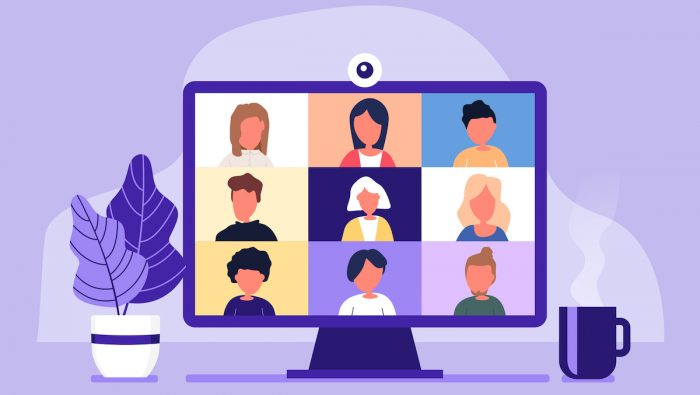
With research showing that the rates of substance abuse are increasing during the COVID-19 pandemic, it is more important than ever for those who are struggling to seek help. Typically, support groups are a great way for those who suffer from substance abuse disorder to seek help. However, with CDC regulations as well as individuals’ anxieties about catching COVID-19, it is difficult for addicts to find support groups. Research has even shown that individuals struggling with substance abuse disorder are at higher risk of contracting the Corona virus than those who do not suffer. Face-to-face interactions are not always possible during the pandemic, especially not in large groups. This has resulted in the dawn of online support groups. The idea is that individuals can get the support that they need in a safe social environment online, perhaps over Zoom, without risking contracting COVID-19. But just like any other major change, online support groups come with its side-effects, whether they be positive or negative.

Online support groups definitely have some benefits for individuals who attend. Some of these include:

  1. Attendees continue to receive support during pandemic
  2. Meet new people from across the country
  3. Protection from the virus
  4. Discuss issues openly and honestly

While all of these effects seem great at first, there are certainly some negative aspects of attending support groups online, including:

  1. Online meetings are not as effective as in-person meetings
  2. Lack of conversation
  3. Lack of connectivity (not all areas have access to Wi-Fi!)
  4. Low engagement levels

Ultimately, it is difficult to say whether or not online support groups are outright a good or a bad thing. It ultimately comes down to an individual’s preference. Luckily, with infection rates declining in the United States and social regulations beginning to ease, in-person support groups are likely to begin meeting again soon, if they have not already!

If you or someone you know needs substance abuse support throughout the pandemic, please contact our psychotherapy offices in New York or New Jersey to talk to one of our licensed professional psychologists, psychiatrists, psychiatric nurse practitioners, or psychotherapists at Arista Counseling & Psychotherapy. Contact our Paramus, NJ or Manhattan, NY offices respectively, at (201) 368-3700 or (212) 722-1920 to set up an appointment. For more information, please visit http://www.counselingpsychotherapynjny.com/

Sources:

https://www.apadivisions.org/division-49/publications/newsletter/group-psychologist/2021/03/virtual-group-benefits

Image Source: https://www.beyondmybattle.org/support-groups

Covid Vaccine and Mental Illness

By Veronica Oquendo

The Covid-19 vaccine is becoming eligible for those who are in need of it most, which include people that are elderly, have immunity deficiencies, and respiratory complications. There are sound concerns for those with severe mental illness that are in need of the vaccine, but they are not being prioritized. One reason for this is that individuals with severe mental illness are people from a disadvantaged group based on both medical and socioeconomic risk factors. These individuals are more likely to have health comorbidities like cardiovascular diseases, chronic obstructive pulmonary disease (COPD), diabetes, chronic kidney disease, immunodeficiency, and cancer. Moreover, the mortality rate for those with severe mental illness is three to four times higher than for those who do not have mental illness. They are more likely to be smokers, or be obese, which both are associated with a higher risk of death when infected with Covid-19. Additionally, they are more likely to work in unsafe environments, live in overcrowded areas, or be homeless, which are all associated with an increased chance of getting Covid-19. For all these reasons, individuals with mental illness are at higher risk to contract and ultimately fall fatal to Covid-19. Therefore should be ensured to be among those who are vaccinated early.

If you or someone you know is in the need of help with mental illness please contact our psychotherapy offices in New York or New Jersey arrange an appointment with one of our licensed psychologists, psychiatrists, psychiatric nurse practitioners, or psychotherapists at Arista Counseling & Psychotherapy. You can contact our Paramus, NJ or Manhattan, NY offices respectively, at (201)-368-3700 or (212) – 722-1920 to set up an appointment. For more information, please visit http://www.counselingpsychotherapynjny.com/.

Sources:

https://www.thelancet.com/journals/lanpsy/article/PIIS2215-0366(20)30564-2/fulltext

https://www.healthline.com/health-news/people-with-mental-health-conditions-are-at-high-risk-for-covid-19-so-why-arent-they-being-prioritized#Severe-mental-illness-increases-COVID-19-risks

Gaining Familial Support through Therapy

By Eleanor Kim

Starting therapy is a crucial step towards achieving emotional and psychological wellbeing. Therapy in conjunction with support and love from family members provides a sense of familiarity and comfort while receiving professional help. As the individual continues their therapy, it may be beneficial for all family members to consider family therapy as a means of familial support for their loved one during what may be a difficult or challenging time for the individual.

Family therapy is a form of therapy that allows family members to express their care for a family member who may be dealing with mental health or substance abuse disorders while also strengthening their own familial relations through proper communication. Family therapy will also allow family members to receive the support they may need while they learn how to best help their loved one and to address any questions or concerns they may have regarding their condition.

Family therapy is not limited to families dealing with psychological or addiction issues. In fact, family therapy is a great option for all families, especially for those who are seeking professional guidance while navigating through situations that may cause their family stress, anger, grief, or conflict. Possible matters include, but are not limited to, marital issues, loss, illness, grief, life style changes, and other environmental stressors. Family members will work on strengthening their empathy and understanding for one another as therapists assist individuals to express their needs or concerns in an open and non-judging environment. Family therapists will also guide family members throughout the process of understanding what their loved one is experiencing, as is the case in individual therapy. It is beneficial for both parties to communicate with one another in ways in which they can help one another throughout the recovery process.

At Arista Counseling, we have many therapists who are ready to help you and your family through any psychological conditions, substance abuse issues, or otherwise troubling matters that may currently be affecting your family.

If you or someone you know is seeking familial support or has considered family therapy, please contact our psychotherapy offices in New York or New Jersey to talk to one of our licensed professional psychologists, psychiatrists, psychiatric nurse practitioners, or psychotherapists at Arista Counseling & Psychotherapy. Contact our Paramus, NJ or Manhattan, NY offices respectively, at (201) 368-3700 or (212) 722-1920 to set up an appointment. For more information, please visit http://www.counselingpsychotherapynjny.com

References:

http://www.acenterfortherapy.com/family_issues.php

Image Source:

https://www.seekpng.com/ipng/u2a9o0y3w7e6w7a9_family-counseling-clipart-marriage-and-family-therapist-clipart/

The Stigma of Mental Health Therapy

By Veronica Oquendo

Those with psychological disorders have to suffer more than just the symptoms of their diagnoses. They also deal with societal negativity that are associated with someone who have a mental disorder, for example social disapproval and disgrace. Less than half of adults needing treatment delay it for their mental disorder for this reason, or do not seek treatment at all. The stigma creates unfair stereotypes and prejudices that cause discrimination in different facets of life including: the workplace, housing access, universities/school, family, and friends. One can be bullied, denied acceptance, ostracized, have limited opportunities, and be harassed. This also leads to self-stigma which is internalized negative attitudes and shame that people with mental illness have about their own condition.

There are ways to battle the stigma of mental illness:

  • Get treatment
  • Talk openly about mental health
  • Don’t isolate or feel shame
  • Join a Support Group
  • Choose empowerment over shame
  • Call out others perpetuating mental health stigma

Although, there is far less stigma in Western countries among the educated, there is still progress to be made. It is suggested in review by The Lancet that to reduce stigma  requires “large-scale contact-based interventions in high-income countries—involving service users as a core element, with sustained funding and engagement.” Early intervention with children and teenagers through an educational setting would also be helpful. Most importantly, access to mental healthcare as well as an increase in overall quality of treatment would be most beneficial.

If you or someone you know needs quality mental health therapy to help reduce the consequences of associated stigma, please contact our psychotherapy offices in New York or New Jersey to talk to one of our licensed professional psychologists, psychiatrists, psychiatric nurse practitioners, or psychotherapists at Arista Counseling & Psychotherapy. Contact our Paramus, NJ or Manhattan, NY offices respectively, at (201) 368-3700 or (212) 722-1920 to set up an appointment. For more information, please visit http://www.counselingpsychotherapynjny.com/

Sources:

https://www.mayoclinic.org/diseases-conditions/mental-illness/in-depth/mental-health/art-20046477

https://www.psychiatry.org/patients-families/stigma-and-discrimination

https://www.thelancet.com/journals/lancet/article/PIIS0140-6736(16)00687-5/fulltext

Loneliness During Covid-19

By Eleanor Kim

As we round out one year of stay at home orders and self-quarantine measures due to the novel coronavirus, many are reflecting on their time at home and their mental health during this period. While every individual’s experience over this past year has been unique, one experience seems to be universal-loneliness. Folks around the world were left to deal with their own fears and anxieties regarding the virus and general health and safety of loved ones without the usual group of support from family and friends. This experience was exacerbated for those that were left to face the effects of COVID-19 on their own as unforeseen circumstances forced individuals into isolation.

A recent study found that 65% of participants felt increased feelings of loneliness since the official declaration of the pandemic. In that same study, 76% reported feelings of anxiety, 58% reported a loss of feelings of connectedness, and 78% reported feelings of depression. These feelings of loneliness have far reaching effects as another study found a link between loneliness and heart problems, diabetes, stroke, memory complaints, drug abuse risk, and elevated blood pressure. Other issues include trouble sleeping, negative relationships with food, and an increased reliance on maladaptive coping skills such as drinking and gambling. Loneliness is not a new condition; however, the magnitude in which it is presenting itself is alarming and deserving of a closer watch, especially among younger and older generations.

Now more than ever, it is crucial that individuals strengthen the relationship that they have with themselves. Each emotion that has presented itself during this past year is valid and expected during such a trying and unknown time. It is recommended that individuals welcome these feelings and try their best not to avoid or deny such states of mind. The effects of coronavirus and the impact it has had on the physical and mental wellbeing of people around the world unfortunately will continue to be felt as we trek towards the “new normal” and sense of global stability. It is essential that individuals remind themselves that they are not alone during these times of loneliness and that there are resources available to help cope with any feelings of unrest or isolation.

Online services such as Zoom or Cisco Webex offer opportunities for groups to interact in a virtual setting that will help simulate a sense of community and togetherness. Socially-distanced gatherings may be an option for those who are able to meet in an outdoor or well ventilated area, weather permitting. Experts recommend limiting time spent on social media as excessive time spent on these apps and websites could instill feelings of frustration, anxiety, and comparison with others. Should these feelings of loneliness and isolation persist, telehealth is available for those who may wish to speak to mental health professionals throughout these difficult times.

If you or someone you know is feeling lonely or isolated, please contact our psychotherapy offices in New York or New Jersey to talk to one of our licensed professional psychologists, psychiatrists, psychiatric nurse practitioners, or psychotherapists at Arista Counseling & Psychotherapy. Contact our Paramus, NJ or Manhattan, NY offices respectively, at (201) 368-3700 or (212) 722-1920 to set up an appointment. For more information, please visit http://www.counselingpsychotherapynjny.com/ .

References:

https://www.sharp.com/health-news/managing-loneliness-during-covid-19.cfm

https://www.medicalnewstoday.com/articles/alarming-covid-19-study-shows-80-of-respondents-report-significant-symptoms-of-depression#Making-things-better

Image Source:

https://lifesupportscounselling.com.au/wp-content/uploads/2020/05/loneliness-in-lockdown.jpg

Mental Health Consequences During Covid

By Veronica Oquendo

COVID- 19 has shown to have devastating medical health consequences with the recent death toll at 425 thousand and rising. However, the mental health consequences may be overlooked, even though they are condemning, and can also lead to death from suicide. The Center for Disease Control and Prevention’s Morbidity and Weekly Report surveyed and found that 40.9% of those reporting had at least one adverse mental health condition, an uptick from last year. The most vulnerable of the population affected were among age group 18-24 years old, minority racial and ethnic groups essential workers, unpaid caregivers for adults, and those already receiving treatment for psychiatric conditions. The highest increase in symptoms being from anxiety and depressive disorders (30.9%). Anxiety disorder was three times more likely to be prevalent this year than in 2019. Due to the overwhelming stress and worry caused by the pandemic, alcohol and drugs are used to cope in unhealthy proportions. Furthermore, past studies have shown links between social isolation and suicide. Due to the safety regulations of social distancing and quarantine for COVID-19, more people have been feeling lonely, frustrated, and bored causing a rise of suicidal ideation. 

If you or someone you know is struggling with the mental health consequences of COVID-19, please contact our psychotherapy offices in New York or New Jersey to talk to one of our licensed professional psychologists, psychiatrists, psychiatric nurse practitioners, or psychotherapists at Arista Counseling & Psychotherapy. Contact our Paramus, NJ or Manhattan, NY offices respectively, at (201) 368-3700 or (212) 722-1920 to set up an appointment. For more information, please visit http://www.counselingpsychotherapynjny.com/.

Sources:

https://www.cdc.gov/mmwr/volumes/69/wr/pdfs/mm6932a1-H.pdf

https://www.psychologytoday.com/us/blog/lifting-the-veil-trauma/202009/the-psychological-impact-covid-19

Body Image: Body Dysmorphic Disorder

Body Image: Body Dysmorphic Disorder
By Kaitlyn Choi

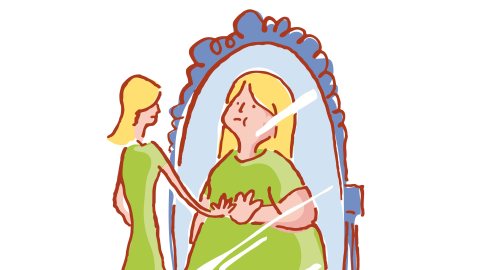
Body dysmorphic disorder is a type of obsessive-compulsive disorder that is marked by fixation on one’s imaginary or minor physical flaws. People who have body dysmorphia are overly worried about what are perceived as overt imperfections in their appearance. They continue to experience negative and anxious thoughts about their face, hair, and/or body. However, in reality, these perceived flaws are hardly noticeable by other people; there may not be any “defect” in their physical appearance at all. The amount of concern experienced by the individual is considerably disproportionate to the flaw they are obsessing over.

Symptoms of body dysmorphic disorder include preoccupation to the point of significant distress, impairment in functioning, or isolating oneself due to self-consciousness and insecurity. Moreover, people with body dysmorphia exhibit performance of repetitive behaviors such as mirror checking, excessive grooming, and skin picking. They may also seek reassurance from other people and compare their appearance with that of others throughout the day. Because they believe their physical flaw is so gross and noticeable, they may constantly try to “fix” these flaws by consulting with plastic surgeons or cosmetic professionals.

Primary treatments for body dysmorphic disorder include cognitive behavioral therapy and antidepressant medication. The goal of treatment is to recognize the triggers of the behaviors/thoughts, to improve management of the stress experienced, and to help patients learn to view themselves in a non-judgmental way.

In a society that glorifies only certain face and body types, many individuals can feel overwrought about their appearance and consequently experience symptoms of body dysmorphic disorder. It is crucial that individuals learn to love themselves and perceive themselves in a self-encouraging manner.

If you or someone you know is struggling with body image or body dysmorphia, please contact our psychotherapy offices in New York or New Jersey to talk to one of our licensed professional psychologists, psychiatrists, psychiatric nurse practitioners, or psychotherapists at Arista Counseling & Psychotherapy. Contact our Paramus, NJ or Manhattan, NY offices respectively, at (201) 368-3700 or (212) 722-1920 to set up an appointment. For more information, please visit http://www.counselingpsychotherapynjny.com/.

Sources:
https://www.psychologytoday.com/us/conditions/body-dysmorphic-disorder
https://my.clevelandclinic.org/health/diseases/9888-body-dysmorphic-disorder

Image Source:
https://www.additudemag.com/adhd-related-body-dysmorphic-disorder/

Social Anxiety: Struggling to Reach Out

            It’s okay to want to be alone, but many people around the world resort to solidarity because they fear they’ll be judged by others in a social scene. Social anxiety disorder, or social phobia, is a mental illness categorized as a type of anxiety disorder that consists of an intense, persistent fear of being watched and/or judged by others. No matter what the situation is, if it involves other people, things become more challenging for them. It feels as though all eyes are on them and they’re terrified of making a spectacle of themselves in front of those around them, even friends and family. That’s why it tends to be a struggle for many sufferers of social anxiety to maintain any healthy relationships because they would rather push people away and avoid conversation than take the risk of feeling humiliated through judgment.

          The toll social anxiety has on some of its sufferers can lead to avoiding school and work as well as dropping many hobbies/activities all together because they’re simply too terrified to engage. In such instances, the disorder becomes a hindrance to everyday life because if they miss school and work, they’re losing out on education, money, and many other key things to sustain healthy living. Some signs that you may be suffering from social anxiety disorder are: when having to be around others; feeling nauseous or sick to your stomach, blushing, sweating or trembling, making little eye contact and speaking very softly, staying away from places where you see other people, etc. In this case, treatment comes in the form of psychotherapy, medication, or both. Cognitive behavioral therapy (CBT) is perhaps the most common form of treatment and teaches patients better ways of thinking and reacting to anxiety-inducing scenarios in order to best keep those unwanted emotions under control.

If you or someone you know is struggling with a mental illness, please contact our psychotherapy offices in New York or New Jersey to talk to one of our licensed professional psychologists, psychiatrists, psychiatric nurse practitioners, or psychotherapists at Arista Counseling & Psychotherapy. Contact our Paramus, NJ or Manhattan, NY offices respectively, at (201) 368-3700 or (212) 722-1920 to set up an appointment. For more information, please visit http://www.counselingpsychotherapynjny.com/

Sources: https://www.nimh.nih.gov/health/publications/social-anxiety-disorder-more-than-just-shyness/index.shtml

PTSD in Women

By: Catherine Cain

Experiencing trauma is common and sometimes it may develop into PTSD, or post-traumatic stress disorder. While PTSD does affect men and women, women are significantly more likely to experience it than men. So, what is PTSD?

Post-traumatic stress disorder develops after someone experiences or witnesses a traumatic event, and the symptoms caused by this trauma continue for more than a month. While PTSD usually develops in the month following the event, it may develop months or even years after. Symptoms of PTSD include intrusive memories, avoidance of anything or anyone that reminds them of the trauma, changes in mood or thinking, and changed in behavior.

Females are twice as likely to experience PTSD as men. Why is that? While exposure to trauma is lower for women than men the type of trauma is significant in the development of PTSD. Men experience traumas that result in injuries or death, such as accidents, combats, and physical assaults. Women, however, experience childhood abuse, rape, and sexual assault. The effects of sexual assault are so detrimental that in the 2 weeks following an incident of sexual assault, 94% of women experienced symptoms of PTSD.

Another key reason for this difference is the difference in coping strategies. Everyone has heard of the “fight or flight” response to dangerous situations, but it is found that women often use the “tend and befriend” response following an event. “Tending” is taking care of those around you, while “befriending” is reaching out to others for support. Because of this reliance on others, women become more vulnerable to PTSD symptoms if their support system fails them.

If you or someone you know is struggling with Post Traumatic Stress Disorder, please contact our psychotherapy offices in New York or New Jersey to talk to one of our licensed professional psychologists, psychiatrists, psychiatric nurse practitioners, or psychotherapists at Arista Counseling & Psychotherapy. Contact our Paramus, NJ or Manhattan, NY offices respectively, at (201) 368-3700 or (212) 722-1920 to set up an appointment. For more information, please visit http://www.counselingpsychotherapynjny.com/

Sources: https://www.nami.org/Blogs/NAMI-Blog/October-2019/PTSD-is-More-Likely-in-Women-Than-Men https://www.womenshealth.gov/mental-health/mental-health-conditions/post-traumatic-stress-disorder