Depression: Do Genetics Play a Role in Depression

Depression: Do Genetics Play a Role in Depression

By: Josette DeFranco

Major depressive disorder is a condition that affects many individuals. Major depressive disorder can range from being clinically mild and short-lasting to recurring over and over again, to being highly chronic and treatment-resistant. Depression is known to run in families indicating that there are genetic factors. It can be a combination of life experiences and environment. Genetics plays a mild role in depression. Also, families with certain genetic patterns lived eight years shorter than average. As depression may range from transient to debilitating it is expected that many different sets of genetic alterations are involved. Some genes are associated with weight and body, neuron development, and brain inflammation and another group is associated with proteins that tell the immune system which cells are friendly and which are not. This means that our genetics can not only influence our physical characteristics but also how our brain functions and our immune system interacts and identifies with different cells in the body. Your environment can modify the genetic factors that play a role in depression.

If you are concerned about a strong history of depression in the family and are scared about it affecting you or your future children a study suggests that even with a high tendency for depression, psychotherapy or behavioral activation therapy can reduce it. Individuals need to understand the life-changing impact their environment can have on their mental health. Our emotions are generated by our thinking which may serve as an influence on our behaviors. You may have had genetic roots of depression, a difficult upbringing, or a terrible tragedy that has currently occurred but if you change your thinking then your emotions will change as well.

If you or someone you know is struggling with their mental health, please contact our psychotherapy offices in New York or New Jersey to talk to one of our licensed professional psychologists, psychiatrists, psychiatric nurse practitioners, or psychotherapists at Arista Counseling & Psychotherapy. Contact our Paramus, NJ or Manhattan, NY offices respectively, at (201) 368-3700 or (212) 722-1920 to set up an appointment. For more information, please visit https://aristapsychiatrypsychotherapy.com/

Sources:

https://www.psychologytoday.com/us/blog/the-athletes-way/201603/depression-new-research-shows-genetics-are-not-destiny

https://www.psychologytoday.com/us/blog/psychiatry-the-people/201804/massive-study-clarifies-genetic-risks-major-depression

https://www.psychologytoday.com/us/blog/the-three-minute-therapist/202007/overcoming-genetically-based-depression

Drug Overdose: Frequency of Non-Substance Related Mental Health Disorders Among Drug Overdose Deaths

Drug Overdose: Frequency of Non-Substance Related Mental Health Disorders Among Drug Overdose Deaths

By Madison Gesualdo

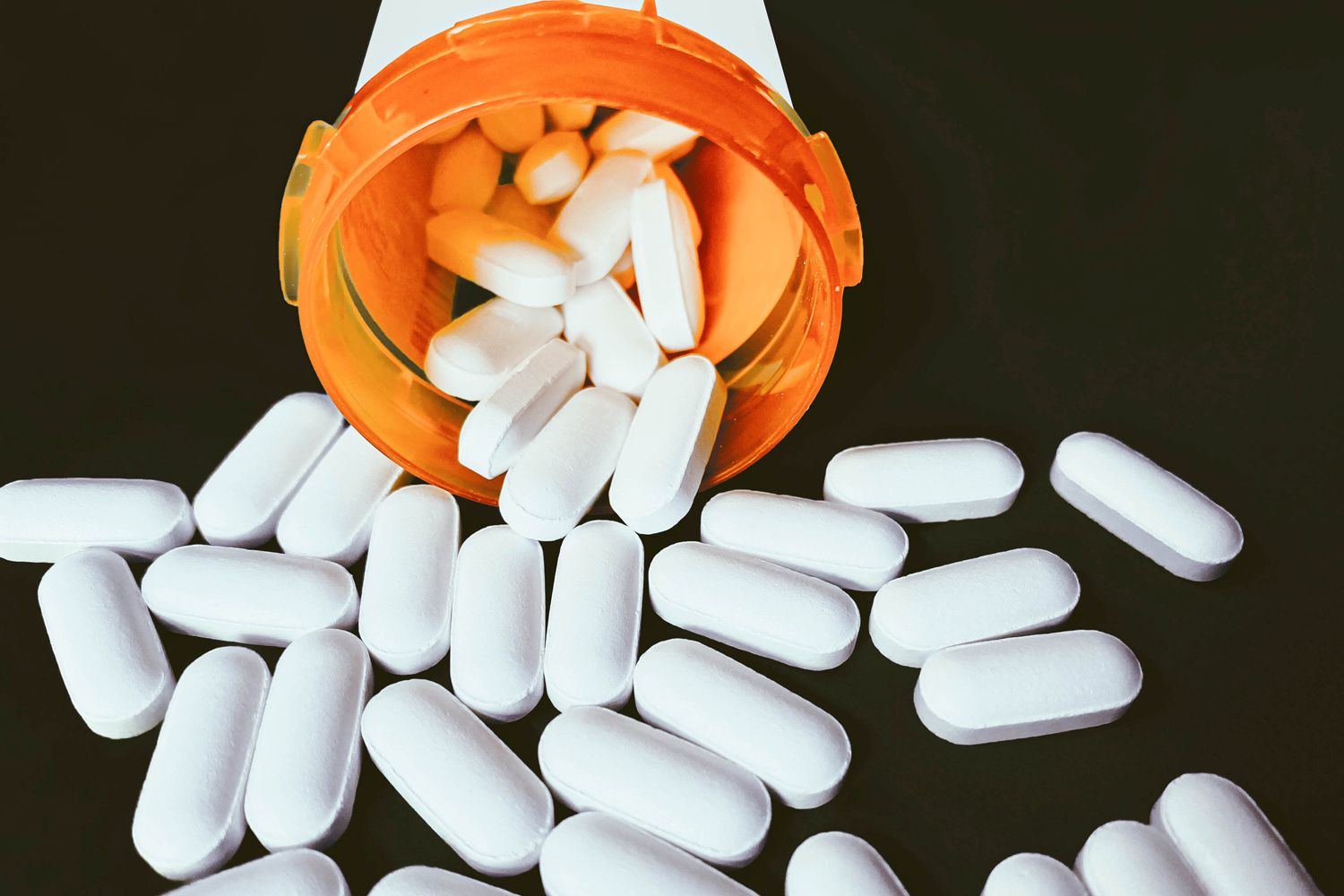
Fatal drug overdoses in the United States have been on the rise in recent years, with the Center for Disease Control (CDC) reporting nearly 108,000 drug overdose deaths in 2022. However, a new study by the CDC suggests that screening and treatment for non-substance related mental health disorders, which frequently exhibit comorbidity with substance use disorders, may help lower the rate of overdoses in the United States.

The CDC found that approximately one in five individuals (22%) who died of a drug overdose in 2022 had a co-occurring, non-substance-related mental health disorder, with depression, anxiety, and bipolar disorders being the most prevalent. Additionally, it was reported that nearly 25% of these individuals had at least one opportunity for intervention with these disorders shortly before their death, including but not limited to visits to emergency departments and the locations where they were actively being treated at for their substance use disorder. With respect to this data, the CDC emphasizes the importance of integrating more screening practices for non-substance-related mental health disorders during interventions in individuals suffering from substance use disorders in order to improve mental health among these individuals and, potentially, decrease the amount of fatal overdoses.

Help and treatment are available to individuals with substance use disorders. Below are some of the many resources available to assist individuals with the screening and treatment of these disorders:

If you or someone you know is struggling with drug addiction and abuse or with mental health, please contact our psychotherapy offices in New York or New Jersey to talk to one of our licensed professional psychologists, psychiatrists, psychiatric nurse practitioners, or psychotherapists at Arista Counseling & Psychotherapy. Contact our Paramus, NJ or Manhattan, NY offices respectively, at (201) 368-3700 or (212) 722-1920 to set up an appointment. For more information, please visit http://www.counselingpsychotherapynjny.com/

References:

Dinwiddie, A.T., Gupta, S., Mattson, C.L., O’Donnell, J., & Seth, P. (2024, August 29). Reported non–substance-related mental health disorders among persons who died of drug overdose — United States, 2022. MMWR Morb Mortal Wkly Rep 2024;73:747–753. http://dx.doi.org/10.15585/mmwr.mm7334a3

Drug Enforcement Administration. (n.d.) Recovery resources. United States Drug Enforcement Administration. https://www.dea.gov/recovery-resources

Accessibility: “Telemental” Health Care

Accessibility: “Telemental” Health Care

By Celine Bennion

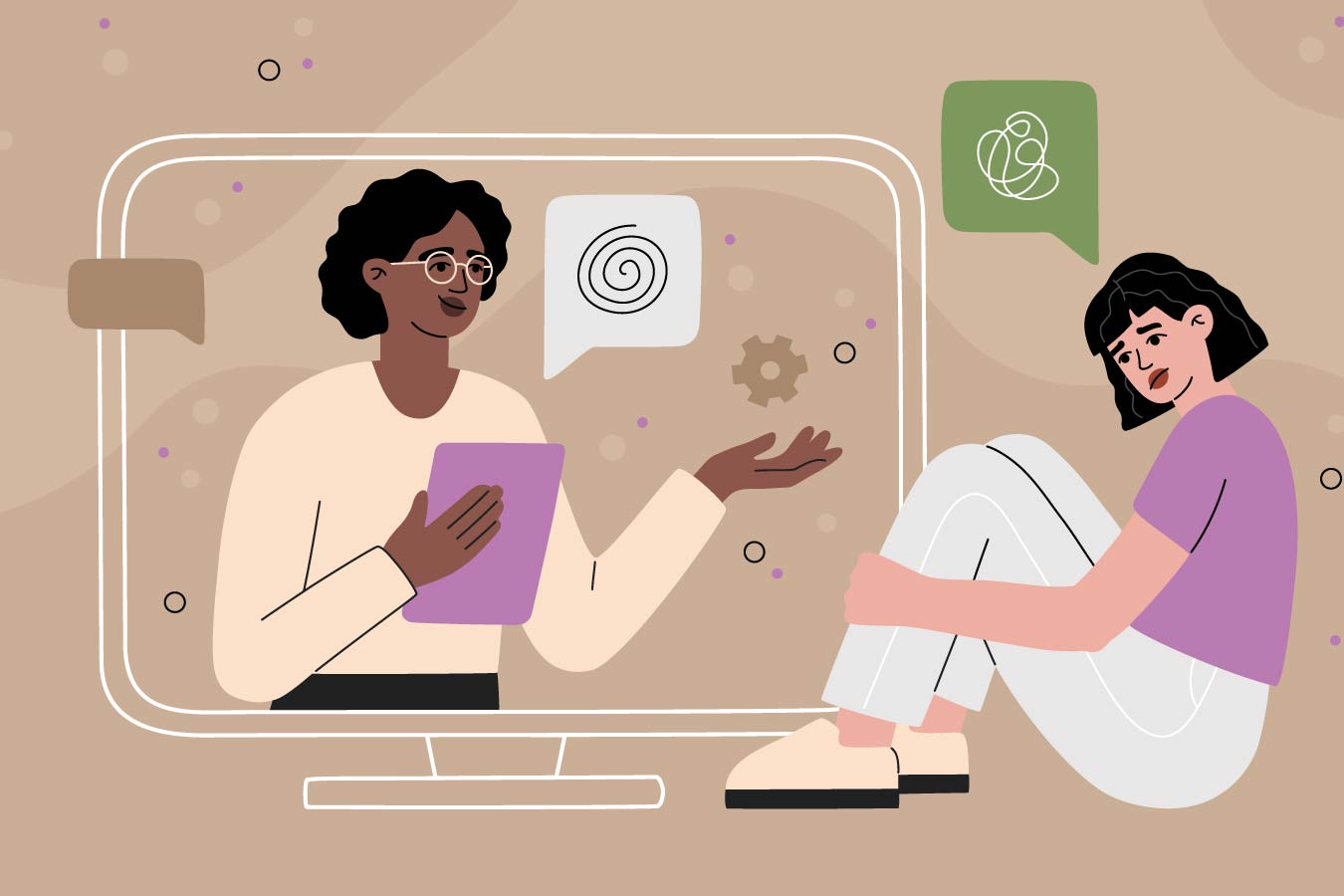
At the onset of the COVID-19 pandemic, mental health care providers were forced to make changes that would allow them to continue seeing patients while maintaining safety guidelines. Thus, the implementation of Telehealth and other platforms skyrocketed! These resources allow providers to connect with patients by video conferences or phone calls when they cannot be in the same location. Therefore, they can conduct therapy and psychiatric counseling sessions similar to those that are done in-person.

Despite the initial intent to use Telehealth as a temporary solution in the midst of a pandemic, many providers plan to continue using the platform. Several benefits surfaced during the first months of necessity for both providers and patients. For example, Telehealth sessions remove the need for transportation, making treatment more accessible to patients, especially those with frequent conflicts (childcare, work, etc.) or those who live a considerable distance away from a preferred provider.

Providers have also noted that many patients, especially children, feel more comfortable participating in therapy sessions online. In a familiar setting, such as their home, patients may feel more comfortable sharing their thoughts, leading to greater treatment progress. Additionally, virtual appointments allow therapists to gain insight into a patient’s home life and environment, including relationships with other members of the household. This access can give clues in determining information that may not be easily stated by the patient, such as domestic abuse.

Telehealth and other virtual health care platforms became popular out of necessity but will continue to affect mental health care long after the COVID-19 pandemic concludes.

If you or someone you know is seeking therapy via Telehealth, please contact our psychotherapy offices in New York or New Jersey to talk to one of our licensed professional psychologists, psychiatrists, psychiatric nurse practitioners, or psychotherapists at Arista Counseling & Psychotherapy. Contact our Paramus, NJ or Manhattan, NY offices respectively, at (201) 368-3700 or (212) 722-1920 to set up an appointment. For more information, please visit http://www.counselingpsychotherapynjny.com/

Sources:

https://www.nami.org/Advocacy/Policy-Priorities/Improving-Health/Telehealth

Mental Health Care Was Severely Inequitable, Then Came the Coronavirus Crisis

https://khn.org/news/article/no-cancel-culture-how-telehealth-is-making-it-easier-to-keep-that-therapy-session/ (photo)

Dependent Personality Disorder

By: Lauren Zoneraich

Dependent Personality Disorder (DPD) is characterized by an overdependence on others to feel secure and function. A personality disorder is defined by the possession of an unhealthy and unwavering way of thinking, functioning, and behaving. People with personality disorders often experience difficulty in relationships, school, work, and social situations because their unhealthy cognitions often lead to problematic behaviors that may upset or bother people in their life.

For those with DPD, it feels impossible to function without the help and support of others. This overwhelming reliance on others for emotional and physical security causes an intense fear of abandonment, often leading to anxious behaviors that partners or friends may describe as “needy” or “clingy.” Anxious behaviors include being overly passive or submissive, being unable to disagree with others, and tolerating poor treatment by others. People with DPD would rather stay in a bad relationship than be by themselves. When relationships end, people with DPD may feel depressed. Immediately, they may begin searching for new relationships, as the thought of being alone is unfathomable.

People with Dependent Personality Disorder often lack self-confidence and self-efficacy. As a result, they cannot make decisions, even small decisions, without the approval or validation of others, nor start projects on their own.

There are no direct causes for DPD, but there are some risk factors that may contribute to its development. These risk factors include traumatic abandonment during childhood, a family history of personality disorders, a family history of anxiety or depression, and chronic childhood illness. Also, growing up with withdrawn, abusive, or overly- controlling parents is a risk factor for DPD.

Psychotherapy can help one address the symptoms of DPD, specifically Cognitive Behavioral Therapy and psychodynamic therapy. CBT can help one learn to reframe one’s cognitions, while psychodynamic therapy can help one become conscious of the roots of one’s personality disorder.

If you or someone you know is struggling with relationships, self-esteem, or daily functioning, please contact our psychotherapy offices in New York or New Jersey to talk to one of our licensed professional psychologists, psychiatrists, psychiatric nurse practitioners, or psychotherapists at Arista Counseling & Psychotherapy. Contact our Paramus, NJ or Manhattan, NY offices respectively, at (201) 368-3700 or (212) 722-1920 to set up an appointment. For more information, please visit http://www.counselingpsychotherapynjny.com/

Sources:

https://www.sheppardpratt.org/knowledge-center/condition/dependent-personality-disorder/

https://www.healthline.com/health/dependent-personality-disorder

https://www.webmd.com/anxiety-panic/guide/dependent-personality-disorder

https://www.mayoclinic.org/diseases-conditions/personality-disorders/symptoms-causes/syc-20354463

Image Sources:

https://www.betterhelp.com/advice/personality-disorders/what-is-dependent-personality-disorder-and-what-does-it-mean-for-me/

Body Image: Body Dysmorphic Disorder

Body Image: Body Dysmorphic Disorder
By Kaitlyn Choi

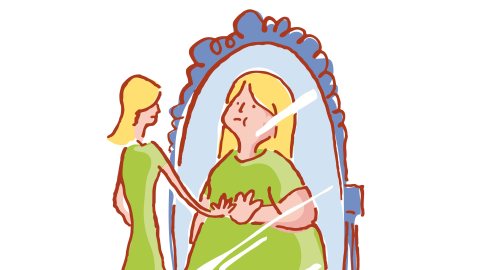
Body dysmorphic disorder is a type of obsessive-compulsive disorder that is marked by fixation on one’s imaginary or minor physical flaws. People who have body dysmorphia are overly worried about what are perceived as overt imperfections in their appearance. They continue to experience negative and anxious thoughts about their face, hair, and/or body. However, in reality, these perceived flaws are hardly noticeable by other people; there may not be any “defect” in their physical appearance at all. The amount of concern experienced by the individual is considerably disproportionate to the flaw they are obsessing over.

Symptoms of body dysmorphic disorder include preoccupation to the point of significant distress, impairment in functioning, or isolating oneself due to self-consciousness and insecurity. Moreover, people with body dysmorphia exhibit performance of repetitive behaviors such as mirror checking, excessive grooming, and skin picking. They may also seek reassurance from other people and compare their appearance with that of others throughout the day. Because they believe their physical flaw is so gross and noticeable, they may constantly try to “fix” these flaws by consulting with plastic surgeons or cosmetic professionals.

Primary treatments for body dysmorphic disorder include cognitive behavioral therapy and antidepressant medication. The goal of treatment is to recognize the triggers of the behaviors/thoughts, to improve management of the stress experienced, and to help patients learn to view themselves in a non-judgmental way.

In a society that glorifies only certain face and body types, many individuals can feel overwrought about their appearance and consequently experience symptoms of body dysmorphic disorder. It is crucial that individuals learn to love themselves and perceive themselves in a self-encouraging manner.

If you or someone you know is struggling with body image or body dysmorphia, please contact our psychotherapy offices in New York or New Jersey to talk to one of our licensed professional psychologists, psychiatrists, psychiatric nurse practitioners, or psychotherapists at Arista Counseling & Psychotherapy. Contact our Paramus, NJ or Manhattan, NY offices respectively, at (201) 368-3700 or (212) 722-1920 to set up an appointment. For more information, please visit http://www.counselingpsychotherapynjny.com/.

Sources:
https://www.psychologytoday.com/us/conditions/body-dysmorphic-disorder
https://my.clevelandclinic.org/health/diseases/9888-body-dysmorphic-disorder

Image Source:
https://www.additudemag.com/adhd-related-body-dysmorphic-disorder/

COVID-19 and Teletherapy

COVID-19 and Teletherapy
By Kaitlyn Choi

COVID-19 most certainly has impacted not only the mundane aspects of our everyday lives but also the essential delivery of health care services. This is a significant transition for all health care providers and patients. For those who had been receiving therapy or counseling, the pandemic caused a major increase in the shift from in-person to phone therapy.

Although teletherapy may seem out of the ordinary, there are many advantages to being able to access health care services through the internet or phone. First of all, by staying at home, patients can avoid health risks. It is crucial that we take caution of the virus; this is a perfect way to stay safe while receiving quality care. Furthermore, it is simply convenient. There is no need to physically come to the office or schedule an appointment according to travel availability. Thus there is increased flexibility with appointments, according to the patient’s needs and comfort. Patients can even have sessions while they are away from home or on vacation. This is great for individuals who are busy or unavailable for long periods of time.

Many might be wondering if the quality of therapy or health care services changes with the shift from in-person counseling to telehealth. In fact, it was proven that cognitive behavioral therapy and other forms of treatment are equally effective when administered via telephone as it is when administered face-to-face. In other words, telehealth is both valuable and convenient.

This might be a great time to seek therapy if you have been hesitating. With teletherapy available for all individuals, you can receive quality mental health care in the comfort of your own home.

If you or someone you know needs help with anxiety, panic attacks, fatigue, or lack of motivation, please contact our psychotherapy offices in New York or New Jersey to talk to one of our licensed professional psychologists, psychiatrists, psychiatric nurse practitioners, or psychotherapists at Arista Counseling & Psychotherapy. Contact our Paramus, NJ or Manhattan, NY offices respectively, at (201) 368-3700 or (212) 722-1920 to set up an appointment. For more information, please visit http://www.counselingpsychotherapynjny.com/.

Sources:
https://www.psychologytoday.com/us/blog/social-instincts/202003/will-covid-19-make-teletherapy-the-rule-not-the-exception
https://www.psychologytoday.com/us/blog/think-well/202008/10-advantages-teletherapy

Image Source:
https://www.consumerreports.org/mental-health/how-to-find-affordable-mental-teletherapy/

Addiction: Supporting My Adult Child Through Addiction

Addiction: Supporting My Adult Child Through Addiction
By Emma Yasukawa

Being a parent means that your children always come first and from a young age, you teach them to make good decisions because children form plenty of life decisions on their own. For example, there are plenty of adult children who make the decision on whether or not they will try drugs or alcohol; even after hearing all of the possible side-effects and risks of addiction. This decision ultimately has an effect on parents and may leave them second-guessing their parenting skills and whether or not they did something wrong as parents.

If you are a parent of an adult child who is not making good decisions and their future seems uncertain, this can be a heavy burden on you. You must take a deep breath and remind yourself that your child is no longer your responsibility legally, and that they inevitably chose this path. Though, there are a few ways that a parent can help their adult child dealing with addiction:

1. Adult children who are addicted to a substance tend to feel as if the whole world is against them and that they feel as if they ‘had no other choice.’ As a parent it is important to remind your child that it was their conscious decision that leads them to where they are. Ultimately, this can remind them that they always have a choice and that it is not too late to seek help.

2. As a parent, you will always want to support your child emotionally and financially if needed. It is a parent’s heart to want to always help, but sometimes you are causing more harm than good. It is important to offer assistance and support but only to the degree that you are able to, and knowing that it is actually bettering your child’s future.

3. Love your child. Love comes in many different forms and sometimes integrating tough love is the best kind of love. This means holding him/her accountable for their behavior, and possibly setting up an intervention if needed.

4. While it is easy for the addicted child to become the center of attention, it is important to not allow this to affect the rest of your family. Of course it will be on everyone’s mind but, it should not get to the point where it will split up a family.

If you or someone you know is struggling with addiction, please contact our psychotherapy offices in New York or New Jersey to talk to one of our licensed professional psychologists, psychiatrists, psychiatric nurse practitioners, or psychotherapists at Arista Counseling & Psychotherapy. Contact our Paramus, NJ or Manhattan, NY offices respectively, at (201) 368-3700 or (212) 722-1920 to set up an appointment. For more information, please visit http://www.counselingpsychotherapynjny.com

Resources: https://www.psychologytoday.com/us/blog/lifetime-connections/201410/7-tips-mothers-adult-addicts

Image Source: https://vertavahealth.com/wp-content/uploads/2019/07/Addictioncampuses.com-Getting-Help-For-An-Adult-Child-Addicted-To-Drugs-And-Alcohol.jpg
 

Anxiety and Gastrointestinal Problems

By Kaitlyn Choi

Anxiety can manifest itself in many distinctive ways, including physical, mental, and emotional indications. It is often debilitating for individuals who experience anxiety; consequently, anxiety disorders impact quality of life and functioning in everyday activities. They are commonly associated with gastrointestinal problems.

The digestive tract is hypersensitive to change within and outside of the body. There are many ways in which stress and anxiety can create adverse effects in one’s digestive system. Anxiety causes high levels of arousal; the body can send signals to the stomach to stimulate the fight or flight response. Activation of the fight or flight response slows down processes that are unnecessary for escaping danger, one of them being the digestive system.

This response can alter the way that the stomach processes and digests food, which, in turn, causes nausea, vomiting, and indigestion. As anxiety is a long-term, chronic issue, these problems may accumulate and negatively affect the digestive tract over long periods of time. Although many individuals experience nausea and digestive problems, not all vomit. Vomiting usually occurs in cases of extreme anxiety. On the other hand, throwing up may be a conscious process because nausea creates a compelled regurgitation response, encouraging the body to vomit.

It is important that we debunk the myth that anxiety consists of just emotional and mental symptoms. In fact, many individuals experience both physical and mental discomfort.

If you or someone you know needs support with their mental illness, please contact our psychotherapy offices in New York or New Jersey to talk to one of our licensed professional psychologists, psychiatrists, psychiatric nurse practitioners, or psychotherapists at Arista Counseling & Psychotherapy. Contact our Paramus, NJ or Manhattan, NY offices respectively, at (201) 368-3700 or (212) 722-1920 to set up an appointment. For more information, please visit http://www.counselingpsychotherapynjny.com/.

Sources:
https://www.psychologytoday.com/us/basics/anxiety https://www.calmclinic.com/anxiety/symptoms/digestive-problems https://www.calmclinic.com/anxiety/symptoms/vomiting

Image Source:
https://www.almrsal.com/post/866965


Race and Mental Health Treatment

Race and Mental Health Treatment
By: Isabelle Siegel

Research demonstrates that individuals from racial and ethnic minorities are significantly less likely to receive treatment for mental health issues than White individuals. In 2015, nearly half (48%) of White individuals with mental illnesses received professional help while significantly smaller percentages of minority individuals—31% of Black individuals, 31% of Hispanic individuals, and 22% of Asian individuals—with mental illnesses received professional help. This begs the question: Why are people from racial and ethnic minority backgrounds less likely to receive mental health treatment?

Financial Barriers. A report conducted by the Substance Abuse and Mental Health Services Administration (SAMHSA) reveals that the primary reason that people from racial and ethnic minority backgrounds are less likely to receive mental health treatment is due to the cost of services and/or lack of insurance coverage. People from racial and ethnic minority backgrounds are disproportionately likely to experience poverty and, as a result, to have difficulty accessing healthcare services.

Stigma. Research suggests that mental illness stigma is more acute among certain racial and ethnic groups. For example, studies suggest that feelings of stigma are greater among Asian and Hispanic individuals as compared to among White individuals. This, in turn, renders Asian and Hispanic individuals less likely to seek out mental health treatment when in need.

Lack of Culturally Competent Therapists. The majority of therapists are White and may not directly understand the experiences of people from racial and ethnic minority backgrounds. Becoming a culturally competent therapist requires education and effort that unfortunately does not always take place. In fact, 56% of mental healthcare providers report having no formal cultural competency training.

Language Barriers. Many therapists speak only English, which poses yet another barrier for racial and ethnic minority individuals who wish to seek mental health treatment. As a result, it can be difficult for non-English speaking individuals to receive proper mental healthcare.

It is imperative that we work to increase the accessibility to mental health treatment for all individuals. Regardless of race and/or ethnic background, socioeconomic status, and other demographic factors, all individuals have the potential to benefit from therapy and other forms of treatment.

If you or a loved one needs support, the licensed psychologists, psychiatrists, psychiatric nurse practitioners, and psychotherapists at Arista Counseling & Psychotherapy can assist you. Contact our Paramus, NJ or Manhattan, NY offices respectively, at (201) 368-3700 or (212) 722-1920 to set up an appointment. For more information, visit http://www.counselingpsychotherapynjny.com/

Sources:
Mental Health Facts for Diverse Populations – American …www.psychiatry.org › Mental-Health-Disparities › Ment…
https://www.nimh.nih.gov/news/science-news/2015/a-new-look-at-racial-ethnic-differences-in-mental-health-service-use-among-adults.shtml
https://socialwork.simmons.edu/racial-disparities-in-mental-health-treatment/

https://www.kff.org/other/state-indicator/poverty-rate-by-raceethnicity/?currentTimeframe=0&sortModel=%7B%22colId%22:%22Location%22,%22sort%22:%22asc%22%7D
https://www.ncbi.nlm.nih.gov/pmc/articles/PMC5568160/
Image Source: Mental Health Facts for Diverse Populations – American …www.psychiatry.org › Mental-Health-Disparities › Ment…

COVID-19: Why going outside can help with your mental health

COVID-19: Why going outside can help with your mental health

By: Alexa Greenbaum

While social distancing during COVID-19, going outside has become one of the few activities to escape the house. In states that are in lockdown, governors such as in New York, Washington, and Montana have strongly encouraged people to go outdoors to run, walk, hike, and bike while practicing safe social distancing. Although it is not clear why, studies have found that spending time outside has a positive effect on our general well-being, including mental and physical health. In fact, doctors have been issuing “nature prescriptions” as a treatment for a range of conditions including chronic stress, depression, anxiety, PTSD, as well as others.

Efforts around the world have been promoting the health benefits of time spent outside. Regardless of the level of physical activity, spending time outdoors for even just 20 minutes per day can lower stress hormone levels, boost self-esteem, and improve mood.

Time in nature serves as an escape from daily pressures. The outdoors has been found to build resilience, hope, happiness, and optimism even before the added stressors of the COVID-19 pandemic. Additional research also suggests that going outside results in a lower risk of developing psychiatric disorders.

Based on several existing literature, positive effects documented were often described as “psychological healing,” “increased sense of well-being,” and “restorative.” Thus, a form of healing to achieve, maintain or promote a positive mental health state. Nature is a critical component of overall health and a great place to start.

If you or someone you know is struggling from COVID-19 or another crisis, please contact our psychotherapy offices in New York or New Jersey to talk to one of our licensed professional psychologists, psychiatrists, psychiatric nurse practitioners, or psychotherapists at Arista Counseling & Psychotherapy. Contact our Paramus, NJ or Manhattan, NY offices respectively, at (201) 368-3700 or (212) 722-1920 to set up an appointment. For more information, please visit http://www.counselingpsychotherapynjny.com/ .

Sources:

https://www.forbes.com/sites/cassidyrandall/2020/04/09/why-going-outside-is-good-for-your-health-especially-right-now/#4479a8bd2de9

https://www.psychologytoday.com/us/blog/cravings/201909/nature-s-role-in-mental-illness-prevention-or-treatment

https://time.com/5539942/green-space-health-wellness/

https://www.health.harvard.edu/mind-and-mood/sour-mood-getting-you-down-get-back-to-nature

Image Source:

https://41nbc.com/2020/05/10/virus-outbreak