Personality Disorders: What are they?

By: Elyse Ganss

According to the Mayo Clinic, “a personality disorder is a type of mental disorder in which you have a rigid and unhealthy pattern of thinking, functioning and behaving.” Those who have personality disorders struggle when interacting and trying to get along with others and tend to think their erratic thoughts are normal. Personality disorders can be grouped into three different clusters.

Cluster A is characterized by odd/suspicious thinking or behavior. Examples of cluster A personality disorders are paranoid personality disorder, schizoid personality disorder, and schizotypal personality disorder. Cluster B includes emotional/impulsive behavior, dramatic tendencies, and unpredictable thinking. Examples include antisocial personality disorder, borderline personality disorder and narcissistic personality disorder. Finally, cluster C is characterized by anxious thinking and behavior. Avoidant personality disorder, dependent personality disorder, and obsessive-compulsive personality disorder are examples of cluster C personality disorders.

Personality disorders occur through an interaction of genetic and environmental influences. Risk factors for personality disorders include a family history of mental illness, an unstable or abusive childhood, and variations in brain chemistry. Typically, personality disorders emerge in teenage or emerging adulthood years. Through the combination of therapy and medication, personality disorders can be managed.

If you or someone you know needs support for a personality disorder, please contact our psychotherapy offices in New York or New Jersey to talk to one of our licensed professional psychologists, psychiatrists, psychiatric nurse practitioners, or psychotherapists at Arista Counseling & Psychotherapy. Contact our Paramus, NJ or Manhattan, NY offices respectively, at (201) 368-3700 or (212) 722-1920 to set up an appointment. For more information, please visit http://www.counselingpsychotherapynjny.com/ .

Sources:

https://www.mayoclinic.org/diseases-conditions/personality-disorders/symptoms-causes/syc-20354463#:~:text=Overview,relating%20to%20situations%20and%20people.

https://www.healthline.com/health/personality-disorders#outlook

Image Source: https://psychcentral.com/news/u/2019/05/therapy-teenage-girl-psychologist-large-bigstock-1024×76

Alcoholism during COVID-19

By: Elyse Ganss

Alcohol sales have spiked during the coronavirus pandemic. According to Nielson, during the month of March alone, alcohol sales were up by 55%. Thus, it is clear that COVID-19 has caused an increase in alcohol consumption. This could have negative health effects as well as cause an alcohol dependency and subsequent addiction. Addiction can result in job loss, the disruption of relationships, and difficulties in performing normal, day-to-day functions.

Alcohol abuse causes chemical changes in the brain that create feelings of pleasure when consuming alcohol, which make an addicted person reliant on the use of alcohol. They must continually up their dosage to feel the same sensation of pleasure as tolerance develops. Risk factors for alcoholism include a family history of substance abuse, a mental health problem, binge drinking, high stress, and low self-esteem.

A mental health professional will aid the patient with creating a treatment plan. Usually a detox program will be created that includes medication to help the patient safely withdraw from alcohol usage. Unregulated withdrawal can cause seizures and other negative health effects. Therapy is typically recommended for addicted patients as it can help the patient work through the issues that may have caused them to turn to substance abuse. Finally, family or couples therapy may be recommended to repair relationships that may have been damaged because of addiction.

If you or someone you know needs support for alcoholism or substance abuse, please contact our psychotherapy offices in New York or New Jersey to talk to one of our licensed professional psychologists, psychiatrists, psychiatric nurse practitioners, or psychotherapists at Arista Counseling & Psychotherapy. Contact our Paramus, NJ or Manhattan, NY offices respectively, at (201) 368-3700 or (212) 722-1920 to set up an appointment. For more information, please visit http://www.counselingpsychotherapynjny.com/ .

Sources:

https://www.healthline.com/health/alcoholism/basics#symptoms

https://www.healio.com/news/primary-care/20200416/alcohol-consumption-during-covid19-pandemic-what-pcps-need-to-know

https://www.mayoclinic.org/diseases-conditions/alcohol-use-disorder/diagnosis-treatment/drc-20369250

Image Source:

https://greatlakesrehabilitation.com/wp-content/uploads/2019/03/Consequences-of-Alcoholism

COVID-19: Why going outside can help with your mental health

COVID-19: Why going outside can help with your mental health

By: Alexa Greenbaum

While social distancing during COVID-19, going outside has become one of the few activities to escape the house. In states that are in lockdown, governors such as in New York, Washington, and Montana have strongly encouraged people to go outdoors to run, walk, hike, and bike while practicing safe social distancing. Although it is not clear why, studies have found that spending time outside has a positive effect on our general well-being, including mental and physical health. In fact, doctors have been issuing “nature prescriptions” as a treatment for a range of conditions including chronic stress, depression, anxiety, PTSD, as well as others.

Efforts around the world have been promoting the health benefits of time spent outside. Regardless of the level of physical activity, spending time outdoors for even just 20 minutes per day can lower stress hormone levels, boost self-esteem, and improve mood.

Time in nature serves as an escape from daily pressures. The outdoors has been found to build resilience, hope, happiness, and optimism even before the added stressors of the COVID-19 pandemic. Additional research also suggests that going outside results in a lower risk of developing psychiatric disorders.

Based on several existing literature, positive effects documented were often described as “psychological healing,” “increased sense of well-being,” and “restorative.” Thus, a form of healing to achieve, maintain or promote a positive mental health state. Nature is a critical component of overall health and a great place to start.

If you or someone you know is struggling from COVID-19 or another crisis, please contact our psychotherapy offices in New York or New Jersey to talk to one of our licensed professional psychologists, psychiatrists, psychiatric nurse practitioners, or psychotherapists at Arista Counseling & Psychotherapy. Contact our Paramus, NJ or Manhattan, NY offices respectively, at (201) 368-3700 or (212) 722-1920 to set up an appointment. For more information, please visit http://www.counselingpsychotherapynjny.com/ .

Sources:

https://www.forbes.com/sites/cassidyrandall/2020/04/09/why-going-outside-is-good-for-your-health-especially-right-now/#4479a8bd2de9

https://www.psychologytoday.com/us/blog/cravings/201909/nature-s-role-in-mental-illness-prevention-or-treatment

https://time.com/5539942/green-space-health-wellness/

https://www.health.harvard.edu/mind-and-mood/sour-mood-getting-you-down-get-back-to-nature

Image Source:

https://41nbc.com/2020/05/10/virus-outbreak

COVID-19: Anxiety

COVID-19: Anxiety

By: Alexa Greenbaum

Reported rates of anxiety have increased since the COVID-19 pandemic. The number of people reporting anxiety and fear symptoms is well above historical norms. Polls have found that nearly half of Americans report the coronavirus crisis is harming their mental health. Hotlines have seen consistent results. During April alone, a month in which most Americans were in quarantine, the federal government’s distress hotline increased text rates more than 1,000 percent. In addition, dozens of states and locally run distress hotlines have reported sizeable increases in call volume as well. If you are experiencing anxiety during this time, you are not alone.

Americans who are in quarantine and sheltering in place are suffering. Outbreaks are stressful and symptoms of anxiety can include:

•    Fear and worry about your health and the health of your loved ones.

•    Changes in sleep or eating patterns.

•    Difficulty sleeping or concentrating.

•    Worsening of chronic health problems.

•    Worsening of mental health conditions.

•    Increased use of alcohol, tobacco, or other drugs. 

In particular, those who have reported high rates of fear and anxiety include:

•    Minorities

•    Women

•    Older people and people with preexisting health conditions who are at higher risk for severe illness from COVID-19 as well as people who have mental health conditions including problems with substance abuse

•    Adults under the age of 34 (children and teens)

•    People who are helping with the response to COVID-19 (doctors, health care providers, and first responders

During this time, it is more important than ever to take care of your mental health. Asking for and accepting help is a sign of strength. Call your health care provider if you are experiencing stress or anxiety. Health care providers can help you by providing a procedure and referrals.

If you or someone you know is experiencing anxiety  from COVID-19 or another crisis, please contact our psychotherapy offices in New York or New Jersey to talk to one of our licensed professional psychologists, psychiatrists, psychiatric nurse practitioners, or psychotherapists at Arista Counseling & Psychotherapy. Contact our Paramus, NJ or Manhattan, NY offices respectively, at (201) 368-3700 or (212) 722-1920 to set up an appointment. For more information, please visit http://www.counselingpsychotherapynjny.com/ .

Sources:

https://www.cdc.gov/coronavirus/2019-ncov/daily-life-coping/managing-stress-anxiety.html

https://www.healthline.com/health-news/what-covid-19-is-doing-to-our-mental-health

Image Source:

https://www.vox.com/identities/2020/4/16/21219693/coronavirus-anxiety-depression-mental-health-ptsd-covid

Divorce Rates during COVID-19

Divorce Rates during COVID-19

By: Alexa Greenbaum

Quarantined married couples are causing an increase in divorce rates during the coronavirus crisis. While accesses to courts are limited at this time, many professionals believe that there will be a rush to the courthouse when operations resume. For example, New York divorce attorney Marcy Katz stated, “when restrictions are lifted, I do not doubt that there will be an overwhelming number of filings.” This has been consistent with recent data. According to reports from a multitude of cities, husbands and wives have begun filing for divorce since emerging from government-mandated lockdowns.  

People, including spouses, are not accustomed to spending so much one-on-one time together. Through daily struggles, increases in fear, poor coping skills, and emotional and financial stress, these factors can take a toll on marriages, increase tensions, and ultimately negatively affect a relationship. Katz has also suggested that increases in divorce rates may also be because people are coming to terms with their mortality and want to make positive changes in their lives. Higher rates of domestic violence have also been reported from numerous sources during this time, which she explained is an additional component in many relationship breakups. This is because this time of uncertainty is causing conditions such as extreme stress and threaten the status quo, therefore encouraging many to make major life-changing decisions.

In response to an increase in divorce predictions, the AAML is conducting a nationwide survey to yield figures on just how widespread the lockdown breakdown of marriages.

If you or someone you know is experiencing conflict with their partner from COVID-19 or another crisis, please contact our psychotherapy offices in New York or New Jersey to talk to one of our licensed professional psychologists, psychiatrists, psychiatric nurse practitioners, or psychotherapists at Arista Counseling & Psychotherapy. Contact our Paramus, NJ or Manhattan, NY offices respectively, at (201) 368-3700 or (212) 722-1920 to set up an appointment. For more information, please visit http://www.counselingpsychotherapynjny.com/ .

Sources:

https://abcnews.go.com/US/surge-divorces-anticipated-wake-covid-19-quarantine/story?id=70170902

https://www.bloomberg.com/news/articles/2020-03-31/divorces-spike-in-china-after-coronavirus-quarantines

https://www.psychologytoday.com/us/blog/singletons/202004/more-babies-or-more-divorces-after-covid-19

Image Source:

https://lawlawfirm.com/rising-divorce-rates-during-the-coronavirus

COVID-19: Divorce Rates

COVID-19: Divorce Rates

By: Alexa Greenbaum

Quarantined married couples are causing an increase in divorce rates during the coronavirus crisis. While accesses to courts are limited at this time, many professionals believe that there will be a rush to the courthouse when operations resume. For example, New York divorce attorney Marcy Katz stated, “when restrictions are lifted, I do not doubt that there will be an overwhelming number of filings.” This has been consistent with recent data. According to reports from a multitude of cities, husbands and wives have begun filing for divorce since emerging from government-mandated lockdowns.  

People, including spouses, are not accustomed to spending so much one-on-one time together. Through daily struggles, increases in fear, poor coping skills, and emotional and financial stress, these factors can take a toll on marriages, increase tensions, and ultimately negatively affect a relationship. Katz has also suggested that increases in divorce rates may also be because people are coming to terms with their mortality and want to make positive changes in their lives. Higher rates of domestic violence have also been reported from numerous sources during this time, which she explained is an additional component in many relationship breakups. This is because this time of uncertainty is causing conditions such as extreme stress and threaten the status quo, therefore encouraging many to make major life-changing decisions.

In response to an increase in divorce predictions, the AAML is conducting a nationwide survey to yield figures on just how widespread the lockdown breakdown of marriages.

If you or someone you know is experiencing conflict with their partner from COVID-19 or another crisis, please contact our psychotherapy offices in New York or New Jersey to talk to one of our licensed professional psychologists, psychiatrists, psychiatric nurse practitioners, or psychotherapists at Arista Counseling & Psychotherapy. Contact our Paramus, NJ or Manhattan, NY offices respectively, at (201) 368-3700 or (212) 722-1920 to set up an appointment. For more information, please visit http://www.counselingpsychotherapynjny.com/ .

Sources:

https://abcnews.go.com/US/surge-divorces-anticipated-wake-covid-19-quarantine/story?id=70170902

https://www.bloomberg.com/news/articles/2020-03-31/divorces-spike-in-china-after-coronavirus-quarantines

https://www.psychologytoday.com/us/blog/singletons/202004/more-babies-or-more-divorces-after-covid-19

Image Source:

https://lawlawfirm.com/rising-divorce-rates-during-the-coronavirus

Family Therapy

By: Elyse Ganss

Family therapy is a type of counseling where family members participate to deal with prior issues or conflicts and improve communication. Family members do not need to be blood related and can simply be long-term support members.

Family therapy may be necessary during short term increments when a particular problem occurs. Through improving communication, families will gain the necessary skills to deal with issues that come up in their lives. However, sometimes long-term family therapy can be needed. For example, a family dealing with the loss of a loved one may need counseling services for a long period as the process of grieving is different for each family.

Some common things addressed during family therapy include different parenting styles, financial conflicts, sexual issues, conflict between parents and children, substance abuse and mental illness. Similarly, anger or grief can be addressed during family therapy. Positive outcomes of family therapy include communication, reduced family conflict, improved family cohesion, and better problem-solving ability.

During family therapy, a therapist talks to the couple both together and alone as needed. Then, the therapist will talk to each member of the family to learn what is going on. After this a treatment plan will be created and the therapist will work with the family to meet their goals.

If you or someone you know is interested in family therapy, please contact our psychotherapy offices in New York or New Jersey to talk to one of our licensed professional psychologists, psychiatrists, psychiatric nurse practitioners, or psychotherapists at Arista Counseling & Psychotherapy. Contact our Paramus, NJ or Manhattan, NY offices respectively, at (201) 368-3700 or (212) 722-1920 to set up an appointment. For more information, please visit http://www.counselingpsychotherapynjny.com/ .

Sources:

https://www.mayoclinic.org/tests-procedures/family-therapy/about/pac-20385237

https://www.webmd.com/parenting/family-therapy-overview#1

Image Source: https://www.arkansasrelationshipcenter.com/the-most-common-issues-seen-in-family-therapy-sessions

Siblings with Disabilities

By: Isabelle Siegel

People readily consider the struggles experienced by children with disabilities as well as by their parents, but siblings’ experiences and difficulties oftentimes go unnoticed. However, growing up with a sibling with a disability is not without consequences. Having a sibling with special needs is associated with numerous challenges, but also numerous opportunities.

Challenges

Growing up alongside a sibling with a disability can be associated with many negative emotions, some of which include anger, guilt, jealousy, embarrassment, and fear. Siblings of children with disabilities often report feeling neglected by their parents and feeling forced to hide their own problems for the sake of their family or brother/sister. They may also undergo “parentification,” meaning that they take on the role of a parent to themselves or even to their sibling. Although this parentification is associated with increased maturity, it is also associated with increased emotional vulnerability and distress. Taken together, these negative emotions and challenges render siblings of children with disabilities at higher risk for developing psychological adjustment difficulties: that is, they are more vulnerable than the average child to anxiety disorders, peer problems, academic struggles, and more.

Opportunities

People are quick to assume that having a sibling with a disability is a purely negative experience. However, growing up alongside a sibling with a disability is associated with many positive emotions and opportunities. Siblings of children with disabilities report feeling immense pride, gratitude, loyalty, and love. They tend to be more mature, responsible, empathetic, and tolerant than the average child. These positive experiences are equally as important as the negative ones, and must be acknowledged in order to fully comprehend what it is like to have a sibling with a disability.

What Parents Can Do

In order to best help the siblings of children with disabilities, parents can take several steps. These include:

  • Making sure to spend one-on-one time with each child
  • Keeping the siblings informed about their brother’s or sister’s disability and its implications
  • Understanding both the negative and positive emotions associated with being the sibling of a child with disabilities
  • Getting siblings involved in psychological services such as therapy

If you or a loved one is the sibling or parent of a child with a disability, the licensed psychologists, psychiatrists, psychiatric nurse practitioners, and psychotherapists at Arista Counseling & Psychotherapy can assist you. Contact our Paramus, NJ or Manhattan, NY offices respectively, at (201) 368-3700 or (212) 722-1920 to set up an appointment. For more information, visit http://www.counselingpsychotherapynjny.com/

Sources:
https://www.psychologytoday.com/us/blog/band-brothers-and-sisters/201406/siblings-children-disabilities
https://www.psychiatryadvisor.com/home/topics/child-adolescent-psychiatry/emotional-problems-facing-siblings-of-children-with-disabilities/
Image Source: https://raisingchildren.net.au/disability/family-life/siblings/supporting-siblings

Telehealth and Teletherapy

By: Isabelle Siegel

“Teletherapy” describes the delivery of therapy sessions via video or phone conferencing. Even before the age of COVID-19, teletherapy was quickly rising to popularity. However, COVID-19 has forced those who were on the fence about teletherapy to begin engaging in video- or phone-delivered sessions. This begs the question: Is teletherapy as effective as in-person therapy? If so, what are the benefits of teletherapy?

Is Teletherapy as Effective as In-Person Therapy?

Therapy has historically been referred to as “the talking cure,” and therefore one would presume that the therapeutic process would easily translate to talking via video or phone. Is this the case? The overall consensus of scientific research is that teletherapy is equally as effective as in-person therapy. More specifically, scientific studies support the use of teletherapy for depression, posttraumatic stress disorder, eating disorders, anxiety disorders, and other psychological disorders.

Benefits of Teletherapy

Teletherapy may even have numerous advantages over in-person therapy, as it generally makes therapy much more accessible to the average person. Some benefits of teletherapy include:

Greater Flexibility and Efficiency: Teletherapy can enable patients to easily engage in therapy sessions while simultaneously working from home, taking care of children, etc. Patients can schedule sessions during their lunch breaks, while their children nap, or whenever else is most convenient for them. With reduced wait times and travel times, teletherapy sessions almost always occupy less time than in-person sessions and, thus, afford more flexibility and efficiency for the average busy patient.

Increased Accessibility: Teletherapy allows more people access to highly-qualified therapists, regardless of where they live or their ability to travel. This can be especially helpful for people who live in rural areas, college students, and people with disabilities or lack of access to transportation.

Comfortable Environment: Teletherapy allows patients to engage in therapy sessions where they are most comfortable: in their own homes. Rather than having to travel to an unfamiliar office, patients can feel free to open up while staying within their comfort zone.

Overall, teletherapy represents a promising future direction in the field of psychology. With the potential to eliminate barriers to therapy, teletherapy may ultimately serve to render psychotherapy more accessible to the average individual.

If you or a loved one is interested in teletherapy, the licensed psychologists, psychiatrists, psychiatric nurse practitioners, and psychotherapists at Arista Counseling & Psychotherapy can assist you. Contact our Paramus, NJ or Manhattan, NY offices respectively, at (201) 368-3700 or (212) 722-1920 to set up an appointment. For more information, visit http://www.counselingpsychotherapynjny.com/

Sources:
https://positivepsychology.com/teletherapy/
https://www.apa.org/monitor/2017/02/online-therapy
https://www.psychologytoday.com/us/blog/millennial-media/201901/14-benefits-teletherapy-clients
Image Source:
http://www.brownedhi.org/the-cultural-revolution-of-teletherapy/

Anger Management during COVID-19

By: Elyse Ganss

According to the New York Times, domestic violence rates have surged during the era of the coronavirus pandemic. Domestic and family violence rates typically increase when families have more time to spend with one another, a time that is usually reserved for holidays. However, with stay-at-home orders occurring nationally, families have been spending more time together and consequently, violence rates have increased worldwide.

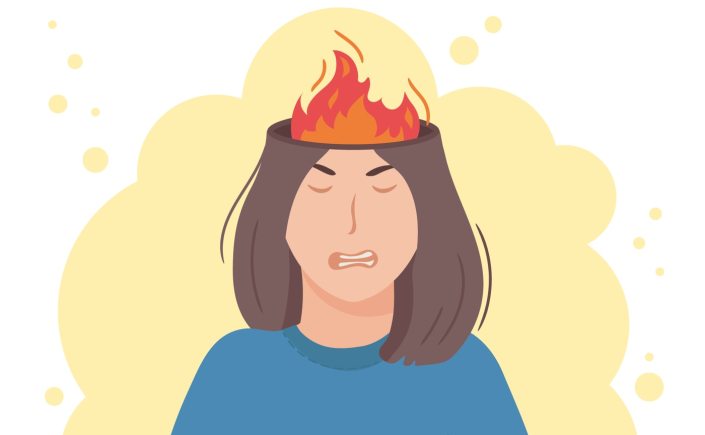
Violence occurs as a result of out of control anger. Anger is an emotion that occurs on a spectrum from irritation to rage. Aggressive, out-of-control responses due to anger lead to abusive actions. Dealing with angry feelings in a positive way is crucial to maintaining healthy relationships. Expressing anger in a calm manner such as having a controlled conversation with whoever you may be angry with is a constructive way to address anger. However, if anger is not dealt with it can lead to passive-aggressive behavior or having a hostile personality.

The Mayo Clinic recommends various tips for keeping anger under control. These tips include thinking before you speak, expressing anger in a calm way, getting exercise to reduce stress, practicing relaxation techniques and receiving help from mental health professionals.

If your anger levels are out of control, feel unavoidable, or if you are often enraged, seeking help for anger management may be the best course of action.

A mental health professional, whether it be a licensed psychologist, psychotherapist, clinical social worker, psychiatric nurse practitioner, or psychiatrist, will work with the patient to develop a new way of thinking and behaving when faced with situations that induce anger. Although anger may currently feel overwhelming, a professional can help work with you to reduce your anger and to help heal and restore your relationships.

If you or someone you know is looking for support, please contact our psychotherapy offices in New York or New Jersey to talk to one of our licensed professional psychologists, psychiatrists, psychiatric nurse practitioners, or psychotherapists at Arista Counseling & Psychotherapy. Contact our Paramus, NJ or Manhattan, NY offices respectively, at (201) 368-3700 or (212) 722-1920 to set up an appointment. For more information, please visit http://www.counselingpsychotherapynjny.com/

Sources:

https://www.nytimes.com/2020/04/06/world/coronavirus-domestic-violence

https://www.mayoclinic.org/healthy-lifestyle/adult-health/in-depth/anger-management/art-20045434

https://www.apa.org/topics/anger/control

Image Source: https://www.mindful.org/feeling-angry-try-this/