Seasonal Depression

Seasonal Depression

Seasonal Affective Disorder

By: Julia Keys

Seasonal Depression, clinically known as Seasonal Affective Disorder or SAD, affects about five percent of American adults annually. SAD is a type of depression where the weather and seasonal changes causes one to feel depressed. SAD symptoms most commonly flare up around the late fall to the early spring months. During this time of the year, the sun is out shorter and its rays are less intense. Psychologists hypothesize that the lack of sunlight contributes to SAD by affecting healthy hormonal balances. Although most cases of SAD occur during the late fall to early spring seasons, some people do have seasonal depression during the warmer spring and summer months. Studies show that alcohol consumption and depression go hand-in-hand, which can be particularly harmful when suffering from SAD.

Symptoms of SAD:

  • Feeling of sadness or depressed mood
  • Lack of motivation
  • Marked loss of interest or pleasure in activities once enjoyed
  • Changes in appetite; usually eating more, craving carbohydrates
  • Change in sleep; usually sleeping too much
  • Loss of energy or increased fatigue despite increased sleep hours
  • Increase in restless activity (e.g., hand-wringing or pacing) or slowed movements and speech
  • Feeling worthless or guilty
  • Trouble concentrating or making decisions
  • Thoughts of death or suicide or attempts at suicide

Fortunately, there are many different treatments to help those with SAD reduce their symptoms. Psychotherapy and medication are helpful for those suffering from SAD. Cognitive Behavioral Therapy or CBT helps patients change unhealthy thought patterns and behaviors that may contribute to their symptoms. Psychiatrists most often prescribe antidepressants such as Lexapro or Prozac to help those with SAD. A new type of therapy, light therapy, has proven to help those with SAD by exposing them to artificial light which takes the place of the light they are missing on short fall or winter days. One usually sits in front of the light box for about twenty minutes each morning. Patients usually start feeling better after two to three weeks of light therapy. In addition to the services professionals can provide to help, there are lifestyle choices that one can make to lessen the effects of SAD such as avoiding drugs and alcohol, getting regular exercise, getting a healthy amount of sleep and eating a healthy diet.

If you or someone you know is struggling with Seasonal Affective Disorder, please contact Arista Counseling & Psychotherapy, located in New York and New Jersey to speak to a licensed professional psychologists, psychiatrists, psychiatric nurse practitioners or psychotherapists. To contact the office in Paramus NJ, call (201) 368-3700. To contact the office in Manhattan, call (212) 722-1920. For more information, please visit http://www.counselingpsychotherapynjny.com/ .


Sources:

https://www.psychiatry.org/patients-families/depression/seasonal-affective-disorder

https://www.psychologytoday.com/us/articles/199809/here-comes-the-sun

Source for Picture:

https://www.google.com/search?biw=1280&bih=561&tbm=isch&sa=1&ei=3zf1XODXGKqIgge05bqIAw&q=the+seasons&oq=the+seasons&gs_l=img.3..0l10.17148.18466..18764…0.0..0.91.895.11……0….1..gws-wiz-img…….35i39j0i67.xG7jW6j8pr0#imgrc=Gwz-hlum6tNV_M:


The Benefits of Yoga on the Mind and Body

Stress Reduction: The Benefits of Yoga     Stress Reduction: The Benefits of Yoga

       By: Julia Keys

        Yoga is a group of physical, mental and spiritual practices that originated in ancient India. Yoga became popular in the United States in the 1960’s as a way to feel a natural “high” without the use of substances. Today, yoga is practiced in the U.S. as a way to relieve stress, exercise, practice spirituality, and to heal the mind and body.

Researchers have found a myriad of benefits of yoga on mental health. Studies show that practicing yoga helps people reduce anger and anxiety, improves sleep, decreases Post Traumatic Stress, and improves daily mood. Yoga’s benefits can all be traced back to its physiological effects on the heart and the nervous system. Yoga incorporates various breathing and meditation exercises alongside physical movement. Yogic or meditative breathing has been shown to increase heart rate variability, or HRV. HRV is simply the distance between each heartbeat. The goal of yogic breathing is to increase the time between each heartbeat. Slower heartbeats can relieve stress and anxiety. Faster heartbeats are correlated with poor emotional regulation.

There are many different types of yoga from which one can choose from. For those seeking yoga that focuses on meditation and breathing, Ananda and Hatha classes would be a good choice. Those seeking more rigorous and physical forms of yoga may want to take Ashtanga or Kundalini classes.

 If you or someone you know is having trouble with stress, anxiety or regulating emotions, please contact our psychotherapy offices in New York or New Jersey to talk to one of our licensed professional psychologists, psychiatrists, psychiatric nurse practitioners, or psychotherapists at Arista Counseling & Psychotherapy. Contact our Paramus, NJ or Manhattan, NY offices respectively, at (201) 368-3700 or (212) 722-1920 to set up an appointment. For more information, please visit http://www.counselingpsychotherapynjny.com/ .


Sources:

https://www.psychologytoday.com/us/blog/silencing-your-inner-bully/201901/5-ways-yoga-can-benefit-your-mental-health

https://www.psychologytoday.com/us/blog/all-about-addiction/201002/addiction-exercise-recovery-yoga-practice-and-mindfulness-in

Source for Picture:

https://www.bing.com/images/search?view=detailV2&id=E9C6F826093C0B21EF4CE1E8062B54A1CDC6869F&thid=OIP.t9l4rEVh9uZ6p8IzbsRaaAHaEL&mediaurl=http%3A%2F%2Fil7.picdn.net%2Fshutterstock%2Fvideos%2F3059605%2Fthumb%2F1.jpg&exph=480&expw=852&q=yoga+sunset+images&selectedindex=15&ajaxhist=0&vt=0&eim=1,2,6


Emotional Support Animals: A Helping Paw for College Students

Emotional Support Animals: A Helping Paw for College Students

By: Liz Lynch

            Colleges have recognized that animals have an innate ability to reduce stress; this is why they organize campus events such as petting zoos and therapy dog visits around midterm and finals times. However, college students have taken a particular interest in Emotional Support Animals in recent years to help combat mental illnesses such as anxiety, depression, and PTSD. Unlike Service Dogs, Emotional Support Animals do not have specific training; this is a very important distinction as Service Dogs have life saving jobs that they are trained and licensed to do.  Emotional Support Animals on the other hand could be considered a pet with a project; but don’t let the cute name fool you though, their project is very important to the student’s mental health as they provide companionship and comfort 24/7.   

           Students who are interested in having an Emotional Support Animal with them at college must go through a short process before the animal is permitted on campus. They must receive a letter of recommendation from their licensed therapist, psychologist, or psychiatrist explaining the circumstances that require them to have an ESA. The letter, vaccination forms, and a contract of responsibility must be signed and approved by the school before the arrival of the animal. Once the animal is approved and moved in their project begins!

ESA Benefits:

  • Reduce feelings of stress and anxiety
  • Lowers feelings of loneliness/ isolation
  • Offers a feeling of security and familiarity
  • Provides mental and psychical stimulation
  • Creates a feeling of responsibility and purpose

           If you or a loved one appears to be suffering from a mental illness, the licensed psychologists, psychiatrists, psychiatric nurse practitioners, and psychotherapists at Arista Counseling & Psychotherapy can assist you. Contact our Paramus, NJ or Manhattan, NY offices respectively, at (201) 368-3700 or (212) 722-1920 to set up an appointment. For more information, visit http://www.counselingpsychotherapynjny.com/

Picture: https://iptc.org/

Depression at Work

sales-sad-woman-at-desk

Depression at Work

By Jessica Burgess

Trying to work while depressed can often feel pointless. Being productive is difficult enough without adding on a state of depression. When depression goes untreated, it can lead to a loss of productivity. Depressed workers are more likely to be away from work than non-depressed individuals and also are less efficient at work based on a national survey published in the Journal of the American Medical Association1. So do our jobs make us depressed? Or does our depression make us poor workers? Psychologists say yes and no.

Depression is not caused by our jobs, but our jobs can add to our depression. Depression is partially due to our hereditary predispositions2. To put it simply, some of the reason why we get depressed are due to the genes we inherit from our parents or grandparents. But not all people that inherit a risk for depression, end up depressed. Exhibiting depression may be due to environmental triggers, such as the workplace or other stressors.

As a result of certain triggers, many individuals exhibit depression which can have consequences in the work environment. In 2013, the leading cause of loss of productivity in the workplace was depression3. Some triggers that can lead to depression in the workplace are related to the workplace itself such as:

  • Work/life imbalance
  • Introvert/extrovert stress
  • Feeling trapped
  • Unclear guidance

Other causes may be more internal such as:

  • Guilt over being a working parent
  • Discomfort with those you work with3

Depression can limit how much we can get done at work and even how often we are at work. Similarly, work can trigger depression and make it worse.

If you believe you or someone you know is struggling with depression speak with one of our licensed professional psychologists, psychiatrists, psychiatric nurse practitioners, and psychotherapists. Contact us at our Paramus, NJ or Manhattan, NY offices at (201) 368-3700 or (212) 722-1920 respectively to set up an appointment. For more information, visit http://www.counselingpsychotherapynjny.com/.

Sources:

https://www.everydayhealth.com/depression/depression-at-work-is-it-you-or-the-job.aspx

https://www.psychologytoday.com/us/articles/200306/depression-in-the-workplace

Image: http://www.bing.com/images/search?view=detailV2&id=D9902C622A3C0E724619B8C4D02543740152C55E&thid=OIP.zAY-bONbDHp9-u6gkNSL1AHaE6&mediaurl=https%3A%2F%2Fleadnetpro1.files.wordpress.com%2F2010%2F11%2Fsales-sad-woman-at-desk.jpg&exph=531&expw=800&q=sad+at+desk&selectedindex=5&ajaxhist=0&eim=1.2.6&ccid=zAY%2BbONb&simid=607996814585496006


Depression: Different Manifestations

By Zuzanna Myszko

Even though depression is seen as a single disorder, it can be characterized by a myriad of different symptoms. Two people who have both been diagnosed with depression may display completely contrasting feelings and behavior. In response, psychologists must attempt to tailor treatments to properly deal with the patient’s particular manifestation of depression.

People with depression are usually described as experiencing:

  • Sadness
  • Worthlessness
  • Fatigue

However, someone might outwardly display signs of aggression and anxiety while experiencing depression, which changes his or her therapeutic needs. Additionally, this brings up the issue of proper diagnosis. Clinicians must utilize interviews and standardized tests in order to determine the kind of symptoms the patient is experiencing, how many symptoms he or she has, and how long they have been present. These assessments also help the clinician see the extent to which the symptoms are impeding the patient’s day-to-day functioning, which is very important for treatment.

Some forms of diagnosis include:

  • DSM-5
  • Hamilton Depression Rating Scale (HAM-D)
  • Patient Health Questionnaire-9 (PHQ-9)

Tracking symptoms becomes important for the clinician to be able to accurately treat the patient. Usually, it becomes a process of trial and error, especially if medication is involved. However, the more accurate the tracking, the more pinpointed the treatment is because symptoms can be tackled individually. Neuroscientists and other mental health researchers are continuing to attempt to determine the underlying biochemistry of depression in order to eliminate some of the trial and error in treatment.


If you or someone you know is experiencing depression or depressive symptoms, speak with one of our licensed professional psychologists, psychiatrists, psychiatric nurse practitioners, and psychotherapists. Contact us at our Paramus, NJ or Manhattan, NY offices at (201) 368-3700 or (212) 722-1920 respectively to set up an appointment. For more information, visit http://www.counselingpsychotherapynjny.com/.

Image: https://clemencebodin.wordpress.com/

Source: https://www.psychologytoday.com/us/blog/7-billion-brains/201901/your-individual-depression

Depression in Children: What are the Signs?

By: Sally Santos

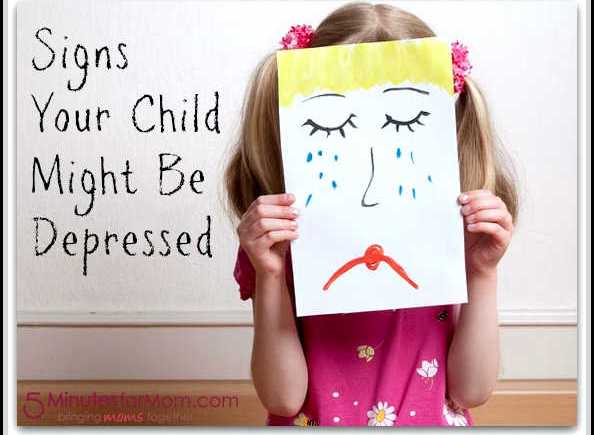
In children the most common mental health disorder is depression. When a child is going through depression it may affect their mental and physical health. As mentioned in a Psychology Today article the symptoms “must also interfere with the child’s functioning in normal daily activities.” Since children are still young they are not able to communicate their feelings well to others. Children with depression can be helped that’s why it is important for parents, caregivers and teachers to recognize the signs of depression. Some of the symptoms are:

  • Angry outburst
  • Anxiety
  • Decreased in energy
  • Feelings of hopelessness
  • Lack of concentration
  • Weight loss
  • Insomnia
  • Refusal to go to school

According to the National Alliance of Mental Health “Once a young person has experienced a major depression, he or she is at risk of developing another depression within the next five years.”

Sources:

https://www.psychologytoday.com/us/blog/alphabet-kids/201009/20-signs-and-symptoms-childhoodteen-depression

https://www.psychologytoday.com/us/blog/alphabet-kids/201009/depressing-news-about-childhood-and-adolescent-depression

Image:

https://www.anxietymedications.net/childhood-depression-symptoms-and-signs-to-diagnose-stress-on-kids/

If you are a parent and are concerned about your child having depression call the licensed psychologists, psychiatrists, psychiatric nurse practitioners, and psychotherapists at Arista Counseling & Psychotherapy can assist you. Contact our Paramus, NJ or Manhattan, NY offices respectively, at (201) 368-3700 or (212) 722-1920 to set up an appointment. For more information, visit http://www.counselingpsychotherapynjny.com/

Depression: Can it be Effectively Treated in Adolescents without Medication?

By Samantha Glosser

Although antidepressant medications are typically seen as the first course of treatment for adolescents diagnosed with depression, many families do not want their kids to begin taking medication. This could be because of personal values and beliefs or because they cannot afford medication. In addition, almost half of all adolescents who begin treatment with medications eventually discontinue use due to the side effects or because they feel that it is not benefiting them enough. If you decide that medication isn’t right for your child, there are other options that are effective. One clinically proven method used to treat depression in adolescents is cognitive-behavioral therapy (CBT).

CBT is a short-term, goal-orientated therapy that focuses on changing patterns of thinking and behaviors that contribute to the patient’s issues. For example, your teenager may feel depressed because they are distorting the importance of certain events. This could start as simply getting a D on their final. However, their thoughts soon begin to spiral, and they begin to think that with this D on their transcript they will never be able to get into college or get a good job. CBT works by challenging this maladaptive thought pattern and teaches patients to replace these thoughts and consider alternative viewpoints. Recent studies have shown that CBT can be just as effective in treating depression as antidepressant medications and will lead to increased moods in adolescents. If you and your child have come to the decision that medication is not right for them, cognitive-behavioral therapy is an effective treatment plan that just might be the right fit for your needs.

If you or someone you know appears to be suffering from attention-deficit/hyperactivity disorder (ADHD), licensed psychologists, psychiatrists, psychiatric nurse practitioners, and psychotherapists at Arista Counseling & Psychotherapy can assist you. Contact our Paramus, NJ or Manhattan, NY offices respectively, at (201) 368-3700 or (212) 722-1920 to set up an appointment. For more information, please visit http://www.counselingpsychotherapynjny.com/.

Martin, B. (2018, April 04). In-Depth: Cognitive Behavioral Therapy. Retrieved from https://psychcentral.com/lib/in-depth-cognitive-behavioral-therapy/?li_source=LI&li_medium=popular17.

Wood, J. (2018, January 21). For Teens, CBT in Primary Care Can Be Cost-Effective Versus Meds. Retrieved from https://psychcentral.com/news/2018/01/20/cognitive-behavioral-therapy-cost-effective-for-teens-who-decline-antidepressants/131463.html.

Depression

By: Dianna Gomez

Similar to most mental health illnesses, depression does not discriminate. Depression doesn’t take into consideration what age, race, gender, sexual orientation, socioeconomic status or religion a person is. In fact, not only does depression affect both men AND women, it may be experienced differently by each group as well. In general, depression is more commonly found in women then it is found in men. When it comes to women specifically, the higher rates of depression have been linked to biological, hormonal, life cycle, and psychosocial factors. It has been shown that hormones directly affect emotions and mood through brain chemistry. A time when women are especially at risk is after giving birth when physical and hormonal changes, as well as new responsibilities for their new born baby can be overwhelming. Postpartum Depression can also occur in new mothers and must be attended to immediately. When speaking about their depression, women are more likely to describe their experiences as feelings of sadness, worthlessness, and/or guilt.

When men are depressed, they are more likely to describe their experiences as having feelings of fatigue, loss of interest in things once enjoyed, irritability, sleep issues, etc. In attempt to relieve themselves of their depression, men are more likely to bury themselves in their work and find ways to keep themselves preoccupied so they aren’t forced to confront their feelings head on. They may also participate in risky or reckless behaviors. Alcohol and substance use is another coping mechanism that men usually turn to. This is usually followed by episodes of anger and aggression.

Depression is one of the most common mental disorders in the United States. Despite this, there is still no known cause for this debilitating illness. That is why it is absolutely crucial that professional help is sought out.

If either you or someone you know may be suffering from depression, the licensed psychologists, psychiatrists, psychiatric nurse practitioners, and psychotherapists at Arista Counseling & Psychotherapy can help you. Contact our Paramus, NJ or Manhattan, NY offices respectively, at (201)-368-3700 or (212)-722-1920 to set up an appointment. For more information, visit us at https://www.counselingpsychotherapynjny.com/.