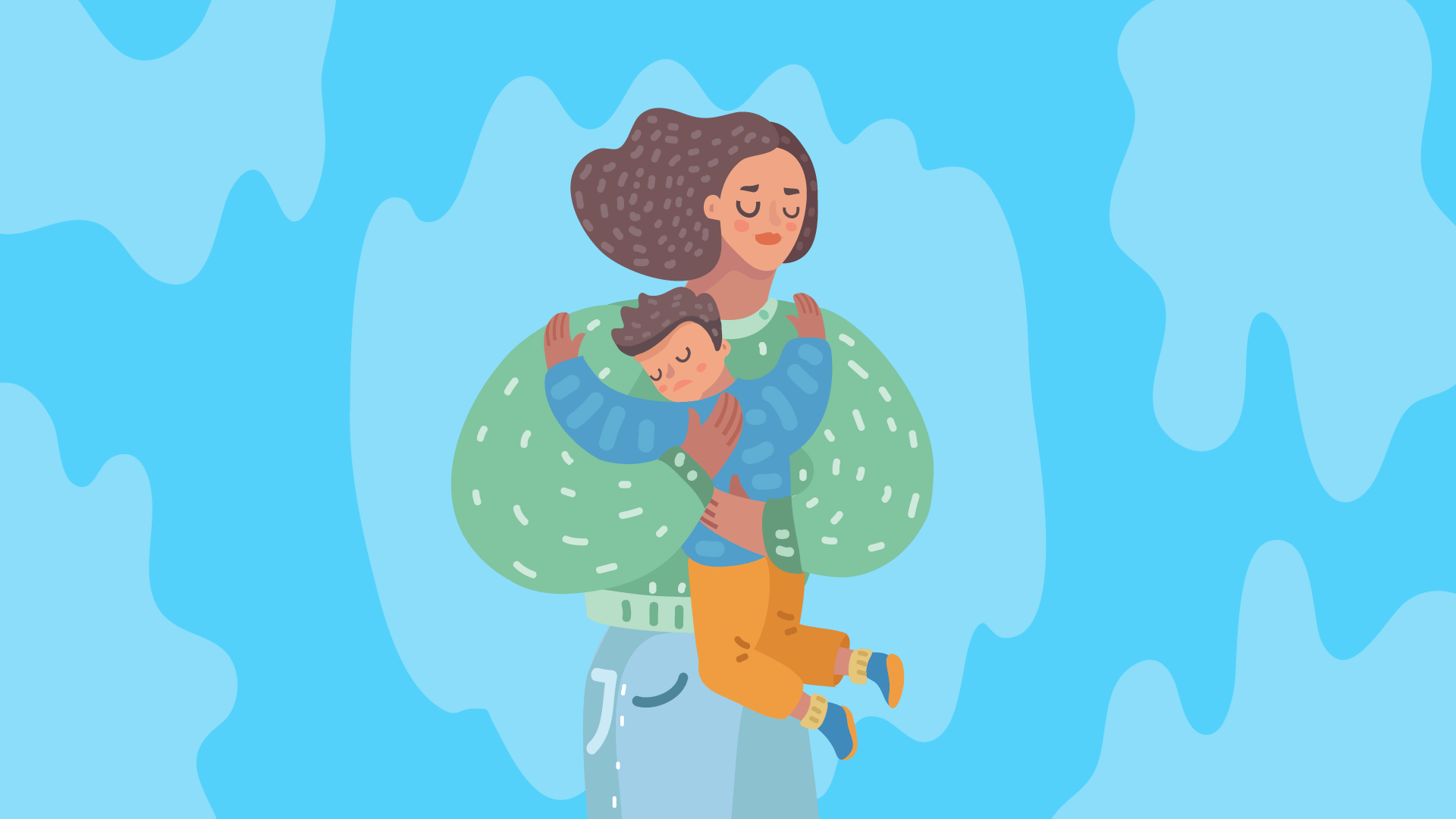
How to Help Children Cope with Grief and Loss

How to Help Children Cope with Grief and Loss

By: Josette DeFranco

A question you don’t hear enough but should be asked more is “What is grief?” Grief is the terrible pain that accompanies loss. Since grief is a reflection of our love, it can feel suffocating. There is no time limit for healing the pain that comes along with loss. Many individuals try to suppress their pain and agony causing them to feel guilt and stagnant. Many individuals may experience grief in short passes where the feeling of distress and sadness comes and goes. Meanwhile, others may experience grief for a long period, such as months or years. It’s important to remind yourself and others that you can grieve at your own pace.

In addition, children experience grief and loss in many different ways. Children are like sponges; they take in information through observation and learned behavior. Although they are young they have deep feelings and can understand their own emotions more than it is perceived. When children grieve it can be a confusing time for them and parents. Do you tell the truth? Or do you rationalize and give simple answers such as “Grandpa is just sleeping.” Being present with them allows you to grieve as well. When children see that their parents can be vulnerable and compassionate it allows them to express themselves and be who they really are.

Here are a couple of ways to help children cope with grief:

  • You can tell children the truth, even though you might not include all the specific information. Mentioning to them that Grandpa is sleeping may cause them to feel afraid to go to sleep or telling them he is in heaven may make them pack their belongings and find heaven. Be clear, honest, and simple.
  • Allow them to ask questions. You can’t protect them from the truth but you can give them your empathetic support and love.
  • Attending the funeral or keeping children home. Ask your child and allow them to decide. If they say yes, have someone who will be present with them and can keep them occupied in case being around sad adults gets overwhelming. If they say no, you can offer another way to remember or honor the person such as showing pictures or lighting a candle.
  • Give reassurance.

If you or someone you know is struggling with their mental health, please contact our psychotherapy offices in New York or New Jersey to talk to one of our licensed professional psychologists, psychiatrists, psychiatric nurse practitioners, or psychotherapists at Arista Counseling & Psychotherapy. Contact our Paramus, NJ, or Manhattan, NY offices respectively, at (201) 368-3700 or (212) 722-1920 to set up an appointment. For more information, please visit https://aristapsychiatrypsychotherapy.com/

Sources:

https://www.psychologytoday.com/us/blog/playful-parenting/202301/how-to-help-children-cope-with-death-and-grief

https://www.psychologytoday.com/us/blog/tales-of-grief/201903/when-children-grieve

https://www.psychologytoday.com/us/basics/grief

Social Anxiety: The Surprising Ways Parents Contribute to Social Anxiety in Their Kids

Social Anxiety: The Surprising Ways Parents Contribute to Social Anxiety in Their Kids

By, Maro Mikhaeil

Being a parent means you will have a defining influence on your child’s emotional and social development. From an early age, your child’s distinct temperament will control how they would respond to the environment. Temperament refers to personality traits that determine individuals’ interactions with their environment. While some children are ready for new experiences, others may demonstrate shyness or uneasiness when faced with unpredictable events. Shyness is a feature of childhood; however, children whose shyness, hesitation to engage in social interactions, or other inhibited behaviors are consistent from infancy to adolescence are more likely to be diagnosed with anxiety disorders such as social anxiety in their teenage years. Discovering this connection could aid you in nurturing your child’s emotional health from birth.

Moreover, a child that shows signs of shyness may hesitate when contacting new people and places, only look down or ignore other children or adults they do not know, and feel uncomfortable to express themselves when participating in social activities. Although, shyness can be temporary, the occurrence of shy behavior in several stages of childhood may mean that there is a need for such a child to have some extra support in their social skills.

Research highlights the crucial role of early intervention as children with shy or cautious natures during their early years have a higher chance of developing social anxiety disorder in their teenage years (Chronis-Tuscano et al., 2009). Researchers considered the possibility that kids who have been shy or anxious from infancy through childhood are more likely to develop anxiety disorders as teenagers (Chronis-Tuscano et al., 2009).

In a similar study, Poole and other researchers followed a group of infants from the age of four months. They monitored their social and emotional development until they were 13 years old. They wanted to know if the infants’ type of response to new situations (positive, negative, or neutral) would influence their behavior and social skills in the future as they grow older. Their research outlined how social anxiety can evolve and how early characteristics may influence these paths (Poole et al., 2022).

For example, if your child’s shyness is why they cannot participate in activities that are part of their day-to-day life or make friends. Then, it may be time to seek the help of a pediatrician or a clinical psychologist. The early intervention could assist in identifying any anxiety that might be the root cause of the problem, and your child will be equipped with the required abilities for a better future. Knowing that temperament from early on can influence mental health later on, one can take active roles in building the child’s development. It’s important to work out open communication with your child and make sure that you pay attention to their emotional needs. The more you do, the better it will be for your child to build these skills and establish valuable social interactions to help children reach their full potential.

If you or someone you know is struggling with social anxiety or mental health, please contact our psychotherapy offices in New York or New Jersey to talk to one of our licensed professional psychologists, psychiatrists, psychiatric nurse practitioners, or psychotherapists at Arista Counseling & Psychotherapy. Contact our Paramus, NJ or Manhattan, NY offices respectively, at (201) 368-3700 or (212) 722-1920 to set up an appointment. For more information, please visit http://www.counselingpsychotherapynjny.com/

References:

https://kidsinfinitelearning.com/social-anxiety-in-kids/

Chronis-Tuscano, A., Degnan, K. A., Pine, D. S., Perez-Edgar, K., Henderson, H. A., Diaz, Y., Raggi, V. L., & Fox, N. A. (2009). Stable early maternal report of behavioral inhibition predicts lifetime social anxiety disorder in adolescence. Journal of the American Academy of Child & Adolescent Psychiatry, 48(9), 928–935. https://doi.org/10.1097/chi.0b013e3181ae09df

Poole, K. L., Degnan, K. A., Harrewijn, A., Almas, A., Fox, N. A., & Henderson, H. A. (2022).Trajectories of socially anxious behavior from age 5 to 13: Temperamental and sociocognitive pathways. Child Development, 93(5), 1334–1346. https://doi.org/10.1111/cdev.13767

Single Parenting Stress

Single Parenting Stress

By: Mercedes Renter

Raising children on your own can result in an overwhelming amount of stress and pressure into parenting. Aside from the financial obligations of raising a family and maintaining a roof over your head with food on the table, single parenting comes with more obstacles than one may think. Emotionally, a single parent must take on the role of both parents at once which leaves them to be both “bad” and “good” cop all at once. This can allow one to feel lonely and isolated when it comes to decision making because they often feel lost without another opinion. Guilt will arise from these situations but your own well-being it is better to focus on any accomplishments.

There are many ways to reduce the stress and attempt to live in a calmer environment. One thing that can be done is to set up a support system. All parents need a little help here and there so do not feel ashamed to ask for it. Maintaining a daily routine can allow you to find yourself with more time to relax. For example, set up a schedule for meals, chores, bedtimes and anything else that is included in your day to day routine. Treat your children like children; although the other parent is absent you should not rely too heavily on the child. A way to notice if you are relying on them too much is if your frustration is being shown more on them than in any other aspect of your life. Lastly, stay positive and take time for yourself.

If you or someone you know is struggling with single parenting stress contact our psychotherapy offices in New York or New Jersey to talk to one of our licensed professional psychologists, psychiatric, psychiatric nurse practitioners, or psychotherapists at Arista Psychotherapy & Psychiatric Services. Contact our Manhattan, NY, or Paramus,NJ offices respectively at (201) 368-3700 or (212) 722-1920 to set up an appointment. For more information please visit https://counselingpsychotherapynjny.com

References: https://www.healthychildren.org/English/family-life/family-dynamics/types-of-families/Pages/Stresses-of-Single-Parenting.aspx

https://www.parents.com/parenting/dynamics/single-parenting/10-ways-to-reduce-single-parent-stress/

Helping Children Deal with Grief

Helping Children Deal with Grief

By: Michaela Reynolds

Losing a loved one is inevitable and can be one of the most difficult times in life. Sadly, you cannot protect your children from the pain of the loss, but you can help them build healthy coping skills. The grieving process will look different to everyone, but it is especially different with children compared to adults. For example, preschool children will most likely view death as temporary and reversible. This is because cartoon character’s death in TV shows or movies usually will die and come back to life. While children between the ages of 5-9 will start to think of death like adults do. However, they will view death as rare and not something that will happen to them.

It is important to help the child express feelings about the death. A way to do this is by reading the child books about death, telling stories or looking at pictures of the person who died. It is also important for you to express your own sadness and make them aware that it is okay to be sad at this time. Offer your support and comfort when you can, while also encouraging them to ask any questions or talk about their feelings.

It is normal that the following weeks after the death for the child to feel immediate grief or believe that the person is still alive. However, long-term denial or avoidance of grief can be unhealthy and can lead to severe future problems.

Signs of children experiencing serious problems with grief:

  • Extended period of depression: a child loses interest in daily activities
  • Loss of appetite, inability to sleep, and prolonged fear of being alone
  • Excessive imitation of the person who died
  • Acting much younger for an extended period of time
  • Believing they are talking to or seeing the person who died
  • Withdrawal from friends
  • Sharp drop in school performance or refusal to attend

If these signs persist, please seek professional help; a child and adolescent mental health professional will be able to help your child accept and properly grieve the death.

If you or someone you know is seeking therapy for the loss of a loved one, please contact our psychotherapy offices in New York or New Jersey to talk to one of our licensed professional psychologists, psychiatrists, psychiatric nurse practitioners, or psychotherapists at Arista Counseling & Psychotherapy. Contact our Paramus, NJ or Manhattan, NY offices respectively, at (201) 368-3700 or (212) 722-1920 to set up an appointment. For more information, please visit http://www.counselingpsychotherapynjny.com/  

Sources:

https://childmind.org/article/helping-children-deal-grief/

https://www.aacap.org/AACAP/Families_and_Youth/Facts_for_Families/FFF-Guide/Children-And-Grief-008.aspx

Image: https://kidshelpline.com.au/parents/issues/supporting-child-through-grief-and-loss

Co-Parenting During COVID-19

Co-Parenting During COVID-19

By: Alexa Greenbaum

Co-parenting is challenging even during normal times. The crisis of COVID-19 can add to the stress of co-parenting. There are many aspects that make co-parenting even more difficult now than before. Some parents may have to work longer hours during the pandemic, whereas others may have reduced hours and are therefore struggling with finances; these are just a few extra stressors that parents are facing during this pandemic. Adding to the difficulty, different states handle custody arrangements differently, which adds confusion to the process.

Regarding custody, parents have to work together to ensure the safety of their children. Unlike before the pandemic, if they do not see eye to eye, they now have limited means of settling the matter in the justice system. State Supreme Courts such as in California, Maryland, and Texas, have issued that parents should follow their court-ordered processioning schedule during COVID-19. However, there are some exceptions including the event of a “lockdown” or a “shelter in place.” In other states, such as New York, the administrative judge has ordered to “act reasonably.” This uncertainty can spark conflict between co-parents as well.

To accommodate in this challenging time, the American Academy of Matrimonial Lawyers and The Association of Family and Conciliation Courts released a joint statement of guidelines on March 19 to help separated parents create a plan during the health crisis. The statement says, “Family law judges expect reasonable accommodations when they can be made and will take serious concerns raised in later filings about parents who are inflexible in highly unusual circumstances.” Nonetheless, the major issue that co-parents are facing, concerning their children, is that many parents are losing the ability to have daily or normal interactions with their kids.

Healthy co-parenting through COVID-19 requires parents to put aside their differences and put their children first. Parents need to know that although this time is confusing for children, kids are generally resilient. Both parents should talk to their kids, whether it be in-person, from 6-feet apart, or virtually about the pandemic. Communication during this time is the best way for a child to have a sense of normality. Thus, this is a time for parents to embrace technology and do their best to work together as co-parents.

Kids are feeling overwhelmed too. Therefore, as a co-parent, focus on doing everything they can do to emotionally support their kids. Reassuring their child that we will get through this, that some changes are only temporary, and most importantly, they are loved is the best way to be there for their child during this time.

If you or someone you know is looking for support, please contact our psychotherapy offices in New York or New Jersey to talk to one of our licensed professional psychologists, psychiatrists, psychiatric nurse practitioners, or psychotherapists at Arista Counseling & Psychotherapy. Contact our Paramus, NJ or Manhattan, NY offices respectively, at (201) 368-3700 or (212) 722-1920 to set up an appointment. For more information, please visit http://www.counselingpsychotherapynjny.com/ .

Sources:

https://www.usnews.com/news/best-states/articles/2020-04-27/americans-struggle-with-co-parenting-during-covid-19

https://www.paleyrothman.com/legal-blog/co-parenting-during-covid-a-practical-guide

https://www.healthychildren.org/English/healthy-living/emotional-wellness/Building-Resilience/Pages/Co-Parenting-through-COVID-19.aspx

https://www.thecenterforfamilylaw.com/afcc-aaml

Image Source:

https://nyulangone.org/news/divorce-co-parenting-covid-19-challenges-opportunities

COVID-19: Co-Parenting in a Stressful Time

COVID-19: Co-Parenting in a Stressful Time

By: Alexa Greenbaum

Co-parenting is challenging even during normal times. The crisis of COVID-19 can add to the stress of co-parenting. There are many aspects that make co-parenting even more difficult now than before. Some parents may have to work longer hours during the pandemic, whereas others may have reduced hours and are therefore struggling with finances; these are just a few extra stressors that parents are facing during this pandemic. Adding to the difficulty, different states handle custody arrangements differently, which adds confusion to the process.

Regarding custody, parents have to work together to ensure the safety of their children. Unlike before the pandemic, if they do not see eye to eye, they now have limited means of settling the matter in the justice system. State Supreme Courts such as in California, Maryland, and Texas, have issued that parents should follow their court-ordered processioning schedule during COVID-19. However, there are some exceptions including the event of a “lockdown” or a “shelter in place.” In other states, such as New York, the administrative judge has ordered to “act reasonably.” This uncertainty can spark conflict between co-parents as well.

To accommodate in this challenging time, the American Academy of Matrimonial Lawyers and The Association of Family and Conciliation Courts released a joint statement of guidelines on March 19 to help separated parents create a plan during the health crisis. The statement says, “Family law judges expect reasonable accommodations when they can be made and will take serious concerns raised in later filings about parents who are inflexible in highly unusual circumstances.” Nonetheless, the major issue that co-parents are facing, concerning their children, is that many parents are losing the ability to have daily or normal interactions with their kids.

Healthy co-parenting through COVID-19 requires parents to put aside their differences and put their children first. Parents need to know that although this time is confusing for children, kids are generally resilient. Both parents should talk to their kids, whether it be in-person, from 6-feet apart, or virtually about the pandemic. Communication during this time is the best way for a child to have a sense of normality. Thus, this is a time for parents to embrace technology and do their best to work together as co-parents.

Kids are feeling overwhelmed too. Therefore, as a co-parent, focus on doing everything they can do to emotionally support their kids. Reassuring their child that we will get through this, that some changes are only temporary, and most importantly, they are loved is the best way to be there for their child during this time.

If you or someone you know is looking for support, please contact our psychotherapy offices in New York or New Jersey to talk to one of our licensed professional psychologists, psychiatrists, psychiatric nurse practitioners, or psychotherapists at Arista Counseling & Psychotherapy. Contact our Paramus, NJ or Manhattan, NY offices respectively, at (201) 368-3700 or (212) 722-1920 to set up an appointment. For more information, please visit http://www.counselingpsychotherapynjny.com/ .

Sources:

https://www.usnews.com/news/best-states/articles/2020-04-27/americans-struggle-with-co-parenting-during-covid-19

https://www.paleyrothman.com/legal-blog/co-parenting-during-covid-a-practical-guide

https://www.healthychildren.org/English/healthy-living/emotional-wellness/Building-Resilience/Pages/Co-Parenting-through-COVID-19.aspx

https://www.thecenterforfamilylaw.com/afcc-aaml

Image Source:

https://nyulangone.org/news/divorce-co-parenting-covid-19-challenges-opportunities

Passive Aggressiveness: Origins and How to Respond

Passive Aggressiveness: Origins and How to Respond

By Crystal Tsui

At one point or another, we have all seen or engaged in passive aggressive behaviors, whether it’s giving the silent treatment, making subtle insults, or sending one of those “as per my last email” emails. We do this because we are suppressing our anger or frustration from someone or something. Fear and anger are controlled by a region in the brain called the amygdala. Passive aggressiveness stems from that basic emotion of anger.

Anger is neither good nor bad. It is a basic, spontaneous, neurophysiological part of human emotion. As children, we were often scolded or punished for expressing anger. For example, throwing a temper tantrum is considered unacceptable. So at a young age, we started to perceive anger as taboo. As a result, we learned to suppress our feelings and engage in an indirect expression of hostility through subtle acts.

Children are most likely to act in a passive aggressive manner. Nonetheless, children are the most susceptible to change. Teaching our children that anger is just like every other emotion and directing their anger towards a positive, productive activity will help the child grow into an adult knowing how to manage their emotions properly. Some positive activities may include writing, exercising, drawing, meditating, and listening to music. These activities provide a form of distraction that can alleviate one’s mood, by stimulating another part of the brain that is not associated with the amygdala.

However, adults act this way as well because it’s easier to be passive than to be assertive and emotionally open. When children are taught to suppress their anger and they mature into an adult, it’s harder for them to stand up for themselves and to confront their source of anger.

It is best to avoid raising your voice, lecturing, or knee-jerk consequences that can exacerbate the situation. If an individual is trying to express their anger through communication, it is best to listen instead of reprimanding them for being angry.

When someone is passive-aggressive towards you, fight the urge to mirror their behavior. Instead confront the behavior because when passive-aggressive behavior is confronted directly and assertively, the hidden anger is weakened. Assertive communication and being emotionally open, no matter how hard it is, is the most effective way to acknowledge and accept anger. This builds a foundation for lifelong emotional intelligence and strong, secure relationships.

If you or someone you know has difficulty managing their anger, please contact our psychotherapy offices in New York or New Jersey to talk to one of our licensed professional psychologists, psychiatrists, psychiatric nurse practitioners, or psychotherapists at Arista Counseling & Psychotherapy. Contact our Paramus, NJ or Manhattan, NY offices respectively, at (201) 368-3700 or (212) 722-1920 to set up an appointment. For more information, please visit http://www.counselingpsychotherapynjny.com/ .

Sources:

https://www.psychologytoday.com/us/blog/passive-aggressive-diaries/201712/the-angry-smile-responding-passive-aggressive-behavior

https://www.psychologytoday.com/us/blog/passive-aggressive-diaries/201709/how-respond-effectively-young-persons-anger

https://www.verywellmind.com/what-is-passive-aggressive-behavior-2795481

https://vignette.wikia.nocookie.net/pixar/images/7/7a/Io_Anger_standard2.jpg/revision/latest/scale-to-width-down/2000?cb=20150425021210

Memory in Children: Do Games Help Improve Memory in Children

Memory in Children: Games Help Improve Memory in Children

By Crystal Tsui

There are many types of memory; episodic, working, procedural, sensory, and so on. But for children, the most important type of memory that they should be exercising is working memory. This is because working memory, a form of short term memory, is where information is consciously stored in the mind at any given moment. We use working memory to be able to remember something long enough to do something with the information.

How does this apply to children? Well, children with better working memory can:

  • Apply previously learned information to new situations
  • Stay focused and on-task
  • Follow complex and multi-step directions

Their attitudes change and they are better-behaved and less likely to daydream and act out during class.

A study in Japan studied eight year old students completing a 10 minute task every day for two months. The students had to recall the second number in a four number sequence and the results showed that there was a 12% increase on their IQ scores than the control group. The study also reports the results on adults had the same effect, although not as dramatic. In conclusion, yes, memory games do improve working memory in children.

Here is a link to an article that lists a bunch of games you can play with children and it includes directions for each game. https://childhood101.com/short-term-memory-games/

If you or someone you know has trouble with attention, please contact our psychotherapy offices in New York or New Jersey to talk to one of our licensed professional psychologists, psychiatrists, psychiatric nurse practitioners, or psychotherapists at Arista Counseling & Psychotherapy. Contact our Paramus, NJ or Manhattan, NY offices respectively, at (201) 368-3700 or (212) 722-1920 to set up an appointment. For more information, please visit http://www.counselingpsychotherapynjny.com/ .

Citations:

https://childhood101.com/short-term-memory-games/

https://thecornerstoneforteachers.com/working-memory-games/

https://www.health.com/syndication/healthy-woman-collapses-rare-brain-condition-icu

http://www.sweetadditions.net/wp-content/uploads/2011/05/Memory-Games.jpg