Social Media: How Social Media Use Impacts Mental Health

Social Media: How Social Media Use Impacts Mental Health

By Celine Bennion

As you scroll through Instagram, Snapchat, Twitter, or LinkedIn, it may seem as though everyone you know uses at least one popular social media platform to share and connect with others. Social interaction is a key element for proper functioning and survival of humans. With modern technology, people can stay connected even when separated by physical distance, especially through social media. Despite their ability to maintain vital connections, social media platforms are known to engender mental health issues such as depression and anxiety, as well as overall negative feelings in users.

As social media has gained popularity, more individuals find themselves bypassing face-to-face social interactions and scrolling through social media profiles instead. This lack of genuine social connection can create feelings of loneliness, increasing the likelihood of users developing mental health issues. Additionally, social media platforms can harm one’s self identity, creating pressure to live up to others’ expectations or perceptions.

Social media is a stage for constant comparison to others. Whether it is related to appearance, materialistic items, or personal accomplishments, users can easily find themselves longing for what others possess. Modern editing software that enables users to easily distort their features in photos creates an unrealistic basis of comparison for those who believe this appearance is natural. Additionally, it is very uncommon for users to post about negative events in their lives, creating a false perception of a “perfect life” as others view their profile.

If social media is often causing individuals to feel bad, why do they continue using it? A major contributor to continued social media usage is the fear of missing out, or FOMO. FOMO occurs when individuals feel that they may miss out on connections such as jokes, invitations, and connections. This fear can cause significant anxiety, especially for those who thrive off of connection with others. Additionally, biological implications are involved in users’ attraction to social media platforms. The continuous presentation of novel content triggers the release of dopamine in the brain, a neurotransmitter that elicits feelings of pleasure. This fluctuation in dopamine levels leaves users craving the pleasurable feelings associated with scrolling, giving social media an addictive nature.

As you scroll through social media platforms, it is important to be mindful of the content you are consuming and discontinue interaction with content that causes negative feelings to arise.

If you or someone you know is seeking therapy, please contact our psychotherapy offices in New York or New Jersey to talk to one of our licensed professional psychologists, psychiatrists, psychiatric nurse practitioners, or psychotherapists at Arista Counseling & Psychotherapy. Contact our Paramus, NJ or Manhattan, NY offices respectively, at (201) 368-3700 or (212) 722-1920 to set up an appointment. For more information, please visit http://www.counselingpsychotherapynjny.com/

Sources:

https://www.mcleanhospital.org/essential/it-or-not-social-medias-affecting-your-mental-health

https://www.ncbi.nlm.nih.gov/pmc/articles/PMC7364393/

https://lancastergeneralhealth.org/health-hub-home/2021/september/the-effects-of-social-media-on-mental-health

https://www.timesrecordnews.com/story/news/2021/10/15/challenge-offers-2-500-stay-off-social-media/8469387002/ (photo)

Anxiety Disorder: Caffeine Induced

By: Julia Massa

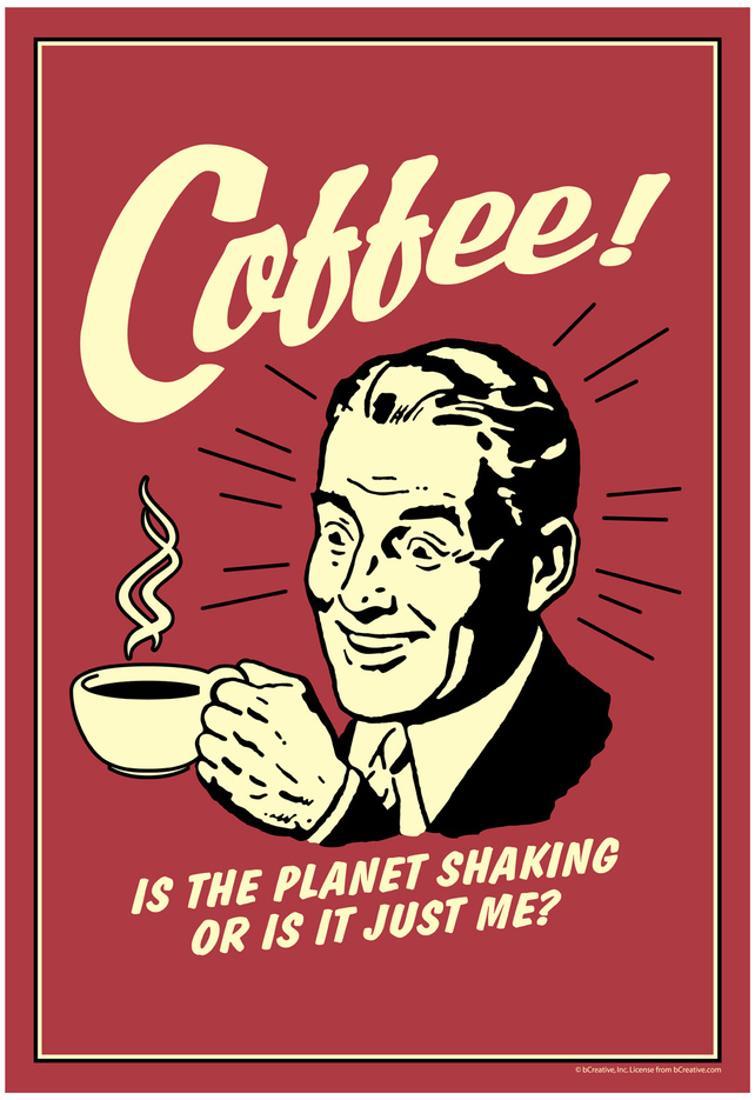
Starbucks, Dunkin, Wawa, and other “on the go” stops will never go out of business. Humans rely heavily on caffeine to get through their shifts, workouts, or even just to post a quick Instagram story. In fact, humans spend five to ten dollars on their caffeine cravings each day. However, there are several caffeine related disorders according to the DSM-IV, including caffeine intoxication, caffeine-induced anxiety disorder, caffeine-induced sleep disorder, and caffeine-related disorder not otherwise specified. Some symptoms of caffeine-induced anxiety include red face, shaking, muscle twitching, confused speech, sweating, insomnia, frequent urination, impulsive reactions towards minor inconveniences, and mood swings. Caffeine-Induced Anxiety is caused by the effect of caffeine on the brains neurotransmitters, such as norepinephrine. This chemical increases stress hormones, like cortisol, which is linked to many mental disorders and may interact with medications a patient is already taking to manage their anxiety symptoms.

Caffeine is listed as a drug in both medical and psychiatric literature since it is a central nervous stimulant and can be fatal if a person exceeds the daily recommendation of 400mg. For those with anxiety, 200mg or less is the recommended dose. Though it is rare, consuming a caffeine pill of a high dose can lead to ventricular fibrillation and death. Caffeine is legal and unregulated, which is why many people do not realize how their medium hot caramel coffee with almond milk can exaggerate their anxiety symptoms or cause anxiety-related symptoms. When people limit their caffeine intake suddenly, they may experience withdrawal symptoms similar to addictive drugs like cocaine. These symptoms include headache, irritability, drowsiness, loss of focus, insomnia, stomach pain, etc. For this reason, many individuals continue to drink caffeinated beverages to prevent these symptoms. In fact, more than 97% of caffeine consumed by adolescents and adults come from beverages.

Though the prevalence rate for caffeine-induced psychiatric disorders has not been well established, there is a high comorbidity rate between caffeine and several mood and substance abuse disorders.

If you or someone you know is struggling with anxiety, please contact our psychotherapy offices in New York or New Jersey to talk to one of our licensed professional psychologists, psychiatrists, psychiatric nurse practitioners, or psychotherapists at Arista Counseling & Psychotherapy. Contact our Paramus, NJ or Manhattan, NY offices respectively, at (201) 368-3700 or (212) 722-1920 to set up an appointment. For more information, please visit http://www.counselingpsychotherapynjny.com/

http://www.americanmedtech.org/files/STEP_Online_articles/353.pdf

https://www.dovemed.com/diseases-conditions/caffeine-induced-anxiety/

Men & Eating Disorders: The Quiet Struggle

By: Valeria Dubon

When discussing eating disorders, many people associate it towards women and their own personal struggles with the disorder. Although women often do carry the burden of trying to look a certain way and appeal to a certain body type, many people do not realize how those same standards negatively affect men and in what ways. Some of the reasons as to why eating disorders in men are not as studied and understood compared to women are simply due to factors such as:

  • The stigma associated with males seeking help 
  • Eating disorders in men having different symptoms compared to women
  • Strong association with eating disorders and women in the media

Previous statistics indicate that men make up about ten percent of eating disorders. However, one thing to acknowledge is that many men refuse to come forward with their disorder. This in turn validates the argument that the real number of men who suffer from eating disorders is much higher.

There are several key differences when it comes to men and women suffering from this disorder. For example, males with eating disorders are at a much older age on average compared to females; they also tend to have greater risk of psychiatric problems such as anxiety/depression and engage in more suicidal behaviors. One of the most common forms of eating disorders in men is called muscle dysmorphia, which is essentially a type of body dysmorphia; its core symptom is a fear of not being muscular enough. Other symptoms associated with it may include compulsive exercise and use of supplements. 

When it comes to treatment, the biggest hurdle for men is simply getting rid of the stigma that eating disorders carry. Treatments such as cognitive behavioral therapy and family based therapy are shown to be effective, both of these are also effective when dealing with women who have eating disorders.

If you or someone you know is seeking therapy for eating disorders, please contact our psychotherapy offices in New York or New Jersey to talk to one of our licensed professional psychologists, psychiatrists, psychiatric nurse practitioners, or psychotherapists at Arista Counseling & Psychotherapy. Contact our Paramus, NJ or Manhattan, NY offices respectively, at (201) 368-3700 or (212) 722-1920 to set up an appointment. For more information, please visit http://www.counselingpsychotherapynjny.com/

Sources :

https://www.verywellmind.com/male-eating-disorders-4140606 

Psychotherapy: Benefits of Rational Emotive Behavior Therapy (REBT)

By: Jasmyn Cuate

Rational emotive behavior therapy (REBT) is a type of cognitive behavioral therapy (CBT) that focuses on helping people recognize and change negative thinking patterns into positive, healthier ones. This method is an action-oriented approach helping to overcome any psychological problems or mental distress. The goal of REBT is to help people respond rationally to situations that would cause stress, depression, or other negative feelings. How does it work?

The ABC model is one concept of REBT. The model suggests that we may blame external situations for our unhappiness and it is our interpretation of these situations that truly causes the psychological distress. ABC stands for:

  • A: Activating event, when something happens in your environment
  • B: Belief, describes your thoughts about the situation
  • C: Consequence, which is your emotional response to your belief

With REBT, your therapist will help you learn how to apply the ABC model in your daily life. Your therapist may help you identify the activating event before encouraging you to figure out which belief led you to your negative feelings. Once you’ve identify the underlying issue, your therapist will work with you to change those beliefs and your emotional response towards the issue. Before changing your belief, a process called disputation takes place where your therapist will challenge your irrational beliefs using direct methods such as asking questions which causes you to re-think or have you imagine another point of view that you may have not considered before. REBT can help with Anxiety, Social anxiety disorder, distress, Depression, Disruptive behavior in children, Obsessive-compulsive disorder (OCD) and Psychotic symptoms.

Benefits of REBT:

  • Reduce feelings of anger, depression, anxiety, and distress
  • Improves health and quality of life
  • Better social skills and school performance

REBT helps you understand that you are worthy of self-acceptance no matter what even if you or others are struggling; there is no need for shame or guilt because everyone makes mistakes and it’s normal to feel some discomfort. REBT gives insight that others are also worthy of acceptance even if their behavior involves something you don’t like. Overall, REBT helps you have a healthy emotional response on learning from a situation and moving on. This allows you to understand that negative things will sometimes happen in life therefore there is no rational reason to always expect it to be positive when faced with a situation.

If you or someone you know is seeking for cognitive behavioral therapy or rational emotive behavior therapy, please contact our psychotherapy offices in New York or New Jersey to talk to one of our licensed professional psychologists, psychiatrists, psychiatric nurse practitioners, or psychotherapists at Arista Counseling & Psychotherapy. Contact our Paramus, NJ or Manhattan, NY offices respectively, at (201) 368-3700 or (212) 722-1920 to set up an appointment. For more information, please visit http://www.counselingpsychotherapynjny.com/

Source: https://www.verywellmind.com/rational-emotive-behavior-therapy-2796000

Body Dysmorphia: Symptoms and Treatment

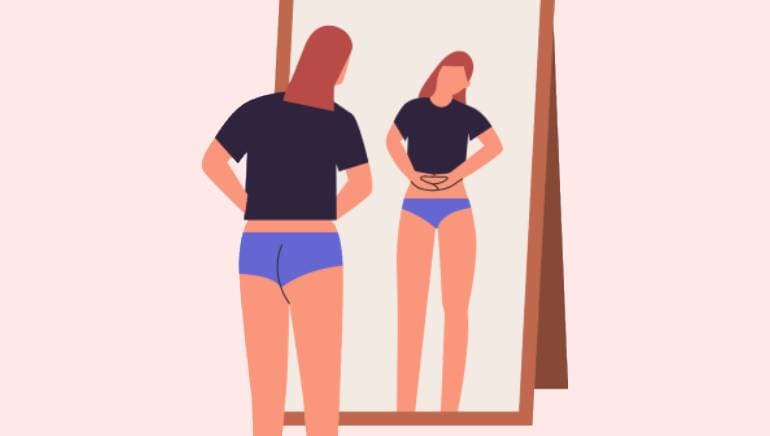
Body dysmorphic disorder is a mental health disorder where one intensely focuses on appearance and body image, and cannot stop thinking about perceived defects and flaws. These flaws are minor and cannot be seen by others. The individual may feel so ashamed, anxious, and embarrassed that social interactions are avoided. These symptoms can cause extreme distress, be extremely time consuming, be disruptive, and cause serious problems in one’s work, school, and social life. Some may experience suicidal thoughts or behaviors. Both men and women can struggle with body dysmorphic disorder.

Symptoms of body dysmorphia can include:

  • A strong belief that you have a defect in your appearance that causes you to feel deformed and ugly
  • Engagement of behaviors that are difficult to resist or control such as frequently checking the mirror, skin picking, and grooming
  • Seeking cosmetic procedures but gaining little satisfaction
  • Constantly comparing your appearance to others
  • Often seeking reassurance from others about your appearance

Body dysmorphic disorder affects both males and females and typically starts in the early teenage years.

Risk factors include:

  • Societal pressure and expectations of beauty
  • Negative life experiences such as abuse
  • Having another mental health disorder

Shame and embarrassment are often associated with body dysmorphia and that may keep one from seeking treatment. Body dysmorphic disorder can last for years or be lifelong. If left untreated, it can get worse over time, so it is important that the disorder is identified and treated.

If you or someone you know is struggling with body dysmorphic disorder, please contact our psychotherapy/psychiatry offices in New York or New Jersey to talk to one of our licensed professional psychologists, psychiatrists, psychiatric nurse practitioners, or psychotherapists at Arista Counseling & Psychotherapy. Contact our Paramus, NJ or Manhattan, NY offices respectively, at (201) 368-3700 or (212) 722-1920 to set up an appointment. For more information, please visit http://www.counselingpsychotherapynjny.com/.

Sources

https://www.mayoclinic.org/diseases-conditions/body-dysmorphic-disorder/symptoms-causes/syc-20353938

https://www.healthshots.com/mind/mental-health/everything-you-need-to-know-about-body-dysmorphic-disorder/

Image Source

https://www.healthshots.com/mind/mental-health/everything-you-need-to-know-about-body-dysmorphic-disorder/

COVID Anxiety

By: Julia Massa

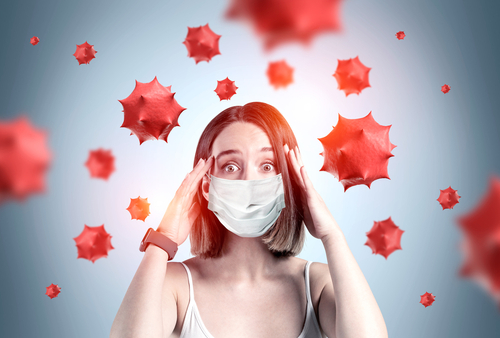
The COVID-19 pandemic has sparked fear in many people from diverse populations, especially those who are immunocompromised. Research shows that pre-existing vulnerability to certain illnesses is a major trigger, so it is no secret as to why the pandemic has significantly affected those with autoimmune disorders. People are leaving their homes less, cities are vacant, parks are untouched, businesses are closing, and schools are silent while hospitals are loud, chaotic, and constantly moving. The pandemic has fueled OCD symptoms where people are commonly seen drowning their hands in sanitizer, hoarding their homes with cleaning products, clearing the shelves of toiletries, and constantly cleaning surfaces- no matter the location. There has been an increase in OCD diagnoses and symptoms of those who already have the condition are becoming more severe.

People are stressing over potential blood clots, painful lumps, infections, and even having something as little as an itch- the list tracks on. Illness anxiety is real and can disrupt an individual’s daily functioning. Individuals with this condition constantly google symptoms and surveil their body for any physical signs of illness- previously recognized as hypochondriasis. These constant rituals and safety behaviors can be detrimental to a person’s mental state. In addition, this “what if” mindset only reinforces an individual’s anxiety.  It can be very expensive dealing with this condition, as people tend to go to frequent doctor’s visits, whereas others may avoid going altogether. 

Psychotherapy, particularly cognitive behavior therapy, can be an effective treatment for those with illness anxiety. Medications such as selective serotonin reuptake inhibitors (SSRIs) can help an individual with illness anxiety manage their anxiety and stress without taking a trip to the doctor’s office. Anxiety can actually present with physical symptoms that an individual may think is from a serious illness, so finding ways to cope and deal with the excessive worries can lead to optimal outcomes.

Sources:

https://www.msn.com/en-us/health/medical/pandemic-anxiety-is-fueling-ocd-symptoms-e2-80-94even-for-people-without-the-disorder/ar-AASYBeE?ocid=uxbndlbing

https://adaa.org/learn-from-us/from-the-experts/blog-posts/consumer/health-anxiety-what-it-and-how-beat-it

https://www.mayoclinic.org/diseases-conditions/illness-anxiety-disorder/symptoms-causes/syc-20373782

If you or someone you know is seeking therapy for illness-anxiety, please contact our psychotherapy offices in New York or New Jersey to talk to one of our licensed professional psychologists, psychiatrists, psychiatric nurse practitioners, or psychotherapists at Arista Counseling & Psychotherapy. Contact our Paramus, NJ or Manhattan, NY offices respectively, at (201) 368-3700 or (212) 722-1920 to set up an appointment. For more information, please visit http://www.counselingpsychotherapynjny.com/          

Emotional Support Animals and Controversy

Emotional Support Animals and Controversy

By: Valeria Dubon

Emotional support animals (ESA’s) provide a comforting and consoling figure for individuals who suffer from some sort of mental illness. Although they can be in the form of many different pets, dogs are the most common form of ESA’s and they can be of any age and any breed. ESA’s can be defined as any animal that is prescribed by a licensed mental health professional to offer emotional support to a person that is suffering from a disabling mental illness. One example could be a psychologist prescribing an emotional support dog to ease a patient’s anxieties. Emotional support animals, however, are not service dogs; there is a key difference between the two types of support. ESA’s deal more with offering a soothing and relaxing friend to the owner; they can help ease anxiety, depression and phobias. Even so, they are not allowed in many public places and cannot go everywhere where the public is allowed. A service dog helps individuals perform tasks that they cannot do on their own. For example, they are trained to assist and alert someone who is hearing impaired and/or visually impaired, they are not their for simply companionship. Their training must alleviate a certain disability.

There is even another type of service dog called psychiatric service dogs that detect the beginning of a psychiatric episode and ease their effects; again this is different from an ESA. Unfortunately, although ESA and service dogs are both essential in their own ways, ESAs are not treated with the same level of respect and importance; as many people believe that they are simply not needed at all. Many people fabricate the need for emotional support animals and take advantage of the system, with people having the ability to buy certifications for only $50. This only adds to the ESA controversy. This has caused many places, including airlines, to restrict the use of ESAs, leaving people who actually need them in an unfortunate situation. This controversy is currently ongoing, with many people being against the excessive use of an emotional support animal. In order to reduce the number of fraudulent ESA certifications, it has been suggested that a standardized ESA assessment could be made and conducted by forensic practitioners with stricter guidelines. This in turn not only helps the owners of ESAs, but also the general public as well. An actual assessment and training will keep aggressive animals and lax owners from not only irritating the public but also from endangering it.

If you or someone you know is in need of an emotional support animal, please contact our psychotherapy offices in New York or New Jersey to talk to one of our licensed professional psychologists, psychiatrists, psychiatric nurse practitioners, or psychotherapists at Arista Counseling & Psychotherapy. Contact our Paramus, NJ or Manhattan, NY offices respectively, at (201) 368-3700 or (212) 722-1920 to set up an appointment. For more information, please visit http://www.counselingpsychotherapynjny.com/

Sources :

https://www.akc.org/expert-advice/news/everything-about-emotional-support-animals/

http://jaapl.org/content/early/2020/09/16/JAAPL.200047-20

Couple’s Counseling: How to know When You and Your Partner Should Attend

Couple’s counseling is a form of psychotherapy that is focused on helping the couple better understand their relationship, overcome challenges in a healthy and effective way, and develop better ways of relating to and communicating with one another. Couple’s counseling is for any couple whether they are married, non-married, polyamorous, monogamous, long-distance, or in an open relationship. There are many areas that couple’s counseling can help with such as infidelity, challenges related to sex and intimacy, difficulty communicating with one another, and financial issues and concerns. An issue such as infidelity can be very difficult to overcome considering it causes there to be a lack of trust; however, many couples find that after attending couple’s counseling they come back stronger than before.

There are some key signs of when it is time to see a therapist as a couple. If you and your partner are considering splitting up, if you are feeling stuck on how to resolve a reoccurring conflict, or you and your partner are experiencing an extreme stressor which is affecting the relationship such as an affair or recently having a baby, then it may be time to seek help together. Couple’s counseling does not always have to be as a result of a failing relationship. Many couples go to counseling together in an effort to continue to strengthen and build their relationship. If your partner is not interested in seeking therapy together, individual services are also available and can be beneficial if you need support.

If you and your partner are seeking couple’s counseling, please contact our psychotherapy offices in New York or New Jersey to talk to one of our licensed professional psychologists, psychiatrists, psychiatric nurse practitioners, or psychotherapists at Arista Counseling & Psychotherapy. Contact our Paramus, NJ or Manhattan offices respectively, at (201) 368-3700 or (212) 722-1920 to set up an appointment. For more information, please visit http://www.counselingpsychotherapynjny.com/

Sources

https://www.mindbodygreen.com/articles/when-to-go-to-couples-therapy-and-how-long-it-takes-to-work

https://zencare.co/therapy-type/couples-counseling

Image Source

Art Therapy: An Adjunct in the Therapeutic Process

Art Therapy: An Adjunct in the Therapeutic Process

By: Julia Massa

Art therapy is defined as “an integrative mental health and human services profession that enriches the lives of individuals, families, and communities through active art-making, creative process, applied psychological theory, and human experience within a psychotherapeutic relationship.” Art therapy is used as an adjunct in the therapeutic process when working with diverse populations, but predominately children. This type of therapy can be exceptionally beneficial for parents of a child who has a medical illness or struggles with expressing or verbalizing their feelings or thoughts. Though this form of therapy is not commonly used when treating the adult population, it is frequently used diagnostically for those experiencing illness, trauma, or a mental health condition. For instance, art therapy can be an effective treatment for individuals diagnosed with cancer or traumatic brain injury.

Art therapists typically work in hospitals, psychiatric, and rehabilitation settings, as well as other clinical and community settings. In particular, art therapy can help support an individual’s ability to cope with certain medical challenges as well as long or short-term hospitalizations. This type of therapy can serve as an outlet for those who have difficulty expressing their daily thoughts. The creative process allows an individual to foster self-esteem as well as self-awareness.

Using a variety of forms of expressive art, such as dance, music, writing, visual arts, drama, etc. can allow an individual to not only express, but reflect on their own thoughts and emotions. In turn, an individual can explore and understand why they react to their experiences in a particular way and how they can initiate change.  Art therapy can be a key enhancer towards personal growth.

If you or someone you know is seeking therapy, please contact our psychotherapy offices in New York or New Jersey to talk to one of our licensed professional psychologists, psychiatrists, psychiatric nurse practitioners, or psychotherapists at Arista Counseling & Psychotherapy. Contact our Paramus, NJ or Manhattan offices respectively, at (201) 368-3700 or (212) 722-1920 to set up an appointment. For more information, please visit http://www.counselingpsychotherapynjny.com/

Sources:

https://www.atcb.org/what-is-art-therapy/

https://www.goodtherapy.org/learn-about-therapy/types/art-therapy

Anxiety: Generalized Anxiety Disorder (GAD): Signs, Symptoms, and Treatment

Anxiety: Generalized Anxiety Disorder (GAD): Signs, Symptoms, and Treatment

By Celine Bennion

Generalized Anxiety Disorder (GAD) is a common anxiety disorder in the United States, currently impacting 3.1% of the population; as many as 5.7% of U.S. adults report experiencing this disorder at some point in their lives. GAD is characterized by feelings of excessive worry which have no particular trigger. This anxiety can be felt about school, work, social interactions, or even common, everyday events. These behavior patterns and cognitive issues become disordered when they begin to disrupt normal functioning.

Symptoms of GAD include the following: restlessness, being wound-up or on-edge, fatigue, trouble concentrating, irritability, muscle tension, and sleeping problems including difficulty falling/staying asleep or unsatisfying sleep. At least three of these symptoms must be present for at least six months for a patient to be diagnosed with GAD.

Treatment:

Cognitive Behavior Therapy (CBT) is a type of therapy that is particularly helpful in treating anxiety disorders, including GAD. This therapy involves teaching patients different ways to approach anxiety inducing situations by changing how they think, behave, and react to them. It also helps to implement social skills in patients.

Medications are another form of treatment for GAD. It should be noted, however, that medications are used to help decrease symptoms of a disorder and do not cure it entirely. Anti-anxiety and anti-depressant medications are commonly used to treat GAD. Anti-depressants work for both depression and anxiety by altering chemicals in the brain, specifically serotonin and norepinephrine. They help to regulate mood and relieve symptoms associated with these disorders. Selective serotonin reuptake inhibitors (SSRIs) and serotonin norepinephrine reuptake inhibitors (SNRIs) are the most commonly used anti-depressants. Anti-anxiety medications, such as benzodiazepines, are effective in treating anxiety symptoms quickly. They are often used as a second option when anti-depressants are not enough to relieve symptoms.

If you or someone you know is seeking therapy for an anxiety disorder, please contact our psychotherapy offices in New York or New Jersey to talk to one of our licensed professional psychologists, psychiatrists, psychiatric nurse practitioners, or psychotherapists at Arista Counseling & Psychotherapy. Contact our Paramus, NJ or Manhattan, NY offices respectively, at (201) 368-3700 or (212) 722-1920 to set up an appointment. For more information, please visit http://www.counselingpsychotherapynjny.com/

Sources:

https://www.nimh.nih.gov/health/topics/anxiety-disorders

https://adaa.org/understanding-anxiety/generalized-anxiety-disorder-gad

https://adaa.org/blog/category/generalized-anxiety-disorder-gad (photo)