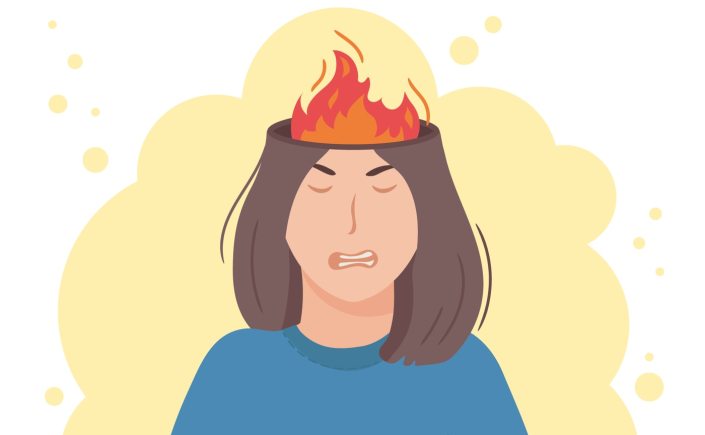
Alcoholism during COVID-19

By: Elyse Ganss

Alcohol sales have spiked during the coronavirus pandemic. According to Nielson, during the month of March alone, alcohol sales were up by 55%. Thus, it is clear that COVID-19 has caused an increase in alcohol consumption. This could have negative health effects as well as cause an alcohol dependency and subsequent addiction. Addiction can result in job loss, the disruption of relationships, and difficulties in performing normal, day-to-day functions.

Alcohol abuse causes chemical changes in the brain that create feelings of pleasure when consuming alcohol, which make an addicted person reliant on the use of alcohol. They must continually up their dosage to feel the same sensation of pleasure as tolerance develops. Risk factors for alcoholism include a family history of substance abuse, a mental health problem, binge drinking, high stress, and low self-esteem.

A mental health professional will aid the patient with creating a treatment plan. Usually a detox program will be created that includes medication to help the patient safely withdraw from alcohol usage. Unregulated withdrawal can cause seizures and other negative health effects. Therapy is typically recommended for addicted patients as it can help the patient work through the issues that may have caused them to turn to substance abuse. Finally, family or couples therapy may be recommended to repair relationships that may have been damaged because of addiction.

If you or someone you know needs support for alcoholism or substance abuse, please contact our psychotherapy offices in New York or New Jersey to talk to one of our licensed professional psychologists, psychiatrists, psychiatric nurse practitioners, or psychotherapists at Arista Counseling & Psychotherapy. Contact our Paramus, NJ or Manhattan, NY offices respectively, at (201) 368-3700 or (212) 722-1920 to set up an appointment. For more information, please visit http://www.counselingpsychotherapynjny.com/ .

Sources:

https://www.healthline.com/health/alcoholism/basics#symptoms

https://www.healio.com/news/primary-care/20200416/alcohol-consumption-during-covid19-pandemic-what-pcps-need-to-know

https://www.mayoclinic.org/diseases-conditions/alcohol-use-disorder/diagnosis-treatment/drc-20369250

Image Source:

https://greatlakesrehabilitation.com/wp-content/uploads/2019/03/Consequences-of-Alcoholism

Family Therapy

By: Elyse Ganss

Family therapy is a type of counseling where family members participate to deal with prior issues or conflicts and improve communication. Family members do not need to be blood related and can simply be long-term support members.

Family therapy may be necessary during short term increments when a particular problem occurs. Through improving communication, families will gain the necessary skills to deal with issues that come up in their lives. However, sometimes long-term family therapy can be needed. For example, a family dealing with the loss of a loved one may need counseling services for a long period as the process of grieving is different for each family.

Some common things addressed during family therapy include different parenting styles, financial conflicts, sexual issues, conflict between parents and children, substance abuse and mental illness. Similarly, anger or grief can be addressed during family therapy. Positive outcomes of family therapy include communication, reduced family conflict, improved family cohesion, and better problem-solving ability.

During family therapy, a therapist talks to the couple both together and alone as needed. Then, the therapist will talk to each member of the family to learn what is going on. After this a treatment plan will be created and the therapist will work with the family to meet their goals.

If you or someone you know is interested in family therapy, please contact our psychotherapy offices in New York or New Jersey to talk to one of our licensed professional psychologists, psychiatrists, psychiatric nurse practitioners, or psychotherapists at Arista Counseling & Psychotherapy. Contact our Paramus, NJ or Manhattan, NY offices respectively, at (201) 368-3700 or (212) 722-1920 to set up an appointment. For more information, please visit http://www.counselingpsychotherapynjny.com/ .

Sources:

https://www.mayoclinic.org/tests-procedures/family-therapy/about/pac-20385237

https://www.webmd.com/parenting/family-therapy-overview#1

Image Source: https://www.arkansasrelationshipcenter.com/the-most-common-issues-seen-in-family-therapy-sessions

Addiction: How to Support a Spouse with Addiction

Addiction: How to Support a Spouse with Addiction
By: Isabelle Siegel

One hallmark sign of addiction is continued substance use despite interference with one’s interpersonal relationships. Addiction can take an immense toll on romantic relationships in particular, causing pain and suffering for both parties. The partners/spouses of people with addiction may feel as though they are helpless, unable to provide the support that is needed. However, there are steps that partners/spouses can take to support their partner/spouse and themselves.

Develop an understanding of addiction and how it manifests in your partner/spouse. Research “Substance Use Disorder” and its symptoms, taking note of which symptoms apply to your partner/spouse. It may be helpful to create a list of warning signs that your partner/spouse is using substances, as well as to learn what to do in the case of an overdose.

Support, but avoid enabling. Enabling entails making excuses for your partner’s/spouse’s addictive behavior, communicating to them that such behavior is acceptable and can be continued. Instead, stress the necessity of change while also practicing devotion and love.

Establish boundaries for your relationship. Many professionals suggest establishing a set of boundaries that must be respected. For example, you may want to tell your partner/spouse that he/she cannot use substances while in the house.

Be honest with your partner/spouse. Tell your partner/spouse how his/her behavior makes you feel. If your partner’s/spouse’s behavior is hurting you, tell him/her. It is normal to feel uncomfortable during these conversations, but they are important and even necessary for change.

Most importantly, take care of yourself and seek therapy. Understand that your partner/spouse is not the only one who needs support and never feel guilty for prioritizing your own needs. If you feel that the relationship is putting your physical or mental health at risk, it may be necessary to end the relationship. It can be beneficial to seek therapy or other support in order to take care of your own mental health and to work through difficult emotions.

If you or a loved one needs support, the licensed psychologists, psychiatrists, psychiatric nurse practitioners, and psychotherapists at Arista Counseling & Psychotherapy can assist you. Contact our Paramus, NJ or Manhattan, NY offices respectively, at (201) 368-3700 or (212) 722-1920 to set up an appointment. For more information, visit http://www.counselingpsychotherapynjny.com/

COVID-19: Addiction and Relapse

By: Elyse Ganss

It is currently unclear how COVID-19 will affect addiction. As a result of the nature of the coronavirus and its’ effect on the lungs, people who smoke tobacco, marijuana, or vape are at an increased risk for getting the virus. Besides an increased risk for getting the virus, people who suffer from addiction may be negatively affected in other ways as well.

 Isolation can have negative effects on people who suffer from substance abuse, particularly for those who are in recovery. Isolation can trigger anxiety and depression and without proper coping skills, this can trigger relapse.

Social distancing has put a stop to people attending peer-support groups in person, which are typically very beneficial for people who are recovering from addiction. While there are online support groups, it is unknown how many people will utilize them. Similarly, while family support is still available through phone calls and texts, it is no longer available in person. These changes have the possibility to increase levels of addiction.

In some states, access to critical medications, like methadone and buprenophrine that allow addicts to wean off of opioids, have been severely regulated and almost stalled. This could increase self-medication of drugs and alcohol and cause drug overdoses to occur. Receiving treatment, like teletherapy, with a licensed mental health professional to discuss a treatment plan, coping strategies, and what your support network looks like could be extremely beneficial for those who are recovering or currently struggling with addiction.

If you or someone you know is looking for support, please contact our psychotherapy offices in New York or New Jersey to talk to one of our licensed professional psychologists, psychiatrists, psychiatric nurse practitioners, or psychotherapists at Arista Counseling & Psychotherapy. Contact our Paramus, NJ or Manhattan, NY offices respectively, at (201) 368-3700 or (212) 722-1920 to set up an appointment. For more information, please visit http://www.counselingpsychotherapynjny.com/ .

Sources:

https://www.drugabuse.gov/about-nida/noras-blog/2020/04/covid-19-potential-implications-individuals-substance-use-disorders

https://www.psychologytoday.com/us/blog/healing-addiction/202003/coronavirus-and-addiction

https://www.healthaffairs.org/do/10.1377/hblog20200407.290720/full/

Image Source:

https://www.healthline.com/health/addiction/alcohol

Telehealth and Teletherapy

By: Isabelle Siegel

“Teletherapy” describes the delivery of therapy sessions via video or phone conferencing. Even before the age of COVID-19, teletherapy was quickly rising to popularity. However, COVID-19 has forced those who were on the fence about teletherapy to begin engaging in video- or phone-delivered sessions. This begs the question: Is teletherapy as effective as in-person therapy? If so, what are the benefits of teletherapy?

Is Teletherapy as Effective as In-Person Therapy?

Therapy has historically been referred to as “the talking cure,” and therefore one would presume that the therapeutic process would easily translate to talking via video or phone. Is this the case? The overall consensus of scientific research is that teletherapy is equally as effective as in-person therapy. More specifically, scientific studies support the use of teletherapy for depression, posttraumatic stress disorder, eating disorders, anxiety disorders, and other psychological disorders.

Benefits of Teletherapy

Teletherapy may even have numerous advantages over in-person therapy, as it generally makes therapy much more accessible to the average person. Some benefits of teletherapy include:

Greater Flexibility and Efficiency: Teletherapy can enable patients to easily engage in therapy sessions while simultaneously working from home, taking care of children, etc. Patients can schedule sessions during their lunch breaks, while their children nap, or whenever else is most convenient for them. With reduced wait times and travel times, teletherapy sessions almost always occupy less time than in-person sessions and, thus, afford more flexibility and efficiency for the average busy patient.

Increased Accessibility: Teletherapy allows more people access to highly-qualified therapists, regardless of where they live or their ability to travel. This can be especially helpful for people who live in rural areas, college students, and people with disabilities or lack of access to transportation.

Comfortable Environment: Teletherapy allows patients to engage in therapy sessions where they are most comfortable: in their own homes. Rather than having to travel to an unfamiliar office, patients can feel free to open up while staying within their comfort zone.

Overall, teletherapy represents a promising future direction in the field of psychology. With the potential to eliminate barriers to therapy, teletherapy may ultimately serve to render psychotherapy more accessible to the average individual.

If you or a loved one is interested in teletherapy, the licensed psychologists, psychiatrists, psychiatric nurse practitioners, and psychotherapists at Arista Counseling & Psychotherapy can assist you. Contact our Paramus, NJ or Manhattan, NY offices respectively, at (201) 368-3700 or (212) 722-1920 to set up an appointment. For more information, visit http://www.counselingpsychotherapynjny.com/

Sources:
https://positivepsychology.com/teletherapy/
https://www.apa.org/monitor/2017/02/online-therapy
https://www.psychologytoday.com/us/blog/millennial-media/201901/14-benefits-teletherapy-clients
Image Source:
http://www.brownedhi.org/the-cultural-revolution-of-teletherapy/

Anger Management during COVID-19

By: Elyse Ganss

According to the New York Times, domestic violence rates have surged during the era of the coronavirus pandemic. Domestic and family violence rates typically increase when families have more time to spend with one another, a time that is usually reserved for holidays. However, with stay-at-home orders occurring nationally, families have been spending more time together and consequently, violence rates have increased worldwide.

Violence occurs as a result of out of control anger. Anger is an emotion that occurs on a spectrum from irritation to rage. Aggressive, out-of-control responses due to anger lead to abusive actions. Dealing with angry feelings in a positive way is crucial to maintaining healthy relationships. Expressing anger in a calm manner such as having a controlled conversation with whoever you may be angry with is a constructive way to address anger. However, if anger is not dealt with it can lead to passive-aggressive behavior or having a hostile personality.

The Mayo Clinic recommends various tips for keeping anger under control. These tips include thinking before you speak, expressing anger in a calm way, getting exercise to reduce stress, practicing relaxation techniques and receiving help from mental health professionals.

If your anger levels are out of control, feel unavoidable, or if you are often enraged, seeking help for anger management may be the best course of action.

A mental health professional, whether it be a licensed psychologist, psychotherapist, clinical social worker, psychiatric nurse practitioner, or psychiatrist, will work with the patient to develop a new way of thinking and behaving when faced with situations that induce anger. Although anger may currently feel overwhelming, a professional can help work with you to reduce your anger and to help heal and restore your relationships.

If you or someone you know is looking for support, please contact our psychotherapy offices in New York or New Jersey to talk to one of our licensed professional psychologists, psychiatrists, psychiatric nurse practitioners, or psychotherapists at Arista Counseling & Psychotherapy. Contact our Paramus, NJ or Manhattan, NY offices respectively, at (201) 368-3700 or (212) 722-1920 to set up an appointment. For more information, please visit http://www.counselingpsychotherapynjny.com/

Sources:

https://www.nytimes.com/2020/04/06/world/coronavirus-domestic-violence

https://www.mayoclinic.org/healthy-lifestyle/adult-health/in-depth/anger-management/art-20045434

https://www.apa.org/topics/anger/control

Image Source: https://www.mindful.org/feeling-angry-try-this/

COVID-19: Grief, Anxiety, and Loss

By: Elyse Ganss

As a result of the coronavirus pandemic, people have lost not only family members, friends, and loved ones, but jobs, a daily routine, and possibly financial security. Being physically separated from people can produce feelings of loneliness, stress, isolation, anxiety, and frustration. What people may be experiencing is grief. Grief is defined as the acute pain experienced after a loss. The pain people are experiencing because of the loss of control felt since stay-at-home orders began can be seen as a form of grief.

Acknowledging and accepting the difficult time we are living in is essential. Some coping strategies include staying in touch with family and friends, spending time in the outdoors, or unplugging from social media. Staying in contact with loved ones will allow for feelings of isolation to lessen. Studies have shown that spending time outdoors reduces anxiety as has unplugging from social media. Similarly, starting to adopt a new sense of normal will help to lessen grief and anxiety. Taking up a new hobby and focusing on something other than the pandemic may help your adaptation to your new normal.

Dealing with grief can be overwhelming and speaking to a mental health professional may be needed for your recovery. Forming a treatment plan with a licensed psychologist, psychotherapist, clinical social worker, psychiatric nurse practitioner, or psychiatrist could be beneficial to ensuring you return to previous levels of functioning.

If you or someone you know is looking for support, please contact our psychotherapy offices in New York or New Jersey to talk to one of our licensed professional psychologists, psychiatrists, psychiatric nurse practitioners, or psychotherapists at Arista Counseling & Psychotherapy. Contact our Paramus, NJ or Manhattan, NY offices respectively, at (201) 368-3700 or (212) 722-1920 to set up an appointment. For more information, please visit http://www.counselingpsychotherapynjny.com/ .

Sources:

https://www.psychologytoday.com/us/blog/bravery-in-bereavement/202004/how-cope-bereavement-during-the-covid-19-pandemic

https://www.psychologytoday.com/us/blog/in-sickness-and-in-health/202005/covid-19-and-ambiguous-loss

Image Source:

https://www.pyramidhealthcarepa.com/grief-vs-depression

Grief: What is it?

By: Elyse Ganss

Losing a loved one can affect your feelings, actions, and thoughts. Emotions like loneliness, sadness and anger can be felt after a loss. Grieving involves all of these components and is commonly referred to as the acute pain that one experiences after a loss. If long-term or prolonged grief occurs, seeking support and psychological services may be necessary. A common symptom of long-term grief is an inability to move forward in life. Grief is not only experienced with the loss of a person. Losing a pet, job, or a role in life can cause grief.

There are said to be five stages of grief. These stages include denial, anger, bargaining, depression, and acceptance. However, as grief is a very personal process, every person is different and may not linearly progress through the stages. If you know someone who is currently grieving, the best thing to do is be present and check in with them. Pushing a grieving person to find closure can be perceived as insensitive and may upset the person more. Listening, sharing memories, and simply talking to the person are good ways to support a grieving individual.

Grief counseling is a form of counseling or psychotherapy where loss is the primary thing discussed or focused on. The mental health professional, whether it be a licensed psychologist, psychotherapist, clinical social worker, psychiatric nurse practitioner, or psychiatrist, will work with the patient to find the best course of treatment pertaining to the individual’s loss. Returning to previous level of functioning and working through the grief are the main goals of treatment. Finding the right support system to be there for you on your grieving journey is essential.

If you or someone you know is looking for support, please contact our psychotherapy offices in New York or New Jersey to talk to one of our licensed professional psychologists, psychiatrists, psychiatric nurse practitioners, or psychotherapists at Arista Counseling & Psychotherapy. Contact our Paramus, NJ or Manhattan, NY offices respectively, at (201) 368-3700 or (212) 722-1920 to set up an appointment. For more information, please visit http://www.counselingpsychotherapynjny.com/ .

Sources:

https://www.psychologytoday.com/us/basics/grief

https://newsinhealth.nih.gov/2017/10/coping-grief

Image Source:

https://tricy.cl/2t5Xyfq

Parenting during COVID-19

Parenting during COVID-19

By: Alexa Greenbaum

Parenting in confinement during COVID-19 has many challenges. For many, the home has become the office and the classroom, making it more difficult to be productive and motivated. During this stressful time in isolation it can be very difficult to keep children occupied while also working remotely, dealing with finances, and navigating the danger of the coronavirus. However, by creating structure, setting boundaries, and encouraging open communication, parents can improve their family dynamic.

Parents are having to take on more responsibilities than ever before. Especially in a very uncertain time it is normal for children and parents to feel anxious, stressed, and overwhelmed. As a result, many parents and children are reacting to today’s stressors by acting out or regressing to behaviors long outgrown. Due to the additional stressors that come with COVID-19, parents are taking on too much which is causing parents to feel stressed, frustrated, and resentful. According to the APA’s Stress in America survey, “73% of parents report family responsibilities as a significant source of stress.” This can erode the feeling of mutual support and respect that is crucial to a healthy relationship.

To help, creating some structure in your life, such as a routine and designating a workspace for children to do their schoolwork and homework can be an effective way to set boundaries and help a family cope with stress. Thanking your child for allowing you to do your work, is an effective tool as it positively reinforces your child to continue giving you the space you need to be productive.

Sharing and designating daily responsibilities can improve the quality of a parent’s relationship with their children. Working together as a family and designating different tasks is something you and your children can control, and it teaches children to focus on those things they can control when feeling stressed.

To help parents create a healthy family dynamic in the climate of COVID-19, the way parents talk to their kids may need to be readjusted as well. Initiating regular open conversations with their kids. Giving your children your undivided attention can help a family work together to better understand, acknowledge, and address any stressors children are experiencing. Calming your children’s fears is important.

Take advantage of this time together, it can be an opportunity for your relationship with your kids to grow, but don’t forget to take care of yourself! For support, discussing experiences with friends, relatives, or a telehealth mental health professional can be helpful. At Arista Counseling, we have a multitude of different therapists that can help you.

If you or someone you know is looking for support, please contact our psychotherapy offices in New York or New Jersey to talk to one of our licensed professional psychologists, psychiatrists, psychiatric nurse practitioners, or psychotherapists at Arista Counseling & Psychotherapy. Contact our Paramus, NJ or Manhattan, NY offices respectively, at (201) 368-3700 or (212) 722-1920 to set up an appointment. For more information, please visit http://www.counselingpsychotherapynjny.com/ .

Sources:

https://www.apa.org/topics/covid-19/parenting-during-pandemic

https://www.apa.org/helpcenter/managing-stress

https://www.psychologytoday.com/us/blog/little-house-calls/202003/parenting-during-covid-19

Image Source:

https://www.parkview.com/community/dashboard/dealing-with-parenting-stress-during-covid-19

Social Anxiety Disorder: More Than Just Being Shy

By: Gabriella Phillip

Social Anxiety Disorder, also known as social phobia, is a mental health condition involving an intense, persistent fear of being watched or judged by others. The fear that people with social anxiety experience in social situations is so strong that they often feel as though it is beyond their control. Social Anxiety Disorder affects around 15 million American adults and is the second most commonly diagnosed anxiety disorder following specific phobia.

Common symptoms for people with social phobia include

  • being extremely anxious around other people,
  • being self-conscious in front of others,
  • being very afraid of being embarrassed in front of other people
  • being the focus of other people’s judgment
  • worrying for days or weeks before a social event
  • having a difficult time cultivating friendships
  • avoiding places where other people will be present

Bodily symptoms for people with social anxiety include

  • heavy sweating
  • trembling
  • nausea
  • blushing
  • having difficulty speaking

Social phobia sometimes runs in families, but no one knows for sure why some people have it, while others don’t. When chemicals in the brain are not at a certain level it can cause a person to have social phobia. Social anxiety usually begins during childhood/ teenage years, typically around age 13. A doctor can tell if the person has this disorder if symptoms are present for at least 6 months. This disorder should be treated in a timely manner to help spare those diagnosed from years of unpleasant feelings and anxiety.

Treatment can help people with social phobia feel less anxious and fearful. Two types of treatments used for Social Anxiety Disorder are psychotherapy, or talk therapy, and medication that’s safe and effective, often used in combination. Cognitive behavior therapy is an effective type of psychotherapy used for anxiety related disorders. Medication used to treat Social phobia include selective reuptake inhibitors (SSRIs), antidepressants, anti-anxiety medicines, and beta blockers. It’s important to choose a method of treatment that is best suited towards your individual needs.

If you or someone you know is struggling with Social Anxiety Disorder, Arista Counseling and Psychotherapy can help. Please contact our psychotherapy offices in New York or New Jersey to talk to one of our licensed professional psychologists, psychiatrists, psychiatric nurse practitioners, or psychotherapists. Contact our Paramus, NJ or Manhattan, NY offices respectively, at (201) 368-3700 or (212) 722-1920 to set up an appointment. For more information, please visit http://www.counselingpsychotherapynjny.com/ .


Sources

https://www.nimh.nih.gov/health/publications/social-anxiety-disorder-more-than-just-shyness/index.shtml

https://www.verywellmind.com/difference-between-shyness-and-social-anxiety-disorder-3024431