Managing Countertransference in Mental Health Professionals

Managing Countertransference in Mental Health Professionals

By Fiona McDermut

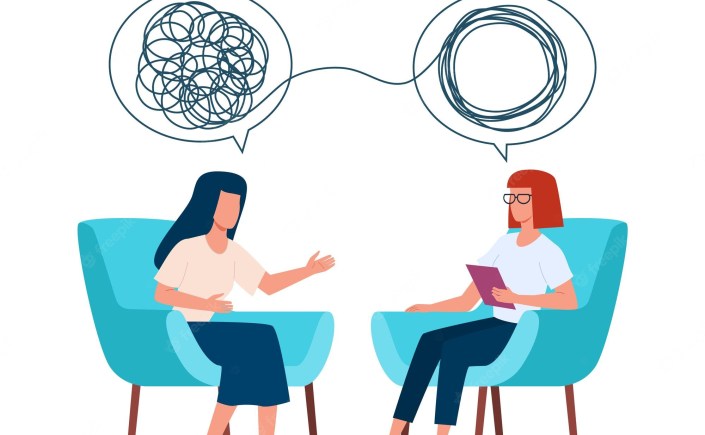
            Although mental health professionals are trained to treat a variety of disorders and psychological distress, we cannot discount their own psychological reactions. Therapists are human too, and they experience similar ups and downs to the people seeking their help. Additionally, many therapists feel a secondary wave of emotions when they can strongly identify with a client’s obstacles. For many people, it is difficult to react to others without involving personal emotions—it is no different for psychologists. In the world of mental health, this reaction based on personal mentality is known as countertransference.

            A therapist’s ability to work objectively with a client is dependent on the management of their own countertransference. Although therapists may develop strong emotional opinions about situations in their clients’ lives, it is important to always decide what is in the best interest of the clients.

Some examples of countertransference in practice include:

  • Disclosing too much personal information to a patient
  • Having unclear boundaries in the patient-doctor relationship
  • Being overly supportive or critical of the client
  • Any other actions in which the therapist allows their personal emotions to interfere with providing proper treatment

            Identifying with a patient’s strife is not necessarily a bad thing. It is important for mental health professionals to feel empathy, and to fully understand a client’s situation in order to develop a comforting therapeutic environment. However, this becomes unproductive when this empathy turns into extreme distress in the therapist and/or interferes with providing high quality care.

Luckily, there are two main ways in which mental health professionals regularly work on managing countertransference:

  • Participating in individual or group supervision or consultation with other therapists
  • Seeking therapy of their own which provides an outlet to discuss and handle personal emotional needs without projecting it onto the patient.

The role of the therapist is ultimately to help the patient, not create more stressors in the client’s life. If the therapist or patient feels that this cannot be done successfully, it may become necessary to terminate the relationship and pursue treatment with a new therapist.

If you or someone you know is experiencing countertransference, please contact our psychotherapy offices in New York or New Jersey to talk to one of our licensed professional psychologists, psychiatrists, psychiatric nurse practitioners, or psychotherapists at Arista Counseling & Psychotherapy. Contact our Paramus, NJ or Manhattan, NY offices respectively, at (201) 368-3700 or (212) 722-1920 to set up an appointment. For more information, please visit http://www.counselingpsychotherapynjny.com/

Source:

https://psychcentral.com/health/countertransference#overview

Image source:

https://www.freepik.com/premium-vector/psychotherapy-concept-psychologist-patient-with-tangled-untangled-mind-metaphor-doctor-solving-psychological-problems-couch-consultation-mental-health-treatment-flat-vector-illustration_19960102.htm

Body Dysmorphic Disorder-Beautiful In Your Own Skin Month

Body Dysmorphic Disorder-Beautiful In Your Own Skin Month

By Fiona McDermut

            In light of the start of “beautiful in your own skin” month, it is important to recognize that many struggle with body image satisfaction. Not all people look in the mirror and feel content with what they see. Even if those around you do not understand your body-related concerns, your feelings are totally valid and can be helped with treatment.

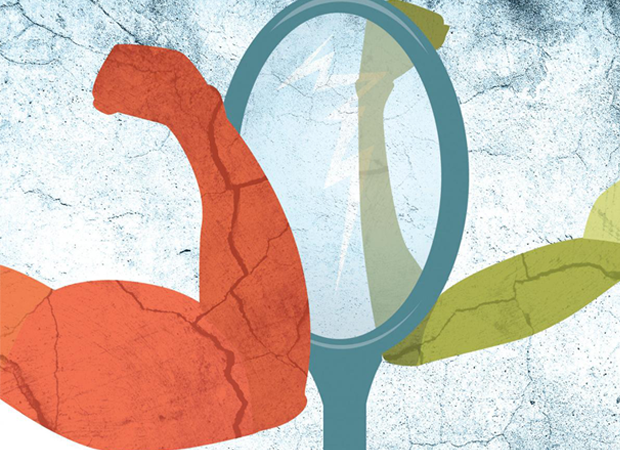
            Body dysmorphic disorder (body dysmorphia) is a mental illness characterized by a hyper fixation on perceived defects in one’s appearance. This interferes with day-to-day life because one may spend a large amount of time worrying or attempting to adjust the perceived flaw. These behaviors usually result in obsessive body comparison to others, avoidance of social interaction, and frequent negative body-checking (looking in the mirror repeatedly at disliked body parts). Unfortunately, many have associated their own happiness with how closely their bodies align with current beauty standards portrayed in the media. As one lets these thoughts progress, they can worsen, and possibly be a precursor to an eating disorder or other disorders associated with body dissatisfaction such as depression and obsessive compulsive disorder.

            While many believe that cosmetic surgery will fix their perceived flaws, research has shown that such surgeries do not improve psychological symptoms of body dysmorphic disorder. The first step to resolving the issue is recognizing that you have a warped view of what you look like. If you or someone you know experiences this, it can be very beneficial to seek psychological/psychiatric assistance. Professionals in the field will be able to decide the best way to treat these disordered thoughts. The most common treatment for body dysmorphia is cognitive behavioral therapy (CBT). Other possible treatments include hypnotherapy, exposure therapy, acceptance and commitment therapy (ACT), and the prescription of antidepressant medication in order to decrease the feelings of dissatisfaction.

            Working with a professional is important in situations like these, but it is still important to remind yourself that your perceived flaws are only noticed by you, and likely not those around you. Nobody is perfect, but with the constant pressure of modern media to be thin, our flaws often appear to be more apparent to ourselves than they are to others. The practice of mindfulness exercises may also help to focus your mind on what you have learned to love about yourself, and of course, do not be afraid to seek help when necessary.

If you or someone you know is struggling with body dysmorphic disorder, please contact our psychotherapy offices in New York or New Jersey to talk to one of our licensed professional psychologists, psychiatrists, psychiatric nurse practitioners, or psychotherapists at Arista Counseling & Psychotherapy. Contact our Paramus, NJ or Manhattan, NY offices respectively, at (201) 368-3700 or (212) 722-1920 to set up an appointment. For more information, please visit http://www.counselingpsychotherapynjny.com/

Sources:

https://www.psychologytoday.com/us/blog/the-couch/201507/whats-the-best-way-deal-negative-body-image

https://www.psychologytoday.com/us/blog/shrink/201409/how-stop-hating-your-body

https://www.sciencedirect.com/science/article/abs/pii/S1740144507000988

Image source: https://www.additudemag.com/adhd-related-body-dysmorphic-disorder/

Why Men are less likely to Seek Mental Health Services

By Jenna Chiavelli

Why Men are less likely to Seek Mental Health Services

Recent research studies have found that men are less likely to seek mental health assistance compared to their female counterparts. Men are also less likely to disclose a mental health problem to friends and family. This isn’t because men are immune to mental illnesses but rather something larger is deterring men from reaching out for help. So what can psychologists attribute this to? The answer is toxic masculinity.

Toxic masculinity refers to harmful social norms about how men should behave that lead to misogyny, homophobia, violence, and mental health issues. In our society, we typically categorize women as the emotional figures and men as the strong and brave figures. Due to these social norms, people assume that men do not need mental health services as it is perceived as unnatural for men to discuss their emotions and feelings. Men themselves see seeking help as a sign of weakness, tarnishing their masculinity.

The media contributes to this societal problem as well, as a majority of mental health advertisements are targeted towards women and feature women. This further perpetuates the idea that mental health is a women’s issue, rather than a human issue. It is time we stop gendering mental health and remove the stigma surrounding men’s mental health.

Why it Matters

In 2020, men died by suicide 3.88x more than women. White males accounted for 69.68% of suicide deaths in 2020. It is abundantly clear that there are men struggling with mental health conditions, so much so, that they believe suicide is the only answer. If we continue to feed into toxic masculinity, men will continue to avoid help when they need it most. So what can we do about it?

Ways to Help

  1. Educate yourself and others – mental health problems are medical problems that can impact anybody regardless of gender.
  2. Talk openly about mental health – sharing personal experiences with mental health problems can make others more comfortable talking about their own experiences.
  3. Show compassion for those with mental health problems – showing compassion for those suffering can help reduce feelings of shame.  
  4. Check on the men in your life – Men are less likely to share their feelings compared to women, so work on having honest conversations with the men in your life. Let them know that you are there for them and stay alert of any concerning changes in behavior.

If you or someone you know is seeking therapy, please contact our psychotherapy offices in New York or New Jersey to talk to one of our licensed professional psychologists, psychiatrists, psychiatric nurse practitioners, or psychotherapists at Arista Counseling & Psychotherapy. Contact our Paramus, NJ or Manhattan, NY offices respectively, at (201) 368-3700 or (212) 722-1920 to set up an appointment. For more information, please visit http://www.counselingpsychotherapynjny.com/

Sources

https://afsp.org/suicide-statistics/

https://www.psychologytoday.com/us/blog/the-race-good-health/201902/mental-health-among-boys-and-men-when-is-masculinity-toxic

Image

Dialectical Behavior Therapy (DBT): a Cognitive Behavioral Approach

Dialectical Behavior Therapy (DBT): a Cognitive Behavioral Approach

By: Jasmyn Cuate

Dialectical behavior therapy (DBT) is a combination of cognitive and behavior therapy, supported by empirical-based evidence that teaches patients skills to cope with and change unhealthy behaviors. The main goals of DBT are to teach people how to live in the moment, develop healthy ways to cope with stress, regulate their emotions, and improve their relationships with others.

DBT focuses on four key areas in therapeutic skills:

  • Mindfulness: focuses on improving your ability to accept and be present in the current moment, helping you use healthy coping skills instead of using negative impulsive behaviors
  • Distress tolerance: teaches you how to feel intense emotions without reacting impulsively or using self-injury or substance abuse to escape from it. Helping you prepare for intense emotions and cope with a more positive long-term outlook
  • Emotion regulation: teaches you how to identify, label, and change your emotions without judging them– learning how your emotions shape your behavior and what obstacles prevent you from managing your emotions, reducing your emotional vulnerability and helps you have more positive emotional experiences
  • Interpersonal effectiveness: allows you to communicate more effectively with others, become more assertive, maintain self-respect and respect for others, while keeping a relationship positive and healthy

DBT goes through a multistage approach where the therapist first treats the patient’s most self-destructive behavior followed by the therapist addressing quality-of-life skills, then focus on improving the patient’s relationships and self-esteem, with the last stage focusing on promoting more joy and relationship connections. Standard comprehensive DBT is often used in the following settings:

  • Individual therapy: with a trained professional, you learn how to apply DBT skills to specific challenges and situations in your life­– patients agree to do homework to practice new skills and fill out diary cards which are completed daily to keep track of their emotions, urges, behaviors, and skills used throughout the week and brought to weekly sessions for the therapist and client to discuss and see if there’s progress being made. Diary cards are designed to record instances of target behaviors, thoughts and urges, and the use of behavioral skills client’s applied to cope with the problem
  • Group skills training: patients have the opportunity to role-play new behavioral skills and interact with others
  • Phone coaching: with DBT, your therapist is available by the phone for in-the-moment support between sessions if you’re in a difficult situation and need guidance

While your therapist works with you through the DBT approach, it can be challenging to stay motivated. Therefore, therapists have consultation groups,which are a group of professionals who met regularly helping one another to navigate potential stressors, monitor their devotion to treatment, develop and increase their skills, and sustain their motivation to work with high-risk, difficult-to-treat clients.

DBT was developed by Marsha Linehan, originally intended to treat borderline personality disorder (BPD) and suicidal behaviors but has been modified to treat other mental health conditions and have been effective in treating:

  • Borderline personality disorder (BPD)
  • Bipolar disorder
  • Substance use or impulsive behaviors
  • Eating disorders
  • Depression
  • Post-traumatic stress disorder (PTSD)
  • Non-suicidal self-injury (NSSI) or suicidal behavior
  • Generalized anxiety disorder (GAD)
  • Attention-deficit/hyperactivity disorder (ADHD)

Overall, DBT offers validation for patients, helping them understand their actions within the context of their personal experiences without necessarily agreeing that their actions are the best approach to solving a problem. This helps patients become more likely to cooperate and work towards self-acceptance and change. The best way to find out if DBT is right for you is to talk with a professional. They will evaluate your symptoms, treatment history, and therapy goals to see if DBT is the best treatment option for you.

If you or someone you know is seeking for dialectical behavior therapy, please contact our psychotherapy offices in New York or New Jersey to talk to one of our licensed professional psychologists, psychiatrists, psychiatric nurse practitioners, or psychotherapists at Arista Counseling & Psychotherapy. Contact our Paramus, NJ or Manhattan, NY offices respectively, at (201) 368-3700 or (212) 722-1920 to set up an appointment. For more information, please visit http://www.counselingpsychotherapynjny.com/

Sources: https://www.webmd.com/mental-health/dialectical-behavioral-therapy https://www.psychologytoday.com/us/therapy-types/dialectical-behavior-therapy

https://www.verywellmind.com/dialectical-behavior-therapy-1067402

https://psychcentral.com/lib/an-overview-of-dialectical-behavior-therapy

Depression and Anxiety Post Retirement

By: Ashley Marron

While many people look forward to retirement and its freedom, it can also trigger anxiety, stress, and depression. In fact, the chance of a person facing clinical depression increases by 40% after retirement. People tend to give lots of thought when planning their retirement; whether it’s traveling the world, pursuing new hobbies, or spending more time with family and friends. However, they often overlook the psychological impact of retiring from work. While many new retirees find retiring to be a great relief from escaping the daily grind, they also find that after several months they may miss the sense of identity, meaning, and purpose that came with their job. They lose the structure that their job gave their days, as well as the social-aspect of having co-workers. Retirees may now feel bored and isolated, rather than free, relaxed and fulfilled. They may even grieve the loss of their old life, and feel stressed or worried about how they will now spend the future.

Retiring is a major life change, and it can seriously take a toll on one’s mental health. Seeking help from a professional can help provide coping mechanisms with these challenges of retirement. Therapy can also help in the treatment of depression and anxiety. There are certainly healthy ways to adjust to this new chapter in your life, and it should be an exciting time, not a negative experience. Therapy can help to ensure that your retirement is both rewarding and happy.

If you or someone you know is seeking therapy for depression or anxiety, please contact our psychotherapy offices in New York or New Jersey to talk to one of our licensed professional psychologists, psychiatrists, psychiatric nurse practitioners, or psychotherapists at Arista Counseling & Psychotherapy. Contact our Paramus, NJ or Manhattan, NY offices respectively, at (201) 368-3700 or (212) 722-1920 to set up an appointment. For more information, please visit http://www.counselingpsychotherapynjny.com/          

Sources

https://www.msn.com/en-us/health/wellness/post-retirement-depression-recognizing-the-signs/ss-BB1fWAss

Image Source

https://www.msn.com/en-us/health/wellness/post-retirement-depression-recognizing-the-signs/ss-BB1fWAss

The Rise of Eating Disorders in Men

The Rise of Eating Disorders in Men

By: Michaela Reynolds

Eating disorders are commonly known to only occur in women and are associated with the desire of wanting to be thin; however, eating disorders still occur in men and look vastly different from the presentation in women. Men are not looking to be thinner, but instead are trying to get muscular and bulk up. Therefore, weight-loss behaviors usually do not apply to them. Masculine body ideals are influencing men to diet and exercise in distinctly different ways than are present in women.

Researchers proposed that the most common eating disorders in men are muscularity or muscle dysmorphia, also known as reverse anorexia. The core symptom of muscle dysmorphia is the fear of not being muscular enough. Behaviors associated with this fear include compulsive exercising, disordered eating that include protein supplements and restrictive eating, and the use of enhancing drugs and steroids. Seeking treatment can be difficult but if left untreated, the eating disorder can cause emotional damage that can lead to serious physical consequences. Due to the emotional, mental, and physical damages of body dysmorphia and reverse anorexia, interventions are crucial so they can lead to a normal life. Intervention allows a male to properly heal from their eating disorder. Also, it is important to note that there is a low awareness of eating disorders in men. Public awareness needs to come in focus as eating disorders cause many dangers.

If you or someone you know appears to be suffering from an eating disorder, please contact our psychotherapy offices in New York or New Jersey to talk to one of our licensed professional psychologists, psychiatrists, psychiatric nurse practitioners, or psychotherapists at Arista Counseling & Psychotherapy. Contact our Paramus, NJ or Manhattan, NY offices respectively, at (201)368-3700 or (212)722-1920 to set up an appointment. For more information, please visit http://www.counselingpsychotherapynjny.com/.

Sources:

https://www.healthline.com/health/eating-disorders/eating-disorders-in-men#What-do-eating-disorders-in-men-look-like?

https://www.verywellmind.com/male-eating-disorders-4140606

https://renewedsupport.org/nedawareness-week-reverse-anorexia/Rise of Eating Disorder in Men

Image:

Men & Eating Disorders: The Quiet Struggle

By: Valeria Dubon

When discussing eating disorders, many people associate it towards women and their own personal struggles with the disorder. Although women often do carry the burden of trying to look a certain way and appeal to a certain body type, many people do not realize how those same standards negatively affect men and in what ways. Some of the reasons as to why eating disorders in men are not as studied and understood compared to women are simply due to factors such as:

  • The stigma associated with males seeking help 
  • Eating disorders in men having different symptoms compared to women
  • Strong association with eating disorders and women in the media

Previous statistics indicate that men make up about ten percent of eating disorders. However, one thing to acknowledge is that many men refuse to come forward with their disorder. This in turn validates the argument that the real number of men who suffer from eating disorders is much higher.

There are several key differences when it comes to men and women suffering from this disorder. For example, males with eating disorders are at a much older age on average compared to females; they also tend to have greater risk of psychiatric problems such as anxiety/depression and engage in more suicidal behaviors. One of the most common forms of eating disorders in men is called muscle dysmorphia, which is essentially a type of body dysmorphia; its core symptom is a fear of not being muscular enough. Other symptoms associated with it may include compulsive exercise and use of supplements. 

When it comes to treatment, the biggest hurdle for men is simply getting rid of the stigma that eating disorders carry. Treatments such as cognitive behavioral therapy and family based therapy are shown to be effective, both of these are also effective when dealing with women who have eating disorders.

If you or someone you know is seeking therapy for eating disorders, please contact our psychotherapy offices in New York or New Jersey to talk to one of our licensed professional psychologists, psychiatrists, psychiatric nurse practitioners, or psychotherapists at Arista Counseling & Psychotherapy. Contact our Paramus, NJ or Manhattan, NY offices respectively, at (201) 368-3700 or (212) 722-1920 to set up an appointment. For more information, please visit http://www.counselingpsychotherapynjny.com/

Sources :

https://www.verywellmind.com/male-eating-disorders-4140606 

Trauma Related Dissociation

Trauma Related Dissociation

By: Julia Rzadkowska

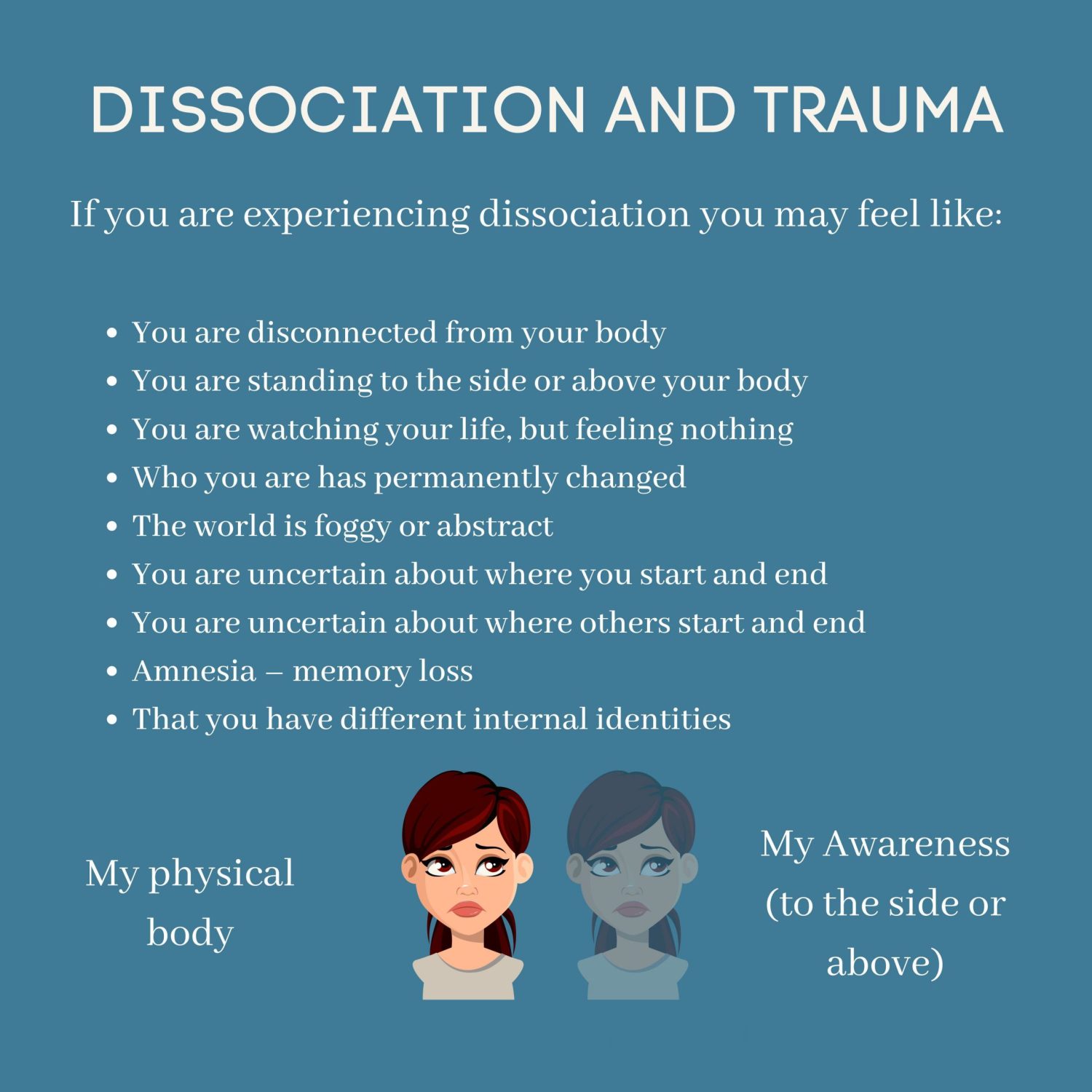
Dissociation is when you completely disconnect from reality or even your identity. When people dissociate they detach from their thoughts, feelings, memories, behaviors, and physical sensations. Dissociation is a way some people’s bodies respond to a perceived threat or traumatic event such as abuse, or prolonged exposure to a traumatic situation or emotion. Dissociation can be looked at as a mental escape, when physical escape is not possible in a certain situation. Dissociation can affect memory, the sense of one’s identity, the way the world is perceived, along with the connection to the physical body.

At the time of trauma or overwhelming distress dissociation may be helpful. However, dissociation does not always have to occur in the presence of traumatic events. Following trauma, a trigger my cause the person to dissociate. These triggers may be completely nonthreatening to others, however, for some specific reason they cause this person negative emotions and overwhelming feelings, causing dissociation as a defense mechanism.  The body may dissociate often in times when it is not helpful, which can negatively impact someone’s life. This can cause people to have difficulty learning in school, remembering events in their life, or feeling connected in their personal relationships.

This type of problematic dissociative experience can become very confusing and hard to understand for the person. If you believe dissociation is having a negative impact on your life it is important to find someone you are comfortable talking to.

If you or someone you know is seeking therapy for Trauma Related Dissociation, please contact our psychotherapy offices in New York or New Jersey to talk to one of our licensed professional psychologists, psychiatrists, psychiatric nurse practitioners, or psychotherapists at Arista Counseling & Psychotherapy. Contact our Paramus, NJ or Manhattan, NY offices respectively, at (201) 368-3700 or (212) 722-1920 to set up an appointment. For more information, please visit http://www.counselingpsychotherapynjny.com/  

Sources:

https://www.orygen.org.au/Training/Resources/Trauma/Fact-sheets/Dissociation-trauma/Orygen_Dissociation_and_trauma_in_young_people_fac?ext=.

https://www.isst-d.org/public-resources-home/fact-sheet-iii-trauma-related-dissociation-an-introduction/

Body Dysmorphia: Symptoms and Treatment

Body dysmorphic disorder is a mental health disorder where one intensely focuses on appearance and body image, and cannot stop thinking about perceived defects and flaws. These flaws are minor and cannot be seen by others. The individual may feel so ashamed, anxious, and embarrassed that social interactions are avoided. These symptoms can cause extreme distress, be extremely time consuming, be disruptive, and cause serious problems in one’s work, school, and social life. Some may experience suicidal thoughts or behaviors. Both men and women can struggle with body dysmorphic disorder.

Symptoms of body dysmorphia can include:

  • A strong belief that you have a defect in your appearance that causes you to feel deformed and ugly
  • Engagement of behaviors that are difficult to resist or control such as frequently checking the mirror, skin picking, and grooming
  • Seeking cosmetic procedures but gaining little satisfaction
  • Constantly comparing your appearance to others
  • Often seeking reassurance from others about your appearance

Body dysmorphic disorder affects both males and females and typically starts in the early teenage years.

Risk factors include:

  • Societal pressure and expectations of beauty
  • Negative life experiences such as abuse
  • Having another mental health disorder

Shame and embarrassment are often associated with body dysmorphia and that may keep one from seeking treatment. Body dysmorphic disorder can last for years or be lifelong. If left untreated, it can get worse over time, so it is important that the disorder is identified and treated.

If you or someone you know is struggling with body dysmorphic disorder, please contact our psychotherapy/psychiatry offices in New York or New Jersey to talk to one of our licensed professional psychologists, psychiatrists, psychiatric nurse practitioners, or psychotherapists at Arista Counseling & Psychotherapy. Contact our Paramus, NJ or Manhattan, NY offices respectively, at (201) 368-3700 or (212) 722-1920 to set up an appointment. For more information, please visit http://www.counselingpsychotherapynjny.com/.

Sources

https://www.mayoclinic.org/diseases-conditions/body-dysmorphic-disorder/symptoms-causes/syc-20353938

https://www.healthshots.com/mind/mental-health/everything-you-need-to-know-about-body-dysmorphic-disorder/

Image Source

https://www.healthshots.com/mind/mental-health/everything-you-need-to-know-about-body-dysmorphic-disorder/

Fear of Abandonment in Relationships

Fear of Abandonment in Relationships

By: Julia Rzadkowska

Do you ever sit and fear that those who you love will suddenly leave you? That your friends, family, or partner, will turn on you and suddenly reject you, pushing you out of their lives? You may be happy in the relationship, having the best time of your life, and then, all of a sudden, you are overcome with anxiety that you will be left alone, leaving you insecure. This is known as the fear of abandonment. It often stems from childhood loss. This can be the death of a parent, divorce, a traumatic event, or not receiving enough physical or emotional care as a child. Such events can lead to a fear of abandonment later in life. However, relationships in adulthood can also bring this fear into future relationships.

Slight fear of abandonment can be normal, however, when it becomes very severe and frequent it can tremendously impact someone’s life negatively. As people do not know how to cope with this fear, it can lead to the fear becoming a reality. Fear of abandonment can cause people to attach too quickly, even to unavailable partners, or fail to commit fully, pushing them to move on quickly in order to not get too attached. Additional qualities of someone who has this fear include the tendency to overthink and work to find hidden meanings in the words or actions of their partner. Jealousy is also a strong feeling and the feeling of insecurity and unworthiness to be loved. The person also frequently self-blames and has feelings of anxiety or depression.

If the partner realizes this fear, just words of reassurance are not usually enough to combat the fear. Some coping strategies include getting educated on the topic in order to gain knowledge about your tendencies and learn new behavioral strategies. Therapy is a good option for those who are struggling with a fear of abandonment.

If you or someone you know is struggling with a fear of abandonment, please contact our psychotherapy offices in New York or New Jersey to talk to one of our licensed professional psychologists, psychiatrists, psychiatric nurse practitioners, or psychotherapists at Arista Counseling & Psychotherapy. Contact our Paramus, NJ or Manhattan, NY offices respectively, at (201) 368-3700 or (212) 722-1920 to set up an appointment. For more information, please visit http://www.counselingpsychotherapynjny.com

Sources:

https://www.verywellmind.com/fear-of-abandonment-2671741

https://www.psychalive.org/fear-of-abandonment/