Hypnosis: What can you do to help with your anxiety?
By, Maro Mikhaeil
Anxiety has occurred amongst millions of individuals from all over the world. In fact, Anxiety is the most common mental illness for its effect on a wide range of individuals.
There are many treatments for individuals experiencing symptoms of anxiety. One of the most successful treatments is hypnosis, which entails hypnotic inductions. Hypnosis essentially teaches you how to be in a state of trance and deep relaxation. Hypnosis helps to decrease feelings of anxiety by keeping your emotions in check and actually helps you anchor these calm feelings. Anchoring is a technique being used here that teaches an individual undergoing hypnosis to associate to more positive triggers instead of negative ones (Leming, 2023).
Hypnosis may even allow individuals to recall memories and revisit them, in a way that decreases one’s anxiety. In other words, it may take you into a dream-like state where you will go back to the time that caused your anxiety and help you conquer it.
If you or someone you know is struggling with their mental health, severe anxiety please contact our psychotherapy offices in New York or New Jersey to talk to one of our licensed professional psychologists, psychiatrists, psychiatric nurse practitioners, or psychotherapists at Arista Counseling & Psychotherapy. Contact our Paramus, NJ or Manhattan, NY offices respectively, at (201) 368-3700 or (212) 722-1920 to set up an appointment. For more information, please visithttp://www.counselingpsychotherapynjny.com/
Stress: How your financial situation could be affecting your life
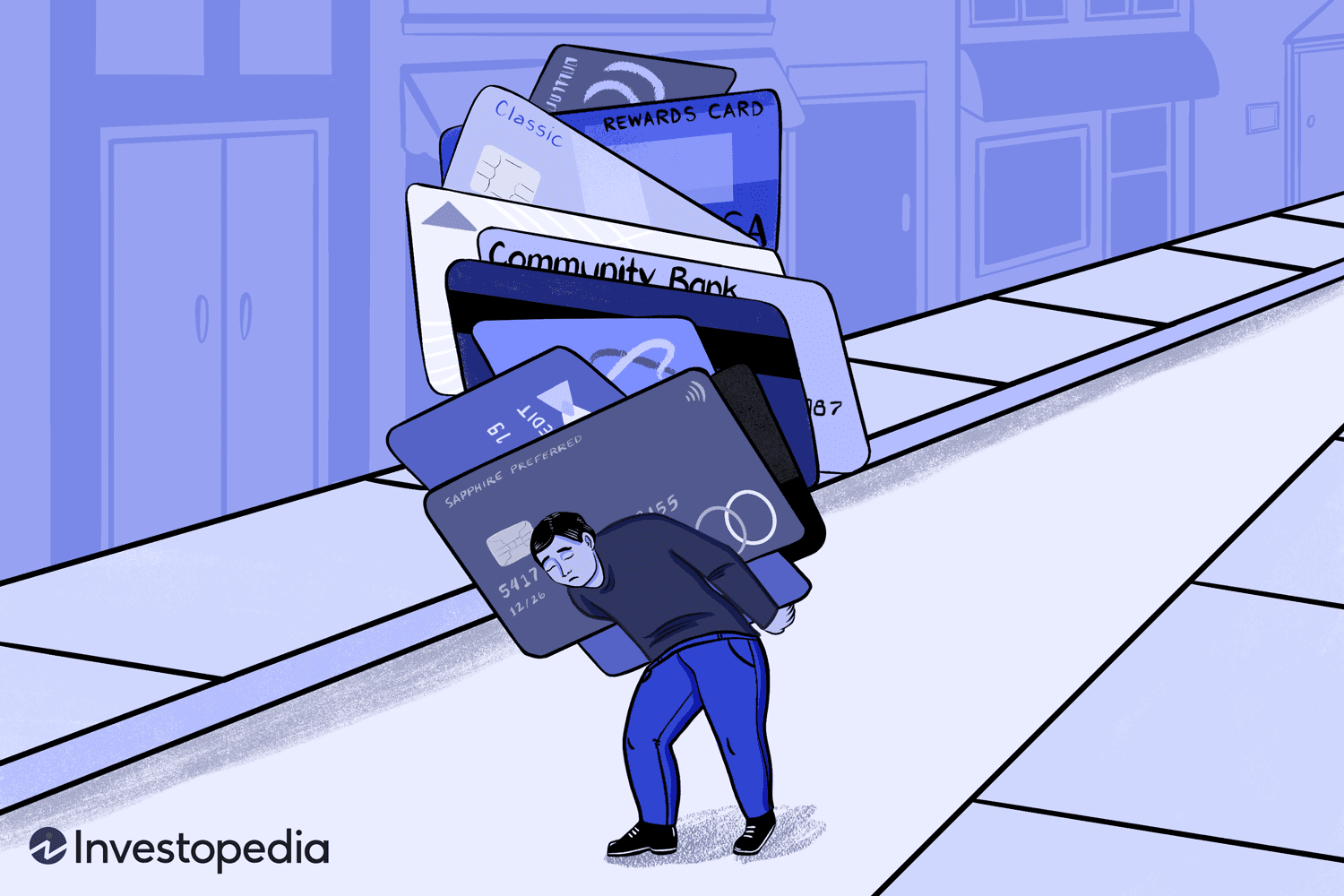
By: Diane Ulloa In the past two decades alone, student debt and loans have reached approximately $1.6 trillion which slightly surpassed credit card debt in America which stands at $1.03 trillion in the second quarter of 2023 according to the Federal Reserve Bank of New York. “In addition to poverty, financial debt and loans are significantly associated with increased psychological distress and poor mental health status.” (From: Ryu S, fan L. The Relationship Between Financial Worries and Psychological Distress Among U.S. Adults) As financial debt accumulates, a person may find themselves withdrawing from hanging out with friends or family and becoming avoidant of places, people, and even their financial struggles. If someone continuously avoids their bills they continue to accumulate and seeing the amount of the accumulated bills can take a serious toll on a person’s mental health.
Other problems may also emerge when someone is experiencing anxiety due to financial stress, these could include poor sleeping habits, overspending, avoidance, and poor eating habits. Someone that has a spending problem or someone who is in financial worry would benefit from speaking to a therapist who would help them cope with their unhealthy habits in better ways. A therapist can help in creating a patient budget and manage their money in better ways including a personalized budgeting plan or setting up financial goals. A therapist can also help individuals identify the underlying causes of their financial stress and develop strategies for managing it. Along with anxiety and stress, financial worry can cause feelings of shame and guilt and a therapist is able to provide a safe, non-judgmental space to explore these feelings and how to develop strategies to overcome them. A person may also experience difficulty in communicating their financial struggles and/or negative beliefs and behaviors related to money with their loved ones. A therapist can aid in more effective communication with loved ones about financial struggles and challenge negative beliefs related to money by developing more positive patterns of thought and behavior related to finances. Additionally, an individual who suffered financial trauma such as bankruptcy, foreclosure, or identity theft may benefit from therapy in order to address the emotional and psychological impact of these experiences.
If you or someone you know is struggling with their mental health, or has anxiety/stress please contact our psychotherapy offices in New York or New Jersey to talk to one of our licensed professional psychologists, psychiatrists, psychiatric nurse practitioners, or psychotherapists at Arista Counseling & Psychotherapy. Contact our Paramus, NJ or Manhattan, NY offices respectively, at (201) 368-3700 or (212) 722-1920 to set up an appointment. For more information, please visit http://www.counselingpsychotherapynjny.com/
Ryu S, Fan L. The Relationship Between Financial Worries and Psychological Distress Among U.S. Adults. J Fam Econ Issues. 2023;44(1):16-33. doi: 10.1007/s10834-022-09820-9. Epub 2022 Feb 1. PMID: 35125855; PMCID: PMC8806009.
PTSD causes feelings of intense, disturbing thoughts and feelings related to their experience that last long after the traumatic event has ended. People with PTSD may relive their traumatic event(s) through flashbacks or nightmares and they may feel sadness, fear, or anger. They may also feel detached or estranged from other people (American Psychiatric Association). PTSD also has the ability to cause memory loss whether it be short-term or long-term, both can be affected. Four steps to fix PTSD related memory loss would be:
Get treatment, therapy and medication are two of the most common treatment options for PTSD. Medication and therapy such as Cognitive Behavioral Therapy [CBT] or prolonged exposure therapy have been shown to be effective in managing PTSD.
Stay Active. By staying physically active and mentally active through brain games or learning new skills, one can help keep their brain sharp and active.
Prioritize Sleep, good sleep appears to be essential for memory consolidation and processing.
Use Memory Aids, which are tools that are designed to help accommodate people who experience memory difficulties which could include calendars, notepads, and alarm clocks. (healthline.com)
The types of behavioral therapy that can aid in this memory loss and other symptoms caused by PTSD are:
Cognitive Therapy: A type of talk therapy that helps people with PTSD recognize the cognitive patterns that are keeping them stuck, this is often paired with exposure therapy.
Exposure Therapy: Helps people with PTSD safely face both situations and memories that they find frightening so they can learn to cope with them effectively. This kind of therapy can be particularly helpful for flashbacks and nightmares.
Eye Movement Desensitization and Reprocessing (EMDR): Combines exposure therapy with a series of guided eye movements that help you process traumatic memories and change how people with PTSD react to them. (Mayoclinic.org)
Primary treatment is psychotherapy, but medication could also be prescribed as needed. Medication may include antidepressants, anti-anxiety medications, and prazosin which has the ability to reduce or suppress nightmares in some people with PTSD.
If you or someone you know is struggling with their mental health and/or PTSD (memory loss) please contact our psychotherapy offices in New York or New Jersey to talk to one of our licensed professional psychologists, psychiatrists, psychiatric nurse practitioners, or psychotherapists at Arista Counseling & Psychotherapy. Contact our Paramus, NJ or Manhattan, NY offices respectively, at (201) 368-3700 or (212) 722-1920 to set up an appointment. For more information, please visit http://www.counselingpsychotherapynjny.com/
Everyone knows and acknowledges that depression during college occurs. Statistics show that twenty-seven percent of college students had been diagnosed with depression and twenty-three percent said that depression impacted their academic performance negatively. When it comes to post-grad students research shows that around twenty percent of student graduating experience depression. Post-grad depression is seen as situational depression. Situational depression is depression caused by a stressful or traumatic event. Post-Grad depression is caused by; pressure of finding a job, moving back in with parents, feeling a failure to launch, changes in friendships (friends scattering, not seeing them), student debt, comparison with friends and being overwhelmed by next steps and changes. Signs of post-grad depression are; lack of motivation, feeling worthless or guilty, loneliness, overwhelm (especially related to the next steps), feeling sad or down, isolation or wanting to isolate oneself, not enjoying activities that were previously enjoyed, poor sleep, appetite change, lower than usual frustration tolerance, feeling sluggish or super jittery and intense fear or expectation things will not go well in the future. Post-grad depression like any depression can really hinder your life so seeking help is suggested in order to properly cope with it. It is also suggested; avoiding comparing yourself with others, practice self-kindness and self-love, reach out to friends, get some exercise/movement, don’t be too hard on yourself, recognize that transitions are difficult, find a support group/networking group, take care of yourself and confide in trusted family and friends. Depression is common when life is stressful and one feels pressure therefore, it is okay because always remember you are not alone.
If you or someone you know is struggling with their mental health, please contact our psychotherapy offices in New York or New Jersey to talk to one of our licensed professional psychologists, psychiatrists, psychiatric nurse practitioners, or psychotherapists at Arista Counseling & Psychotherapy. Contact our Paramus, NJ or Manhattan, NY offices respectively, at (201) 368-3700 or (212) 722-1920 to set up an appointment. For more information, please visit http://www.counselingpsychotherapynjny.com/
What does PTSD stand for? Post-traumatic stress disorder is a mental health disorder which often develops after someone goes through or sees a life-threatening event. The symptoms of PTSD tend to start soon after the traumatic event but may not appear until months or years later. There are four common symptoms of PTSD. The first symptom is reliving the event which can feel very scary and real. Nightmares can occur as well as flashbacks and you may see, hear, or smell something that can remind you of the event. The second symptom is avoiding things that remind you of the event. For example, for veterans they may avoid gun ranges when they are not deployed because it can trigger past emotions. The third symptom is having negative thoughts and feelings which did not occur before the traumatic event. An individual suffering from PTSD can feel numb or may think the world is full of danger and have a hard time with trusting anyone. The fourth symptom is feeling on edge which can lead to having a hard time falling asleep, find it hard to concentrate, or even become startled by a loud noise or surprise.
There are lifestyles changes that can help a veteran cope with post-traumatic stress disorder. Interacting with trauma survivors and other veterans who have experienced PTSD can be beneficial. Additionally, exercising can be helpful by providing a steady schedule into your everyday life. Eating healthy and spending more time with loved ones are also healthy habits that can help cope with post-traumatic stress disorder. These are all helpful changes for an individual suffering from PTSD because it allows a positive change in their daily life.
If you or someone you know is struggling with Post-traumatic stress disorder please contact our psychotherapy offices in New York or New Jersey to talk to one of our licensed professional psychologists, psychiatrics, psychiatric nurse practitioners, or psychotherapists at Arista Counseling and Psychotherapy. Contact our Paramus, NJ or Manhattan, NY offices respectively at (201)-368-3700 or (212)-722-1920 to set up an appointment. For more information, please visit https://www.counselingpsychotherapynjny/com
Raising children on your own can result in an overwhelming amount of stress and pressure into parenting. Aside from the financial obligations of raising a family and maintaining a roof over your head with food on the table, single parenting comes with more obstacles than one may think. Emotionally, a single parent must take on the role of both parents at once which leaves them to be both “bad” and “good” cop all at once. This can allow one to feel lonely and isolated when it comes to decision making because they often feel lost without another opinion. Guilt will arise from these situations but your own well-being it is better to focus on any accomplishments.
There are many ways to reduce the stress and attempt to live in a calmer environment. One thing that can be done is to set up a support system. All parents need a little help here and there so do not feel ashamed to ask for it. Maintaining a daily routine can allow you to find yourself with more time to relax. For example, set up a schedule for meals, chores, bedtimes and anything else that is included in your day to day routine. Treat your children like children; although the other parent is absent you should not rely too heavily on the child. A way to notice if you are relying on them too much is if your frustration is being shown more on them than in any other aspect of your life. Lastly, stay positive and take time for yourself.
If you or someone you know is struggling with single parenting stress contact our psychotherapy offices in New York or New Jersey to talk to one of our licensed professional psychologists, psychiatric, psychiatric nurse practitioners, or psychotherapists at Arista Psychotherapy & Psychiatric Services. Contact our Manhattan, NY, or Paramus,NJ offices respectively at (201) 368-3700 or (212) 722-1920 to set up an appointment. For more information please visit https://counselingpsychotherapynjny.com
Shopping Addiction? Can’t Save Money? That May Be A Real Issue
By Erika Ortiz
Most people like to spend and buy things, but some take that splurging a bit to the max and do it any opportunity possible. Shopping makes some feel good, however; some get this “high” feeling since the brain releases endorphins and dopamine as they shop. It’s one thing to shop while on a budget, while it’s another to shop with no budget in mind. All of the spending, unnecessary buying, and accumulation of debt is an actual issue called shopping addiction. It is imperative to break down shopping addiction and the different types. First, there is impulse buying which is buying something you did not plan on purchasing in the first place. It can range from buying a chocolate bar from the grocery store while waiting in line or buying your 50th pair of shoes. Compulsive buying is when you plan your shopping, but to an extreme and on unnecessary items. Compulsive buying is usually where the shopping addiction behavior occurs most. For example, say you did not do so well on an exam or had a bad day at work, your immediate solution is to go shopping afterward to make yourself feel better. Another type is bargain shoppers who think they are getting a steal price or great deal. They are still spending a lot instead of saving. Finally, there is bulimic shopping or circular shopping. These people buy and return just for fun; even though they are staying within their budget, they are wasting a lot of time and energy.
Shopping addiction can be due to stress, loneliness, sadness, the need to fill a void, lack of control, avoidance of reality, depression, anxiety, etc. Nonetheless, this is a severe problem that needs an urgent solution because shopping addiction can lead to issues in relationships, growing debt, constant overspending, and even lying about spending. One way to help with this issue is to create a budget and try sticking with it. There are many resources online that can be great budgeting tools. It is critical to immediately get help if you have a very severe case of shopping addiction. Seek a mental health professional who can help you get to the root of the issue and understand what you are going through. Remember that there is hope and you can get through this.
If you or someone you know is struggling with a shopping addiction please contact our psychotherapy offices in New York or New Jersey to talk to one of our licensed professional psychologists, psychiatrists, psychiatric nurse practitioners, or psychotherapists at Arista Counseling & Psychotherapy. Contact our Paramus, NJ or Manhattan, NY offices respectively at (201) 368-3700 or (212) 722-1920 to set up an appointment. For more information, please visit https://www.counselingpsychotherapynjny.com
Emotionally Abusive Relationship: How to Spot the Signs
By Erika Ortiz
Abuse of any kind must never be tolerated. Whether it is from your boss, spouse, family member, or friend, it should not be taken lightly and must be acted upon quickly before it can escalate to serious issues. However, some forms of abuse are difficult to distinguish and can be especially hard to come to terms with when the abuser is a significant other such as a spouse or boyfriend/girlfriend. Physical abuse is a well-known form of abuse; however, emotional abuse has a subtle component, making it very tricky to catch. Here are some signs that you are in an emotionally abusive relationship:
Controlling and manipulative- Your partner may make you feel bad for going out or give you a curfew when you’re out with friends.
Gaslighting- Your partner can make you believe points in their arguments or things you have “said” that never happened.
Humiliation and embarrassment- They may insult you, make fun, and make you feel bad about yourself in front of others.
Silent treatment/Stonewalling- After an argument, they may “shut down” to make you feel abandoned and cut communication.
Threats- They may flat-out threaten you in any way, shape, or form possible.
There is quite a lengthy list of signs of emotional abuse. However, it is crucial to be proactive and seek help. These issues can cause or result in depression, anxiety, suicide, and PTSD. It can even lead to physical abuse if it hasn’t already occurred. Please seek professional help immediately if you see any signs of abuse or feel unsafe or unwell.
If you or someone you know is experiencing an emotionally abusive relationship or signs of it, please contact our psychotherapy offices in New York or New Jersey to talk to one of our licensed professional psychologists, psychiatrists, psychiatric nurse practitioners, or psychotherapists at Arista Counseling & Psychotherapy. Contact our Paramus, NJ or Manhattan, NY offices respectively at (201) 368-3700 or (212) 722-1920 to set up an appointment. For more information, please visit https://www.counselingpsychotherapynjny.com
The Health and Safety Executive (HSE) defines work related stress as: “The adverse reaction people have to excessive pressure of work or other types of demands placed on them.” While stress at work is common, you’re not powerless to the effects. Effectively coping with job stress can benefit your professional and personal life.
Psychological symptoms include, but are not limited to: Irritability or outbursts of anger, low productivity accompanied by feelings of low achievement, and low mood.
Physical symptoms include, but are not limited to: Headaches and/or backaches, insomnia or loss of sleep leading to tiredness, consuming too much caffeine or alcohol, and regular or lingering colds.
Managing Work Stress Tips:
Identify stress triggers • For at least a week record the situations, events and people who cause you to have a negative physical, mental or emotional response • For example, you might notice persistent causes of stress such as a long commute or an uncomfortable workspace
Improve time management skills • Create a daily schedule and stick with it • Avoid the urge to multitask
Know when to step back and take a break (don’t overwork yourself) • To avoid the negative effects of chronic stress and burnout, we need time to replenish and return to our pre-stress level of functioning
Set boundaries • Set boundaries between work and your personal life (i.e., not checking email in the evenings or weekends)
If you or someone you know is experiencing Work Related Stress please contact our psychotherapy offices in New York or New Jersey to talk to one of our licensed professional psychologists, psychiatrists, psychiatric nurse practitioners, or psychotherapists at Arista Counseling & Psychotherapy. Contact our Paramus, NJ or Manhattan, NY offices respectively at (201) 368-3700 or (212) 722-1920 to set up an appointment. For more information, please visit https://www.counselingpsychotherapynjny.com
Hypnotherapy helps clients gain control over unfavorable behaviors, cope with anxiety or pain, or alter their ideas about a certain idea or image. Hypnosis involves a trained psychologist and entails placing the patient into a trance-like state that can make you feel extremely calm, focused, and open to suggestions[1]. Over many years, hypnosis has been found to help many people with issues such as pain control, chemotherapy, hot flashes, behavioral changes, anxiety, depression, sleep disturbances, Irritable Bowel Syndrome (IBS), addiction, weight loss, and more[2]! In fact, a study done in 1970 found that hypnotherapy has a 93% success rate in less sessions compared to other forms of therapy[3]. The average amount of hypnotherapy sessions needed to see results can be as little as 4 and as much as 15[4]. This is much less than the average number of sessions needed for other forms of therapy, which are usually around 20 or more until you start to see results[5].
You are probably curious what exactly to expect in a hypnotherapy session and how to prepare. There is no preparation needed on your end before your first hypnotherapy session other than an open mind and a willingness to change your behaviors or ideas. The first session will usually not involve any hypnotism, however, the therapist may use this session as an opportunity to get to know you, the problems you are facing, and what you want to change. The second session is usually when your hypnotherapy begins. Your therapist will always explain the process to you and begin by talking in a soothing and gentle voice. The therapist may also start to describe very vivid images to you to create a sense of relaxation and security. Once you are in a relaxed state, your therapist may begin suggesting ways to work towards your goal that you wanted to work on, such as fear, pain, addiction, anxiety, sleep disturbances, etc. This will help you visualize your path to success and believe in your ability to accomplish your goals[6]. Eventually, your therapist will guide you out of your state of relaxation and the hypnosis session will end. Hypnosis can be extremely helpful to those it does work for but suicide/suicidal thoughts is not guaranteed.
If you or someone you know is interested in trying hypnotherapy, please contact our psychotherapy offices in New York or New Jersey to talk to one of our licensed professional psychologists, psychiatrists, psychiatric nurse practitioners, or psychotherapists certified in hypnotherapy at Arista Counseling & Psychotherapy. Contact our Paramus, NJ or Manhattan, NY offices respectively, at (201) 368-3700 or (212) 722-1920 to set up an appointment. For more information, please visit http://www.counselingpsychotherapynjny.com/ .











 CounselingRx