Neuroplasticity

Neuroplasticity

By: Leah Flanzman

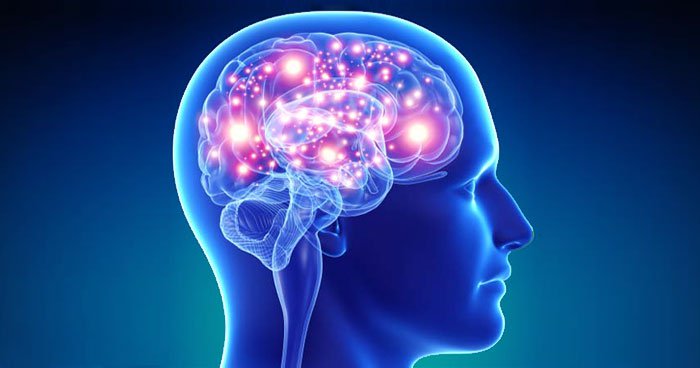
The human brain has the power to grow, mold, and adapt to the course of your life in order to best cater to your overall happiness and well-being. This concept is known as neuroplasticity, and occurs when the brain alters its physical structure and changes its circuits so we can better imagine, remember, feel, experience pain, dream, and learn.  Neuroplasticity is similar to the popular expression “it’s like riding a bike.”  Once you acquire a skill, your neurons kick into gear and remember their specific pathways so that each time this skill is performed, they are pre-programmed on what to do.  These pathways strengthen over time as new synapses form maximizing these skills.

Neuroplasticity can be a valuable tool for rewiring how your mind thinks and reacts to certain situations. It can foster increased happiness by retraining your brain to strengthen pathways that promote happiness as an alternative to worry or stress in light of certain situations.  The activities that you choose to do can alter the structure of your brain.  For example, if you are stuck in a funk, doing something positively stimulating for the brain will train it to associate the negative feelings with happier ones.  Your moldable brain will remember the pathways it took to achieve happiness and the next time you experience sadness, it will automatically kick into positivity gear.   Additionally, you can trick your brain into happiness pathways by imagining yourself in your desired mood.  Your brain lacks the capability to distinguish between imagination and reality so if you visualize a desired image of happiness long enough, your brain will believe it to be true and trigger the emotion.

When your brain fills up with neural connections that are relevant to your life, the ones that are unnecessary will begin to deteriorate. Your clever mind can form creative ways to suppress depressive thoughts and shine light on positive thoughts so your unproductive nature fades into the background.  Options that can help you in your quest to mold your brain towards greater happiness include:

  • Cognitive behavioral therapy
  • Mindfulness based cognitive therapy
  • Visualization
  • Relaxation
  • Hypnosis
  • Nurturance
  • Stimulation

If you or someone you know thinks they could benefit from therapy that aids in restructuring their brain to think positively, please contact our psychotherapy offices in New York or New Jersey to talk to one of our licensed professional psychologists, psychiatrists, psychiatric nurse practitioners, or psychotherapists at Arista Counseling & Psychotherapy. Contact our Paramus, NJ or Manhattan, NY offices respectively, at (201) 368-3700 or (212) 722-1920 to set up an appointment. For more information, please visit http://www.counselingpsychotherapynjny.com/.


Conduct Disorder

Conduct Disorder

By: Leah Flanzman

Conduct disorder is a behavioral disorder seen in children who display behaviors that deviate from societal norms and violate a number of social rules. Conduct disorder will typically present itself before the age of 16, and can have both genetic and environmental influences. According to the Diagnostic and Statistical Manual of Mental Disorders IV (DSM IV-TR), this disorder is being increasingly diagnosed in more and more children throughout the United States. In the past few years, prevalence rates of children exhibiting symptoms of conduct disorder skyrocketed to as high as 10%.

Conduct disorder is typically divided into two types, childhood onset and adolescent onset, which are distinguished from one another by the age at which symptoms begin appearing. Childhood onset conduct disorder is diagnosed before 10 years of age, and adolescent onset is diagnosed if the symptoms arise after 10 years of age. Childhood onset is believed to be the more serious condition between the two and more resistant to treatment

The symptoms of conduct disorder can be broken down into four main categories. A child or adolescent is likely to have conduct disorder if they consistently display aggressive conduct, deceitful behavior, destructive behavior, or a violation of rules. Examples of aggressive conduct can include intimidating or bullying other children, physically harming people or animals with malicious intentions, or using a weapon. Deceitful behavior can be seen through lying, stealing, or breaking and entering.   Individuals will display destructive behaviors by intentionally destroying or vandalizing properties, and individuals will violate rules by skipping school, running away, or prematurely abusing drugs and alcohol.

A distinction lies in how the symptoms of conduct disorder are manifested between the genders, as it is more frequently diagnosed in boys. Boys are more likely to fight, steal, vandalize school property, and break school rules, whereas girls are more likely to lie, run away from home, use drugs, and engage in early sexual activity. Conduct disorder is unique in the fact that it is not always recognized as a mental illness, so treatment is commonly neglected. Early intervention for Conduct Disorder yields the greatest possibility for an improved long-term outcome so if symptoms begin to arise, seeking help immediately can be extremely beneficial.

If you or a person you know is struggling with conduct disorder, it may be beneficial to have them contact a mental health professional and receive therapy for their illnesses. The psychologists, psychiatrists, and therapists at Arista Counseling and Psychiatric Services can help.  Contact the Bergen County, NJ or Manhattan offices at (201) 368-3700 or (212) 722-1920.  Visit http://www.acenterfortherapy.com for more information.

Prescription Drugs and Side Effects

Prescription Drugs and their Side Effects

Emily Ramos

The truth of the matter is that many prescription drugs contain side effects. It is hard to predict whether or not an individual will experience side effects, it depends on how their body reacts to the drug. The good thing is that there are steps an individual can take to reduce the risks. If the side effects persist you can speak with your doctor who can prescribe a lower dosage or a different medication. DO NOT stop taking medication if you experience a side effect, always speak with your doctor. They might have to wean you off of the drug instead of stopping all together. Here’s how you can learn about possible side effects and how to avoid them:

  • Before getting prescribed medicine, ask your doctor about possible side effects that may occur. For example, if nausea is a side effect your doctor may recommend that you eat or drink before taking the medication.
  • Once you start taking medication take note of any symptoms that arise and tell your doctor about them. This will give your doctor a better understanding.
  • Other ways to prevent side effects are to make appropriate lifestyle changes. For example: if a medication causes you to gain weight you will have to pay more attention to your nutrition and incorporate exercise plans.

It may take a few trial and errors before your doctor is able to find a medication that works best for you. That is why it is crucial to be honest with your doctor before and after he or she prescribes medication.

If you or a person you know is struggling with medication, it may be beneficial to contact a mental health professional and receive therapy. The psychologists, psychiatrists, and therapists at Arista Counseling and Psychiatric Services can help. Contact the Bergen County, NJ or Manhattan offices at (201) 368-3700 or (212) 722-1920. Visit http://www.acenterfortherapy.com for more information.


Insomnia

insomnia.jpgInsomnia

Sonya Cheema

A typical adult gets between 7 and 9 hours of sleep a night, but it varies from person to person. Those who struggle to get this amount of sleep may suffer from the sleep disorder, insomnia. Some people may experience acute insomnia, which lasts for a few days or weeks. Others may suffer from chronic insomnia, which can last a month or more. If you suspect you or a loved one has insomnia, look for these symptoms:

  • Difficulty falling asleep at night
  • Waking up during the night
  • Waking up too early
  • Not feeling rested after a night’s sleep
  • Daytime tiredness or sleepiness
  • Irritability, depression, or anxiety
  • Difficulty paying attention, focusing on tasks, or remembering
  • Increased errors or accidents
  • Ongoing worries about sleep

If you or a loved one experience many of these symptoms, it may be wise to seek professional help. If serious enough, insomnia can drastically affect your everyday life. In the meantime, some tips that may help alleviate your insomnia are:

  • Keeping your bed time and wake time consistent day to day
  • Avoid or limit naps
  • Avoid or limit caffeine, alcohol, and nicotine
  • Use your bed only for sleep and sex
  • Create a relaxing night time ritual, such as taking a bath, reading, listening to music, etc.

If you or a person you know is struggling with insomnia, it may be beneficial to contact a mental health professional and receive therapy. The psychologists, psychiatrists, and therapists at Arista Counseling and Psychiatric Services can help. Contact the Bergen County, NJ or Manhattan offices at (201) 368-3700 or (212) 722-1920. Visit http://www.acenterfortherapy.com for more information.


Source used:

https://www.mayoclinic.org/diseases-conditions/insomnia/symptoms-causes/syc-20355167

Negative Stigmas of Mental Illness

Mental Illness and Stigmas

Emily Ramos

When a person is born with a deformity, the source of their disability is obvious. But when someone is mentally ill, there are no obvious physical indicators for their behavior.  A lot of the times people pity those with a clear disadvantage and fear the behavior of those with a mental illness. This can cause someone suffering from a mental health illness to live in fear of embarrassment and humiliation if their condition is found out.

A common misconception people have about those who suffer from mental illness is that they are unpredictable like a ticking time bomb, ready to explode at any second. This portrayal comes from the fact that many who go on shooting sprees happen to also suffer from mental illness. This is a false depiction because not all patients act out in violence; same as how not everyone cries when they are mourning the loss of a loved one.

We have to remember to not stereotype everyone with the same diagnoses as being the same. The 2012 Aurora movie theater shooter, James Holmes, showed signs of depression since middle school and attempted suicide at the age of eleven. What people don’t know is that he also was obsessed with the idea of killing people which led to his violent outburst. Most individuals with depression don’t exhibit the desire to inflict pain on others.

The pressure that a negative stigma creates on an individual in addition to the weight of their illness can be overwhelming and unbearable. The best way to reduce mental health stigmas is to raise awareness and enforce discussions about mental health. Millions of people suffer from mental disorders and just as we treat those who suffer from physical illness with care and emotional support we need to provide care and emotional support to mental health patients.

If you or a person you know is struggling with mental illness, it may be beneficial to contact a mental health professional and receive therapy. The psychologists, psychiatrists, and therapists at Arista Counseling and Psychiatric Services can help. Contact the Bergen County, NJ or Manhattan offices at (201) 368-3700 or (212) 722-1920. Visit http://www.acenterfortherapy.com for more information.

Shopping Addiction (Yes, it’s Real)

shopaholic

Sonya Cheema

We are becoming more materialistic than ever now that we’re able to see the daily activities of rich people on social media every day – Kim Kardashian using a skincare regimen that costs more than your rent, Jeffree Star custom painting his Rolls Royce pink, various Instagram-famous models advertising their “favorite” detox tea, etc. It’s no wonder why we always feel the need to buy whatever’s new and trending. Getting caught up in the trends may be fun, but it could also lead to an overload of items you don’t need, debt you can’t repay, and guilt. Shopping addiction is real and should be brought to everyone’s attention, especially now.

Shopping addiction, or shopoholism, is just like any other addiction. The more you buy, the better you feel. Individuals suffering from this will get a “high” when they shop, meaning their endorphins and dopamine are activated, which reinforces their shopping problem. Some signs that a person may be addicted to shopping are:

  • Shopping to ease anxiety, depression, or other negative feelings/emotions
  • Engaging arguments with others about spending
  • Feeling lost without credit cards and/or having withdrawal symptoms without them
  • Purchasing items through credit instead of cash
  • Getting a high after spending money
  • Feeling guilty, ashamed, or embarrassed after spending
  • Lying about how much money was spent
  • Thinking obsessively about money
  • Trying to juggle different accounts and bills to accommodate for more spending

If you recognize a shopping addiction within yourself or someone else, it may be best to seek therapy for yourself or the person, have an intervention for the person, or look up the nearest Debtors Anonymous meeting for additional support.

Some suggestions for what to do in the meantime are to get rid of checkbooks and credit cards, shop with someone else, and find other meaningful ways to spend your time. While these suggestions are crucial to recovery, seeking professional help and receiving therapy may be more beneficial.

If you or a person you know is struggling with shopping addiction, it may be beneficial to contact a mental health professional and receive therapy. The psychologists, psychiatrists, and therapists at Arista Counseling and Psychiatric Services can help. Contact the Bergen County, NJ or Manhattan offices at (201) 368-3700 or (212) 722-1920. Visit http://www.acenterfortherapy.com for more information.


Source used:

https://www.webmd.com/mental-health/addiction/features/shopping-spree-addiction#4

How to Cope with a Loved one Affected by Alcoholism


alcoholism

Sonya Cheema

Alcohol Use Disorder (AUD) is a chronic relapsing brain disease and is characterized by compulsive alcohol use, loss of control over alcohol intake, and a negative emotional state when not using. If you suspect a loved one has alcoholism, look for these signs:

  • Unusually high tolerance for alcohol
  • Hiding alcohol
  • Isolation/absence from work
  • Irrational moodiness/emotional ups and downs
  • Dangerous behavior
  • Not being able to stop drinking once he/she starts
  • Lying/manipulation

Keep in mind that alcoholism affects 17 million adults in the US, and that it is a disease. Many people with loved ones suffering from alcoholism tend to think that the affected person is purposely ruining his/her life and trying to upset family members. You would not blame someone with cancer for hurting themselves, so treat alcoholism in a similar manner. The best things to do when dealing with someone with alcoholism are:

  • Having honest and open discussions with the person about love and the relationship
  • Getting help from others, including professionals
  • Committing to change. If you have to make boundaries or personal promises, be sure to stick with them.
  • Empowering yourself. Learn about alcoholism so you can have a better understanding of what your loved one is going through
  • Do not enable (ie: giving them money)
  • Offer to take him/her to therapy or Alcoholics Anonymous (12 step) meetings.
  • Lastly, DO NOT blame yourself. You are not responsible for anyone’s disease.

Alcoholism is never easy to deal with, especially when it is affecting someone close to you. The best you can do is follow the suggestions above and remember that it is not your responsibility to cure him/her.

If you or a person you know is struggling with alcohol use disorder, it may be beneficial to contact a mental health professional and receive therapy. The psychologists, psychiatrists, and therapists at Arista Counseling and Psychiatric Services can help. Contact the Bergen County, NJ or Manhattan offices at (201) 368-3700 or (212) 722-1920. Visit http://www.acenterfortherapy.com for more information.     


Information in this blog post was received from:

https://www.niaaa.nih.gov/alcohol-health/overview-alcohol-consumption/alcohol-use-disorders

https://americanaddictioncenters.org/alcoholism-treatment/spouse/

https://www.discoveryplace.info/2016/08/24/the-secrets-to-helping-an-alcoholic-family-member-or-friend/#1526263885900-8943f2ec-6b34

Leaving an Abusive Relationship

By: Emily Ramos

Note: Abuse is not sex-linked. Just as men can abuse women, women can abuse males, and vice-versa. This article applies to everyone who is a victim of abuse.

Why do people stay in abusive relationships if they are unhappy? It is easy to put the blame on victims for choosing to remain with their abuser when you don’t know the extent of what they are going through.  Many times they worry their attacker will do one of the following if they end up leaving:

  • stalk and harass them
  • kill them
  • hold their children hostage
  • kill their pets
  • threaten to commit suicide

It would be easier for someone to leave if they were guaranteed protection from their assailant like a witness protection program. Luckily there are restraining orders that can be filed on behalf of the victim and their loved ones. Here are some helpful tips if you or someone you know is in an abusive relationship:

  1. Make sure you have a strong support system. The more people you have to provide moral and emotional support the more likely you are to follow through with leaving.
  2. Pack your things. Actions speak louder than words, saying you plan to leave is not the same as actually leaving. If you continue to hold off, the situation will only get worse. Abusive relationships never get better and, in some instances, end in death. Taking steps now will improve your chances of being able to escape. If you don’t already have one, open a savings account in your name. Start to put together personal items and important documents that you can leave with a trusted friend and make sure these items won’t get noticed it’s missing.
  3. IF you decide to end the relationship in person, make sure it is done in a public setting. Let your friends know where you are meeting and have someone close by waiting to make sure it all goes according to plan. Also, bring your cellphone and have the number of a local domestic violence shelter on speed dial in case of an emergency.
  4. DO NOT STAY IN CONTACT. Any attempt on the part of your abuser to reach out to you is just their way of manipulating you into taking them back. Agreeing to meet in person is very dangerous.
  5. NEVER assume you’re safe just because you successfully left. Make sure you have a backup plan for every possible scenario that may arise. Avoid participating in the same routines as previously or going to places you previously frequented. Make sure you never do things alone and switch all your social media to private (tell your family and friends to do so as well).
  6. Instead of changing your number, get an alternate number and only give it out to people you trust. Keep your old one and let all calls go straight to voicemail; this will give your abuser the impression that it is still your current number. Save any threatening e-mails, texts, or letters as evidence in case you need to get a restraining order in the future.

By taking the right precautionary steps, you can safely leave your relationship and live a better life.

If you or a person you know is struggling with an abusive relationship, it may be beneficial to have them contact a mental health professional and receive therapy for their illnesses. The psychologists, psychiatrists, and therapists at Arista Counseling and Psychiatric Services can help.  Contact the Bergen County, NJ or Manhattan offices at (201) 368-3700 or (212) 722-1920.  Visit http://www.acenterfortherapy.com for more information.

Cause of ADHD

Isabelle Kreydin

ADHD stands for attention deficit hyperactive disorder. It’s typical symptoms are easily distracted, has trouble organizing tasks, is forgetful, fidgets, squirms, or is restless, talks excessively or has trouble staying quit, always seems on the go, and sometimes can be impulsive and act without thinking or interrupt.

It’s really important to educate oneself about this disability because despite hard work and great efforts, it may be hard to stay focused on a certain goal and it may be difficult to be around students and coworkers whom can function normally without their body and brain working in a different function to distract them.

ADHD is frequently confused for being caused by external environments. However, it is the result of low or imbalance levels of chemicals in the brain, specifically neurotransmitters. The two specific neurotransmitters that are implicated in ADHD are dopamine, and norepinephrine. These specific chemicals that carry messages in the brain are related to hyperactivity, inattention and impulsiveness.

Fortunately, there has been medications made that are known to work to avoid consequences associated with the symptoms of ADHD, such as poor academic performance, difficulty in academic performance, trouble in peer relationships, low self-esteem, etc.

These medications target these neurotransmitters and allow ones to control their symptoms better throughout the duration of the day. They are best combined with learning strategies and behavior modification, in the school, home, and academic environments. It’s important to try the medicines and see which one is best to help, since everybody’s chemical makeup is different and has a different reaction to certain medicines. Examples of these are Adderall and Mydais.

If you or a person you know is struggling with a narcissistic personality disorder, or any personality disorder, it may be beneficial to have them contact a mental health professional and receive therapy for their illnesses. The psychologists, psychiatrists, and therapists at Arista Counseling and Psychiatric Services can help.  Contact the Bergen County, NJ or Manhattan offices at (201) 368-3700 or (212) 722-1920.  Visit http://www.acenterfortherapy.com for more information.

The Power of Optimism

Isabelle Kreydin

When you go through a traumatic experience, the time it takes to recover is immeasurable and flooded with uncertainty. It could be anything between a breakup, abuse, a car accident, a loved one’s death, or even your entire childhood. When you acquire a mental illness, or know someone who has, it truly does affect every aspect of your life. Even stress, can alter brain chemistry and one’s way of life. But brokenness is not beautiful because of the way you are, but the way you will be when you are finally free.

You might feel alone. But you are alone because you feel as though are burdening others with your pain, and now are trying to reassemble yourself on your own and trying to fight the mental illnesses from becoming you. You’re trying but right now you are physically and mentally exhausted. It’s a tiring work of progress, but the only way out of the tunnel is through, and we know better than to turn around or take steps backwards.

It is easy for the brain to resort to the cloud that a trauma or illness might have installed in you, falling into despair or numbness, and there is truly nothing worse. Isolation is not the key, though it is most commonly a side effect of any of these negative experiences. Despite contrary belief, this leads you to an opportunity to get help. To find help within friends, family, and professionals. They can only help you understand that although you may not always be able to feel it, there is so much love and beauty to this world. There will ALWAYS be people there for your support. If you don’t feel this way, go out and make new friends, talk to your therapist, reach out to adults you may trust, or even kind strangers. The world has more love to offer than it seems.

Optimism is tough. You can be fighting for your body and thoughts to be positive, and have an outlook on life that shows light. However, your brain and body may be inflicting darkness, or feelings of nothingness, completely out of your control.

Optimism is also a savior. The more you put this fight into your brain, the more you convince yourself that you are going to make it, that everything will be okay, the more likely it is for your body to start behaving this way. Get up and force yourself to make plans, to do anything you once enjoyed or might find joy in.

The world may be falling a part in many aspects, and so are some humans that occupy it. However, everybody is still on this earth giving their full efforts to find the ultimate goal, happiness. It should not be overthought; it should not become the only purpose one strives for. It should be a feeling that comes through every day activities, thoughts, conversations. Positivity can help motivate the brain to feel that happiness, to appreciate the times it is felt, to hope for more positive outcomes and experiences. These can come from setting goals, making friends, loving, giving, being active, showing compassion, pursuing passions, treating oneself, or even physically seeing the beauty this world has to offer.
Life is too short to not love with everything you are. Giving with little return is tough, but you are tougher and have years to be given what you give.

Together, with optimism, have those around you help you rewrite your story and your future, and remember that it is okay to not be okay. There are billions that have struggled, there are millions that are fighting to overcome, and there are millions that have overcome and become a light and inspiration to us all.

You are never alone, and it will be worth it when you reach the end of that tunnel or even when you begin to see the light.

If you are struggling with substance abuse or any other kind of addiction, the psychologists, psychiatrists, and therapists at Arista Counseling and Psychiatric Services can help.  Contact the Bergen County, NJ or Manhattan offices at (201) 368-3700 or (212) 722-1920.  Visit http://www.acenterfortherapy.com for more information.