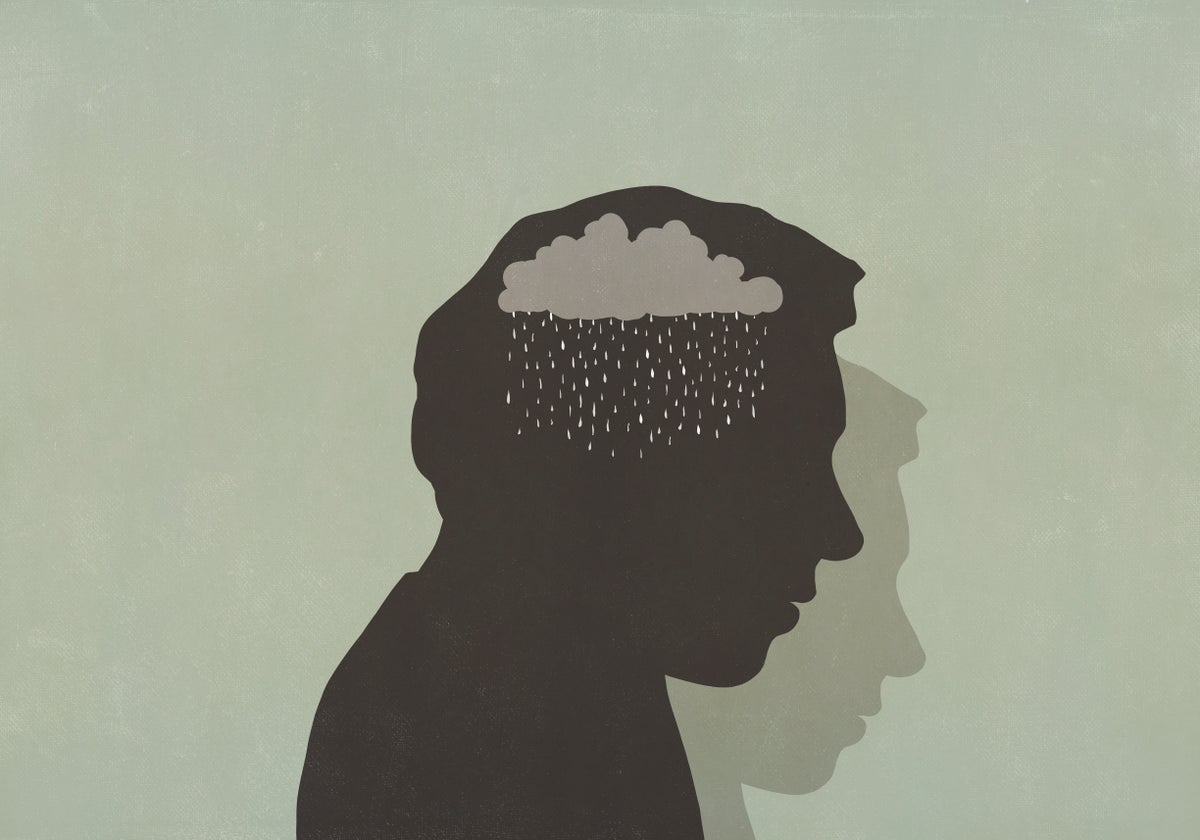
Depression vs. Grief: Are you depressed or are you just grieving?
By, Maro Mikhaeil
Did you experience a loss of some kind, whether it was a loved one, a job, a pet, or even a relationship? Often times, individuals will think that they are experiencing depression when that may not be the case at all. In fact, depression does not solely occur when a traumatic event has occurred but may occur due to genetics or even your environment. However, it may be hard for individuals to distinguish grieving from depression due to the similarities. This is why psychologists or psychiatrists will often ask for your history to determine treatment. Grieving and depression are both characterized by intense feelings of sadness and may have the same cause of trauma and loss. Some individuals may experience both depression and bereavement, commonly known as a process of grief, which causes significant symptoms and functional impairment and is worse than either depression or bereavement alone.
The Differences between Depression and Grief
Depression is characterized by a variety of depressive disorders, such as disruptive mood dysregulation disorder, major depressive disorder, premenstrual dysphoric disorder, substance-induced depressive disorder, medication-induced depressive disorder, and other unspecified and specified depressive disorders. Major depressive disorder is the most common and known type of depressive disorder, as it is the classic condition amongst all the other depressive disorders. It is characterized by depressive episodes that have been occurring for at least 2 weeks and/or longer, which is longer than the grieving process. Major depressive disorder is also more persistent and has more obvious characteristics because individuals will be feeling depressive symptoms everywhere, as opposed to bereavement, which is more of a fluctuating state and varies from person to person. Bereavement entails this grieving process where these negative feelings are accompanied by positive feelings, and as time passes, the wave of negative emotions will spread further and further apart. The grieving process and the associated feelings will also come to an end as the individual fully visualizes their loss through a good recollection rather than a more devastating one.
Treatment options
Despite the differences between the two, major depressive disorder and bereavement are both treatable. Psychotherapy, also known as talk therapy, can definitely treat both major depressive disorder and bereavement. Antidepressants, antipsychotics, and anxiolytics can also target the symptoms of major depressive disorder, and people find them useful in conjunction with psychotherapy.
All in all, it’s important to be mindful of all the similarities and differences and to take action when needed. Your mental health is just as important as your health; you should not let it derail your life, as there is a way out. Remember that you are not alone, as individuals all over the world are experiencing what you may be experiencing right now.
If you or someone you know is experiencing grief or depression, please contact our psychotherapy offices in New York or New Jersey to talk to one of our licensed professional psychologists, psychiatrists, psychiatric nurse practitioners, or psychotherapists at Arista Counseling & Psychotherapy. Contact our Paramus, NJ or Manhattan, NY offices respectively at (201) 368-3700 or (212) 722-1920 to set up an appointment. For more information, please visit https://www.counselingpsychotherapynjny.com
Sources:
https://www.verywellmind.com/grief-and-depression-1067237
Diagnostic and Statistical Manual of Mental Disorders Fifth Edition by the American Psychiatric Association (DSM-IV)

 CounselingRx