Work-Life Balance

Work-Life Balance

By: Josette DeFranco

Are you feeling overwhelmed due to the lack of balance in your work and personal life?

Work-life balance is important because it affects you, your family, and others. You need the time and energy to participate in your own personal interests, family, and community activities. A workplace that supports employees’ well-being and allows their employees to focus on their mental health is an excellent way for them to avoid burnout.

Here are some healthy work-life balance tips:

  • Take breaks
  • Set boundaries
  • Learn to say no
  • Prioritize your mental health
  • Set goals
  • Practice Mindfulness
  • Create a flexible work schedule
  • Seek support

It is important to acknowledge how this balance can benefit you. It’s easy to get caught up in your job and neglect your wants and needs. These are just a couple ways having a work-life balance can help you; create healthier workplace relationships, improve your mental health, enhance your physical health, and have better productivity at work.

If you, your child, or someone you know is experiencing back-to-school anxiety, social anxiety, or other anxiety disorders or mental health issues, please contact our psychotherapy offices in New York or New Jersey to talk to one of our licensed professional psychologists, psychiatrist, psychiatric nurse practitioners, or psychotherapists at Arista Counseling & Psychotherapy. Contact our Paramus, NJ or Manhattan offices respectively, at 201-368-3700 or 212-722-1920 to set up an appointment. Please visit http://www.counselingpsychotherapynjny.com/ for more information.

Sources:

https://www.psychologytoday.com/us/blog/presence-of-mind/201509/hows-your-work-life-balance

https://www.timedoctor.com/blog/work-life-balance-tips

Post-College Anxiety

Post-College Anxiety

By: Julia Massa

Post-college anxiety, or Post Commencement Stress Disorder, though not an official medical diagnosis, is used to describe the uncertainty and anxiety college graduates often feel as a result of their achievement. With both internal and external expectations to “measure up,” graduates find themselves conflicted, depressed, and pressured. Graduates may fear failure due to not finding a job as well as feel pressured to pay back their student debt without having a secure job or realizing that career path just isn’t for them. Furthermore, they may feel alone due to moving back home and changing their social contexts. In fact, 53% of 18-to-24 year old graduates live with their parents after graduation. Homesickness is a cycle, perhaps.

From being a student at the mere age of five to an actual member of society can lead to an identity crisis. Additionally, college students may have trouble sleeping, concentrating, become less interested in socializing, experience shortness of breath or rapid heart rate, feel a lack of control of their life, or numb these feelings with alcohol, drugs, or binge-eating.

Feeling nervous about the future is a normal reaction to uncertainty, especially if you thrive on consistency and routine. Graduates can address feelings of uncertainty by practicing test runs for job interviews, “zooming in” and looking at each step, getting feedback from multiple resources like resume writers or networking events, and embracing the chaos. When life becomes complex, it is important to practice self-care and remind yourself that it is not a bad day- just a complex one. Moreover, if a graduate is stressed about finances, they can be financially proactive and learn banking, create an emergency fund, SAVE little by little, or create a realistic payment plan to pay off their loans. 

Graduating is a bittersweet experience. Adjusting to change can be scary, but in the case of college grads, they are on the path to prosper. Though it is easier said than done, it is important to embrace each chapter and live day by day.

If you or someone you know is struggling with post-college anxiety, please contact our psychotherapy offices in New York or New Jersey to talk to one of our licensed professional psychologists, psychiatrists, psychiatric nurse practitioners, or psychotherapists at Arista Counseling & Psychotherapy. Contact our Paramus, NJ or Manhattan, NY offices respectively, at (201) 368-3700 or (212) 722-1920 to set up an appointment. For more information, please visit http://www.counselingpsychotherapynjny.com/

Sources:

https://extension.wvu.edu/food-health/emotional-wellness/post-graduation-stress#:~:text=Lushkin%20lists%20these%20common%20symptoms,in%20a%20reasonable%20length%20of

https://www.careercontessa.com/advice/how-to-deal-post-grad-anxiety/

https://www.psycom.net/college-graduation-anxiety-expert-advice/

https://www.gile-edu.org/articles/post-graduation-stress/#:~:text=Symptoms%20of%20post%2Dgraduation%20stress%20and%20anxiety%20can%20include%3A&text=%E2%80%93%20Sleeplessness%20and%20irritability.,for%20a%20length%20of%20time.&text=%E2%80%93%20Numbing%20of%20feelings%20with%20alcohol,%2Deating%2C%20and%20recreational%20drugs.

Image source:

Anxiety Disorder: Caffeine Induced

By: Julia Massa

Starbucks, Dunkin, Wawa, and other “on the go” stops will never go out of business. Humans rely heavily on caffeine to get through their shifts, workouts, or even just to post a quick Instagram story. In fact, humans spend five to ten dollars on their caffeine cravings each day. However, there are several caffeine related disorders according to the DSM-IV, including caffeine intoxication, caffeine-induced anxiety disorder, caffeine-induced sleep disorder, and caffeine-related disorder not otherwise specified. Some symptoms of caffeine-induced anxiety include red face, shaking, muscle twitching, confused speech, sweating, insomnia, frequent urination, impulsive reactions towards minor inconveniences, and mood swings. Caffeine-Induced Anxiety is caused by the effect of caffeine on the brains neurotransmitters, such as norepinephrine. This chemical increases stress hormones, like cortisol, which is linked to many mental disorders and may interact with medications a patient is already taking to manage their anxiety symptoms.

Caffeine is listed as a drug in both medical and psychiatric literature since it is a central nervous stimulant and can be fatal if a person exceeds the daily recommendation of 400mg. For those with anxiety, 200mg or less is the recommended dose. Though it is rare, consuming a caffeine pill of a high dose can lead to ventricular fibrillation and death. Caffeine is legal and unregulated, which is why many people do not realize how their medium hot caramel coffee with almond milk can exaggerate their anxiety symptoms or cause anxiety-related symptoms. When people limit their caffeine intake suddenly, they may experience withdrawal symptoms similar to addictive drugs like cocaine. These symptoms include headache, irritability, drowsiness, loss of focus, insomnia, stomach pain, etc. For this reason, many individuals continue to drink caffeinated beverages to prevent these symptoms. In fact, more than 97% of caffeine consumed by adolescents and adults come from beverages.

Though the prevalence rate for caffeine-induced psychiatric disorders has not been well established, there is a high comorbidity rate between caffeine and several mood and substance abuse disorders.

If you or someone you know is struggling with anxiety, please contact our psychotherapy offices in New York or New Jersey to talk to one of our licensed professional psychologists, psychiatrists, psychiatric nurse practitioners, or psychotherapists at Arista Counseling & Psychotherapy. Contact our Paramus, NJ or Manhattan, NY offices respectively, at (201) 368-3700 or (212) 722-1920 to set up an appointment. For more information, please visit http://www.counselingpsychotherapynjny.com/

http://www.americanmedtech.org/files/STEP_Online_articles/353.pdf

https://www.dovemed.com/diseases-conditions/caffeine-induced-anxiety/

COVID Anxiety

By: Julia Massa

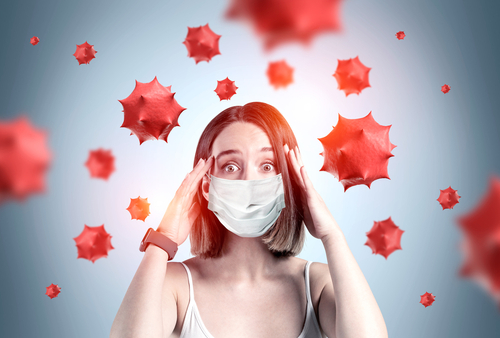
The COVID-19 pandemic has sparked fear in many people from diverse populations, especially those who are immunocompromised. Research shows that pre-existing vulnerability to certain illnesses is a major trigger, so it is no secret as to why the pandemic has significantly affected those with autoimmune disorders. People are leaving their homes less, cities are vacant, parks are untouched, businesses are closing, and schools are silent while hospitals are loud, chaotic, and constantly moving. The pandemic has fueled OCD symptoms where people are commonly seen drowning their hands in sanitizer, hoarding their homes with cleaning products, clearing the shelves of toiletries, and constantly cleaning surfaces- no matter the location. There has been an increase in OCD diagnoses and symptoms of those who already have the condition are becoming more severe.

People are stressing over potential blood clots, painful lumps, infections, and even having something as little as an itch- the list tracks on. Illness anxiety is real and can disrupt an individual’s daily functioning. Individuals with this condition constantly google symptoms and surveil their body for any physical signs of illness- previously recognized as hypochondriasis. These constant rituals and safety behaviors can be detrimental to a person’s mental state. In addition, this “what if” mindset only reinforces an individual’s anxiety.  It can be very expensive dealing with this condition, as people tend to go to frequent doctor’s visits, whereas others may avoid going altogether. 

Psychotherapy, particularly cognitive behavior therapy, can be an effective treatment for those with illness anxiety. Medications such as selective serotonin reuptake inhibitors (SSRIs) can help an individual with illness anxiety manage their anxiety and stress without taking a trip to the doctor’s office. Anxiety can actually present with physical symptoms that an individual may think is from a serious illness, so finding ways to cope and deal with the excessive worries can lead to optimal outcomes.

Sources:

https://www.msn.com/en-us/health/medical/pandemic-anxiety-is-fueling-ocd-symptoms-e2-80-94even-for-people-without-the-disorder/ar-AASYBeE?ocid=uxbndlbing

https://adaa.org/learn-from-us/from-the-experts/blog-posts/consumer/health-anxiety-what-it-and-how-beat-it

https://www.mayoclinic.org/diseases-conditions/illness-anxiety-disorder/symptoms-causes/syc-20373782

If you or someone you know is seeking therapy for illness-anxiety, please contact our psychotherapy offices in New York or New Jersey to talk to one of our licensed professional psychologists, psychiatrists, psychiatric nurse practitioners, or psychotherapists at Arista Counseling & Psychotherapy. Contact our Paramus, NJ or Manhattan, NY offices respectively, at (201) 368-3700 or (212) 722-1920 to set up an appointment. For more information, please visit http://www.counselingpsychotherapynjny.com/