COVID-19: Co-Parenting in a Stressful Time

COVID-19: Co-Parenting in a Stressful Time

By: Alexa Greenbaum

Co-parenting is challenging even during normal times. The crisis of COVID-19 can add to the stress of co-parenting. There are many aspects that make co-parenting even more difficult now than before. Some parents may have to work longer hours during the pandemic, whereas others may have reduced hours and are therefore struggling with finances; these are just a few extra stressors that parents are facing during this pandemic. Adding to the difficulty, different states handle custody arrangements differently, which adds confusion to the process.

Regarding custody, parents have to work together to ensure the safety of their children. Unlike before the pandemic, if they do not see eye to eye, they now have limited means of settling the matter in the justice system. State Supreme Courts such as in California, Maryland, and Texas, have issued that parents should follow their court-ordered processioning schedule during COVID-19. However, there are some exceptions including the event of a “lockdown” or a “shelter in place.” In other states, such as New York, the administrative judge has ordered to “act reasonably.” This uncertainty can spark conflict between co-parents as well.

To accommodate in this challenging time, the American Academy of Matrimonial Lawyers and The Association of Family and Conciliation Courts released a joint statement of guidelines on March 19 to help separated parents create a plan during the health crisis. The statement says, “Family law judges expect reasonable accommodations when they can be made and will take serious concerns raised in later filings about parents who are inflexible in highly unusual circumstances.” Nonetheless, the major issue that co-parents are facing, concerning their children, is that many parents are losing the ability to have daily or normal interactions with their kids.

Healthy co-parenting through COVID-19 requires parents to put aside their differences and put their children first. Parents need to know that although this time is confusing for children, kids are generally resilient. Both parents should talk to their kids, whether it be in-person, from 6-feet apart, or virtually about the pandemic. Communication during this time is the best way for a child to have a sense of normality. Thus, this is a time for parents to embrace technology and do their best to work together as co-parents.

Kids are feeling overwhelmed too. Therefore, as a co-parent, focus on doing everything they can do to emotionally support their kids. Reassuring their child that we will get through this, that some changes are only temporary, and most importantly, they are loved is the best way to be there for their child during this time.

If you or someone you know is looking for support, please contact our psychotherapy offices in New York or New Jersey to talk to one of our licensed professional psychologists, psychiatrists, psychiatric nurse practitioners, or psychotherapists at Arista Counseling & Psychotherapy. Contact our Paramus, NJ or Manhattan, NY offices respectively, at (201) 368-3700 or (212) 722-1920 to set up an appointment. For more information, please visit http://www.counselingpsychotherapynjny.com/ .

Sources:

https://www.usnews.com/news/best-states/articles/2020-04-27/americans-struggle-with-co-parenting-during-covid-19

https://www.paleyrothman.com/legal-blog/co-parenting-during-covid-a-practical-guide

https://www.healthychildren.org/English/healthy-living/emotional-wellness/Building-Resilience/Pages/Co-Parenting-through-COVID-19.aspx

https://www.thecenterforfamilylaw.com/afcc-aaml

Image Source:

https://nyulangone.org/news/divorce-co-parenting-covid-19-challenges-opportunities

Parenting during COVID-19

Parenting during COVID-19

By: Alexa Greenbaum

Parenting in confinement during COVID-19 has many challenges. For many, the home has become the office and the classroom, making it more difficult to be productive and motivated. During this stressful time in isolation it can be very difficult to keep children occupied while also working remotely, dealing with finances, and navigating the danger of the coronavirus. However, by creating structure, setting boundaries, and encouraging open communication, parents can improve their family dynamic.

Parents are having to take on more responsibilities than ever before. Especially in a very uncertain time it is normal for children and parents to feel anxious, stressed, and overwhelmed. As a result, many parents and children are reacting to today’s stressors by acting out or regressing to behaviors long outgrown. Due to the additional stressors that come with COVID-19, parents are taking on too much which is causing parents to feel stressed, frustrated, and resentful. According to the APA’s Stress in America survey, “73% of parents report family responsibilities as a significant source of stress.” This can erode the feeling of mutual support and respect that is crucial to a healthy relationship.

To help, creating some structure in your life, such as a routine and designating a workspace for children to do their schoolwork and homework can be an effective way to set boundaries and help a family cope with stress. Thanking your child for allowing you to do your work, is an effective tool as it positively reinforces your child to continue giving you the space you need to be productive.

Sharing and designating daily responsibilities can improve the quality of a parent’s relationship with their children. Working together as a family and designating different tasks is something you and your children can control, and it teaches children to focus on those things they can control when feeling stressed.

To help parents create a healthy family dynamic in the climate of COVID-19, the way parents talk to their kids may need to be readjusted as well. Initiating regular open conversations with their kids. Giving your children your undivided attention can help a family work together to better understand, acknowledge, and address any stressors children are experiencing. Calming your children’s fears is important.

Take advantage of this time together, it can be an opportunity for your relationship with your kids to grow, but don’t forget to take care of yourself! For support, discussing experiences with friends, relatives, or a telehealth mental health professional can be helpful. At Arista Counseling, we have a multitude of different therapists that can help you.

If you or someone you know is looking for support, please contact our psychotherapy offices in New York or New Jersey to talk to one of our licensed professional psychologists, psychiatrists, psychiatric nurse practitioners, or psychotherapists at Arista Counseling & Psychotherapy. Contact our Paramus, NJ or Manhattan, NY offices respectively, at (201) 368-3700 or (212) 722-1920 to set up an appointment. For more information, please visit http://www.counselingpsychotherapynjny.com/ .

Sources:

https://www.apa.org/topics/covid-19/parenting-during-pandemic

https://www.apa.org/helpcenter/managing-stress

https://www.psychologytoday.com/us/blog/little-house-calls/202003/parenting-during-covid-19

Image Source:

https://www.parkview.com/community/dashboard/dealing-with-parenting-stress-during-covid-19

Social Anxiety Disorder: More Than Just Being Shy

By: Gabriella Phillip

Social Anxiety Disorder, also known as social phobia, is a mental health condition involving an intense, persistent fear of being watched or judged by others. The fear that people with social anxiety experience in social situations is so strong that they often feel as though it is beyond their control. Social Anxiety Disorder affects around 15 million American adults and is the second most commonly diagnosed anxiety disorder following specific phobia.

Common symptoms for people with social phobia include

  • being extremely anxious around other people,
  • being self-conscious in front of others,
  • being very afraid of being embarrassed in front of other people
  • being the focus of other people’s judgment
  • worrying for days or weeks before a social event
  • having a difficult time cultivating friendships
  • avoiding places where other people will be present

Bodily symptoms for people with social anxiety include

  • heavy sweating
  • trembling
  • nausea
  • blushing
  • having difficulty speaking

Social phobia sometimes runs in families, but no one knows for sure why some people have it, while others don’t. When chemicals in the brain are not at a certain level it can cause a person to have social phobia. Social anxiety usually begins during childhood/ teenage years, typically around age 13. A doctor can tell if the person has this disorder if symptoms are present for at least 6 months. This disorder should be treated in a timely manner to help spare those diagnosed from years of unpleasant feelings and anxiety.

Treatment can help people with social phobia feel less anxious and fearful. Two types of treatments used for Social Anxiety Disorder are psychotherapy, or talk therapy, and medication that’s safe and effective, often used in combination. Cognitive behavior therapy is an effective type of psychotherapy used for anxiety related disorders. Medication used to treat Social phobia include selective reuptake inhibitors (SSRIs), antidepressants, anti-anxiety medicines, and beta blockers. It’s important to choose a method of treatment that is best suited towards your individual needs.

If you or someone you know is struggling with Social Anxiety Disorder, Arista Counseling and Psychotherapy can help. Please contact our psychotherapy offices in New York or New Jersey to talk to one of our licensed professional psychologists, psychiatrists, psychiatric nurse practitioners, or psychotherapists. Contact our Paramus, NJ or Manhattan, NY offices respectively, at (201) 368-3700 or (212) 722-1920 to set up an appointment. For more information, please visit http://www.counselingpsychotherapynjny.com/ .


Sources

https://www.nimh.nih.gov/health/publications/social-anxiety-disorder-more-than-just-shyness/index.shtml

https://www.verywellmind.com/difference-between-shyness-and-social-anxiety-disorder-3024431


Anxiety: Generalized Anxiety Disorder

By: Gabriella Phillip

Anxiety is normal as we all worry from time to time about meeting deadlines for work or school, or being on time for a scheduled appointment. However, people with generalized anxiety disorder, or GAD, experience a chronic state of severe worry and tension, often without provocation. People with GAD aren’t usually able to shift their focus from their concerns, even though they are aware that much of their anxiety is unwarranted. These worries can include overthinking plans and solutions, inability to set aside or let go of a worry, or severe difficulty with handling uncertainty. People diagnosed with generalized anxiety disorder undergo persistent, excessive worry that occurs on more days than not for at least six months and show at least 3 symptoms of the disorder.

For patients with GAD, worrying is often accompanied by physical symptoms including headaches, irritability, muscle tension, difficulty sleeping or concentrating, sweating, hot flashes, and restlessness. Generalized anxiety disorder affects around 6.8 million American adults; women are twice as likely as men to be afflicted. Onset age of this disorder can occur at any point in one’s life, but usually begins between childhood and middle age. Generalized anxiety disorder can affect all areas of life including social life, school, work, and family. According to a national survey conducted by the Anxiety Disorders Association, 7 out of 10 people diagnosed with GAD noted that their persistent anxiety has a clear impact on their romantic relationships and two-thirds reported that that this disorder has had a negative effect on their friendships. Generalized anxiety disorders are the most common cause of workplace disability.

Treatment for GAD commonly includes medication, cognitive behavior therapy (CBT), talk therapy (psychotherapy), exposure therapy, and anxiety management; some of these treatments are used simultaneously. There is no single optimal treatment since what works for one patient might not be as effective for another patient. A combination of modalities is usually most effective.

If you or someone you know is struggling with Generalized Anxiety Disorder, Arista Counseling and Psychotherapy can help as we are able to provide a combination of treatments which have proven to be effective. Please contact our psychotherapy offices in New York or New Jersey to talk to one of our licensed professional psychologists, psychiatrists, psychiatric nurse practitioners, or psychotherapists. Contact our Paramus, NJ or Manhattan, NY offices respectively, at (201) 368-3700 or (212) 722-1920 to set up an appointment. For more information, please visit http://www.counselingpsychotherapynjny.com/ .


Sources

Click to access July%2015%20GAD_adaa.pdf

https://www.psychologytoday.com/us/conditions/generalized-anxiety-disorder


Depression: Difference between Unipolar and Bipolar Depression

By Gabriella Phillip

Eliciting a history of brief periods of improved mood is the key to differentiating between unipolar and bipolar depression. Bipolar spectrum disorders typically begin earlier in life than unipolar depression; the usual sign of bipolar disorder in young children could be depression and/or a combination of depression and states of mania/hypomania. It’s significant to ask the patient how old they were when they first experienced a depressive episode. Men have a higher rate of bipolar disorder than women, but the rates for unipolar depression in men and women are more equal.

Some patients with bipolar spectrum disorder can go from normal to severely depressed technically overnight whereas unipolar depressive episodes tend to occur more gradually. Patients with bipolar spectrum depression tend to experience weight gain and crave carbs, while those with unipolar depression usually experience weight loss or loss of appetite. Patients suffering from bipolar depression tend to show irregular responses to antidepressant monotherapy, including switching into mania. Bipolar spectrum disorder is an inheritable mental illness, so it’s vital to take family history into consideration. While patients diagnosed with unipolar depression usually note that their symptoms fluctuate in a more stable, regular pattern, those with bipolar depression have moods that can vary unpredictably, usually with no cause.

When treating bipolar depression, antidepressants are used in combination with some sort of mood stabilizer. Treatment for unipolar depression can include medication like SSRIs and antidepressants, often in combination with cognitive behavioral therapy (CBT) and psychotherapy. Screening instruments including the Bipolar Spectrum Diagnostic Scale and the Mood Disorders Questionnaire can be effective and helpful tools in differentiating unipolar from bipolar depression.

If you or someone you know is struggling with Bipolar Disorder or Unipolar Depression, Arista Counseling and Psychotherapy can help. Please contact our psychotherapy offices in New York or New Jersey to talk to one of our licensed professional psychologists, psychiatrists, psychiatric nurse practitioners, or psychotherapists at Arista Counseling & Psychotherapy. Contact our Paramus, NJ or Manhattan, NY offices respectively, at (201) 368-3700 or (212) 722-1920 to set up an appointment. For more information, please visit http://www.counselingpsychotherapynjny.com/ .

Sources

https://www.psychiatrictimes.com/special-reports/major-depressive-episode-it-bipolar-i-or-unipolar-depression

https://www.ncbi.nlm.nih.gov/pmc/articles/PMC2850601/

https://www.cambridge.org/core/journals/the-british-journal-of-psychiatry/article/unipolar-and-bipolar-depression-different-or-the-same/AE364DFBFFBAF1F66A9294A55120C64E/core-reader


Body Dysmorphic Disorder

By Gabriella Phillip

Body Dysmorphic disorder, or BDD, is a psychiatric disorder in which a person is preoccupied with an imagined or minor physical defect that other people usually don’t notice. BDD has various features that are similar to that of obsessive-compulsive disorders and eating disorders. Patients diagnosed with obsessive-compulsive disorder, or OCD, have distressing thoughts and images that they aren’t able to control. Emotional distress that can result from this can cause a person to perform particular rituals or compulsions. Regarding BDD, the person’s persistent preoccupation with his/her perceived physical defect can lead to ritualistic behaviors including constantly looking in the mirror or skin picking. Similarly to eating disorders, like anorexia nervosa and bulimia nervosa, Body Dysmorphic Disorder involves a concern with body image. However, while eating disorder patients are concerned with body weight, those diagnosed with BDD are worried about a specific area or part of the body.

Body Dysmorphia affects approximately 2% of the general population; however, BDD usually goes undiagnosed so the number of people who actually have the disorder could potentially be much greater. Those with body dysmorphia oftentimes feel a significant amount of shame regarding their perceived flaws which may hinder them from seeking treatment. BDD prevalence differs by gender, as women are reported to have higher rates of this disorder than men. Factors such as living with a pre-existing mental condition like depression or anxiety or experiencing bullying or abuse during childhood or adolescence can increase the risk of Body Dysmorphic Disorder. The typical onset for BDD is between the ages twelve and seventeen, around the time when adolescents go through puberty and certain bodily changes.

Social media platforms like Instagram oftentimes feed us an interminable supply of filtered and unrealistic depictions of different people and their lives. It’s easy to compare yourself to well edited pictures of models, celebrities, and even friends online, making you feel as though you don’t measure up as you are. Also, various forms of bullying like body shaming or slut shaming can occur online and can easily result in distorted body image and low self-esteem. Those with BDD sometimes choose to socially isolate themselves due to high level of shame related to their bodily appearance. While social media doesn’t necessarily cause body dysmorphia, it can serve as a trigger for those already predisposed to the disorder, or could possibly worsen existing symptoms. The main treatments used for BDD are cognitive behavioral therapy (CBT) and antidepressant medication, specifically serotonin reuptake inhibitors (SSRIs). Many patients use therapy and medication simultaneously. These treatments are meant to help reduce obsessive compulsive behaviors, improve stress level management involved in these behaviors, and aid patients in viewing themselves in a more loving and less judgmental light.

If you or someone you know is struggling with Body Dysmorphic Disorder, Arista Counseling and Psychotherapy can help. Please contact our psychotherapy offices in New York or New Jersey to talk to one of our licensed professional psychologists, psychiatrists, psychiatric nurse practitioners, or psychotherapists at Arista Counseling & Psychotherapy. Contact our Paramus, NJ or Manhattan, NY offices respectively, at (201) 368-3700 or (212) 722-1920 to set up an appointment. For more information, please visit http://www.counselingpsychotherapynjny.com/ .


Pain: Chronic Pain is a Fundamental Health Issue

By Gabriella Phillip

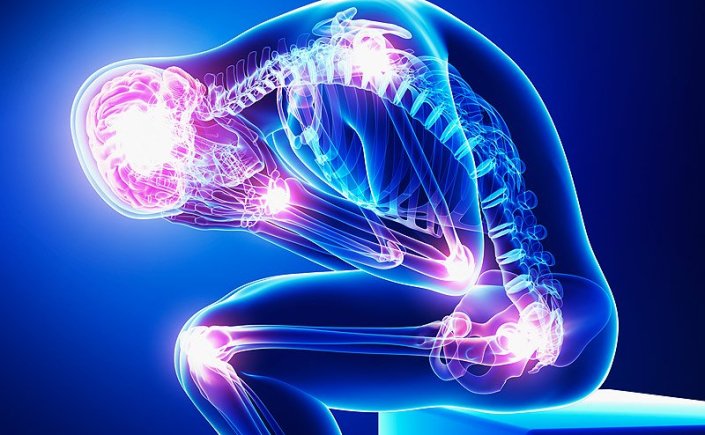
According to The International Association for the Study of Pain, pain is an unpleasant sensory and emotional experience associated with actual or potential tissue damage. When someone is injured, pain sensors immediately send signals to the brain. Although regular pain, like cramps or a headache, can be relieved in a rather short period of time, chronic pain involves the brain receiving pain signals a while after the onset of pain or the original injury.

One in five people live with chronic pain and the frequency of chronic pain increases as we get older. Many elderly people are experiencing pain that oftentimes goes undiagnosed. In addition, research shows that patients with dementia are being severely untreated for their experience with pain. Even though it’s a fundamental human right to have proper access to pain management, most elderly people are receiving quite inadequate care from health facilities, making it harder for them to cope and go about their daily lives with severe chronic pain.

Chronic pain can strongly impact or contribute to the formation of serious mental health issues including anxiety and depression. Current research from Neuroscience Research Australia shows that patients living with chronic pain have lower levels of glutamate, a significant chemical messenger that aids emotional regulation. Therefore, it’s possible for people with chronic pain to undergo certain personality changes like being more tired than usual, feeling unmotivated, or worrying on a more frequent basis than before. Around half of people suffering from chronic pain also have mental health conditions. The daily demands of learning to live with chronic pain can help generate anxiety, depression and other mood disorders.

If you or someone you know is struggling with Chronic Pain and its mental health effects, Arista Counseling and Psychotherapy can help. Please contact our psychotherapy offices in New York or New Jersey to talk to one of our licensed professional psychologists, psychiatrists, psychiatric nurse practitioners, or psychotherapists at Arista Counseling & Psychotherapy. Contact our Paramus, NJ or Manhattan, NY offices respectively, at (201) 368-3700 or (212) 722-1920 to set up an appointment. For more information, please visit http://www.counselingpsychotherapynjny.com/ .

CBT & DBT

Image result for cbt and dbt therapy

CBT & DBT

By: Vanessa Munera

When it comes to psychotherapy, there are different types. Psychotherapy is also known as “talk therapy”. According to the American Psychiatric Association, “Psychotherapy is a way to help people with a broad variety of mental illnesses and emotional difficulties”. This is when an individual speaks with a therapist or psychologist in a safe and confidential environment. During these talk sessions, you are able to explore and understand your feelings and behaviors, and develop coping skills. In fact, research studies have found that individual psychotherapy can be effective at improving symptoms in a wide array of mental illnesses, making it both popular and versatile treatment. There are different types of psychotherapy that can assist people. The most common types of psychotherapy are Cognitive Behavioral Therapy (CBT) and Dialectical Behavioral Therapy (DBT).

Cognitive Behavioral Therapy or CBT, is a form of therapy that consists of focusing on exploring relationships among a person’s thoughts, feelings and behaviors. This type of therapy helps patients gain control over and accept unwanted thoughts and feelings so that they can better manage harmful or unwanted behaviors. CBT is usually used to treat conditions related to anxiety, depression, substance abuse, eating disorders, and social skills. As a matter of fact, Cognitive Behavioral Therapy has been shown to be an effective treatment for these conditions, as well as improving brain functioning. CBT can benefit people at any age, such as a child, adolescent, and adult.

Dialectical Behavioral Therapy, or DBT, is a type of therapy that was originally designed to help individuals with borderline personality disorder (BPD). Over time, this type of therapy has been adapted to help treat people with multiple different mental illnesses, but it is mostly used to treat patients who have BPD as a primary diagnosis. Although DBT is a form of CBT, it has one big exception: it emphasizes validation and accepting uncomfortable thoughts, feelings and behaviors instead of struggling with them. DBT allows patients to come in terms with their troubling thoughts, emotions, or behaviors that they have been struggling with. Studies of Dialectical Behavior Therapy have shown effective long-term improvements for those suffering from mental illness. DBT also helps lower the frequency and severity of dangerous behaviors, utilizes positive reinforcement to promote change, and helps individuals translate what they learned in therapy to everyday life.


References:

https://www.nami.org/learn-more/treatment/psychotherapy

https://manhattanpsychologygroup.com/difference-dbt-cbt-therapies/

https://www.psychiatry.org/patients-families/psychotherapy

PTSD Researcher Finds Link between Stress and Trauma

By Diana Bae

Rachel Yehuda, PhD, is a distinguished researcher and Director of Traumatic Stress Studies Division at the Icahn School of Medicine of Mount Sinai. She has conducted numerous prominent post-traumatic stress disorder (PTSD) studies and treatment. One of her most well-known studies researched Vietnam War combat veterans with PTSD and found that they had significantly lower cortisol levels than veterans without PTSD. Cortisol is a hormone that controls stress and although it is thought that more cortisol resulted in more stress, Dr. Yehuda showed that that is not the case. Thus, there needs to be a sufficient amount of cortisol to handle stress and reduce the risk of developing trauma. Now, Dr. Yehuda plans to test a drug, oral hydrocortisone, to see whether it can replicate the cortisol naturally produced in the body. If this drug is successful, it may prevent PTSD and other similar disorders.

Arista Psychological and Psychiatric Services understands the problems caused by PTSD and are dedicated to provide proper attention and treatment. If you or someone you know would like to set up an appointment for our counseling services, contact us at our offices in Paramus, NJ (201) 368-3700 or in Manhattan, NY (212) 996-3939. For more information, please visit our website https://www.counselingpsychotherapynjny.com/

Source: Inside, a publication of the Mount Sinai Health System, Issue: November 25 – December 15, 2019;  Picture Source: http:// www. thesuburban.com/life/lifestyles/can-trauma-be-transmitted-intergenerationally-oct-dawson-college-peace-centre/article_ea2d7bb0-b063-11e7-aee3-5b0d013065f7.html, https:// askopinion.com/how-to-deal-with-ptsd-aka-post-traumatic-stress-disorder

Changes to the Brain

 By: Katie Connell

                For a long time, scientists believed that changes to brain structure only occurred during infancy and childhood. By the time one became an adult, it was thought that brain structure would remain largely permanent and that no more changes could occur. However, in the 1960’s, scientists discovered that changes to the adult brain were indeed possible. One thing that verified this were brain changes that occurred to patient’s brains that were damaged in injuries and accidents. Damage that occurred in certain parts of one’s brain resulted in healthier parts taking over. With this discovery came insight into other ways that the brain could be changed, specifically in the realm of psychotherapy. Cognitive Behavioral Therapy (CBT) is a great example of a type of psychotherapy that can lead to long lasting changes to the brain. During a process called synaptic pruning, extra neurons (which transmit information) and synaptic connections (which permit neurons to transmit info) are eliminated to increase the efficiency of neural transmissions. One way this happens is by neurons being used more frequently. Those that aren’t used as much get eliminated, which improves the transmission of information. By repeated exposure and engagement in CBT (including thought shifting techniques and cognitive restructuring), neurons become strengthened, meaning less synapses and better transmission of neurons. Through the use of routine CBT, critical neural networks are able to change how we think and feel.

If you or a person you know is seeking CBT or other forms of therapy, the psychologists, psychiatrists, and therapists at Arista Counseling and Psychiatric Services can help. Please contact the Bergen County, NJ or Manhattan offices at (201) 368-3700 or (212) 722-1920. 

Source:

https://www.verywellmind.com/what-is-brain-plasticity-2794886