Eating Disorders Part 1: More than Just One Narrative

Eating Disorders Part 1: More than Just One Narrative

By: Abby Erasmus

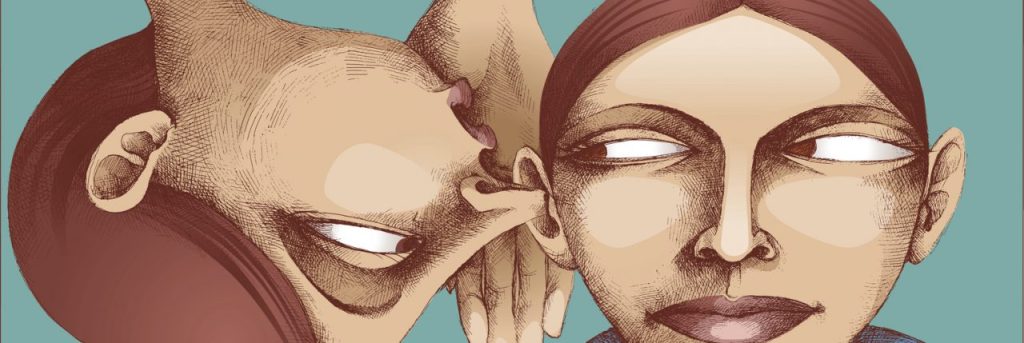
Eating disorders don’t discriminate; about 1 in 7 male individuals and 1 in 5 female individuals experience an eating disorder by age 40. Girls as young as 8 or 9 are walking into the doctor’s office with cases of anorexia nervosa, bulimia nervosa, and other types of eating disorders. Individuals regardless of race, class, gender, religion, and sexual orientation can suffer from an eating disorder (ED). EDs are an extremely serious matter; they have the highest mortality rate of all mental illnesses. Keeping all of this information in mind, it is extremely important to understand and acknowledge that EDs affect all demographic groups and can manifest differently within these groups. Different demographics have complex histories with different cultural backgrounds that can affect how one displays an ED, and why a group develops one. Because people are unaware that different demographic groups experience EDs, stigma often surrounds their diagnosis by both people within their community as well as outside the community. Knowing that EDs have the highest mortality rate, it is our responsibility to reduce the stigma by disseminating information about how EDs affect a wide variety of populations.

The typical narrative of an ED tells the struggle of a white, straight, cis- gender woman. This population does experience EDs, and it’s extremely important to provide them with appropriate help and support; however, this typical narrative leaves out the experience of many other groups of people with EDs and why different demographics might development them. In reality, the rates of EDs are about the same across demographic groups in the United States, but because one narrative is told, other groups are significantly less likely to receive treatment. In a series of blog posts, I will discuss how EDs affect different populations: Black women, the LGBTQ community, Asian American women, Latina Women, and men in general.

If you or someone you know is seeking therapy for an eating disorder, please contact our psychotherapy offices in New York or New Jersey to talk to one of our licensed professional psychologists, psychiatrists, psychiatric nurse practitioners, or psychotherapists at Arista Counseling & Psychotherapy. Contact our Paramus, NJ or Manhattan, NY offices respectively, at (201) 368-3700 or (212) 722-1920 to set up an appointment. For more information, please visit http://www.counselingpsychotherapynjny.com/

Sources:

https://www.state.sc.us/dmh/anorexia/statistics.htm

https://jamanetwork.com/journals/jamanetworkopen/article-abstract/2752577

https://www.webmd.com/mental-health/eating-disorders/anorexia-nervosa/features/changing-face-anorexia

https://www.nationaleatingdisorders.org/people-color-and-eating-disorders#:~:text=Eating%20disorders%20have%20historically%20been,help%20for%20their%20eating%20issues.

Social Anxiety; Going Back to Normalcy After the Pandemic 

By Jillian Hoff

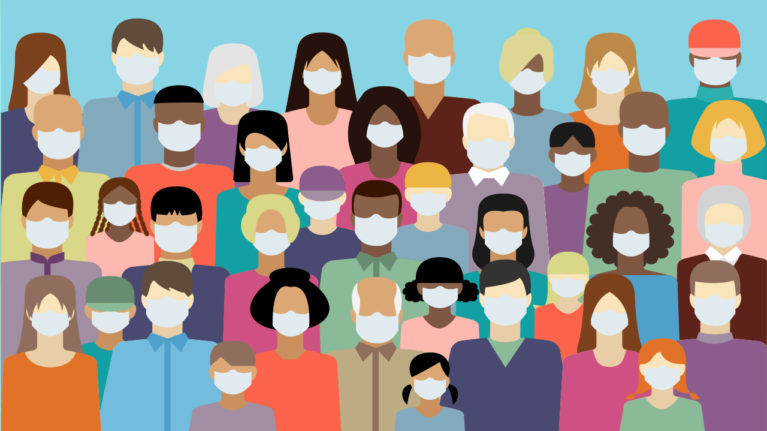
As everyone starts to go back to their lives before the pandemic it is important to recognize that some individuals will feel uncomfortable after being in quarantine for so long. Some people will most likely feel some amount of social anxiety when going back out. It is important to recognize that most people are going to feel anxious when returning back to normalcy. Most people will just feel these emotions a different degree. Social anxiety is more than just feeling nervous. It could occur when a person feels as though they are being judged or being put down by the people around them when that isn’t the case. This will be normal as people go back to socializing in any type of setting. One major issue society might have would be to relearn social behaviors. Some things that we previously would not have thought about doing became common actions for us during the pandemic. Things like making facial expressions under our masks or talking during a meeting because that is what we got used to doing, is not going to be acceptable behavior when one’s in person.

It is important not to rush into socializing in person. Start by having in-person meetings or work once or twice a week and slowly add more days after you are comfortable. If you have an event that you need to go to, try planning a solution in advance that will make you most comfortable to be there. You can also practice mindfulness and deep breathing exercises as a way to gain some control over your anxiety. However, what is most important is to realize that everyone is getting back to normalcy and that others will feel the same way as you do.

If you or someone you know is seeking therapy for social anxiety, please contact our psychotherapy offices in New York or New Jersey to talk to one of our licensed professional psychologists, psychiatrists, psychiatric nurse practitioners, or psychotherapists at Arista Counseling & Psychotherapy. Contact our Paramus, NJ or Manhattan, NY offices respectively, at (201) 368-3700 or (212) 722-1920 to set up an appointment. For more information, please visit http://www.counselingpsychotherapynjny.com/

Sources:

https://www.mprnews.org/story/2021/06/21/the-19th-explains-how-to-manage-postpandemic-social-anxiety

https://www.cedars-sinai.org/newsroom/managing-post-pandemic-social-anxiety/

https://tulsaworld.com/opinion/columnists/cartoon-post-pandemic-anxiety/article_453797b8-8804-11eb-a763-3371541a6ae8.html

Schizophrenia: The Debilitating Disease

Schizophrenia, one of the most debilitating of mental illnesses, is a serious mental disorder that affects the way one thinks, feels, and behaves. Typically first diagnosed around ages 20-25, Schizophrenia affects about 1% of the US population. Though it is uncommon, Schizophrenia may be genetic, making it a common issue in families who may suffer from it. If a parent has Schizophrenia, the child has a 10% chance of also developing it. 

Contrary to popular belief, Schizophrenia is NOT defined as multiple or split personalities but instead may include:

  • Positive Symptoms: (Those that are abnormally present)
    • Delusions
    • Hallucinations
    • Disorganized speech
    • Trouble thinking
    • Lack of motivation
  • Negative Symptoms: (Those that are abnormally absent)
    • Lack of pleasure
    • Inability to perform daily tasks
    • Becoming distant from friends and family

Unfortunately, there is no known cure for Schizophrenia. However, antipsychotic medications and injectables are available to help suppress symptoms and allow those suffering to live a normal life. Over the years of research we have found that Dopamine plays a large role and has a connection to Schizophrenia, which will hopefully lead to more information regarding the disorder. 

If you or a loved one is suffering from Schizophrenia, please contact Arista Counseling & Psychotherapy, located in New York and New Jersey to speak to licensed professional psychologists, psychiatrists, psychiatric nurse practitioners or psychotherapists. To contact the office in Paramus NJ, call (201) 368-3700. To contact the office in Manhattan, call (212) 722-1920. For more information, please visit http://www.counselingpsychotherapynjny.com/ .

Sources:

https://www.psychiatry.org/patients-families/schizophrenia/what-is-schizophrenia

https://psychcentral.com/schizophrenia/schizophrenia-overview

https://www.psychologytoday.com/us/conditions/schizophrenia

Photo Source:

https://www.psycom.net/schizophrenia

Borderline Personality Disorder and Bipolar Disorder; Distinguishing Between the Two

Borderline Personality Disorder and Bipolar Disorder; Distinguishing Between the Two

By: Stacey Rodriguez

Borderline Personality Disorder (BPD) and Bipolar Disorder (BD) have many overlapping symptoms, causing them to manifest similarly. BPD is characterized by a pattern of unstable emotion, behavior and self-image. Similarly, BD is marked by unusual and extreme shifts in energy and mood.

Mood swings in the context of BPD are more frequent, shorter lived, and triggered by situational factors; they are largely a product of a distorted perception of reality fueled by dysfunctional core beliefs. Contrastingly, manic and depressive episodes experienced by those with BD are not directly induced by external stimuli, but rather a result of chemical imbalances. These episodes last for a minimum of 7 days and can be intersected by symptom free periods. While impulsivity is a key marker in both, it is important to note that in bipolar disorder it occurs most frequently during periods of mania, whereas it is unrelated to mania in BPD.

A common correlation between the two disorders is family history. Though, history of trauma seems to be a distinguishing factor as it is most particular to BPD, whereas genetics seem to play a larger part in BP.

Though BPD and BD are distinctly separate, in some cases, they can co-occur. While being informed on the nature of these two disorders is beneficial, it is essential for an individual to seek help from a mental health specialist if either seem to be present.

If you or someone you know is seeking therapy for Bipolar Disorder or Borderline Personality Disorder, please contact our psychotherapy offices in New York or New Jersey to talk to one of our licensed professional psychologists, psychiatrists, psychiatric nurse practitioners, or psychotherapists at Arista Counseling & Psychotherapy. Contact our Paramus, NJ or Manhattan, NY offices respectively, at (201) 368-3700 or (212) 722-1920 to set up an appointment. For more information, please visit http://www.counselingpsychotherapynjny.com/

Sources: https://www.nami.org/Blogs/NAMI-Blog/June-2017/Borderline-Personality-Disorder-and-Bipolar-Disord

https://www.medicalnewstoday.com/articles/324375#diagnosis

Image Source: https://ibpf.org/how-to-know-if-you-have-bipolar-disorder-adhd-or-borderline-personality-disorder/

Eating Disorders; How Stress Impacts Eating Disorders

By: Jillian Hoff

Stressful situations often can cause individuals to lean on food to cope. When someone has an eating disorder any stressful situation could possibly be one of the triggers for them. It is known that these individuals tend to have an increased desire to binge eat or restrict their diet so that they can feel more in control. This sense of stability to them is a means of a stress reliever. While stress in itself is not healthy for a person, the result of an eating disorder also tends to create problems for a person’s health. Eating disorders can often cause the individual to have a constant worry about their weight and the food that they are eating. At times this constant worry could lead to anxiety, low self-esteem and even depression. It is important especially for individuals who suffer from an eating disorder to find other ways to cope with stress so that they can try to decrease the chance of either binging or restricting food.

Some ways they can cope would to be to have some type of social support system. This would be someone that the individual can talk to at any time whether it is for emotional or financial help. The individual can also choose to focus on calming strategies like meditation or breathing exercises.  Writing down positive messages to yourself would also be a good coping mechanism especially due to the negative thoughts that they might feel due to their eating disorder. Some lifestyle changes could also help. This would include practicing time-management skills so that one does not feel overwhelmed. Also, by trying something new each day it could be used as a way to get your mind off any stressors in your life.

If you or someone you know is seeking therapy for an eating disorder, please contact our psychotherapy offices in New York or New Jersey to talk to one of our licensed professional psychologists, psychiatrists, psychiatric nurse practitioners, or psychotherapists at Arista Counseling & Psychotherapy. Contact our Paramus, NJ or Manhattan, NY offices respectively, at (201) 368-3700 or (212) 722-1920 to set up an appointment. For more information, please visit http://www.counselingpsychotherapynjny.com/

Sources:

https://www.mirasol.net/learning-center/chronic-stress.php

https://www.webmd.com/mental-health/eating-disorders/binge-eating-disorder/stress-binge-eating-disorder

Burnout Syndrome: Causes, Symptoms & Strategies

Burnout Syndrome: Causes, Symptoms & Strategies

By: Stacey Rodriguez

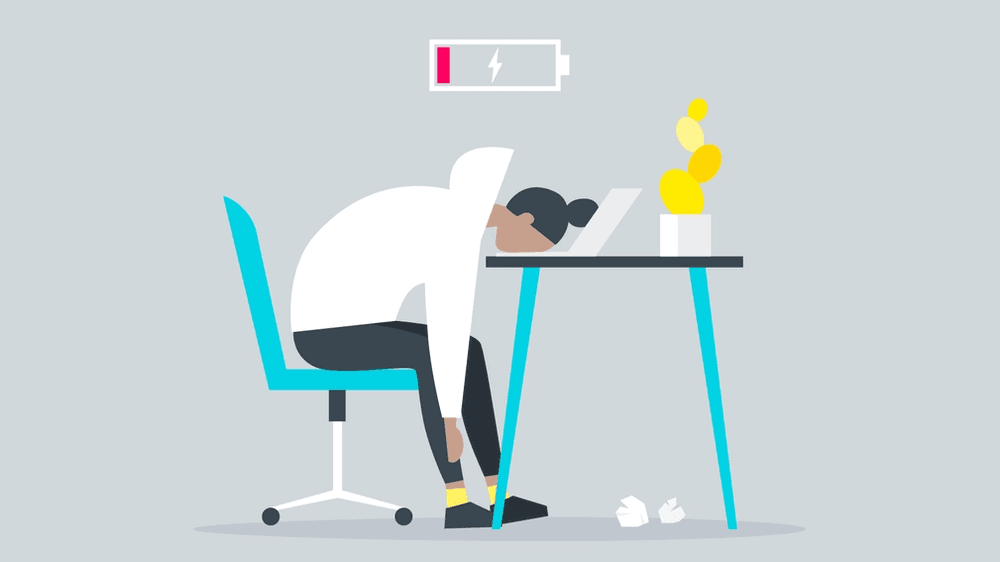
The term “burnout” has been a popular buzzword for the past several decades. In 2019, Burnout became officially been recognized as a syndrome by the World Health Organization (WHO). It is defined as a reaction to chronic occupational stress, however, lifestyle and personality traits often play a role in exacerbating this stress.

 Causes often include:

-Working in a high pressure environment

-Work is mundane or unchallenging

-Lack of recognition/reward

-Not spending enough downtime socializing or relaxing

-Perfectionist tendencies 

The syndrome is characterized by three dimensions: exhaustion, reduced professional efficiency, and cynicism (pessimistic views). These symptoms can manifest physically, emotionally, and behaviorally.

Common symptoms entail:

-Feeling exhausted most of the time

-Decreased satisfaction and sense of achievement

-Frequent headaches or muscle pain

-Changes in appetite or sleep habits

-Isolating yourself from family and friends

-Procrastinating essential tasks

On the surface, burnout may seem like regular stress, though there are several key differences which make the two fundamentally different. For example, stress involves over-engagement, urgency and hyperactivity. If chronic, stress often leads to anxiety disorders and a weakened immune system. On the other hand, burnout is characterized by the disengagement which follows a period of continuous stress, during which emotions are blunted; this produces feelings of helplessness and hopelessness which may lead to detachment and depression.

Now, during the Covid-19 Pandemic, the syndrome has become increasingly more common as the online workforce has melted the boundary between work and home. It’s more important now than ever to have strategies readily available to combat Burnout Syndrome.

Here are some strategies you can try from home:

-Reframe your outlook on work: focus on aspects of work that you enjoy, how your role helps others 

-Set boundaries! Learn how to say “no” so that you don’t overextend yourself

-Eat a healthy diet: minimize sugar, refined carbs, and overly processed food

-Exercise regularly! Try to aim for at least 30 minutes per day

If you or someone you know is seeking therapy for Burnout Syndrome, please contact our psychotherapy offices in New York or New Jersey to talk to one of our licensed professional psychologists, psychiatrists, psychiatric nurse practitioners, or psychotherapists at Arista Counseling & Psychotherapy. Contact our Paramus, NJ or Manhattan, NY offices respectively, at (201) 368-3700 or (212) 722-1920 to set up an appointment. For more information, please visit http://www.counselingpsychotherapynjny.com/

Source: https://www.verywellmind.com/stress-and-burnout-symptoms-and-causes-3144516

Image Source: https://www.google.com/url?sa=i&url=https%3A%2F%2Fwww.range.co%2Fblog%2Fhow-to-prevent-workplace-burnout-on-your-team&psig=AOvVaw2MHvFFbkjHJ9HYa6aqG51h&ust=1631384314382000&source=images&cd=vfe&ved=0CAsQjRxqFwoTCND30I2B9fICFQAAAAAdAAAAABAV

Borderline Personality Disorder (BPD): Understanding BPD and how to Appropriately Respond to Provocations as a Loved One

Living with Borderline Personality Disorder (BPD) not only affects the individual, but those with whom they have formed a relationship. Relationships are present and strong, but experience more turbulence due to key symptoms of BPD such as: intense reactions, self- doubt, extreme idolization or devaluation, fear of abandonment, mood swings, risky behaviors, etc. There is no one “cause” of a personality disorder like BPD, but studies show that patients with BPD come from families of severe pathology leading to their provocative behavior patterns.

People with BPD engage in provocative behaviors like making wild accusations, over- the- top demands, threatening suicide, etc., all with the intention of being invalidated by their counterparts as they have been their whole life. They feel invalidated (which fuels self- doubts) when they evoke one of three reactions from their counterpart: anxious helplessness, anxious guilt, or overt hostility. If these reactions are displayed, their poor behavior is rewarded and will continue, and feelings of self- doubt are reaffirmed.

When someone with BPD makes a wild accusation, resist invalidating them while disagreeing with the accusation. If they say, for example, “I can tell you hate me,” you can reply with, “I’m sorry you feel that way. I wish there was something I could do that would convince you I love you.” Here, you are disagreeing with the accusation while validating their feelings, and not showing one of the craved reactions. Their poor behaviors are thus not rewarded and feelings of self- doubt are not reaffirmed. Further, simply listen and be attentive. People with BPD most likely grew up being invalidated so they want to feel cared about. When talking to someone with BPD, incorporate the counseling technique “reflection of feelings”. This is defined by interpreting one’s feelings based on their verbal and nonverbal cues. When you’re able to interpret someone’s feelings, it demonstrates that you are paying attention and care, which is of utmost importance to someone with BPD.

If you or someone you know is seeking therapy for a codependent relationship, please contact our psychotherapy offices in New York or New Jersey to talk to one of our licensed professional psychologists, psychiatrists, psychiatric nurse practitioners, or psychotherapists at Arista Counseling & Psychotherapy. Contact our Paramus, NJ or Manhattan, NY offices respectively, at (201) 368-3700 or (212) 722-1920 to set up an appointment. For more information, please visit http://www.counselingpsychotherapynjny.com/

Sources:

https://www.nami.org/Personal-Stories/What-Is-BPD

https://www.psycom.net/personality-disorders/bpd-and-relationships/

https://www.psychologytoday.com/us/blog/matter-personality/201401/responding-borderline-provocations-part-iii

https://www.psychologytoday.com/us/blog/matter-personality/201403/responding-borderline-provocations-part-iv

https://www.psychologytoday.com/us/blog/matter-personality/201403/responding-borderline-provocations-part-v

https://www.psychologytoday.com/us/blog/matter-personality/201405/responding-borderline-provocations-part-vi

Drug Consumption Rose During COVID-19

By: Priya Desai

Coronavirus is a hard time for everyone and there has been a lot of adjusting to do. Many people turned to drugs and alcohol to deal with the stress, anxiety and depression that they were feeling. Due to this, there was an apparent increase in both quantity and how often people were using drugs during the pandemic. These coping mechanisms are only temporary and cannot fix the problems that people are actually facing.

Months after the pandemic started, there was a survey done in Florida to see how often drugs and alcohol are being used. Almost 80 percent of the participants reported using alcohol in the past month, over 35 percent reported using marijuana, and 10 percent of participants were using stimulant drugs. Along with this, overdoses have spiked since the pandemic began. The increase usage of drugs during the pandemic has occurred primarily among young adults. A few of the reasons for this are economic stress, boredom, general anxiety about the pandemic, fear of acquiring the virus, and loneliness.  With school being online and the stay-at-home act being in order, students had free time which resulted in them abusing substances. Instead of using drugs, people can find a hobby, whether it be painting, exercising, or baking. In addition, with classes being held virtual and jobs being lost due to the pandemic, young adults were worried and stressed. This resulted in an increased use of drug and alcohol in attempt to cope with the stress.

If you or someone you know is struggling with drug abuse caused by the pandemic please contact our psychotherapy offices in New York or New Jersey to talk to one of our licensed professional psychologists, psychiatrists, psychiatric nurse practitioners, or psychotherapists at Arista Counseling & Psychotherapy. Contact our Paramus, NJ or Manhattan, NY offices respectively, at (201) 368-3700 or (212) 722-1920 to set up an appointment. For more information, please visit http://www.counselingpsychotherapynjny.com/

Citations: https://www.psychologytoday.com/us/blog/social-instincts/202012/drugs-choice-in-the-era-covid-19

https://www.apa.org/monitor/2021/03/substance-use-pandemic

Image Citation: https://www.google.com/url?sa=i&url=https%3A%2F%2Fwww.therecoveryvillage.com%2Fmental-health%2Fstress%2Fsubstance-abuse%2F&psig=AOvVaw1hOPaFHRj0X49E6hcvbtEC&ust=1631200310612000&source=images&cd=vfe&ved=0CAsQjRxqFwoTCJC80e3U7_ICFQAAAAAdAAAAABAD

Codependency: Recognizing Toxic Behavior

  • Self-sacrifice
  • Hyper focusing on your partner
  • Idealizing your partner
  • Controlling behavior
  • An overwhelming fear of abandonment

People who find themselves in codependent relationships often have seemingly low self-esteem and poor interpersonal boundaries. These interpersonal issues make them susceptible to a need to please others and take responsibility for other people’s problems. The main issue with codependency is the inability to differentiate oneself as an individual in a relationship. A healthy dependent relationship does not mean you are no longer an individual, it simply means you will be there for each other in times of need, and will know when to say your partner is asking too much of you. However, if you find yourself constantly putting the needs of someone else before your own, you may be in a codependent relationship.

A mental health professional can offer help with codependency by:

  • Helping to recognize signs
  • Eliminating people-pleasing actions
  • Addressing co-morbid disorders such as depression or anxiety
  • Helping to rekindle your sense of self
  • Setting boundaries

If you or someone you know is seeking therapy for a codependent relationship, please contact our psychotherapy offices in New York or New Jersey to talk to one of our licensed professional psychologists, psychiatrists, psychiatric nurse practitioners, or psychotherapists at Arista Counseling & Psychotherapy. Contact our Paramus, NJ or Manhattan, NY offices respectively, at (201) 368-3700 or (212) 722-1920 to set up an appointment. For more information, please visit http://www.counselingpsychotherapynjny.com/

Sources:

https://www.psychologytoday.com/us/basics/codependency

https://psychcentral.com/lib/symptoms-signs-of-codependency#is-it-the-same-as-being-dependent

Image Source:

https://www.verywellmind.com/what-is-codependency-5072124

Vaping’s Tie to Mental Health

Vaping’s Tie to Mental Health

By: Jaylyn Senise

Vaping has become a recent craze, specifically within the teenage populations.   It has become more popular than even tobacco and marijuana. These vaping devices come in a range of different sizes and shapes, and the most popular of vapes include JUUL and different types of hookahs. Despite the admiration, vaping comes with a plethora of potential risks. The majority of these risks involve physical attributes such as lung disorders and general wellbeing. Oftentimes, this is all that is noticed, while the mental health detriments that become present with vaping are overlooked.

Vaping devices contain nicotine which alters the brain pathway. The synapses, which are the brain cells connections, become formed abnormally due to the nicotine. According to an article written on the National Institute of Health (NIH) website, synaptic dysfunction has been found to be a “casual factor for neuropsychiatric diseases.”   In addition, because the nicotine content of vaping devices is significantly higher than the typical combustible cigarettes, it becomes easier to generate dependence on it.  Dependence to vaping has been found to be associated with impulsivity, mood disorders, anxiety, suicidality and depression; the effect is even higher with adolescent teens.  These devices also have long term effects on mental health. For those with mental health disorders, vaping can exacerbate them due to the interruption of the cerebral dopamine pathway. In turn, this heightens the depressive symptoms.

Those who want to quit vaping should ask a healthcare professional for assistance. To manage nicotine withdrawal, the individual should build a quit plan to better organize and maintain a system, stay hydrated, get a consistent sleep schedule, and try to get support from friends and family. This will help keep the individual accountable. Quitting vaping may seem like a long and laborious process, but the negative health consequences that vaping incurs make the issue urgent.

If you or someone you know is struggling with a nicotine addiction, please contact our psychotherapy offices in New York or New Jersey to talk to one of our licensed professional psychologists, psychiatrists, psychiatric nurse practitioners, or psychotherapists at Arista Counseling & Psychotherapy. Contact our Paramus, NJ or Manhattan, NY offices respectively, at (201) 368-3700 or (212) 722-1920 to set up an appointment. For more information, please visit http://www.counselingpsychotherapynjny.com/

Sources:

https://www.webmd.com/connect-to-care/vaping/what-is-vaping

https://www.ncbi.nlm.nih.gov/pmc/articles/PMC5793422/

Vaping and mental health: What’s the connection?

https://teen.smokefree.gov/quit-vaping/vaping-addiction-nicotine-withdrawal

Image Source

https://www.google.com/url?sa=i&url=https%3A%2F%2Fwww.slingshothealth.com%2Fblog%2F2019%2F04%2F02%2Fis-vaping-worse-than-smoking-the-facts-may-surprise-you%2F&psig=AOvVaw2ZjdYeeLqUE7KTb6ktmgBF&ust=1625928050216000&source=images&cd=vfe&ved=0CAoQjRxqFwoTCPjKt5ec1vECFQAAAAAdAAAAABAD