March: National Self-Injury Awareness Month

March: National Self-Injury Awareness Month

By: Julia Massa

March is self-injury awareness month. Raising awareness educates those who do not self-harm and reaches out to those who do.

Self-injury or self-harm is characterized by hurting oneself on purpose to release painful emotions, process or distract themselves from their negative feelings, feel something when feeling numb, punish themselves, or develop a sense of control in their life. Self-harm can manifest differently for everyone, including cutting, scratching, burning, carving words into the skin, punching oneself, piercing skin with sharp objects, pulling out hair, or picking at existing wounds. Due to the stigma and shame that surrounds self-injury; many people do not report it. The current self-injury prevalence from statistics in over 40 countries explains that 17% of people partake in self-harm throughout their lifetime and the average age an individual begins to self-harm is 13. 50% of people seek help from friends, but do not commonly seek professional help. Cutting is the most commonly used form, with 45% resorting to cutting to relieve their pain. Since 2009, there has been a 50% increase in reported self-injury among young females.

Warning signs of self-harm include scars, fresh cuts, burns, scratches, bruises, wearing long sleeves or pants even in hot weather, impulsiveness, rubbing an area repeatedly to create a burn, having sharp objects on hand, questioning personal identity, and feelings of worthlessness. Self-harm can cause permanent scars, uncontrollable bleeding that can result in death, infection, addiction to the behavior, shame or guilt, avoiding friends and loved ones, becoming ostracized from loved ones who do not accept or understand the behavior, and interpersonal difficulty from lying to others about their injuries.

With the devastating consequences of self-harm and rates significantly increasing, it is important to advocate for those suffering to try to prevent them from engaging in these behaviors. Additionally, resorting to therapy to treat the underlying cause, such as overwhelming feelings and mood disorders, and finding better ways to cope may be the most effective route for those suffering from self-injury to take. For some, art therapy may help people process emotions and grab a marker instead of a sharp object. Individuals suffering can also text the crisis text line at 741741 when impulses to self-harm come on suddenly.

If you or someone you know is engaging in self-harm, please contact our psychotherapy offices in New York or New Jersey to talk to one of our licensed professional psychologists, psychiatrists, psychiatric nurse practitioners, or psychotherapists at Arista Counseling & Psychotherapy. Contact our Paramus, NJ or Manhattan offices respectively, at (201) 368-3700 or (212) 722-1920 to set up an appointment. For more information, please visit http://www.counselingpsychotherapynjny.com/

https://www.crisistextline.org/topics/self-harm/#what-is-self-harm-1

https://www.nami.org/About-Mental-Illness/Common-with-Mental-Illness/Self-harm

Depression and Anxiety Post Retirement

By: Ashley Marron

While many people look forward to retirement and its freedom, it can also trigger anxiety, stress, and depression. In fact, the chance of a person facing clinical depression increases by 40% after retirement. People tend to give lots of thought when planning their retirement; whether it’s traveling the world, pursuing new hobbies, or spending more time with family and friends. However, they often overlook the psychological impact of retiring from work. While many new retirees find retiring to be a great relief from escaping the daily grind, they also find that after several months they may miss the sense of identity, meaning, and purpose that came with their job. They lose the structure that their job gave their days, as well as the social-aspect of having co-workers. Retirees may now feel bored and isolated, rather than free, relaxed and fulfilled. They may even grieve the loss of their old life, and feel stressed or worried about how they will now spend the future.

Retiring is a major life change, and it can seriously take a toll on one’s mental health. Seeking help from a professional can help provide coping mechanisms with these challenges of retirement. Therapy can also help in the treatment of depression and anxiety. There are certainly healthy ways to adjust to this new chapter in your life, and it should be an exciting time, not a negative experience. Therapy can help to ensure that your retirement is both rewarding and happy.

If you or someone you know is seeking therapy for depression or anxiety, please contact our psychotherapy offices in New York or New Jersey to talk to one of our licensed professional psychologists, psychiatrists, psychiatric nurse practitioners, or psychotherapists at Arista Counseling & Psychotherapy. Contact our Paramus, NJ or Manhattan, NY offices respectively, at (201) 368-3700 or (212) 722-1920 to set up an appointment. For more information, please visit http://www.counselingpsychotherapynjny.com/          

Sources

https://www.msn.com/en-us/health/wellness/post-retirement-depression-recognizing-the-signs/ss-BB1fWAss

Image Source

https://www.msn.com/en-us/health/wellness/post-retirement-depression-recognizing-the-signs/ss-BB1fWAss

The Rise of Eating Disorders in Men

The Rise of Eating Disorders in Men

By: Michaela Reynolds

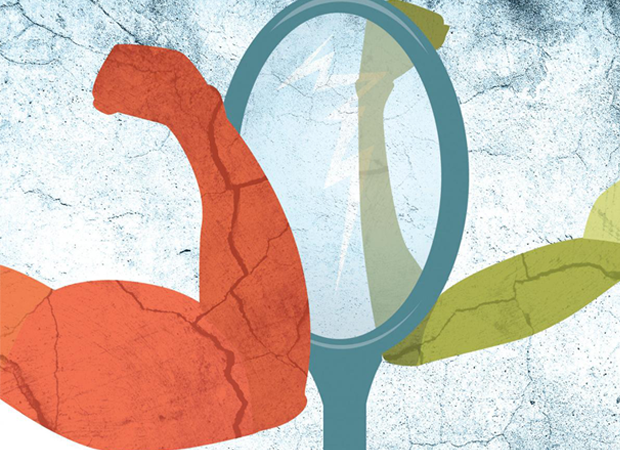
Eating disorders are commonly known to only occur in women and are associated with the desire of wanting to be thin; however, eating disorders still occur in men and look vastly different from the presentation in women. Men are not looking to be thinner, but instead are trying to get muscular and bulk up. Therefore, weight-loss behaviors usually do not apply to them. Masculine body ideals are influencing men to diet and exercise in distinctly different ways than are present in women.

Researchers proposed that the most common eating disorders in men are muscularity or muscle dysmorphia, also known as reverse anorexia. The core symptom of muscle dysmorphia is the fear of not being muscular enough. Behaviors associated with this fear include compulsive exercising, disordered eating that include protein supplements and restrictive eating, and the use of enhancing drugs and steroids. Seeking treatment can be difficult but if left untreated, the eating disorder can cause emotional damage that can lead to serious physical consequences. Due to the emotional, mental, and physical damages of body dysmorphia and reverse anorexia, interventions are crucial so they can lead to a normal life. Intervention allows a male to properly heal from their eating disorder. Also, it is important to note that there is a low awareness of eating disorders in men. Public awareness needs to come in focus as eating disorders cause many dangers.

If you or someone you know appears to be suffering from an eating disorder, please contact our psychotherapy offices in New York or New Jersey to talk to one of our licensed professional psychologists, psychiatrists, psychiatric nurse practitioners, or psychotherapists at Arista Counseling & Psychotherapy. Contact our Paramus, NJ or Manhattan, NY offices respectively, at (201)368-3700 or (212)722-1920 to set up an appointment. For more information, please visit http://www.counselingpsychotherapynjny.com/.

Sources:

https://www.healthline.com/health/eating-disorders/eating-disorders-in-men#What-do-eating-disorders-in-men-look-like?

https://www.verywellmind.com/male-eating-disorders-4140606

https://renewedsupport.org/nedawareness-week-reverse-anorexia/Rise of Eating Disorder in Men

Image:

The Effects of Agoraphobia

The Effects of Agoraphobia

By: Michaela Reynolds

Agoraphobia is an anxiety disorder that causes an individual to feel an intense fear of being overwhelmed, unable to escape, or unable to get help. Due to this intense fear and anxiety, people will often avoid new places and unfamiliar situations. New places or unfamiliar situations include: open or enclosed spaces, places outside their home, crowds, and public transportation. Usually, Agoraphobia begins with a stressful event that makes an individual feel distressed and in turn, limits their contact with the world. This limitation of contact causes avoidant-behaviors with time the individual remains confined to their home. Agoraphobia is also caused by a stressful life event that triggers a panic attack. Due to the unpleasantness of panic attacks, the individuals will avoid any place or situation that will trigger another panic attack. These instances show that agoraphobia develops over time, rather than happening all at once.

The signs of agoraphobia are similar to a panic attack disorder, but the following symptoms can still occur:

  • Chest pain or rapid heart rate
  • Upset stomach
  • Dizziness or lightheadedness
  • Sudden chills or flushing
  • Fearfulness
  • Hyperventilation
  • Excessive sweating

If you or someone you know is struggling with agoraphobia, please contact our psychotherapy offices in New York or New Jersey to talk to one of our licensed professional psychologists, psychiatrists, psychiatric nurse practitioners, or psychotherapists at Arista Counseling & Psychotherapy. Contact our Paramus, NJ or Manhattan, NY offices respectively, at (201) 368-3700 or (212) 722-1920 to set up an appointment. For more information, please visit http://www.counselingpsychotherapynjny.com

Sources:

https://my.clevelandclinic.org/health/diseases/15769-agoraphobia

https://www.betterhealth.vic.gov.au/health/conditionsandtreatments/agoraphobia#complications-of-agoraphobia

 Image: https://www.rismedia.com/2020/11/05/are-you-agraid-you-might-have-agoraphobia/

Social Media: How Social Media Use Impacts Mental Health

Social Media: How Social Media Use Impacts Mental Health

By Celine Bennion

As you scroll through Instagram, Snapchat, Twitter, or LinkedIn, it may seem as though everyone you know uses at least one popular social media platform to share and connect with others. Social interaction is a key element for proper functioning and survival of humans. With modern technology, people can stay connected even when separated by physical distance, especially through social media. Despite their ability to maintain vital connections, social media platforms are known to engender mental health issues such as depression and anxiety, as well as overall negative feelings in users.

As social media has gained popularity, more individuals find themselves bypassing face-to-face social interactions and scrolling through social media profiles instead. This lack of genuine social connection can create feelings of loneliness, increasing the likelihood of users developing mental health issues. Additionally, social media platforms can harm one’s self identity, creating pressure to live up to others’ expectations or perceptions.

Social media is a stage for constant comparison to others. Whether it is related to appearance, materialistic items, or personal accomplishments, users can easily find themselves longing for what others possess. Modern editing software that enables users to easily distort their features in photos creates an unrealistic basis of comparison for those who believe this appearance is natural. Additionally, it is very uncommon for users to post about negative events in their lives, creating a false perception of a “perfect life” as others view their profile.

If social media is often causing individuals to feel bad, why do they continue using it? A major contributor to continued social media usage is the fear of missing out, or FOMO. FOMO occurs when individuals feel that they may miss out on connections such as jokes, invitations, and connections. This fear can cause significant anxiety, especially for those who thrive off of connection with others. Additionally, biological implications are involved in users’ attraction to social media platforms. The continuous presentation of novel content triggers the release of dopamine in the brain, a neurotransmitter that elicits feelings of pleasure. This fluctuation in dopamine levels leaves users craving the pleasurable feelings associated with scrolling, giving social media an addictive nature.

As you scroll through social media platforms, it is important to be mindful of the content you are consuming and discontinue interaction with content that causes negative feelings to arise.

If you or someone you know is seeking therapy, please contact our psychotherapy offices in New York or New Jersey to talk to one of our licensed professional psychologists, psychiatrists, psychiatric nurse practitioners, or psychotherapists at Arista Counseling & Psychotherapy. Contact our Paramus, NJ or Manhattan, NY offices respectively, at (201) 368-3700 or (212) 722-1920 to set up an appointment. For more information, please visit http://www.counselingpsychotherapynjny.com/

Sources:

https://www.mcleanhospital.org/essential/it-or-not-social-medias-affecting-your-mental-health

https://www.ncbi.nlm.nih.gov/pmc/articles/PMC7364393/

https://lancastergeneralhealth.org/health-hub-home/2021/september/the-effects-of-social-media-on-mental-health

https://www.timesrecordnews.com/story/news/2021/10/15/challenge-offers-2-500-stay-off-social-media/8469387002/ (photo)

Suicide Grief

Suicide Grief

By: Michaela Reynolds

Losing a loved one by suicide can be overwhelming and heart wrenching. Grief in response to suicide can be complicated. You may be consumed with guilt and wonder to yourself if you could have done something to prevent their death. Feelings of anger, shame, guilt, regret and blame are very common, but it can make it hard for you to talk about their death due to stigma that is associated with it. It is important to note that there is NO right way to grieve losing a loved one to suicide!

In the aftermath, you may feel like you will never enjoy life again. To be honest, you may always wonder why it happened and experience reminders that can trigger painful feelings. However, the intensity of your grief will fade as time goes on but will probably never fully pass. In the meantime, it is beneficial for you to adopt healthy coping mechanisms. Such as:

  • Keep in touch with loved ones, friends, and other supporters
  • Don’t rush yourself
  • Consider a support group for families affected by suicide
  • Grieve in your own way
  • Expect setbacks
  • Be prepared for painful reminders

It important for you to understand the following: You should accept that some things are beyond your control, separate responsibility from blame, and understand that anyone can miss the warning signs.

If you are someone or you know someone who appears to be suffering from suicide grief, please contact our psychotherapy offices in New York or New Jersey to talk to one of our licensed professional psychologists, psychiatrists, psychiatric nurse practitioners, or psychotherapists at Arista Counseling & Psychotherapy. Contact our Paramus, NJ or Manhattan, NY offices respectively, at (201)368-3700 or (212)722-1920 to set up an appointment. For more information, please visit http://www.counselingpsychotherapynjny.com/.

Sources:

https://www.mayoclinic.org/healthy-lifestyle/end-of-life/in-depth/suicide/art-20044900

https://www.beyondblue.org.au/the-facts/suicide-prevention/after-a-suicide-loss/suicide-and-grief#:~:text=Grief%20in%20response%20to%20suicide,the%20stigma%20associated%20with%20suicide.

Image:

Trauma Related Dissociation

Trauma Related Dissociation

By: Julia Rzadkowska

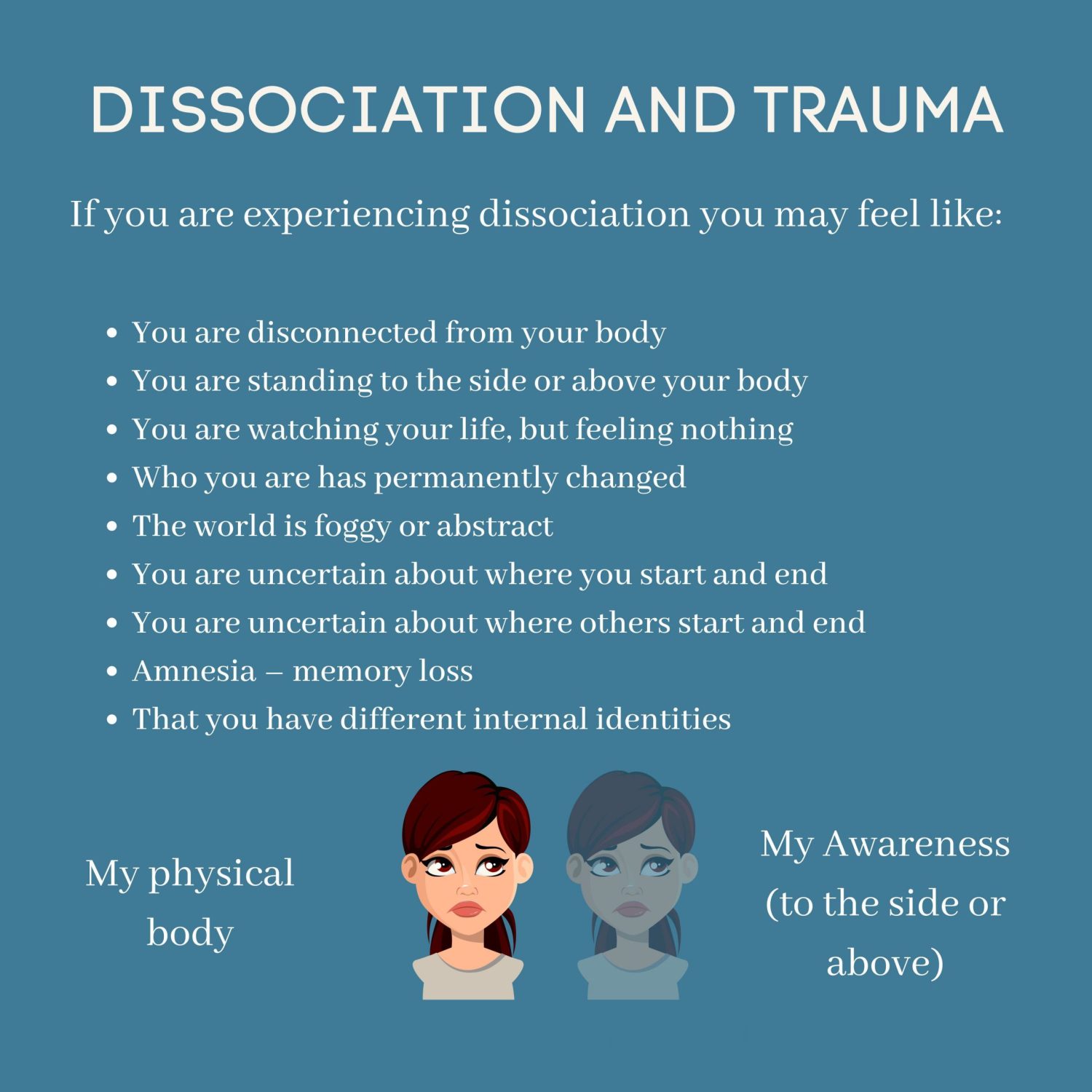
Dissociation is when you completely disconnect from reality or even your identity. When people dissociate they detach from their thoughts, feelings, memories, behaviors, and physical sensations. Dissociation is a way some people’s bodies respond to a perceived threat or traumatic event such as abuse, or prolonged exposure to a traumatic situation or emotion. Dissociation can be looked at as a mental escape, when physical escape is not possible in a certain situation. Dissociation can affect memory, the sense of one’s identity, the way the world is perceived, along with the connection to the physical body.

At the time of trauma or overwhelming distress dissociation may be helpful. However, dissociation does not always have to occur in the presence of traumatic events. Following trauma, a trigger my cause the person to dissociate. These triggers may be completely nonthreatening to others, however, for some specific reason they cause this person negative emotions and overwhelming feelings, causing dissociation as a defense mechanism.  The body may dissociate often in times when it is not helpful, which can negatively impact someone’s life. This can cause people to have difficulty learning in school, remembering events in their life, or feeling connected in their personal relationships.

This type of problematic dissociative experience can become very confusing and hard to understand for the person. If you believe dissociation is having a negative impact on your life it is important to find someone you are comfortable talking to.

If you or someone you know is seeking therapy for Trauma Related Dissociation, please contact our psychotherapy offices in New York or New Jersey to talk to one of our licensed professional psychologists, psychiatrists, psychiatric nurse practitioners, or psychotherapists at Arista Counseling & Psychotherapy. Contact our Paramus, NJ or Manhattan, NY offices respectively, at (201) 368-3700 or (212) 722-1920 to set up an appointment. For more information, please visit http://www.counselingpsychotherapynjny.com/  

Sources:

https://www.orygen.org.au/Training/Resources/Trauma/Fact-sheets/Dissociation-trauma/Orygen_Dissociation_and_trauma_in_young_people_fac?ext=.

https://www.isst-d.org/public-resources-home/fact-sheet-iii-trauma-related-dissociation-an-introduction/

February: Teen Dating Violence Awareness and Prevention Month

By: Julia Massa

Teen dating violence, also known as intimate partner violence or intimate relationship violence, affects one in three teenagers, ages 12 to 19 nationwide. This population is likely to experience physical, sexual, or emotional abuse from their partner before entering adulthood. The abuse can take many forms including stalking, harassment, or physical or sexual abuse. In fact, 10% of adolescents report being a victim of physical violence prior to experiencing sexual assault or rape. Girls are more vulnerable to experience violence in their relationships and are likely to develop suicidal ideations, eating disorders, or use drugs. In addition, adolescents are likely to carry these behaviors into future relationships.

The month of February signifies the undying efforts to raise awareness for teen dating violence by promoting advocacy and education to younger individuals so that they can notice the red flags and escape potential abuse from a partner. This year’s theme for Teen Dating Violence Awareness and Prevention Month is “Talk About It,” which encourages younger individuals to participate in conversations differentiating both healthy and unhealthy relationships. It is important to note that this is an issue that affects not only teenagers, but their families, friends, and the community as a whole. Many cases go unreported since victims are hesitant and scared to open up to their family or peers about it.

Safety planning guides, participating in the That’s Not Cool Ambassador Program, attending webinars, supporting youth led projects, and advocating through social media platforms are various ways an individual can spread awareness and enhance their knowledge on ways to help victims notice patterns of abuse. On February 8th, it is encouraged to wear orange to show victims that they have our support and attention. Love is Respect.

If you or someone you know is struggling with being in an abusive relationship, please contact our psychotherapy offices in New York or New Jersey to talk to one of our licensed professional psychologists, psychiatrists, psychiatric nurse practitioners, or psychotherapists at Arista Counseling & Psychotherapy. Contact our Paramus, NJ or Manhattan, NY offices respectively, at (201) 368-3700 or (212) 722-1920 to set up an appointment. For more information, please visit http://www.counselingpsychotherapynjny.com/

Sources:

https://youth.gov/feature-article/teen-dating-violence-awareness-and-prevention-month

Image Source:

Accessibility: “Telemental” Health Care

Accessibility: “Telemental” Health Care

By Celine Bennion

At the onset of the COVID-19 pandemic, mental health care providers were forced to make changes that would allow them to continue seeing patients while maintaining safety guidelines. Thus, the implementation of Telehealth and other platforms skyrocketed! These resources allow providers to connect with patients by video conferences or phone calls when they cannot be in the same location. Therefore, they can conduct therapy and psychiatric counseling sessions similar to those that are done in-person.

Despite the initial intent to use Telehealth as a temporary solution in the midst of a pandemic, many providers plan to continue using the platform. Several benefits surfaced during the first months of necessity for both providers and patients. For example, Telehealth sessions remove the need for transportation, making treatment more accessible to patients, especially those with frequent conflicts (childcare, work, etc.) or those who live a considerable distance away from a preferred provider.

Providers have also noted that many patients, especially children, feel more comfortable participating in therapy sessions online. In a familiar setting, such as their home, patients may feel more comfortable sharing their thoughts, leading to greater treatment progress. Additionally, virtual appointments allow therapists to gain insight into a patient’s home life and environment, including relationships with other members of the household. This access can give clues in determining information that may not be easily stated by the patient, such as domestic abuse.

Telehealth and other virtual health care platforms became popular out of necessity but will continue to affect mental health care long after the COVID-19 pandemic concludes.

If you or someone you know is seeking therapy via Telehealth, please contact our psychotherapy offices in New York or New Jersey to talk to one of our licensed professional psychologists, psychiatrists, psychiatric nurse practitioners, or psychotherapists at Arista Counseling & Psychotherapy. Contact our Paramus, NJ or Manhattan, NY offices respectively, at (201) 368-3700 or (212) 722-1920 to set up an appointment. For more information, please visit http://www.counselingpsychotherapynjny.com/

Sources:

https://www.nami.org/Advocacy/Policy-Priorities/Improving-Health/Telehealth

Mental Health Care Was Severely Inequitable, Then Came the Coronavirus Crisis

https://khn.org/news/article/no-cancel-culture-how-telehealth-is-making-it-easier-to-keep-that-therapy-session/ (photo)

Helping Children Deal with Grief

Helping Children Deal with Grief

By: Michaela Reynolds

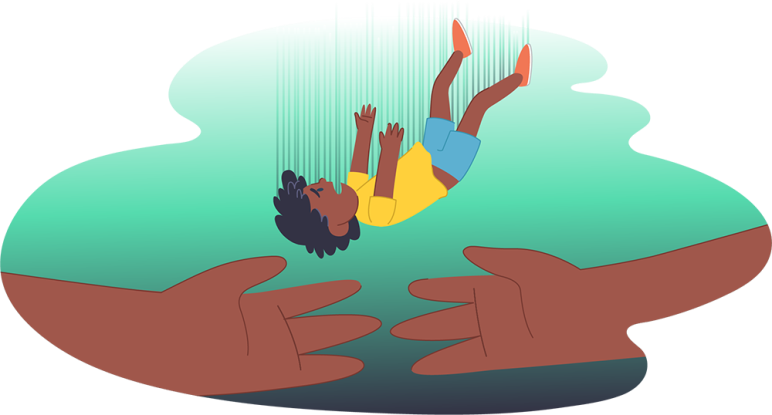
Losing a loved one is inevitable and can be one of the most difficult times in life. Sadly, you cannot protect your children from the pain of the loss, but you can help them build healthy coping skills. The grieving process will look different to everyone, but it is especially different with children compared to adults. For example, preschool children will most likely view death as temporary and reversible. This is because cartoon character’s death in TV shows or movies usually will die and come back to life. While children between the ages of 5-9 will start to think of death like adults do. However, they will view death as rare and not something that will happen to them.

It is important to help the child express feelings about the death. A way to do this is by reading the child books about death, telling stories or looking at pictures of the person who died. It is also important for you to express your own sadness and make them aware that it is okay to be sad at this time. Offer your support and comfort when you can, while also encouraging them to ask any questions or talk about their feelings.

It is normal that the following weeks after the death for the child to feel immediate grief or believe that the person is still alive. However, long-term denial or avoidance of grief can be unhealthy and can lead to severe future problems.

Signs of children experiencing serious problems with grief:

  • Extended period of depression: a child loses interest in daily activities
  • Loss of appetite, inability to sleep, and prolonged fear of being alone
  • Excessive imitation of the person who died
  • Acting much younger for an extended period of time
  • Believing they are talking to or seeing the person who died
  • Withdrawal from friends
  • Sharp drop in school performance or refusal to attend

If these signs persist, please seek professional help; a child and adolescent mental health professional will be able to help your child accept and properly grieve the death.

If you or someone you know is seeking therapy for the loss of a loved one, please contact our psychotherapy offices in New York or New Jersey to talk to one of our licensed professional psychologists, psychiatrists, psychiatric nurse practitioners, or psychotherapists at Arista Counseling & Psychotherapy. Contact our Paramus, NJ or Manhattan, NY offices respectively, at (201) 368-3700 or (212) 722-1920 to set up an appointment. For more information, please visit http://www.counselingpsychotherapynjny.com/  

Sources:

https://childmind.org/article/helping-children-deal-grief/

https://www.aacap.org/AACAP/Families_and_Youth/Facts_for_Families/FFF-Guide/Children-And-Grief-008.aspx

Image: https://kidshelpline.com.au/parents/issues/supporting-child-through-grief-and-loss