College Stress

By: Charleene Polanco

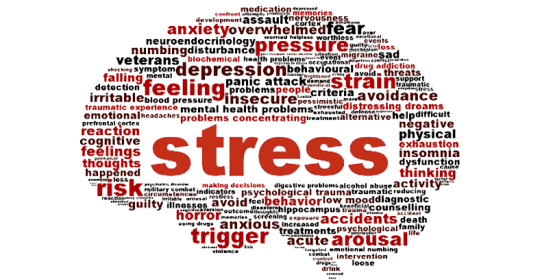
Change is a natural part of life. Some people gladly welcome change and growth, while others tend to panic when the stability of what they are used to is gone. College is one of the biggest transitions a person can experience, because it is a time for independence. Leaving the safety of your house, parents, and friends is necessary to have new experiences and make connections. College introduces a change in lifestyle, greater workload, different responsibilities, and new relationships. With all of these changes, many students experience college stress because they are unable to effectively handle the different aspects of their lives. College stress is more common than we think, with six out of ten students experiencing stress to the point of it becoming detrimental to their college lives. The symptoms of college stress include headaches, fatigue, depression, anxiety, and an inability to cope.  The more serious symptoms of college stress are suicidal thoughts, drug/alcohol abuse, social withdrawal, physically violent outbursts, and uncontrollable crying.

Since stress is so prevalent among college students, there are many tips available to help reduce and cope with stress. It is recommended that college students seek out stress management resources. On college campuses, there are many resources available to students, which can help them manage their lives. Counseling services are one of the many resources designed to hear student’s problems and provide them with solutions. If a person is uncomfortable with contacting counseling services, they can start out by talking to a trusted friend, advisor, or family. However, if you are experiencing the more serious symptoms of college stress, it is highly encouraged that you seek out counseling services or other professional resources.

If you or someone you know is suffering from college stress, please contact our psychotherapy offices in New York or New Jersey to talk to one of our licensed professional psychologists, psychiatrists, psychiatric nurse practitioners, or psychotherapists at Arista Counseling & Psychotherapy. Contact our Paramus, NJ or Manhattan, NY offices respectively, at (201) 368-3700 or (212) 722-1920 to set up an appointment. For more information, please visit http://www.counselingpsychotherapynjny.com/.

Sources:

NYU. “Stress.” Stress, NYU, www.nyu.edu/life/safety-health-wellness/live-well-nyu/priority-areas/stress.html

“Student Guide to Balancing Stress.” Best Colleges, Best Colleges , 28 June 2018, www.bestcolleges.com/resources/balancing-stress/.


 

Anxiety: Test Anxiety

By: Charleene Polanco

Have you ever had a moment of extreme panic, right before the beginning of a test? How about feeling like you are about to faint, or excessive sweat during an exam? If these symptoms describe your test-taking experience, then you might be suffering from test anxiety.

Test anxiety is defined as a psychological condition where people experience severe distress and anxiety during exams. Some causes of test anxiety are fear of failure and lack of preparation. A fear of failure can result from wanting to perform well. One who associates their self-worth with a test’s outcome, can feel devastated when the grade is not what he or she expected. This creates a vicious cycle, where because the person is afraid of feeling worthless, when they fail, they become anxious while taking the exam.  As a result, their performance level on tests drops. Lack of preparation is another cause of test anxiety, which occurs when students do not study properly for an exam. For those who like to wait until the night before an exam, to cram five chapters worth of information into their brain, tests are a constant source of anxiety and stress.

Symptoms of test anxiety can be split up into three categories; physical, emotional, and behavioral/cognitive symptoms. Some physical symptoms include headaches, nausea, excessive sweating, and rapid heartbeat. Emotional symptoms can be expressed as feelings of anger, fear, helplessness, and disappointment.  Behavioral/cognitive symptoms are difficulty concentrating and negative thinking.

To help manage test anxiety, here are some tips;

  • Properly prepare for exams
  • Develop good test-taking skills
  • Engage in relaxation techniques, like taking deep slow breaths
  • Keep a positive mindset

If you or someone you know is suffering from test anxiety, please contact our psychotherapy offices in New York or New Jersey to talk to one of our licensed professional psychologists, psychiatrists, psychiatric nurse practitioners, or psychotherapists at Arista Counseling & Psychotherapy. Contact our Paramus, NJ or Manhattan, NY offices respectively, at (201) 368-3700 or (212) 722-1920 to set up an appointment. For more information, please visit http://www.counselingpsychotherapynjny.com/.

Source:

“Test Anxiety.” Anxiety and Depression Association of America, ADAA, Anxiety and Depression Association of America , 2018, adaa.org/living-with-anxiety/children/test-anxiety

Stress: The Detrimental Effects of Stress on the Body

By: Charleene Polanco

Stress is something that everyone experiences at some point in their lives. Stress is defined as a physical, mental, or emotional strain or tension, and whether it is about taking a final exam for class, going off to college for the first time, or work-related, stress can affect the way we perform. If gone unchecked, stress can lead to a variety of negative consequences on the body, which will be discussed. Stress has been linked to a number of physical and emotional disorders, like depression, anxiety, heart attacks and stroke. A constant high level of stress, can lead to immune system disturbances, which can cause an increase in your body’s susceptibility to infections. Stress can also have direct effects on the skin leading to rashes and hives.

Unlike rashes and hives, which are visible, stress can affect various systems, organs, and tissues within the body, signs that are not seen, and are, therefore, much harder to notice. Some parts of the body affected by stress are the nervous and cardiovascular systems. When stressed, the nervous system signals the body’s adrenal glands to secrete adrenalin and cortisol. Since both of these hormones cause high blood pressure, a person who is under constant stress, also has elevated blood pressure which can lead to heart problems in the future. Even if a stress episode is considered to be minor, repeated minor stress episodes can negatively impact a person’s cardiovascular system by causing inflammations in the coronary arteries. This can eventually cause heart attacks. In order to prevent the negative consequences of untreated high levels of stress, it is important to recognize the symptoms. There are multiple symptoms of stress, some of which include, frequent headaches, cold hands/feet, dry mouth, heartburn, depression, forgetfulness, and rapid or mumbled speech.

If you or someone you know is suffering from stress, please contact our psychotherapy offices in New York or New Jersey to talk to one of our licensed professional psychologists, psychiatrists, psychiatric nurse practitioners, or psychotherapists at Arista Counseling & Psychotherapy. Contact our Paramus, NJ or Manhattan, NY offices respectively, at (201) 368-3700 or (212) 722-1920 to set up an appointment. For more information, please visit http://www.counselingpsychotherapynjny.com/.

Source:

“Stress Effects.” Common Signs and Symptoms of Stress, The American Institute of Stress, 4 Jan. 2017.

Mindfulness: Why We Should All Practice It

By: Sanjita Ekhelikar

We live in a time when everyone is either living in the past or future. Being in the moment, or living in the present, seems to be a concept foreign to so many of us. By not living in the current moment, we are simply ensuring a life filled of stresses and regrets. How can we better learn to focus on the present?

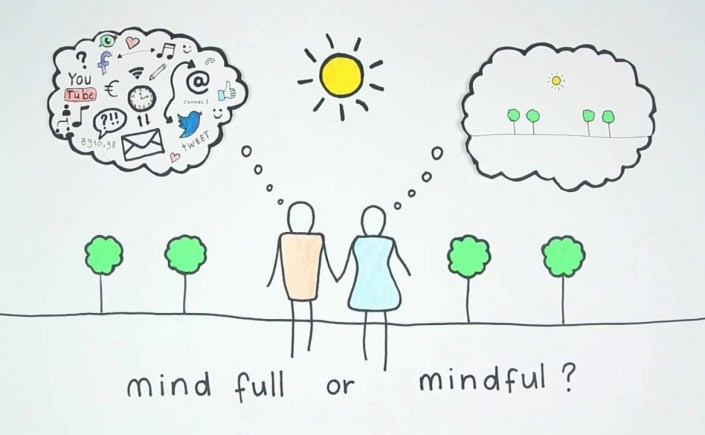
Mindfulness means being aware of our surroundings, our body, our feelings, and thoughts in the moment. It involves recognizing and accepting our thoughts or sensations for what they are in a given moment without any judgment or negative perceptions. The practice of mindfulness gives our minds the chance to tune into the present.

It is critical for all of us to learn to practice mindfulness and how to be in the present. This will help us to avoid living a stressful life. This technique helps us learn to relax, be calm, and appreciate the present. Learning to practice mindfulness does not involve any major changes we need to make to our lives – simply setting aside a few minutes to be aware of ourselves and surroundings can have long term benefits. Here are some examples of mindful exercises we can all strive to implement in our daily lives:

  1. Mindful Breathing: Stand or sit down in a comfortable position and focus your thoughts and energy on your breath. Breathe in through your nose and out of your mouth. Be aware of only your breathing, and let go of your thoughts, letting them come and go as they pass.
  2. Mindful Observing: Look at any object in your surroundings/environment and focus solely on the object for a few minutes. Take a moment to notice every possible aspect of the object, including its color, shape, movement, features, and how it changes. Your mind will be focused on this object and will enable you to relax.
  3. Mindful Listening: Close your eyes and take a moment to listen to all of the sounds in your surroundings. Try to identify as many sounds as you can possibly hear and describe them. This allows your mind to again focus on something in the current moment instead of the thoughts in your mind.

If you or someone you know is suffering from stress or anxiety and wants to learn how mindfulness can help you, please contact our psychotherapy offices in New York or New Jersey to talk to one of our licensed professional psychologists, psychiatrists, psychiatric nurse practitioners, or psychotherapists at Arista Counseling & Psychotherapy. Contact our Paramus, NJ or Manhattan, NY offices respectively, at (201) 368-3700 or (212) 722-1920 to set up an appointment. For more information, please visit http://www.counselingpsychotherapynjny.com/.

Perfectionism: How Striving to be the Best can Leave us at our Worst

By: Sanjita Ekhelikar

We are commonly told that no one in the world is “perfect”, and that there is no such thing as “perfection”. Or so they say. Then why do so many people around the world still try to aim for this standard of “perfect” in what they do in life?

Perfectionists are individuals who strive for flawlessness. They set very high standards and expectations for themselves, have a set way of wanting to do things, and take time to be truly satisfied with their work. Aiming for perfectionism definitely has benefits. We all know that one person from school or work who would be the “perfectionist”: they would be the most successful, put out high quality work, and constantly keep pushing boundaries so that their final products are amazing.

However, being a perfectionist has its disadvantages and dangers. Individuals who seek to be “perfect” set extremely high standards for themselves, which results in their being very critical of themselves. Perfectionists tend to notice and fixate on all of their flaws, as they wish to not only produce “perfect” work but also to be “perfect” people. Whenever a perfectionist make mistakes, as does everyone in the world, he or she is unable to look past the “failure” and thus feel extreme guilt, shame, and sadness.

Perfectionistic thinking underlies several mental illnesses, such as depression, anxiety, OCD, and eating disorders. It can even lead to suicidal thoughts. Perfectionists’ inability to accept failure, constant self-criticism, and desire to act, be, and look perfect, drives them towards unhealthy behaviors and thinking. They are constantly hard on themselves for not achieving “perfect,” which is inevitable because there is no such thing as perfect! These patterns of thinking and negative behaviors need to be monitored for the risks they present in causing mental illness.

Instead of striving for “perfection,” we should be encouraging others and ourselves to be the best versions of who we are. Remind people that there is in fact a beauty in accepting yourself and your positive attributes, and in being kind to yourself. Encourage people to accept themselves, make mistakes, and to strive to not look perfect. We should truly appreciate ourselves and accept BOTH the good and the imperfect. By addressing and changing the perfectionist way of thinking, we can better prevent, understand, and heal many mental illnesses.

If you or someone you know is suffering from any of the aforementioned symptoms, please contact our psychotherapy offices in New York or New Jersey to talk to one of our licensed professional psychologists, psychiatrists, psychiatric nurse practitioners, or psychotherapists at Arista Counseling & Psychotherapy. Contact our Paramus, NJ or Manhattan, NY offices respectively, at (201) 368-3700 or (212) 722-1920 to set up an appointment. For more information, please visit http://www.counselingpsychotherapynjny.com/.