Stress: Does Job Stress Contribute to Mental Illness

Stress: Does Job Stress Contribute to Mental Illness

By Josette DeFranco

Work stress is not often addressed. We tend to take on many tasks, leading to feeling overwhelmed physically and mentally. For some, work is a routine and many find working under stress helps them concentrate. On the other hand, some people don’t work as much and try to maintain a slower pace. In either circumstance, work can cause severe stress. Stress in the workplace can lead to decreased productivity and burnout. It is important to note how our body feels so we can find signs earlier that our mental and physical health needs a break.

Some negative effects of stress in the workplace manifest in various ways such as a lack of motivation, reduced job satisfaction, physical and mental health problems, and interpersonal conflicts. If you notice you are feeling more fatigue, irritability, or apathy it may be best to give yourself a break. Job stress can lead to some mental illnesses like depression and anxiety. Stress prepares your body for a defensive action, like an alarm for the brain. It impacts your nervous system releasing hormones that help sharpen your senses and tense your muscles. You may have heard of something called the “flight or fight response.” This is important because it helps you defend against situations your body finds threatening. If stressful situations go without being addressed it will keep your body in a state of activation. Some ways to help alleviate job stress are to ensure that the workload is in line with workers’ capabilities and resources, allow yourself to take a break, create boundaries, provide opportunities for social interactions among workers, and establish work schedules that accommodate your responsibilities outside the job.

If you or someone you know is struggling with their mental health, please contact our psychotherapy offices in New York or New Jersey to talk to one of our licensed professional psychologists, psychiatrists, psychiatric nurse practitioners, or psychotherapists at Arista Counseling & Psychotherapy. Contact our Paramus, NJ or Manhattan, NY offices respectively, at (201) 368-3700 or (212) 722-1920 to set up an appointment. For more information, please visit https://aristapsychiatrypsychotherapy.com/

Resources:

https://business.talkspace.com/articles/the-negative-effects-of-stress-in-the-workplace#:~:text=The%20effects%20of%20work%20stress,%2C%20interpersonal%20conflicts%2C%20and%20more.

https://www.cdc.gov/niosh/docs/99-101/default.html#Job%20Stress%20and%20Health

Work-Life Balance

Work-Life Balance

By: Josette DeFranco

Are you feeling overwhelmed due to the lack of balance in your work and personal life?

Work-life balance is important because it affects you, your family, and others. You need the time and energy to participate in your own personal interests, family, and community activities. A workplace that supports employees’ well-being and allows their employees to focus on their mental health is an excellent way for them to avoid burnout.

Here are some healthy work-life balance tips:

  • Take breaks
  • Set boundaries
  • Learn to say no
  • Prioritize your mental health
  • Set goals
  • Practice Mindfulness
  • Create a flexible work schedule
  • Seek support

It is important to acknowledge how this balance can benefit you. It’s easy to get caught up in your job and neglect your wants and needs. These are just a couple ways having a work-life balance can help you; create healthier workplace relationships, improve your mental health, enhance your physical health, and have better productivity at work.

If you, your child, or someone you know is experiencing back-to-school anxiety, social anxiety, or other anxiety disorders or mental health issues, please contact our psychotherapy offices in New York or New Jersey to talk to one of our licensed professional psychologists, psychiatrist, psychiatric nurse practitioners, or psychotherapists at Arista Counseling & Psychotherapy. Contact our Paramus, NJ or Manhattan offices respectively, at 201-368-3700 or 212-722-1920 to set up an appointment. Please visit http://www.counselingpsychotherapynjny.com/ for more information.

Sources:

https://www.psychologytoday.com/us/blog/presence-of-mind/201509/hows-your-work-life-balance

https://www.timedoctor.com/blog/work-life-balance-tips

Learning How to Face Rejection

rejection

By: Tamar Asayan

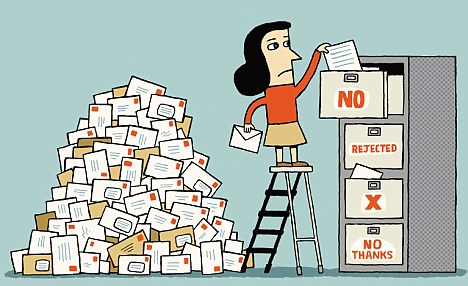
Everyone has experienced rejection whether it was not getting the job you wanted, your friends not inviting you somewhere and posting about it online, or even having someone not like you back. Rejection is the loss of something you may have once had or wanted. It is similar to abandonment because it leaves you feeling less than and unwanted. Unfortunately, rejection is something that cannot be avoided and it is a part of life that everyone will have to experience. No matter how small or big the rejection you experience is, it is always going to hurt you and leave an emotional wound. Not only does rejection cause emotional pain, but it also damages someone’s self-esteem and effects one’s mood resulting in frustration and anger. An article, “Why Rejection Hurts So Much-and What to do About it” states, “The same areas of our brain become activated when we experience rejection as when we experience physical pain. That’s why even small rejections hurt more than we think they should, because they elicit literal pain” (Winch). If you are feeling the pain of being rejected here are some ways to cope and overcome it in healthier ways.

  1. Acknowledge the pain and grief of loss
  • When you are rejected, you may feel embarrassed and don’t know how to exactly cope with it. You may repress your feelings and ignore the fact that you are in pain.
  • In order to accept rejection, you must accept the pain of what you are going through. Whether it is crying, going to therapy, exercising, or even journaling, it is important to relieve and express the emotions faced when being rejected.
  1. Don’t blame yourself
  • Most of the time you don’t understand why you have been rejected and naturally you place the blame on yourself.
  • The reason you believe you are at fault is because early in life you may have been taught to believe that you are not enough.
  • Do not take responsibility for what is out of your control.
  1. Put yourself out there
  • Rejection is part of the process which leads to success. Do not take it personally, it’s part of life.
  • Putting yourself out there can make you less sensitive to rejection; the more you are rejected the less it hurt us.
  1. Build your resiliency
  • To be resilient is to be able to recover or come back from a stressful or traumatizing event.
  • Resiliency can be learned by doing some of the following:
    • Having an open mind
    • Seeking solutions
    • Learning from an experience
    • Seeking support
    • Knowing your worth and strengths
    • Self-care

If you or someone you know is feeling rejected or dealing with rejection, call now to make an appointment to speak with one of our licensed professional psychologists, psychiatrists, psychiatric nurse practitioners, or psychotherapists. Contact us at our Paramus, NJ (201) 368-3700 or Manhattan, NY offices at or (212) 722-1920 to set up an appointment. For more information, visit http://www.counselingpsychotherapynjny.com/.

Sources: https://psychcentral.com/blog/how-to-overcome-rejection-like-a-champ/

https://ideas.ted.com/why-rejection-hurts-so-much-and-what-to-do-about-it/

https://blogs.psychcentral.com/imperfect/2019/02/4-strategies-to-cope-with-the-pain-of rejection/

Image: https://www.dailymail.co.uk/femail/article-1327598/Why-rejection-good-you.html