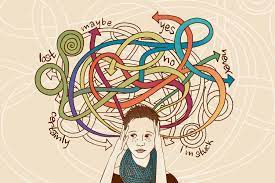
PTSD in Military Veterans

PTSD in Military Veterans

By: Mercedes Renter

What does PTSD stand for? Post-traumatic stress disorder is a mental health disorder which often develops after someone goes through or sees a life-threatening event. The symptoms of PTSD tend to start soon after the traumatic event but may not appear until months or years later. There are four common symptoms of PTSD. The first symptom is reliving the event which can feel very scary and real. Nightmares can occur as well as flashbacks and you may see, hear, or smell something that can remind you of the event. The second symptom is avoiding things that remind you of the event. For example, for veterans they may avoid gun ranges when they are not deployed because it can trigger past emotions. The third symptom is having negative thoughts and feelings which did not occur before the traumatic event. An individual suffering from PTSD can feel numb or may think the world is full of danger and have a hard time with trusting anyone. The fourth symptom is feeling on edge which can lead to having a hard time falling asleep, find it hard to concentrate, or even become startled by a loud noise or surprise.

There are lifestyles changes that can help a veteran cope with post-traumatic stress disorder. Interacting with trauma survivors and other veterans who have experienced PTSD can be beneficial. Additionally, exercising can be helpful by providing a steady schedule into your everyday life. Eating healthy and spending more time with loved ones are also healthy habits that can help cope with post-traumatic stress disorder. These are all helpful changes for an individual suffering from PTSD because it allows a positive change in their daily life.

If you or someone you know is struggling with Post-traumatic stress disorder please contact our psychotherapy offices in New York or New Jersey to talk to one of our licensed professional psychologists, psychiatrics, psychiatric nurse practitioners, or psychotherapists at Arista Counseling and Psychotherapy. Contact our Paramus, NJ or Manhattan, NY offices respectively at (201)-368-3700 or (212)-722-1920 to set up an appointment. For more information, please visit https://www.counselingpsychotherapynjny/com

Reference: https://www.ptsd.va.gov/understand/common/common_veterans.asp

Single Parenting Stress

Single Parenting Stress

By: Mercedes Renter

Raising children on your own can result in an overwhelming amount of stress and pressure into parenting. Aside from the financial obligations of raising a family and maintaining a roof over your head with food on the table, single parenting comes with more obstacles than one may think. Emotionally, a single parent must take on the role of both parents at once which leaves them to be both “bad” and “good” cop all at once. This can allow one to feel lonely and isolated when it comes to decision making because they often feel lost without another opinion. Guilt will arise from these situations but your own well-being it is better to focus on any accomplishments.

There are many ways to reduce the stress and attempt to live in a calmer environment. One thing that can be done is to set up a support system. All parents need a little help here and there so do not feel ashamed to ask for it. Maintaining a daily routine can allow you to find yourself with more time to relax. For example, set up a schedule for meals, chores, bedtimes and anything else that is included in your day to day routine. Treat your children like children; although the other parent is absent you should not rely too heavily on the child. A way to notice if you are relying on them too much is if your frustration is being shown more on them than in any other aspect of your life. Lastly, stay positive and take time for yourself.

If you or someone you know is struggling with single parenting stress contact our psychotherapy offices in New York or New Jersey to talk to one of our licensed professional psychologists, psychiatric, psychiatric nurse practitioners, or psychotherapists at Arista Psychotherapy & Psychiatric Services. Contact our Manhattan, NY, or Paramus,NJ offices respectively at (201) 368-3700 or (212) 722-1920 to set up an appointment. For more information please visit https://counselingpsychotherapynjny.com

References: https://www.healthychildren.org/English/family-life/family-dynamics/types-of-families/Pages/Stresses-of-Single-Parenting.aspx

https://www.parents.com/parenting/dynamics/single-parenting/10-ways-to-reduce-single-parent-stress/

Obsessive Compulsive Disorder (OCD): Chronic Worrying

By: Mercedes Renter

Do you experience a feeling of your worries being hard to manage? Do you find yourself preoccupied with what-if thinking or imagining the worst possible outcome? This can be a sign of Obsessive Compulsive Disorder (also known as OCD). OCD is a disorder in which people have recurring, unwanted thoughts, ideas or sensations (obsessions). To get rid of these thoughts, they feel driven to do something repetitively (compulsions). Chronic worrying is not always linked to a mental health disorder but in some cases it may be.

Troubles managing your chronic worries can come in many different scenarios but the most common are:

  • Family situations / Relationships
  • Health / Other Personal Issues
  • Money / Work
  • The state of the world

OCD compulsions include but are not limited to the following: (performed excessively)

  • Praying / Counting / Cleaning / Pacing
  • Checking on something / Arranging objects
  • Repeating a word / phrase / activity

Obsessive compulsive disorder may seem difficult to conquer; however there are many healthy habits which can eliminate your cycle of chronic worrying. Hypnosis can help you learn to live in the moment and mute any other thoughts. A deep breathing exercise allows you to focus on your breath which will calm your mind and body. A good night rest by prioritizing your sleep and increasing your optimal sleep hygiene will lessen the worrying feeling. Although all individuals seem to worry here and there, if you find yourself being prevented from enjoying the present and engaging in things you love, you may want to seek help.

If you or someone you know is struggling with OCD : chronic worrying please contact our psychotherapy offices in New York or New Jersey to talk to one of our licensed professional psychologists, psychiatrists, psychiatric nurse practitioners, or psychotherapists at Arista Psychotherapy & Psychiatric Services. Contact our Manhattan, NY or Paramus, NJ offices respectively at (201)368-3700 or (212) 722- 1920 to set up an appointment. For more information, please visit https://counselingpsychotherapynjny.com

References: https://psychcentral.com/blog/how-to-stop-worrying-about-worrying#possible-mental-health-disorders