Autism in the Justice System

Autism in the Justice System

By: Nicole Cutaia

A big issue in the Justice System is the lack of representation for certain groups of people. Neurodivergent individuals, specifically those with autism or autism spectrum disorder (ASD), face this lack of acknowledgment in the judicial system.

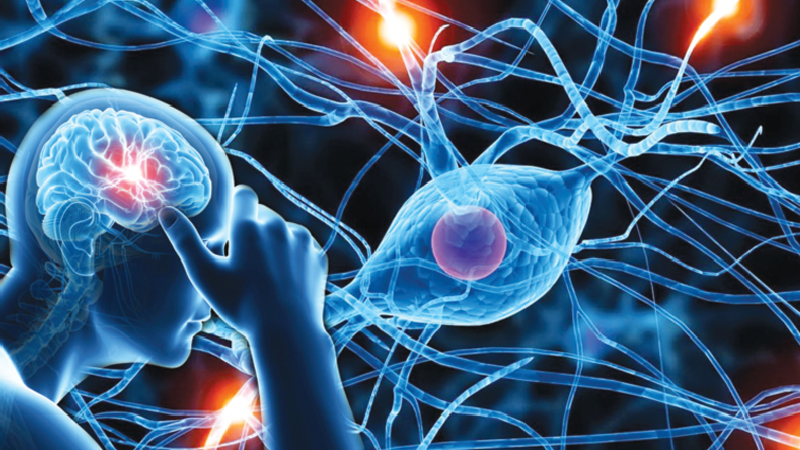
Autism is a neurological and developmental disorder that affects social skills, repetitive behaviors, speech, and non-verbal communication. Depending on the functionality of the disorder, performing basic tasks such as reading, writing, and comprehending information may be more or less difficult.

When it comes to criminal and civil cases, autistic clients find it challenging to find lawyers to represent them. These challenges may be due to the stigma around the spectrum.

Most individuals with autism, especially low functioning, depend on a guardian or caretaker for the majority of their life. During police investigations, a guardian or caretaker is necessary to support and assist successful communication. In some instances, individuals with autism do not get a fair shot at their statement or testimony.

The lack of representation in the justice system for autism is a social injustice that is so overlooked and needs instant attention.

It can be difficult to see a loved one struggle with autism spectrum disorder. If you or a family member are struggling with mental health, please contact our psychotherapy offices in New York or New Jersey to talk to one of our licensed professional psychologists, psychiatrists, psychiatric nurse practitioners, or psychotherapists at Arista Counseling & Psychotherapy. Contact our Paramus, NJ, Manhattan, NY offices respectively at (201) 368- 3700 or (212) 722- 1920 to set up an appointment. For more information, please visit http://www.counselingpsychotherapynjny.com/

Alcohol Abuse among College Students

Alcohol Abuse among College Students

By Melissa Rodriguez

College students undergo many feelings and emotions during the semester. They may feel excitement, anxiety, stress, depression, and so much more. These feelings can lead to alcohol abuse in college students. College students are more likely to be exposed to alcohol, which can lead to them wanting to partake in drinking and abusing alcohol with peers. When college students are stressed they go to parties and they may be exposed to alcohol there. They may be stressed or overwhelmed with assignments and exams and they may want to drink the stress away. According to the National Institute on Alcohol Abuse and Alcoholism, some students who go to college develop established drinking habits. According to the 2022 National Survey on Drug Use and Health, within full-time college students ages 18-22, 49.0% consumed alcohol and 28.9% engaged in binge drinking in just one month. Peers of students may also pressure them into trying or consuming alcohol, and with peer pressure it can be hard for students to say no as they fear they may get bullied or judged.

Abusing alcohol in college can also affect brain development in young adults. Many college students who take part in drinking and abusing alcohol still have developing brains. Brain development can last through ages 21-25. This may put young college students at a greater risk for alcohol poisoning, which can damage the development of the brain. Alcohol can cause brain cell shrinkage, nerve cell death, and grey matter decline. It is important to learn about the dangers of alcohol to better protect yourself and those around you from abusing the substance.

If you or someone you know is dealing with alcohol abuse, please speak with one of our licensed professional psychologists, psychiatrists, psychiatric nurse practitioners, and psychotherapists. Contact us at our Paramus, NJ or Manhattan, NY offices at (201) 368-3700 or (212) 722-1920 respectively to set up an appointment. For more information, visit http://www.counselingpsychotherapynjny.com/.

Sources:

https://www.niaaa.nih.gov/publications/brochures-and-fact-sheets/college-drinking

https://www.stanfordchildrens.org/en/topic/default?id=the-dangers-of-binge-drinking-1-1924

Domestic Violence and Sports

Domestic Violence and Sports
By: Camillia Ghavami


When we watch sports games many of us feel passionate about whether our teams win or lose. Many find excitement in watching their favorite teams battle it out for the win, others may be terrified.


Tubi’s famous Super Bowl commercial in 2023, that made it seem like someone was changing the channel, is an example of the fear many women live in while watching sports games. Some may have laughed the prank off with their families, while those in more aggressive households were met with terrifying outbursts of violence. One woman described her experience with her boyfriend violently screaming at her to find the remote and then punching a hole in a wall. Another woman who worked at a sports bar described the whole bar screaming profanities at her.

The reaction to this commercial is bringing to light a relationship few know about between sports and domestic violence. More and more studies are showing that there is a relationship between domestic violence and the wins and losses of professional football teams. Empirical analyses show that in the US, there are more domestic violence arrests on Sundays when there are NFL games than on Sundays when there are no games played. This relationship is not just found in the US. In England, domestic violence reports rose by 38% when the national soccer team lost. Even when the team won, domestic violence still rose by 26%. The biggest cause of this rise in domestic violence might have to do with whether the team wins or loses. One study found upset losses (a team loses when it was predicted to win by 4 or more points) led to a 10% increase in domestic violence by men while the rise in violence after other types of losses (like when the games were expected to be close) were small. This rise in violence is even larger when the games are more important.

The problem of domestic abuse is an epidemic that runs rampant in this country. 1 in 3 women and 1 in 4 men have experienced any form of physical violence done by an intimate partner. Additionally, 1 in 7 women and 1 in 25 men have been injured by an intimate partner. While of course all these instances were not done in reaction to a sports game, imagine if during the next big sports game, famous athletes came together and denounced domestic violence. Maybe this would lead to a new turn in our culture, where the possibility of someone changing the channel during the Super Bowl is not met with violence.


If you or someone you know is suffering from domestic violence, please contact our psychotherapy offices in New York or New Jersey to talk to one of our licensed professional psychologists, psychiatrists, psychiatric nurse practitioners, or psychotherapists at Arista Counseling & Psychotherapy. Contact our Paramus, NJ or Manhattan, NY offices respectively, at (201) 368-3700 or (212) 722-1920 to set up an appointment. For more information, please visit http://www.counselingpsychotherapynjny.com/

References:
https://www.ncbi.nlm.nih.gov/pmc/articles/PMC3712874/
https://www.psychologytoday.com/us/blog/making-sense-chaos/202009/nfl-losses-are-associated-increased-domestic-violence
https://trinitonian.com/2023/03/02/how-sports-culture-is-connected-to-domestic-violence-and-abuse/#:~:text=According%20to%20a%20study%20conducted,when%20no%20games%20are%20played
https://ncadv.org/STATISTICS
https://www.themarysue.com/that-viral-tubi-superbowl-commercial-had-some-real-life-consequences-that-cant-be-ignored/


Throwing Up: The Fear of Throw Up

By Caroline Buchanan

The fear of throw up, also referred to as emetophobia, is a specific phobia that revolves around the fear of vomiting, seeing vomit, watching other people vomit, or feeling sick. Emetophobia tends to leave people in a state of anxiety, overtaking their thoughts and engaging in behaviors that impact their everyday life. For example, you may avoid crowded places, traveling, eating out, or closely monitor your own health in an attempt to reduce the distress you may feel. While this anxiety can feel overwhelming and unbearable at times, this condition can be managed by a therapist.

What causes emetophobia?

Specific phobias tend to develop after a specific incident. As a result of this incident, an association is created between a thing – an object, situation, or an event – and a fear (Psych Central). Specifically in the context of emetophobia, this could involve getting sick in public, someone vomiting on you, having a bad case of food poisoning, or seeing someone else throw up. Emetophobia can also develop without a clear cause, causing experts to believe that genetics and the environment play a role. Regardless of whether you can pinpoint an incident or not, this anxiety can still be managed.

How can emetophobia be managed?

Exposure therapy is considered to be one of the most effective treatments. In this type of therapy, your therapist will expose you to your fear at a slow rate. This could involve trying a new food at a restaurant or spinning around until you feel nauseous. With these actions, you will be provided with techniques to help you cope with these feelings of anxiety. The goal is that the more you are exposed to your fear, the more you feel comfortable with it. Talk therapy and cognitive behavioral therapy (CBT)can also be used to help learn how to identify and challenge negative thought patterns in your anxiety. While it may take some time to find the right therapist and techniques for you, it is worth it to alleviate the distress in your life.

If you or someone you know is suffering from emetophobia, please contact our psychotherapy offices in New York or New Jersey to talk to one of our licensed professional psychologists, psychiatrists, psychiatric nurse practitioners, or psychotherapists at Arista Counseling & Psychotherapy. Contact our Paramus, NJ or Manhattan, NY offices respectively, at (201) 368-3700 or (212) 722-1920 to set up an appointment. For more information, please visit http://www.counselingpsychotherapynjny.com/

https://www.healthline.com/health/emetophobia#outlook

Major Depressive Disorder: Depression

Major Depressive Disorder: Depression

By: Isabella Favuzza

Sadness is a common emotion expressed through tears or gloominess. This feeling arises for a variety of reasons, including the loss of a partner, job, house, friendship, etc. Sadness is an intense emotion that every individual feels throughout their life. However, persistent sadness may transform into depression, a mental illness. One may struggle with depression following two weeks of lasting unhappiness, constant exhaustion, and a lack of motivation. Major depressive disorder, also known as MDD, is a clinical term to describe symptoms of perpetual sadness and a loss of interest. MDD can cause numerous emotional and psychological symptoms and prevent individuals from performing daily activities.

Depression involves symptoms such as lethargy, angry outbursts, and feelings of emptiness, reduced appetite, and suicidal ideations. Those struggling with depression find it challenging to partake in normal day-to-day activities like work, school, or relationships. Some may feel unhappy or gloomy without knowing why. Psychological and psychiatric treatment can significantly support those with MDD. A psychologist can identify the root of depression and provide specific therapies like CBT, talk therapy, or hypnosis to reduce these feelings of unhappiness. Psychiatric medications or antidepressants like Lexapro or Sertraline can visibly reduce depressive symptoms through serotonin reuptake. Ultimately, proper treatment can offer those with MDD an opportunity to regain control and provide a better quality of life.

If you or someone you know is struggling with depression, please contact our psychotherapy offices in New York or New Jersey to talk to one of our licensed professional psychologists, psychiatrists, psychiatric nurse practitioners, or psychotherapists at Arista Counseling & Psychotherapy. Contact our Paramus, NJ or Manhattan, NY offices respectively, at (201) 368-3700 or (212) 722-1920 to set up an appointment. For more information, please visit http://www.counselingpsychotherapynjny.com/

Source:

https://www.mayoclinic.org/diseases-conditions/depression/symptoms-causes/syc-20356007#:~:text=Also%20called%20major%20depressive%20disorder,life%20isn’t%20worth%20living.

Obsessive-Compulsive Disorder: OCD

Obsessive-Compulsive Disorder: OCD

By: Isabella Favuzza

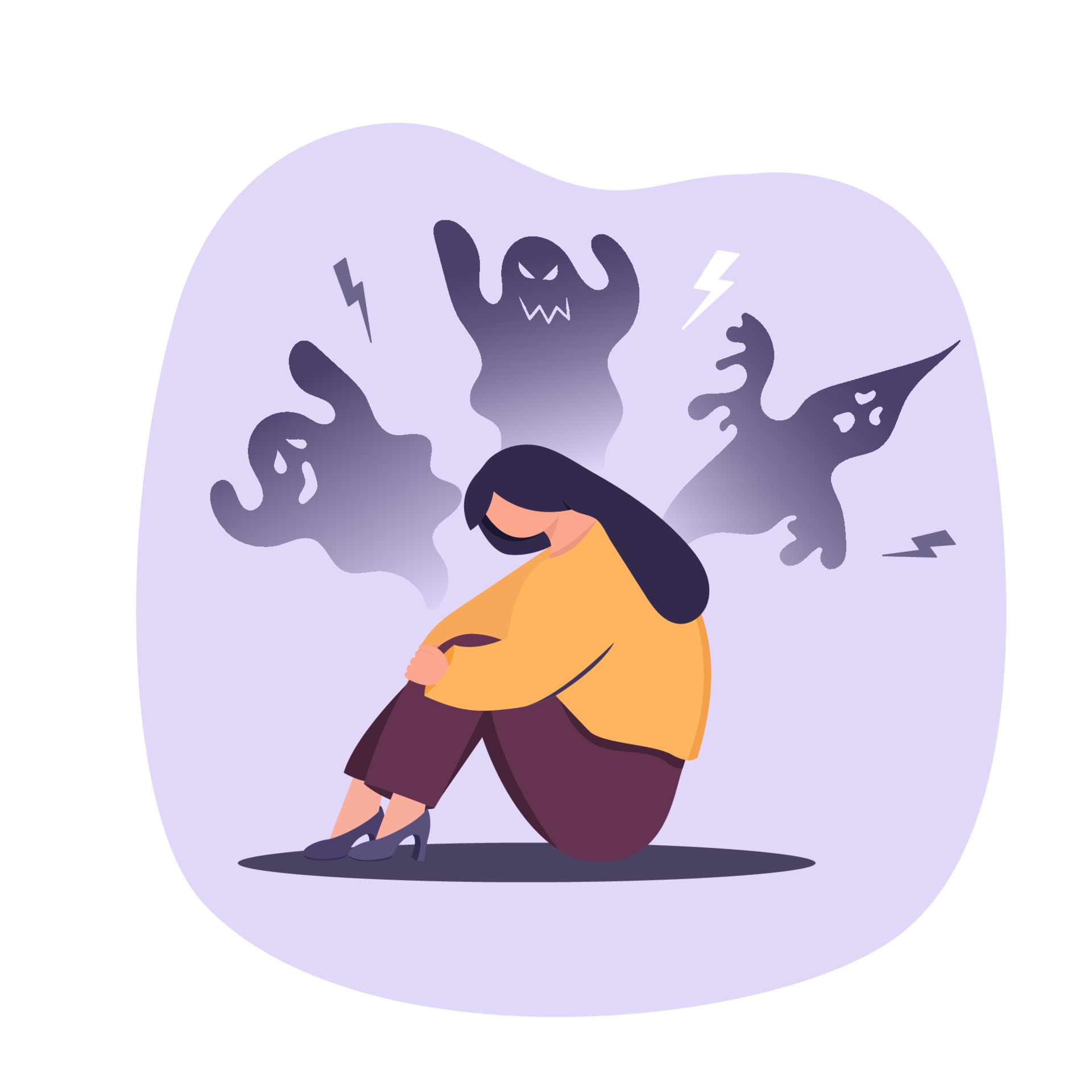
Many feel overwhelmed with anxiety or stress regarding weight, relationships, family, work, school, etc. However, have you ever counted, organized, or cleaned to cope with these unwanted feelings of stress or anxiety? Perfectionist coping mechanisms are a symptom of OCD, also known as obsessive-compulsive disorder. OCD entails a frequent pattern of unwanted thoughts or fears known as obsessions to combat feelings of stress. Said obsessions commonly inhibit individuals from partaking in daily activities due to inevitable disturbances and distress. Those struggling with OCD feel compelled to soothe urges through ritual behaviors. OCD builds around a theme like the fear of germs, which leads an individual to consistently wash their bodies and disinfect their living quarters.

Those struggling with OCD face symptoms like fear of contamination, feelings of uncertainty, aggressive or horrific thoughts, unwanted ideals, the need for order or balance, intense stress, etc. These systems can restrict an individual from performing daily tasks in the workplace or even in the comfort of their own home. Psychiatric treatment can reduce OCD’s severe symptoms and allow individuals to reclaim their lives. Proper medication and other effective treatments can increase and regulate serotonin levels within the body, easing obsessions and unwanted thoughts. Ultimately, psychiatric treatment can significantly reduce unwanted obsessions and urges, enabling those struggling with OCD to reclaim their lives.

If you or someone you know is struggling with OCD, please contact our psychotherapy offices in New York or New Jersey to talk to one of our licensed professional psychologists, psychiatrists, psychiatric nurse practitioners, or psychotherapists at Arista Counseling & Psychotherapy. Contact our Paramus, NJ or Manhattan, NY offices respectively, at (201) 368-3700 or (212) 722-1920 to set up an appointment. For more information, please visit http://www.counselingpsychotherapynjny.com/
Source:

https://www.mayoclinic.org/diseases-conditions/obsessive-compulsive-disorder/symptoms-causes/syc-20354432

Generalized Anxiety Disorder: Anxiety

Generalized Anxiety Disorder: Anxiety

By: Isabella Favuzza

It’s common to feel nervous or stressed regarding specific events like gaining or losing weight, presenting for an audience, meeting new individuals, etc. These skittish or tense emotions are known as anxiety and frequently arise during these situations. However, some may feel anxious regardless of the event. Those diagnosed with generalized anxiety disorder struggle to control their anxiety, and these emotions interfere with daily tasks. Generalized anxiety disorder can lead to behavioral symptoms like persistent worrying, overthinking, indecisiveness, difficulty concentrating, etc. Those with an anxiety disorder may fall victim to severe psychical symptoms such as fatigue, muscle tension, nausea, and trembling. Both behavioral and psychical systems can impair one’s daily activities and significantly reduce their quality of life.

Generalized anxiety disorder may arise from various biological and environmental factors like genetics, personality, and diverse brain structures and/or chemistry. Anxiety disorders frequently have underlying genetic causes, as anxiety typically passes from parent to offspring. Also, those with timid or worrisome personalities may be prone to generalized anxiety disorder. Psychological and psychiatric treatment can significantly support those with generalized anxiety disorder. Psychologists can identify the roots of one’s anxiety and soothe the individual through hypnosis, talk therapy, etc. Also, psychiatrists can offer calming medication to reduce feelings of anxiety, fear, and worry. Ultimately, proper psychiatric intervention can significantly diminish anxiety through prescribed medications to improve their overall quality of life.

If you or someone you know is struggling with an generalized anxiety disorder, please contact our psychotherapy offices in New York or New Jersey to talk to one of our licensed professional psychologists, psychiatrists, psychiatric nurse practitioners, or psychotherapists at Arista Counseling & Psychotherapy. Contact our Paramus, NJ or Manhattan, NY offices respectively, at (201) 368-3700 or (212) 722-1920 to set up an appointment. For more information, please visit http://www.counselingpsychotherapynjny.com/

Source:

https://www.mayoclinic.org/diseases-conditions/generalized-anxiety-disorder/symptoms-causes/syc-20360803

Religious Trauma and Spiritual Abuse

Religious Trauma and Spiritual Abuse

Amelia Amen

Religious trauma and spiritual abuse can have a profound impact on a person’s well-being and sense of self. It occurs when religious beliefs, practices, or leaders are used in harmful ways, causing emotional, psychological, or even physical harm. This can include manipulation, exploitation, guilt, fear, or shame tactics, as well as the imposition of strict rules and expectations. Leaving an abusive religious environment can lead to feelings of disorientation and loss of self-identity in an individual, both can result in developing religious trauma.  It is important to acknowledge that not all dogmatic religious experiences are traumatic, but when it does happen, it can be deeply distressing.

               Enduring long-term spiritual abuse births religious trauma. The exertion of control and mistreatment from religious members over a person is one of the main reasons why spiritual abuse occurs. It can be difficult to see the signs of spiritual abuse when a community has been integrated in their faith over a long period of time. Spiritual abuse tactics include lack of freedom to make decisions, justify abuse by usage of religious beliefs or scriptures, coerced into having sexual relations with religious leader or community member, fear and isolation as weapons, humiliation, intimidation into conformity, and more. Experiencing abuse in a spiritual community can leave lasting scars on people and cause them to lose their faith as a whole. Mental health issues such as depression, isolation, sexual dysfunction, PTSD, and emotional dysregulation can all develop from religious trauma. Healing from religious trauma often involves seeking support, therapy, and finding a safe space to explore and redefine one’s spirituality on their terms. It is important to remind yourself that you deserve a journey of healing and growth that aligns with your own beliefs and values.

If you or someone you know is seeking therapy for religious trauma or general trauma, please contact our psychotherapy offices in New York or New Jersey to talk to one of our licensed professional psychologists, psychiatrists, psychiatric nurse practitioners, or psychotherapists at Arista Psychotherapy & Psychiatric Services. Contact our Manhattan, NY or Paramus, NJ offices respectively at (201) 368-3700 or (212) 722-1920 to set up an appointment. For more information, please visit https://www.counselingpsychotherapynjny.com

Sources: https://www.ncbi.nlm.nih.gov/pmc/articles/PMC3269830/

Body Dysmorphic Disorder

Body Dysmorphic Disorder

Amelia Amen

Body Dysmorphic Disorder (BDD) is a mental health condition characterized by preoccupied negative ideations of physical appearance. A person diagnosed with BDD tends to obsess over perceived “defects” in their body image, thus interfering with their daily functioning and heightening their stress levels. Areas of concern include skin, hair, body parts, facial features, wrinkles, teeth, etc. People may not notice the perceived physical flaws that an individual claims to be negative. The severity of the disorder differs from each individual and could produce other mental health concerns such as anxiety, depression, substance abuse, self-harm, and suicidal thoughts. BDD commonly develops during a boy and girl’s adolescence. The development of BDD can derive from various factors between genetics, environment, and trauma. It can stem from experiencing bullying and abuse, having a chemical imbalance in the brain, beauty standards on social media, and more. Repetitive and compulsive routines are carried out every day in order to cope with preoccupied thoughts. Common repetitive behaviors that are exhibited include:

  • Avoiding mirrors or constantly looking in the mirror
  • Skin picking, excessive grooming, and body checking
  • Over-Exercising and weighing yourself
  • Masking perceived flaws with heavy clothing and/or makeup
  • Seeking cosmetic surgery with little satisfaction
  • Comparing yourself to others

            Living with BDD can cause individuals to be reluctant to participating in social gatherings, work, school, and curricular activities. As a result, this can lead to self-isolation. One of the most effective sources of treatment for coping with BDD is Cognitive Behavioral Therapy (CBT). Attending therapy can help address concerns regarding the symptoms that come with BDD, process perceived negative thoughts, increase self-esteem and confidence, and encourage an individual to have a more positive outlook on their appearance. With proper treatment, BDD can become more manageable to live with.

If you or someone you know is seeking therapy for body dysmorphic disorder or other body-image struggles, please contact our psychotherapy offices in New York or New Jersey to talk to one of our licensed professional psychologists, psychiatrists, psychiatric nurse practitioners, or psychotherapists at Arista Psychotherapy & Psychiatric Services. Contact our Manhattan, NY or Paramus, NJ offices respectively at (201) 368-3700 or (212) 722-1920 to set up an appointment. For more information, please visit https://www.counselingpsychotherapynjny.com

Sources: https://www.mayoclinic.org/diseases-conditions/body-dysmorphic-disorder/symptoms-causes/syc-20353938

Bipolar Disorder

Bipolar Disorder

By: Nicole Sanchez

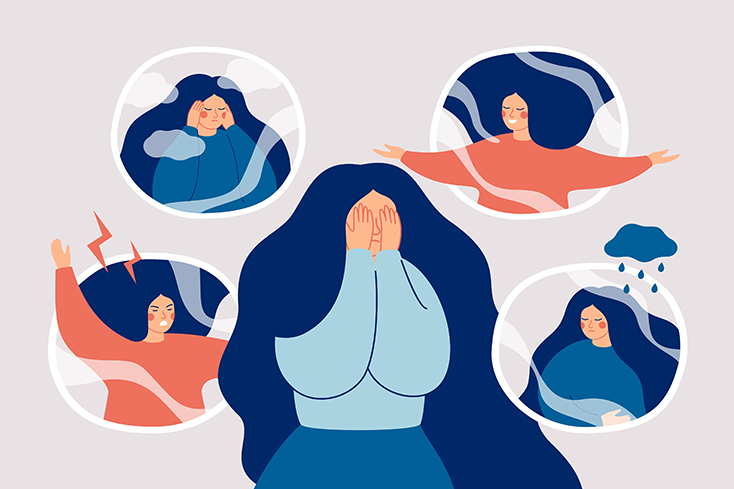
Bipolar disorder is a serious mood disorder and mental health condition that causes unusual shifts in mood, energy levels, thinking and behavior. These shifts can last for hours, days, weeks or months and interfere with ability to carry out daily tasks. When one becomes depressed, they may go through feelings of sadness, hopelessness and or loss of interest in many activities. When one’s mood shifts to mania, one may feel euphoric, energized or irritable. These shifts in mood can impact a person’s sleep, activity or energy levels, behavior and their ability to think clearly. Each type of bipolar disorder includes periods between manic or depressive episodes when symptoms lessen, or people feel stable. The greatest difference between the types of disorder is how extreme the mood states are and their duration. Bipolar I Disorder includes having a history of at least one manic episode, but sometimes also having depressed or hypomanic episodes as well. Bipolar II Disorder includes mood states that vary from an even mood to high to low, although the highs are less extreme and are called hypomanic states.

Individuals with bipolar disorder can be treated with a combination of medication and therapy. Mood stabilizers, antipsychotics, and antidepressants can aid in managing mood swings and other symptoms. Some people may need to try different medications before determining which medication works best for them. Therapy aids individuals in accepting their disorder, being familiar with the warning signs of a manic or depressive episode, developing coping strategies, and sticking with a medication schedule. While people may sometimes experience some stability in their mood between episodes, a long-term, continuous treatment plan is suggested as it can reduce the severity and frequency of mood swings.

If you or someone you know is having mental health difficulties and/ or experiencing symptoms of Bipolar Disorder, please contact our psychotherapy offices in New Jersey to talk to one of our licensed professional psychologists, psychiatrists, psychiatric nurse practitioners, or psychotherapists at Arista Counseling & Psychotherapy. Contact our offices at (201) 368-3700 or (212) 722-1920 to set up an appointment. For more information, please visit http://www.counselingpsychotherapynjny.com/

https://www.samhsa.gov/mental-health/bipolar