What is Seasonal Affective Disorder?

By: Kassandra Lora

Once the seasons change from fall to winter and the days become shorter, some individuals may notice a change in their moods. Some of these mood changes may be a slight feeling of being “down” but other times, these mood changes can be more severe and can have a significant effect on a person. Seasonal Affective Disorder is a type of depression that usually affects a person once the seasons are changing. According to the National Institute of Mental Health, “SAD symptoms start in the late fall or early winter and go away during the spring and summer; this is known as winter-pattern SAD or winter depression.” It is not as common for someone to develop SAD symptoms during the spring and summer months, although it is still possible.

Some significant depression symptoms may include:

•           feeling depressed most of the day, nearly every day

•           losing interest in activities

•           changes in appetite or weight

•           having problems with sleep

•           having low energy

•           feeling worthless or hopeless

•           having difficulty concentrating

•           having frequent thoughts of death or suicide.

Although Seasonal Affective Disorder is a type of depression, to develop the diagnosis of having SAD, you must have the symptoms of major depression or must have some of the symptoms listed above. You must also have these depressive episodes occur to you during a specific season for a least two consecutive years.

Individuals who are more susceptible to developing SAD are more commonly those who live further north. Furthermore, according to the Nation Institute of Mental Health, “SAD is more common in people with major depressive disorder or bipolar disorder, especially bipolar II disorder, which is associated with recurrent depressive and hypomanic episodes.” SAD is also more commonly found in women than men.

Seasonal Affective Disorder is a severe condition, though scientists cannot understand what exactly causes SAD. Scientists have done the research and have suggested that people with SAD may have reduced serotonin activity, regulating mood. Researchers have also indicated how lack of sunlight in people with SAD can affect their serotonin levels, affecting their mood. Although these are all possible causes and effects which determined why individuals may have SAD it is still unclear if these are the exact reason. However, these causes and effects can be useful when focusing on treatment.Treatments that may help people with SAD include light therapy, psychotherapy, antidepressant medications, and vitamin D.

Speak to your health care provider about which treatment or combination is most suitable for you. If you or someone you know is struggling with Seasonal Affective Disorder, please contact our psychotherapy offices in New York or New Jersey to talk to one of our licensed professional psychologists, psychiatrists, psychiatric nurse practitioners, or psychotherapists at Arista Counseling & Psychotherapy. Contact our Paramus, NJ or Manhattan, NY offices.

Source: https://www.nimh.nih.gov/health/publications/seasonal-affective-disorder/index.shtml

Image Source: https://www.sciencemag.org/careers/2019/03/how-i-learned-cope-seasonal-affective-disorder-grad-school

Social Anxiety: Struggling to Reach Out

            It’s okay to want to be alone, but many people around the world resort to solidarity because they fear they’ll be judged by others in a social scene. Social anxiety disorder, or social phobia, is a mental illness categorized as a type of anxiety disorder that consists of an intense, persistent fear of being watched and/or judged by others. No matter what the situation is, if it involves other people, things become more challenging for them. It feels as though all eyes are on them and they’re terrified of making a spectacle of themselves in front of those around them, even friends and family. That’s why it tends to be a struggle for many sufferers of social anxiety to maintain any healthy relationships because they would rather push people away and avoid conversation than take the risk of feeling humiliated through judgment.

          The toll social anxiety has on some of its sufferers can lead to avoiding school and work as well as dropping many hobbies/activities all together because they’re simply too terrified to engage. In such instances, the disorder becomes a hindrance to everyday life because if they miss school and work, they’re losing out on education, money, and many other key things to sustain healthy living. Some signs that you may be suffering from social anxiety disorder are: when having to be around others; feeling nauseous or sick to your stomach, blushing, sweating or trembling, making little eye contact and speaking very softly, staying away from places where you see other people, etc. In this case, treatment comes in the form of psychotherapy, medication, or both. Cognitive behavioral therapy (CBT) is perhaps the most common form of treatment and teaches patients better ways of thinking and reacting to anxiety-inducing scenarios in order to best keep those unwanted emotions under control.

If you or someone you know is struggling with a mental illness, please contact our psychotherapy offices in New York or New Jersey to talk to one of our licensed professional psychologists, psychiatrists, psychiatric nurse practitioners, or psychotherapists at Arista Counseling & Psychotherapy. Contact our Paramus, NJ or Manhattan, NY offices respectively, at (201) 368-3700 or (212) 722-1920 to set up an appointment. For more information, please visit http://www.counselingpsychotherapynjny.com/

Sources: https://www.nimh.nih.gov/health/publications/social-anxiety-disorder-more-than-just-shyness/index.shtml

Anxiety, Depression, Eating Disorders, ADHD, Et al: How to Support a Friend with Mental Illness

By: Sarah Cohen

When helping a friend with a mental illness, the first step should be assessment of their symptoms. Sometimes they just might be going through a difficult time, but if certain common symptoms associated with mental health issues persist it is imperative to respond sensitively. Majority of the time, friends will just want to know they have your support and that you care about them. A good way to show your support is by talking to them. If you provide a non-judgmental space for them to speak about their issues it will help encourage them to be open with their problems. Let them lead the conversation and don’t pressure them to reveal information. It can be incredibly difficult and painful to speak about these issues and they might not be ready to share everything. If you aren’t their therapist do not diagnose them or make assumptions about how they are feeling, just listen and show you understand. If someone doesn’t want to speak with you, don’t take it personally, just continue to show them you care about their wellbeing and want to help as much as possible. Just knowing they have support can give them the strength they need to contact someone who can help them.

If a friend is having a crisis, such as a panic attack or suicidal thoughts, you must stay calm. Try not to overwhelm them by asking a lot of questions and confronting them in a public setting. Ask them gently what would be helpful to them right now or reassure them. If they hurt themselves, get first aid as soon as possible. If someone is suicidal, contact the suicide hotline at 800-237-8255 immediately.

The best way to help someone is by connecting them to professional help. By expressing your concern and support you can show them that they can get help and their mental health problems can be treated.

If you or someone you know needs support with their mental illness, please contact our psychotherapy offices in New York or New Jersey to talk to one of our licensed professional psychologists, psychiatrists, psychiatric nurse practitioners, or psychotherapists at Arista Counseling & Psychotherapy. Contact our Paramus, NJ or Manhattan, NY offices respectively, at (201) 368-3700 or (212) 722-1920 to set up an appointment. For more information, please visit http://www.counselingpsychotherapynjny.com/

https://www.mentalhealth.org.uk/publications/supporting-someone-mental-health-problem

https://www.mentalhealth.gov/talk/friends-family-members

Mental Illness in Young Adults

By: Melissa Molina

You may think you’re all grown up, you might even be the tallest you’ll ever be at this point in your life but young adults, ages 18 to 29, are still experiencing cognitive development. Brain development does not stop once you reach 18. In fact, the cognitive growth process is only half way done. Parental controls, attending college, changes and experiences that happen to young adults in their early twenties can affect and significantly shape brain development. This is why mental illnesses can present at this time in life. 

Mental Illness envelops a wide assortment of issues that exist on a severity continuum. Some can be brief or temporary reactions to emergency or different encounters, while others are chronic conditions. Mental Illnesses have different causes and triggers and present in different ways.

Mental Illnesses that Commonly Present in Young Adults: 

  • Eating Disorders (anorexia,bulimia, bingeing) 
  • Addiction (opioids, tobacco, alcohol) 
  • Anxiety Disorders (social anxiety, generalized anxiety, phobias) 
  • Personality Disorders (antisocial, borderline personality disorder) 
  • Mood Disorders (bipolar disorders, major depressive disorder) 
  • Thought Disorders (schizophrenia)

Young adults are at a particularly vulnerable time in their development, which might give reason as to why 1 of every 5 is affected by mental illness. Given the right conditions, stress can trigger mental illness. 

Considering young adults’ brains are still developing, diagnosing mental illness and treating or managing it can improve chances of a great outcome. Most young adults with mental illness can learn to successfully manage symptoms and live happy lives with the right help.

If you or someone you know is struggling with a mental illness, please contact our psychotherapy offices in New York or New Jersey to talk to one of our licensed professional psychologists, psychiatrists, psychiatric nurse practitioners, or psychotherapists at Arista Counseling & Psychotherapy. Contact our Paramus, NJ or Manhattan, NY offices respectively, at (201) 368-3700 or (212) 722-1920 to set up an appointment. For more information, please visit http://www.counselingpsychotherapynjny.com/

Source: skylandtrail.org/onset-of-mental-illness-first-signs-and-symptoms-in-young-adults/

Image Source: images.app.goo.gl/4DkjJ5zpS5cuFP747 

Mental Illness: Genetics or Environment?

Mental Illness: Genetics or Environment?

By: Isabelle Siegel

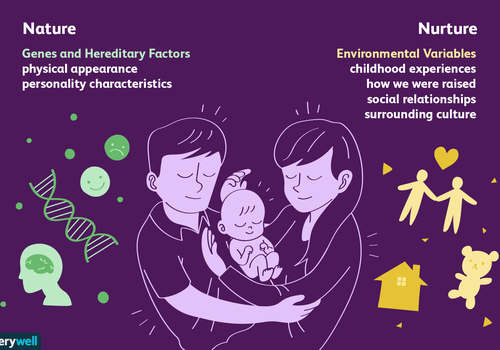
The term “Nature vs. Nurture” describes an age-old scientific debate regarding whether behavior, personality, and other individual characteristics are the result of nature—one’s biology and genetics—or nurture—one’s environment and upbringing. The development of mental illness is a prime example of the Nature vs. Nurture debate, as scientists and others seek to understand: Is mental illness caused by genetics or environment?

The Big Question. Is Nature or Nurture responsible for mental illness? This is essentially a trick question, as both Nature and Nurture contribute to the development of mental illness. In fact, it is ultimately the interaction between one’s genes and one’s experiences and environment that leads a person to develop a mental illness. According to the Diathesis-Stress Model, genetic predispositions develop into mental illnesses when they are met with stressful environments and/or experiences. For example, a person can be born with a genetic predisposition for depression, but that person may not develop depression unless they experience stressful environmental events such as abuse.

Nature. What are the biological and genetic causes of mental illness? It is well-documented that mental illness can be hereditary, or passed on within families. For example, a person is four to six times more likely to develop Bipolar Disorder if someone in their family has or had Bipolar Disorder. Another potent biological factor contributing to the development of mental illness is brain anatomy and brain chemistry. Research suggests, for instance, that people with schizophrenia have less active prefrontal cortices (the area of the brain associated with decision-making, planning, and personality). Other biological factors implicated in the development of mental illness include exposure to infection or toxins, damage during pregnancy, and use of substances.

Nurture. What are the environmental causes of mental illness? The development of mental illness can often be associated with one’s childhood experiences. Exposure to abuse is a potent example of an environmental factor that can lead to mental illness. Other experiences can also result in the onset of mental illness, including death, divorce, and/or other forms of grief or trauma.

In conclusion, neither Nature nor Nurture is solely responsible for the development of mental illness. Rather, genetic and biological factors combine with environmental and experiential factors to result in the onset of mental illness. 

If you or a loved one needs support for mental illness, the licensed psychologists, psychiatrists, psychiatric nurse practitioners, and psychotherapists at Arista Counseling & Psychotherapy can assist you. Contact our Paramus, NJ or Manhattan, NY offices respectively, at (201) 368-3700 or (212) 722-1920 to set up an appointment. For more information, visit http://www.counselingpsychotherapynjny.com/

Image Source: https://www.verywellmind.com/what-is-nature-versus-nurture-2795392

Mental Illness: How to Support a Spouse with Mental Illness

Mental Illness: How to Support a Spouse with Mental Illness
By: Isabelle Siegel

Every relationship has challenges, but relationships in which one partner has a mental illness can be even more challenging. The presence of mental illness in a relationship can leave both individuals feeling alone and helpless. However, it is not impossible to be in a happy, healthy, and successful relationship with someone with a mental illness. If you are wondering how to support your partner/spouse with mental illness, know that it is possible. Although your partner’s/spouse’s mental illness may at times feel all-consuming, certain steps can ultimately help manage the overwhelming ups and downs.

Develop an understanding of your partner’s/spouse’s diagnosis. It can be helpful to research the symptoms of your partner’s/spouse’s disorder in order to better recognize and label them as they arise. Having a basic understanding of what your partner/spouse is experiencing can help you to put yourself in his/her shoes and to gain insight into his/her struggles.

Just be there. Having a mental illness oftentimes makes people feel alone and as though they are a burden to their loved ones. The single most powerful way you can support your partner/spouse with a mental illness is to be there for him/her. Communicate that you are there for the highs and lows, and be ready to love your partner/spouse through them.

Do not let mental illness take over your entire relationship. Although it is important to communicate, try to keep your relationship balanced by limiting discussions about mental illness. Even when your partner’s/spouse’s mental illness feels all-consuming, continue to engage in activities that pull you and your partner away from thinking about his/her diagnosis and struggles.

Communicate openly how you feel. Regardless of a mental illness diagnosis, open communication is a critical component of any relationship. Be honest with your partner/spouse about how you feel, communicating any emotions with the goal of productively working through them.

Understand that your partner/spouse is trying the best he/she can. It can be easy to assume that a person with mental illness would feel better if only he/she tried harder. Oftentimes, people with mental illness are coping with their struggles in the best way they can.

Accept that it will be challenging at times. Being in a relationship with someone with a mental illness is going to pose challenges. It can arouse difficult emotions such as frustration, anger, resentment, sadness, etc. Allow yourself to feel these emotions and be willing to communicate them with your partner.

Most importantly, take care of yourself. It is important to understand that your partner/spouse is not the only one who needs support. Never feel guilty for prioritizing your own needs, and consider seeking therapy or other support in order to take care of your own mental health.

If you or a loved one needs support, the licensed psychologists, psychiatrists, psychiatric nurse practitioners, and psychotherapists at Arista Counseling & Psychotherapy can assist you. Contact our Paramus, NJ or Manhattan, NY offices respectively, at (201) 368-3700 or (212) 722-1920 to set up an appointment. For more information, visit http://www.counselingpsychotherapynjny.com/

Sources:
https://www.nami.org/Blogs/NAMI-Blog/November-2018/How-to-Be-Supportive-of-Your-Partner-with-Mental-I
https://www.nami.org/Personal-Stories/How-To-Love-Someone-With-A-Mental-Illness
https://www.verywellmind.com/coping-with-a-mentally-ill-spouse-2302988

Image Source: https://images.app.goo.gl/1XXGCnGttHazLixy5

COVID-19: Why going outside can help with your mental health

COVID-19: Why going outside can help with your mental health

By: Alexa Greenbaum

While social distancing during COVID-19, going outside has become one of the few activities to escape the house. In states that are in lockdown, governors such as in New York, Washington, and Montana have strongly encouraged people to go outdoors to run, walk, hike, and bike while practicing safe social distancing. Although it is not clear why, studies have found that spending time outside has a positive effect on our general well-being, including mental and physical health. In fact, doctors have been issuing “nature prescriptions” as a treatment for a range of conditions including chronic stress, depression, anxiety, PTSD, as well as others.

Efforts around the world have been promoting the health benefits of time spent outside. Regardless of the level of physical activity, spending time outdoors for even just 20 minutes per day can lower stress hormone levels, boost self-esteem, and improve mood.

Time in nature serves as an escape from daily pressures. The outdoors has been found to build resilience, hope, happiness, and optimism even before the added stressors of the COVID-19 pandemic. Additional research also suggests that going outside results in a lower risk of developing psychiatric disorders.

Based on several existing literature, positive effects documented were often described as “psychological healing,” “increased sense of well-being,” and “restorative.” Thus, a form of healing to achieve, maintain or promote a positive mental health state. Nature is a critical component of overall health and a great place to start.

If you or someone you know is struggling from COVID-19 or another crisis, please contact our psychotherapy offices in New York or New Jersey to talk to one of our licensed professional psychologists, psychiatrists, psychiatric nurse practitioners, or psychotherapists at Arista Counseling & Psychotherapy. Contact our Paramus, NJ or Manhattan, NY offices respectively, at (201) 368-3700 or (212) 722-1920 to set up an appointment. For more information, please visit http://www.counselingpsychotherapynjny.com/ .

Sources:

https://www.forbes.com/sites/cassidyrandall/2020/04/09/why-going-outside-is-good-for-your-health-especially-right-now/#4479a8bd2de9

https://www.psychologytoday.com/us/blog/cravings/201909/nature-s-role-in-mental-illness-prevention-or-treatment

https://time.com/5539942/green-space-health-wellness/

https://www.health.harvard.edu/mind-and-mood/sour-mood-getting-you-down-get-back-to-nature

Image Source:

https://41nbc.com/2020/05/10/virus-outbreak

Therapy: Reasons Not To Delay Mental Health Treatment

Therapy: Reasons Not To Delay Mental Health Treatment
By: Isabelle Siegel

The median delay between onset of mental illness symptoms and treatment-seeking is a shocking ten years. In other words, people are suffering silently and without help for nearly a decade before they even speak to a professional. Before choosing to delay treatment, it is important to consider the many benefits of seeking therapy sooner rather than later.

Seeking therapy earlier decreases the likelihood that symptoms will worsen. Among those who chose to delay treatment, 37% reported that their symptoms worsened. This can in turn make treatment more difficult when it is finally sought out and, overall, can complicate the therapeutic process.

Seeking therapy earlier decreases the likelihood that physical symptoms will develop. Unaddressed mental illness symptoms can lead to physical consequences including obesity, heart attack, stroke, gastrointestinal issues, and general increased risk for disease.

Seeking therapy earlier decreases the degree to which symptoms interfere with one’s life and relationships. A hallmark of mental illness is interference with quality of life and relationships. People who choose to delay mental health treatment are more likely to lose their jobs, drop out of school, experience financial troubles, and get divorced.

Seeking therapy earlier decreases the risk of comorbid disorders. People with untreated mental illness are more likely to develop comorbid disorders. Comorbid substance use disorders are particularly likely to arise as a result of people self-medicating with alcohol and/or drugs. These comorbid disorders further complicate treatment when it is finally sought.

Seeking therapy earlier decreases mortality rates. Neglecting mental health problems increases one’s risk for self-harm, suicide, and accidents (e.g., overdose, car accidents). In fact, the majority of suicide attempts are due to untreated mental illness.

Seek treatment now. If you or a loved one needs support, the licensed psychologists, psychiatrists, psychiatric nurse practitioners, and psychotherapists at Arista Counseling & Psychotherapy can assist you. Contact our Paramus, NJ or Manhattan, NY offices respectively, at (201) 368-3700 or (212) 722-1920 to set up an appointment. For more information, visit http://www.counselingpsychotherapynjny.com/

Sources:
https://www.ncbi.nlm.nih.gov/pmc/articles/PMC1361004/
https://deserthopetreatment.com/co-occurring-disorders/going-untreated/
https://www.theguardian.com/society/2018/oct/09/mental-health-patients-waiting-nhs-treatment-delays

Image Source: https://www.news-medical.net/health/Cognitive-Behavioral-Therapy-for-Anxiety.aspx

Telehealth and Teletherapy

By: Isabelle Siegel

“Teletherapy” describes the delivery of therapy sessions via video or phone conferencing. Even before the age of COVID-19, teletherapy was quickly rising to popularity. However, COVID-19 has forced those who were on the fence about teletherapy to begin engaging in video- or phone-delivered sessions. This begs the question: Is teletherapy as effective as in-person therapy? If so, what are the benefits of teletherapy?

Is Teletherapy as Effective as In-Person Therapy?

Therapy has historically been referred to as “the talking cure,” and therefore one would presume that the therapeutic process would easily translate to talking via video or phone. Is this the case? The overall consensus of scientific research is that teletherapy is equally as effective as in-person therapy. More specifically, scientific studies support the use of teletherapy for depression, posttraumatic stress disorder, eating disorders, anxiety disorders, and other psychological disorders.

Benefits of Teletherapy

Teletherapy may even have numerous advantages over in-person therapy, as it generally makes therapy much more accessible to the average person. Some benefits of teletherapy include:

Greater Flexibility and Efficiency: Teletherapy can enable patients to easily engage in therapy sessions while simultaneously working from home, taking care of children, etc. Patients can schedule sessions during their lunch breaks, while their children nap, or whenever else is most convenient for them. With reduced wait times and travel times, teletherapy sessions almost always occupy less time than in-person sessions and, thus, afford more flexibility and efficiency for the average busy patient.

Increased Accessibility: Teletherapy allows more people access to highly-qualified therapists, regardless of where they live or their ability to travel. This can be especially helpful for people who live in rural areas, college students, and people with disabilities or lack of access to transportation.

Comfortable Environment: Teletherapy allows patients to engage in therapy sessions where they are most comfortable: in their own homes. Rather than having to travel to an unfamiliar office, patients can feel free to open up while staying within their comfort zone.

Overall, teletherapy represents a promising future direction in the field of psychology. With the potential to eliminate barriers to therapy, teletherapy may ultimately serve to render psychotherapy more accessible to the average individual.

If you or a loved one is interested in teletherapy, the licensed psychologists, psychiatrists, psychiatric nurse practitioners, and psychotherapists at Arista Counseling & Psychotherapy can assist you. Contact our Paramus, NJ or Manhattan, NY offices respectively, at (201) 368-3700 or (212) 722-1920 to set up an appointment. For more information, visit http://www.counselingpsychotherapynjny.com/

Sources:
https://positivepsychology.com/teletherapy/
https://www.apa.org/monitor/2017/02/online-therapy
https://www.psychologytoday.com/us/blog/millennial-media/201901/14-benefits-teletherapy-clients
Image Source:
http://www.brownedhi.org/the-cultural-revolution-of-teletherapy/

CBT & DBT

Image result for cbt and dbt therapy

CBT & DBT

By: Vanessa Munera

When it comes to psychotherapy, there are different types. Psychotherapy is also known as “talk therapy”. According to the American Psychiatric Association, “Psychotherapy is a way to help people with a broad variety of mental illnesses and emotional difficulties”. This is when an individual speaks with a therapist or psychologist in a safe and confidential environment. During these talk sessions, you are able to explore and understand your feelings and behaviors, and develop coping skills. In fact, research studies have found that individual psychotherapy can be effective at improving symptoms in a wide array of mental illnesses, making it both popular and versatile treatment. There are different types of psychotherapy that can assist people. The most common types of psychotherapy are Cognitive Behavioral Therapy (CBT) and Dialectical Behavioral Therapy (DBT).

Cognitive Behavioral Therapy or CBT, is a form of therapy that consists of focusing on exploring relationships among a person’s thoughts, feelings and behaviors. This type of therapy helps patients gain control over and accept unwanted thoughts and feelings so that they can better manage harmful or unwanted behaviors. CBT is usually used to treat conditions related to anxiety, depression, substance abuse, eating disorders, and social skills. As a matter of fact, Cognitive Behavioral Therapy has been shown to be an effective treatment for these conditions, as well as improving brain functioning. CBT can benefit people at any age, such as a child, adolescent, and adult.

Dialectical Behavioral Therapy, or DBT, is a type of therapy that was originally designed to help individuals with borderline personality disorder (BPD). Over time, this type of therapy has been adapted to help treat people with multiple different mental illnesses, but it is mostly used to treat patients who have BPD as a primary diagnosis. Although DBT is a form of CBT, it has one big exception: it emphasizes validation and accepting uncomfortable thoughts, feelings and behaviors instead of struggling with them. DBT allows patients to come in terms with their troubling thoughts, emotions, or behaviors that they have been struggling with. Studies of Dialectical Behavior Therapy have shown effective long-term improvements for those suffering from mental illness. DBT also helps lower the frequency and severity of dangerous behaviors, utilizes positive reinforcement to promote change, and helps individuals translate what they learned in therapy to everyday life.


References:

https://www.nami.org/learn-more/treatment/psychotherapy

https://manhattanpsychologygroup.com/difference-dbt-cbt-therapies/

https://www.psychiatry.org/patients-families/psychotherapy