Addiction: Drug Abuse

Addiction: Drug Abuse

By: Isabella Favuzza

Many partake in recreational drug use, assuming addiction is nearly impossible due to occasional drug use in social settings. However, more than 70% of individuals who use drugs recreationally develop an addiction and experience negative consequences associated with said addiction. These behaviors involve compulsiveness, the inability to stop using the drug, undesirable emotions, withdrawal, etc. These unpleasant symptoms and behaviors can also negatively affect the addict’s relationships with work, loved ones, etc. A majority of addicts desire to stop using drugs but find it extremely challenging as the drug creates a physical and neurological dependence. No one wants to become a drug addict; however, drug use neurologically alters the brain, making it burdensome to quit.

Counseling services can identify the triggers leading to continued drug use, provide intensive intervention, supply vital behavioral strategies, offer peer support, and reduce the risk of relapse. Psychotherapy, or talk therapy, can help addicts cope with feelings of guilt, shame, anger, sorrow, etc. A psychologist can also provide intensive care to assist with drug detoxification and withdrawal symptoms that can be grueling to experience by oneself. Therapy provides addicts with behavioral and cognitive tools to cope with triggers, understand past drug abuse, and maintain sobriety. Ultimately, therapy enables drug addicts to reclaim their livelihood and relationships with loved ones by relinquishing the negative consequences of drug abuse.

If you or someone you know is struggling with drug addiction or abuse, please contact our psychotherapy offices in New York or New Jersey to talk to one of our licensed professional psychologists, psychiatrists, psychiatric nurse practitioners, or psychotherapists at Arista Counseling & Psychotherapy. Contact our Paramus, NJ or Manhattan, NY offices respectively, at (201) 368-3700 or (212) 722-1920 to set up an appointment. For more information, please visit http://www.counselingpsychotherapynjny.com/

Source:

https://www.hanleycenter.org/five-big-benefits-of-counseling-in-drug-addiction/#:~:text=Counseling%20provides%20additional%20benefits%20to,recovery%2C%20and%20reducing%20the%20risk

PTSD in Military Veterans

PTSD in Military Veterans

By: Mercedes Renter

What does PTSD stand for? Post-traumatic stress disorder is a mental health disorder which often develops after someone goes through or sees a life-threatening event. The symptoms of PTSD tend to start soon after the traumatic event but may not appear until months or years later. There are four common symptoms of PTSD. The first symptom is reliving the event which can feel very scary and real. Nightmares can occur as well as flashbacks and you may see, hear, or smell something that can remind you of the event. The second symptom is avoiding things that remind you of the event. For example, for veterans they may avoid gun ranges when they are not deployed because it can trigger past emotions. The third symptom is having negative thoughts and feelings which did not occur before the traumatic event. An individual suffering from PTSD can feel numb or may think the world is full of danger and have a hard time with trusting anyone. The fourth symptom is feeling on edge which can lead to having a hard time falling asleep, find it hard to concentrate, or even become startled by a loud noise or surprise.

There are lifestyles changes that can help a veteran cope with post-traumatic stress disorder. Interacting with trauma survivors and other veterans who have experienced PTSD can be beneficial. Additionally, exercising can be helpful by providing a steady schedule into your everyday life. Eating healthy and spending more time with loved ones are also healthy habits that can help cope with post-traumatic stress disorder. These are all helpful changes for an individual suffering from PTSD because it allows a positive change in their daily life.

If you or someone you know is struggling with Post-traumatic stress disorder please contact our psychotherapy offices in New York or New Jersey to talk to one of our licensed professional psychologists, psychiatrics, psychiatric nurse practitioners, or psychotherapists at Arista Counseling and Psychotherapy. Contact our Paramus, NJ or Manhattan, NY offices respectively at (201)-368-3700 or (212)-722-1920 to set up an appointment. For more information, please visit https://www.counselingpsychotherapynjny/com

Reference: https://www.ptsd.va.gov/understand/common/common_veterans.asp

Memory in Children: Do Games Help Improve Memory in Children

Memory in Children: Games Help Improve Memory in Children

By Crystal Tsui

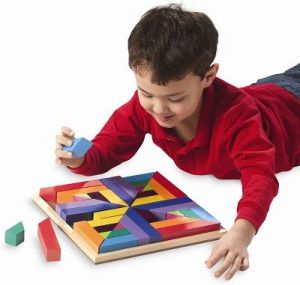
There are many types of memory; episodic, working, procedural, sensory, and so on. But for children, the most important type of memory that they should be exercising is working memory. This is because working memory, a form of short term memory, is where information is consciously stored in the mind at any given moment. We use working memory to be able to remember something long enough to do something with the information.

How does this apply to children? Well, children with better working memory can:

  • Apply previously learned information to new situations
  • Stay focused and on-task
  • Follow complex and multi-step directions

Their attitudes change and they are better-behaved and less likely to daydream and act out during class.

A study in Japan studied eight year old students completing a 10 minute task every day for two months. The students had to recall the second number in a four number sequence and the results showed that there was a 12% increase on their IQ scores than the control group. The study also reports the results on adults had the same effect, although not as dramatic. In conclusion, yes, memory games do improve working memory in children.

Here is a link to an article that lists a bunch of games you can play with children and it includes directions for each game. https://childhood101.com/short-term-memory-games/

If you or someone you know has trouble with attention, please contact our psychotherapy offices in New York or New Jersey to talk to one of our licensed professional psychologists, psychiatrists, psychiatric nurse practitioners, or psychotherapists at Arista Counseling & Psychotherapy. Contact our Paramus, NJ or Manhattan, NY offices respectively, at (201) 368-3700 or (212) 722-1920 to set up an appointment. For more information, please visit http://www.counselingpsychotherapynjny.com/ .

Citations:

https://childhood101.com/short-term-memory-games/

https://thecornerstoneforteachers.com/working-memory-games/

https://www.health.com/syndication/healthy-woman-collapses-rare-brain-condition-icu

http://www.sweetadditions.net/wp-content/uploads/2011/05/Memory-Games.jpg