Throwing Up: The Fear of Throw Up

By Caroline Buchanan

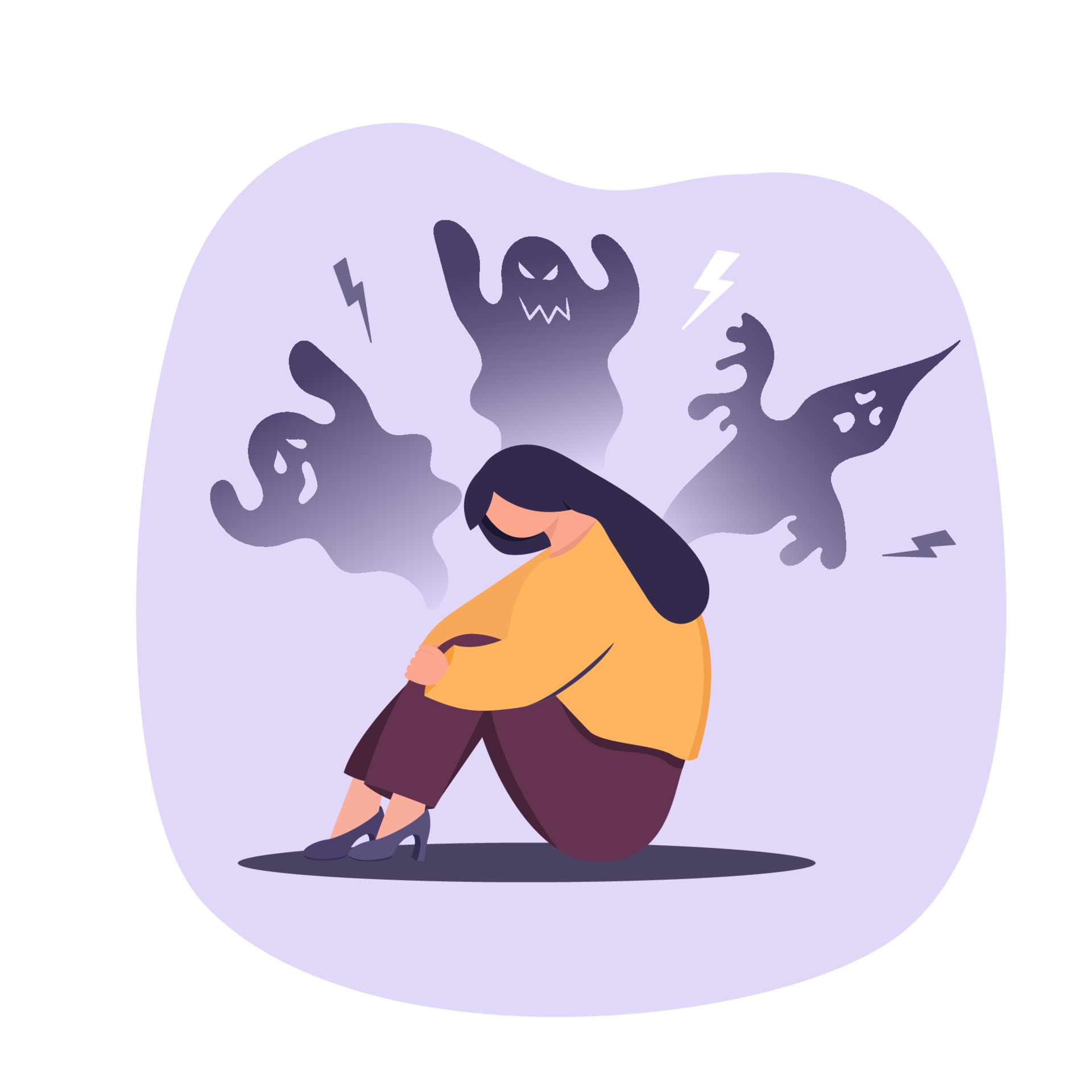
The fear of throw up, also referred to as emetophobia, is a specific phobia that revolves around the fear of vomiting, seeing vomit, watching other people vomit, or feeling sick. Emetophobia tends to leave people in a state of anxiety, overtaking their thoughts and engaging in behaviors that impact their everyday life. For example, you may avoid crowded places, traveling, eating out, or closely monitor your own health in an attempt to reduce the distress you may feel. While this anxiety can feel overwhelming and unbearable at times, this condition can be managed by a therapist.

What causes emetophobia?

Specific phobias tend to develop after a specific incident. As a result of this incident, an association is created between a thing – an object, situation, or an event – and a fear (Psych Central). Specifically in the context of emetophobia, this could involve getting sick in public, someone vomiting on you, having a bad case of food poisoning, or seeing someone else throw up. Emetophobia can also develop without a clear cause, causing experts to believe that genetics and the environment play a role. Regardless of whether you can pinpoint an incident or not, this anxiety can still be managed.

How can emetophobia be managed?

Exposure therapy is considered to be one of the most effective treatments. In this type of therapy, your therapist will expose you to your fear at a slow rate. This could involve trying a new food at a restaurant or spinning around until you feel nauseous. With these actions, you will be provided with techniques to help you cope with these feelings of anxiety. The goal is that the more you are exposed to your fear, the more you feel comfortable with it. Talk therapy and cognitive behavioral therapy (CBT)can also be used to help learn how to identify and challenge negative thought patterns in your anxiety. While it may take some time to find the right therapist and techniques for you, it is worth it to alleviate the distress in your life.

If you or someone you know is suffering from emetophobia, please contact our psychotherapy offices in New York or New Jersey to talk to one of our licensed professional psychologists, psychiatrists, psychiatric nurse practitioners, or psychotherapists at Arista Counseling & Psychotherapy. Contact our Paramus, NJ or Manhattan, NY offices respectively, at (201) 368-3700 or (212) 722-1920 to set up an appointment. For more information, please visit http://www.counselingpsychotherapynjny.com/

https://www.healthline.com/health/emetophobia#outlook

Hypnotherapy: What is it?

Hypnotherapy: What is it?

By Emily Ferrer

Hypnotherapy helps clients gain control over unfavorable behaviors, cope with anxiety or pain, or alter their ideas about a certain idea or image. Hypnosis involves a trained psychologist and entails placing the patient into a trance-like state that can make you feel extremely calm, focused, and open to suggestions[1]. Over many years, hypnosis has been found to help many people with issues such as pain control, chemotherapy, hot flashes, behavioral changes, anxiety, depression, sleep disturbances, Irritable Bowel Syndrome (IBS), addiction, weight loss, and more[2]! In fact, a study done in 1970 found that hypnotherapy has a 93% success rate in less sessions compared to other forms of therapy[3]. The average amount of hypnotherapy sessions needed to see results can be as little as 4 and as much as 15[4]. This is much less than the average number of sessions needed for other forms of therapy, which are usually around 20 or more until you start to see results[5].

You are probably curious what exactly to expect in a hypnotherapy session and how to prepare. There is no preparation needed on your end before your first hypnotherapy session other than an open mind and a willingness to change your behaviors or ideas. The first session will usually not involve any hypnotism, however, the therapist may use this session as an opportunity to get to know you, the problems you are facing, and what you want to change. The second session is usually when your hypnotherapy begins. Your therapist will always explain the process to you and begin by talking in a soothing and gentle voice. The therapist may also start to describe very vivid images to you to create a sense of relaxation and security. Once you are in a relaxed state, your therapist may begin suggesting ways to work towards your goal that you wanted to work on, such as fear, pain, addiction, anxiety, sleep disturbances, etc. This will help you visualize your path to success and believe in your ability to accomplish your goals[6]. Eventually, your therapist will guide you out of your state of relaxation and the hypnosis session will end. Hypnosis can be extremely helpful to those it does work for but suicide/suicidal thoughts is not guaranteed.

If you or someone you know is interested in trying hypnotherapy, please contact our psychotherapy offices in New York or New Jersey to talk to one of our licensed professional psychologists, psychiatrists, psychiatric nurse practitioners, or psychotherapists certified in hypnotherapy at Arista Counseling & Psychotherapy. Contact our Paramus, NJ or Manhattan, NY offices respectively, at (201) 368-3700 or (212) 722-1920 to set up an appointment. For more information, please visit http://www.counselingpsychotherapynjny.com/ .


Sources:

[1] https://www.mayoclinic.org/tests-procedures/hypnosis/about/pac-20394405#:~:text=Hypnosis%2C%20also%20referred%20to%20as,verbal%20repetition%20and%20mental%20images.

[2] https://www.pennmedicine.org/updates/blogs/health-and-wellness/2019/january/hypnosis

[3] Barrios, A. A. (1970). Hypnotherapy: A reappraisal. Psychotherapy: Theory, Research & Practice, 7(1), 2–7. https://doi.org/10.1037/h0086544

[4] https://thehypnosisclinic.com/blog/how-many-sessions-do-i-need/

https://www.mayoclinic.org/tests-procedures/cognitive-behavioral-therapy/about/pac-20384610#:~:text=Length%20of%20therapy,Type%20of%20disorder%20or%20situation

[6] https://www.mayoclinic.org/tests-procedures/hypnosis/about/pac-20394405#:~:text=Hypnosis%2C%20also%20referred%20to%20as,verbal%20repetition%20and%20mental%20images.

The Effects of Agoraphobia

The Effects of Agoraphobia

By: Michaela Reynolds

Agoraphobia is an anxiety disorder that causes an individual to feel an intense fear of being overwhelmed, unable to escape, or unable to get help. Due to this intense fear and anxiety, people will often avoid new places and unfamiliar situations. New places or unfamiliar situations include: open or enclosed spaces, places outside their home, crowds, and public transportation. Usually, Agoraphobia begins with a stressful event that makes an individual feel distressed and in turn, limits their contact with the world. This limitation of contact causes avoidant-behaviors with time the individual remains confined to their home. Agoraphobia is also caused by a stressful life event that triggers a panic attack. Due to the unpleasantness of panic attacks, the individuals will avoid any place or situation that will trigger another panic attack. These instances show that agoraphobia develops over time, rather than happening all at once.

The signs of agoraphobia are similar to a panic attack disorder, but the following symptoms can still occur:

  • Chest pain or rapid heart rate
  • Upset stomach
  • Dizziness or lightheadedness
  • Sudden chills or flushing
  • Fearfulness
  • Hyperventilation
  • Excessive sweating

If you or someone you know is struggling with agoraphobia, please contact our psychotherapy offices in New York or New Jersey to talk to one of our licensed professional psychologists, psychiatrists, psychiatric nurse practitioners, or psychotherapists at Arista Counseling & Psychotherapy. Contact our Paramus, NJ or Manhattan, NY offices respectively, at (201) 368-3700 or (212) 722-1920 to set up an appointment. For more information, please visit http://www.counselingpsychotherapynjny.com

Sources:

https://my.clevelandclinic.org/health/diseases/15769-agoraphobia

https://www.betterhealth.vic.gov.au/health/conditionsandtreatments/agoraphobia#complications-of-agoraphobia

 Image: https://www.rismedia.com/2020/11/05/are-you-agraid-you-might-have-agoraphobia/

Separation Anxiety Disorder (SAD) in Children

By: Tamar Asayan

School Phobia is now referred to Separation Anxiety. It can also be known as school refusal or school avoidance because it makes going to school very difficult for children. Separation Anxiety Disorder is when someone has excessive fear or anxiety about leaving their home or an attachment figure. In children, their attachment figure is usually their parents because they see them as a figure of protection and do not want to leave their side. Humans require an attachment to parental figures because they provide love, protection, and care to us. Children attach their deepest fears to their parents because they believe they can make any fear go away.

Children who have separation anxiety have a difficult time sleeping alone, going to school, avoiding play dates, and do anything to stay at home with their parents. They also experience symptoms of dizziness, upset stomach, nausea, vomiting, headaches, and have difficulty sleeping. These symptoms can lead to children not wanting to leave their house even more because the thought of a parent leaving can give symptoms of panic and anxious thoughts.

Separation Anxiety Disorder is more common in children who suffer from parents separating or going through a divorce. Any detachment from a parent is experienced as a life threatening danger to the child. They fear they no longer will be protected and will be left alone by their parents. These feelings of anxiety are relieved when they are safe in the presence of their parents to reassure them that they are not going anywhere. In order for children to overcome their separation anxiety and their fear to attend school it is important to seek help as early as they can.

The best method in treating Separation Anxiety Disorder is by Cognitive Behavioral Therapy (CBT); it helps parents and children learn new coping skills when they are separated from each other. It is also important to make your child feel safe and protected in the environment they are living in and develop trust in their parents that they are not going to leave them.

If you are a parent and are concerned about your child having separation anxiety call the licensed psychologists, psychiatrists, psychiatric nurse practitioners, and psychotherapists at Arista Counseling & Psychotherapy can assist you. Contact our Paramus, NJ or Manhattan, NY offices respectively, at (201) 368-3700 or (212) 722-1920 to set up an appointment. For more information, visit http://www.counselingpsychotherapynjny.com/

Source: https://www.psychologytoday.com/us/blog/inside-out-outside-in/201505/what-is-separation-anxiety 

Image: http://childcarephysicans.com/wp-content/uploads/2013/08/blide.jpeg