Anxious Thoughts: How to Quite Them with Simple Self-Talk

Anxious Thoughts: How to Quite Them with Simple Self-Talk

By: Angy Farhat

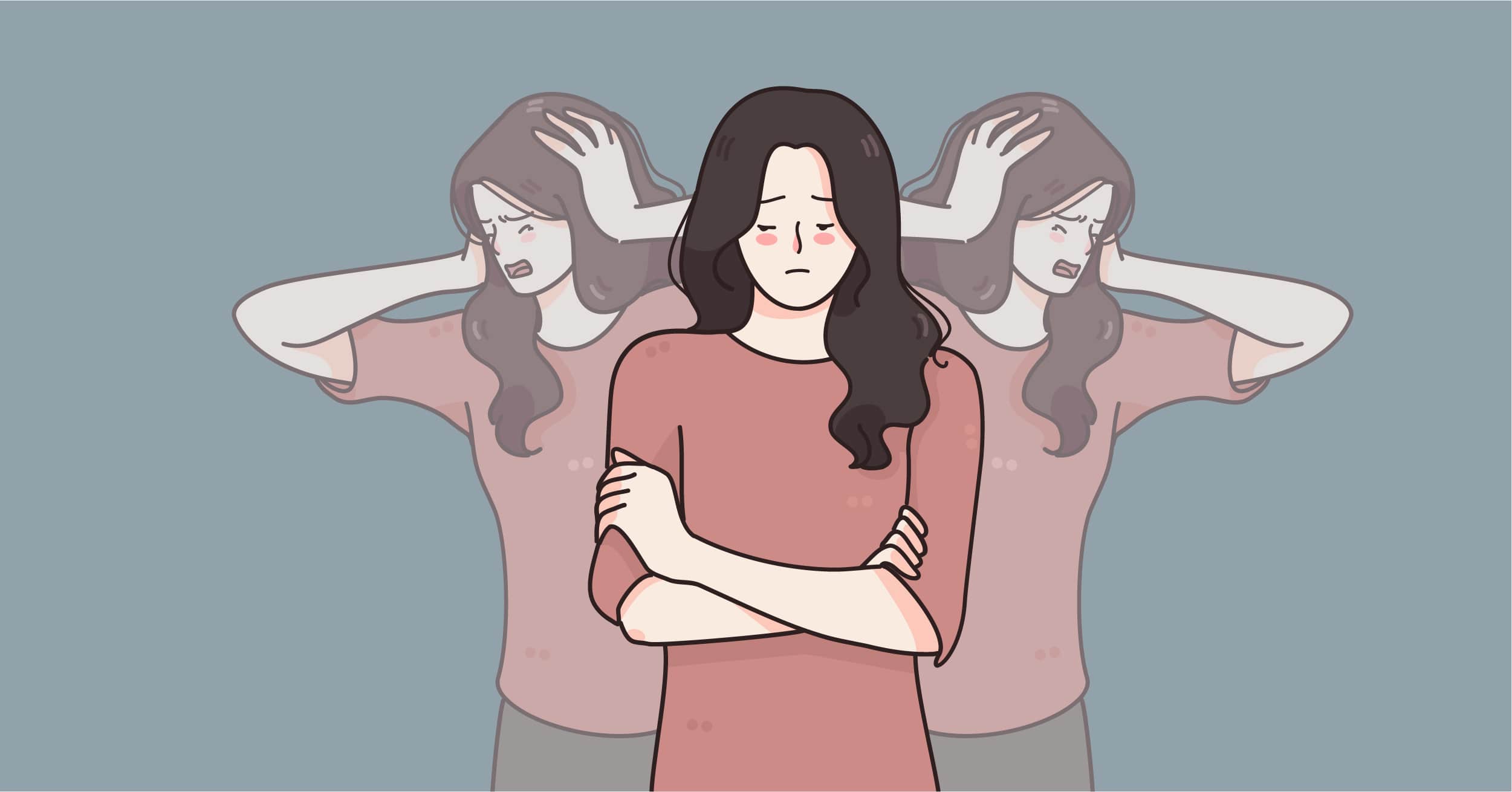
Have you ever noticed how your anxious thoughts can feel like a loud, persistent soundtrack playing in the background of your mind? They might be vague (“Something bad is going to happen”) or specific (“I might crash my car”), but either way, they tend to disrupt your day and leave you feeling tense and worried. What if you could turn down the volume of these thoughts and take back control?

One powerful technique to combat these overwhelming thoughts is by using self-talk. Anxious thoughts often feel like promises of disaster—dangerous predictions that seem almost certain. But what if you could challenge these thoughts with statements that offer reassurance instead of fear?

Here’s how it works: When you experience a fearful or anxious thought, you can counter it with a more grounded, calming statement. For example, if your anxious thought is “I am in danger,” you can respond with “I am safe right now.” It’s a simple but effective strategy to shift your mindset from panic to calm.

Take John, for instance. He’s driving on the highway, and his anxious thoughts spiral: “This is dangerous… anything could happen… I won’t be able to react in time… people crash on highways all the time.” These thoughts feed off each other, growing louder and reinforcing the feeling that disaster is imminent. The more he believes them, the more overwhelming they become. But here is where self-talk can make a difference. Instead of surrendering to the anxiety, John could pause, take a deep breath, and remind himself, “I’ve driven this highway countless times, and I’ve always been fine.” With this gentle challenge to his anxious thoughts, James gains a sense of control and the volume of his fears starts to decrease.

Think of this like getting rid of an earworm, that catchy song that sticks in your head and won’t go away. When you finally shake it off, you’re left with relief—and space for something more positive. Using self-talk to challenge anxious thoughts is a way to reclaim that mental space. You stop focusing on the worst-case scenario and make room for calmer, more rational thoughts.

Here are a few more examples of how you can challenge anxiety-driven thoughts:

  • “I am in danger” → “I am completely safe in this moment.”
  • “I am going to fail” → “I have succeeded at many things. I typically figure things out.”

The key is to remember that you have the ability to influence your thoughts. By gently confronting your anxious monologue with calm, factual responses, you can reduce its power. Over time, this can help you feel less overwhelmed by anxiety and more in control of your emotional state.

So, next time your anxious thoughts start to rise, try using self-talk to quiet them down and bring yourself back to a place of peace.

If you or someone you love is struggling with anxiety, please contact our psychotherapy offices in New York or New Jersey to talk to one of our licensed professional psychologists, psychiatrists, psychiatric nurse practitioners, or psychotherapists at Arista Counseling and Psychotherapy. Contact our Paramus, NJ, or Manhattan, NY offices respectively, at (201) 368-3700 or (212) 722-1920 to set up an appointment. For more information, please visit http://www.counselingpsychotherapynjny.com/. 

References:

Depression: What is dysthymia?

Depression: What is dysthymia?

By: Josette DeFranco

Dysthymia is mild but has more long-lasting symptoms than major depression. Dysthymia is also known as persistent depression disorder because it is continuous and long-term. There is no exact cause of dysthymia but biological differences, brain chemistry, life events, and inherited traits can play a role. It has been demonstrated that those with depression don’t have any family history of this disorder and those with a family history of depression don’t struggle with this disorder.

Some noticeable symptoms of dysthymia:

  • Loss of enjoyment of regular activities
  • Sadness or depressed mood
  • Lack of motivation
  • Tiredness
  • Sleep problems
  • Problems with decision-making or concentration
  • Restlessness and impatient
  • Low self-esteem
  • Overeating or eating very little
  • Suicidal thoughts
  • Substance misuse
  • Relationship difficulties
  • School or work hardships

Some ways to help prevent dysthymia:

  • Reach out to friends and family
  • Seek medical professional help
  • Work on reducing stress
  • Be patient
  • Be kind to yourself
  • Practice self-care
  • Don’t self-medicate

If you or someone you know is struggling with their mental health, please contact our psychotherapy offices in New York or New Jersey to talk to one of our licensed professional psychologists, psychiatrists, psychiatric nurse practitioners, or psychotherapists at Arista Counseling & Psychotherapy. Contact our Paramus, NJ, or Manhattan, NY offices at (201) 368-3700 or (212) 722-1920 to schedule an appointment. For more information, please visit https://aristapsychiatrypsychotherapy.com/

Resources:

https://www.webmd.com/depression/chronic-depression-dysthymia

https://www.mayoclinic.org/diseases-conditions/persistent-depressive-disorder/symptoms-causes/syc-20350929

Depression: Postpartum Depression

Depression: Postpartum Depression

By: Josette DeFranco

Postpartum depression is a vulnerable time for a woman’s health. Many women are experiencing mood changes and are expected to have an amazing transition into motherhood. However, many women struggle with mental health issues after giving birth. It’s important to spread awareness and show support to the women who are struggling with postpartum depression.

Postpartum depression symptoms start to occur four to six weeks after giving birth and can gradually decrease as time goes on. Nonetheless, depression can reoccur within three years after pregnancy or giving birth. Some common symptoms of postpartum depression can be intrusive, unwanted thoughts and postpartum rage.

Here are some ways to help someone you know or who is struggling with postpartum depression:

  • Seek help from a licensed mental health professional
  • Look for a community to help you in both emotional and practical ways
  • Practice mindfulness and relaxation therapy
  • Use positive affirmations and be more kind to yourself
  • Practice skin-to-skin care which can help with reducing the stress hormone cortisol
  • Avoid alcohol or recreational drug use
  • Eat healthy
  • Prioritize rest for yourself
  • Gaining more knowledge about postpartum depression

If you or someone you know is struggling with their mental health, please contact our psychotherapy offices in New York or New Jersey to talk to one of our licensed professional psychologists, psychiatrists, psychiatric nurse practitioners, or psychotherapists at Arista Counseling & Psychotherapy. Contact our Paramus, NJ, or Manhattan, NY offices at (201) 368-3700 or (212) 722-1920 to set up an appointment. For more information, please visit https://aristapsychiatrypsychotherapy.com/

Resources:

https://www.psychologytoday.com/us/blog/parenting-translator/202306/how-to-improve-postpartum-mental-health

Postoperative Cognitive Dysfunction

Postoperative Cognitive Dysfunction

By Madison Gesualdo

Postoperative cognitive dysfunction (POCD) refers to a decline in neurocognitive function from a patient’s baseline functioning that occurs in individuals who undergo surgical processes and are put under anesthesia. Postoperative cognitive dysfunction complicates a patient’s central nervous system, delaying their neurocognitive recovery process as a whole. Individuals who endure POCD typically experience issues with their attention span, memory, learning, perception, executive functioning, and motor skills. POCD is not to be confused with postoperative delirium; while postoperative delirium is an acute state of neurocognitive functioning lasting approximately 1-3 days post-surgery, POCD typically persists longer, lasting weeks, months, or in some cases, years.

While POCD is not yet a formal psychiatric diagnosis, it is characterized by the DSM-5 as a mild neurological disorder, falling under the cognitive impairment classification. POCD occurs in roughly 10-54% of patients within the first few weeks of surgery.

A variety of risk factors for POCD have been identified, including advanced age, severity of the surgery being performed, type and amount of anesthesia being used, electrolyte imbalance, and pre-existing conditions (such as dementia and diabetes). These factors are examples of factors that would put a patient at higher risk for suffering from POCD after his or her surgery.

Although no specific treatment exists for postoperative cognitive dysfunction, different treatment methods have proven to reduce the effects of the condition. These methods include, but are not limited to:

  • Anti-inflammatory drugs
  • Biologically active substances
  • Surgical techniques and anesthesia best suited to fit the specific patient being operated on
  • Improving a person’s cognitive functioning prior to surgery

If you or someone you know is struggling with mental health issues, please contact our psychotherapy offices in New York or New Jersey to talk to one of our licensed professional psychologists, psychiatrists, psychiatric nurse practitioners, or psychotherapists at Arista Counseling & Psychiatric Services. Contact our Paramus, NJ or Manhattan, NY offices respectively, at (201) 368-3700 or (212) 722-1920 to set up an appointment. For more information, please visit http://www.counselingpsychotherapynjny.com/

References:

Brodier, E. A., & Cibelli, M. (2021). Postoperative cognitive dysfunction in clinical practice. BJA Education, 21(2), 75–82. https://doi.org/10.1016/j.bjae.2020.10.004

Spriano, P. (2024, September 9). What do we know about postoperative cognitive dysfunction? Medscape Medical News. https://www.medscape.com/viewarticle/what-do-we-know-about-postoperative-cognitive-dysfunction-2024a1000g9b?ecd=WNL_trdalrt_pos1_240909_etid6816496&uac=445328CY&impID=6816496

Zhao, Q., Wan, H., Pan, H., & Xu, Y. (2024). Postoperative cognitive dysfunction-current research progress. Frontiers in Behavioral Neuroscience, 18, 1328790. https://doi.org/10.3389/fnbeh.2024.1328790

Mental Health Services: The Significance of Geography

By: Nicole Cutaia

Mental Health Services: The Significance of Geography

            While numerous mental health services are available today, the abundance and equality of services and resources depend on the location. Some individuals reside in rural landscapes where the nearest healthcare professional, psychiatrist, psychologist, or clinical social worker can be miles and miles away. This can become an issue for individuals who need mental health treatment and assessment in a physical setting. Although telehealth is an alternative option for face-to-face appointments, many may not gravitate toward the technology option.

            Depending on the diagnosis, receiving face-to-face treatment and therapy can be the most beneficial to managing the diagnosis. Unfortunately, due to the distance, some individuals would rather decide to not treat their mental illness and continue to live with it. If something is so far out of the way, it may feel like a chore or burden for individuals to attend to instead of viewing it as a resource to benefit their mental stability and mental balance.

            Also, the stigma and awareness about mental health depend on where someone lives. Based on the area, the education focused on mental health can be very limited or ample. Therefore, if an individual happens to reside in an area with little to no education toward mental health, the treatment and the services may not normalized and accepted. This unfortunately may then lead to individuals not receiving the assistance they need.

 If you or someone you know is having mental health difficulties and/ or experiencing symptoms of any form of inner conflicts, please contact our psychotherapy offices in New Jersey to talk to one of our licensed professional psychologists, psychiatrists, psychiatric nurse practitioners, or psychotherapists at Arista Counseling & Psychotherapy. Contact our offices at (201) 368-3700 or (212) 722-1920 to set up an appointment. For more information, please visit http://www.counselingpsychotherapynjny.com/

What Not To Say To Your Grieving Friend

By: Tehila Strulowitz

After hearing the tragic news of a death, there are three possible reactions the bereaving person could have to our response: feel even sadder, become angry, or feel reassured that things will be okay. We, as the reactor who is not directly experiencing their exact loss, want nothing more than to miraculously attain Merlin’s wand, and magically make their sadness, pain, confusion, and grief disappear. We just want to make it better. But for some reason, a completely inoffensive, caring response seems like it’s a fictional, fantastical possibility.

With a response that knocks us loving, caring people to our knees, Litsa Williams, licensed clinical social worker and creator of an online grief community called What’s Your Grief, says that none of our well-thought-out poignant phrases, earnest lamentations, or solemn sorrow at the beginning of the grieving process “can’t make it even a little bit better.” To prove her point, Williams brought some examples of common, pithy sayings that people say and the counterexamples of the griever’s possible thoughts in response:

Well-meaning person: “He/she is in a better place now.” Grieving person: I couldn’t care less! I want them here with me now!

  • What we learn: Closely following the death, a grieving person won’t find comfort in other people telling them that their loved one is “in a better place.” At that moment, they just want them back, and think there is no “better place” than being right here on Earth with them. It can also perpetuate confusing thoughts they are having about an afterworld, and it may induce guilt because they believed their whole lives that Heaven is a good place, but right now they don’t want that loved one to be in Heaven – they want them here.

Well-meaning person: “I know how you feel.” Grieving person: No losses are the same. Stop trying to compare your pain to my current pain. You can’t possibly feel exactly what I am feeling.

  • What we learn: Comparing grief doesn’t get anyone anywhere. Even if you might think that it’s rational that you lost your loving mother and so did your friend, your friend isn’t in the headspace to start having that conversation. They want to be comforted – not told that their grief is comparable to yours, or anyone else’s, for that matter.

Well-meaning person: “It will get easier.” Grieving person: It’s impossible for me to forget the person I love, and will never move on from this strong, intense grief! It would be wrong to do that to them and their memory!

  • What we learn: Williams points out, “Remember, this list is not about things that aren’t true.  It is about things that aren’t helpful to say.” Rationally, we know that most people learn to live with the grief, and the pain doesn’t feel as strong or new over time, but when that bereaved person is still processing the death and feeling the fresh, raw sting of the loss, they want nothing other than for someone to recognize, accept, and hold their hand through their current reality. Additionally, they may feel like it’s unjust or cruel to start healing and “moving on” from the one they are grieving. They probably won’t want to even imagine the possibility of letting go of that pain to some extent. Giving them the space to feel their grief at the moment is crucial so that they know that your intentions are to be there if they ever need a shoulder to cry on, a hand to squeeze, or some more tissues delivered, and not to be imposing or offering what you think to be wisdom but they think to be insulting, hurtful, or condescending.

Well-meaning person: “God has a plan,” “It was God’s will,” or “Everything happens for a reason.” Grieving person: Why would God plan or will something so painful to someone? Why would God make us suffer and feel pain like this? I don’t care if this is God’s plan or not – it sucks.

  • What we learn: Many do find it comforting to think that there is a greater plan that God has for them. However, the grief and intense pain they feel now might cause them to doubt, or even hate, God, religion, or even their faith and beliefs as a whole. These troubling thoughts can even occur in the minds of very religious people. Williams says that it can even cause faith-based doubts in the minds of those who do not consider themselves religious. To sum up, Williams says, “Better safe than sorry – steer clear.”

Essentially, grieving people are uninterested in comparing or doubting anything. They just want to be listened to. Williams suggests doing things to remove stress and help them feel at ease during the process, whether that be sending over meals, arranging for childcare, or helping financially by collecting funds for the funeral costs, just to name a few. Frequently, those grieving don’t remember what you said, so don’t worry about possibly hurting a grieving friend or loved one in the past. Just focus on listening, being sympathetic, and loving.

While experiencing feelings of grief, some may have difficulties such as trouble sleeping, concentrating, eating, anger, extreme sadness, difficulty socializing, drinking alcohol, smoking, or using drugs, just to name a few. Some disorders related to grief or losing a loved one include acute stress disorder, depression, generalized anxiety disorder, panic disorder, post-traumatic stress disorder, prolonged grief disorder, and substance use disorder.

Depression: Do Genetics Play a Role in Depression

Depression: Do Genetics Play a Role in Depression

By: Josette DeFranco

Major depressive disorder is a condition that affects many individuals. Major depressive disorder can range from being clinically mild and short-lasting to recurring over and over again, to being highly chronic and treatment-resistant. Depression is known to run in families indicating that there are genetic factors. It can be a combination of life experiences and environment. Genetics plays a mild role in depression. Also, families with certain genetic patterns lived eight years shorter than average. As depression may range from transient to debilitating it is expected that many different sets of genetic alterations are involved. Some genes are associated with weight and body, neuron development, and brain inflammation and another group is associated with proteins that tell the immune system which cells are friendly and which are not. This means that our genetics can not only influence our physical characteristics but also how our brain functions and our immune system interacts and identifies with different cells in the body. Your environment can modify the genetic factors that play a role in depression.

If you are concerned about a strong history of depression in the family and are scared about it affecting you or your future children a study suggests that even with a high tendency for depression, psychotherapy or behavioral activation therapy can reduce it. Individuals need to understand the life-changing impact their environment can have on their mental health. Our emotions are generated by our thinking which may serve as an influence on our behaviors. You may have had genetic roots of depression, a difficult upbringing, or a terrible tragedy that has currently occurred but if you change your thinking then your emotions will change as well.

If you or someone you know is struggling with their mental health, please contact our psychotherapy offices in New York or New Jersey to talk to one of our licensed professional psychologists, psychiatrists, psychiatric nurse practitioners, or psychotherapists at Arista Counseling & Psychotherapy. Contact our Paramus, NJ or Manhattan, NY offices respectively, at (201) 368-3700 or (212) 722-1920 to set up an appointment. For more information, please visit https://aristapsychiatrypsychotherapy.com/

Sources:

https://www.psychologytoday.com/us/blog/the-athletes-way/201603/depression-new-research-shows-genetics-are-not-destiny

https://www.psychologytoday.com/us/blog/psychiatry-the-people/201804/massive-study-clarifies-genetic-risks-major-depression

https://www.psychologytoday.com/us/blog/the-three-minute-therapist/202007/overcoming-genetically-based-depression

Depression: Let’s Talk About It

By: Nicole Cutaia

Depression: Let’s Talk About It

Depression is often times stereotyped through societal misconceptions and labels that portray individuals experiencing the condition as weak or even attention-seeking. But it is important to normalize depression, Having depression does not mean one is weak, a failure, or lazy, it simply means one needs mental health assistance. The stigma against mental health is a reason to why people battling with mental disorders such as depression, do not reach out for therapy or treatment.

Normalizing depression also allows individuals to become exposed to and educated on the mental disorder. Some people are genuinely not aware of what specific mental illnesses or disorders are so having an open discussion is very important.

Common symptoms of depression are constantly experiencing sadness or feeling the need to cry, feeling remorseful; life beginning to seem meaningless, having a negative attitude, decreasing activities you used to enjoy, changes in sleep, and experiencing irritability.

Life can get very busy and overwhelming; putting your mental health first is a priority. If you or any loved ones you know are experiencing symptoms of depression, it is vital to talk to someone.

If you or someone you know is having mental health difficulties and/ or experiencing symptoms of depression, please contact our psychotherapy offices in New Jersey to talk to one of our licensed professional psychologists, psychiatrists, psychiatric nurse practitioners, or psychotherapists at Arista Counseling & Psychotherapy. Contact our offices at (201) 368-3700 or (212) 722-1920 to set up an appointment. For more information, please visit http://www.counselingpsychotherapynjny.com/

How to Help Children Cope with Grief and Loss

How to Help Children Cope with Grief and Loss

By: Josette DeFranco

A question you don’t hear enough but should be asked more is “What is grief?” Grief is the terrible pain that accompanies loss. Since grief is a reflection of our love, it can feel suffocating. There is no time limit for healing the pain that comes along with loss. Many individuals try to suppress their pain and agony causing them to feel guilt and stagnant. Many individuals may experience grief in short passes where the feeling of distress and sadness comes and goes. Meanwhile, others may experience grief for a long period, such as months or years. It’s important to remind yourself and others that you can grieve at your own pace.

In addition, children experience grief and loss in many different ways. Children are like sponges; they take in information through observation and learned behavior. Although they are young they have deep feelings and can understand their own emotions more than it is perceived. When children grieve it can be a confusing time for them and parents. Do you tell the truth? Or do you rationalize and give simple answers such as “Grandpa is just sleeping.” Being present with them allows you to grieve as well. When children see that their parents can be vulnerable and compassionate it allows them to express themselves and be who they really are.

Here are a couple of ways to help children cope with grief:

  • You can tell children the truth, even though you might not include all the specific information. Mentioning to them that Grandpa is sleeping may cause them to feel afraid to go to sleep or telling them he is in heaven may make them pack their belongings and find heaven. Be clear, honest, and simple.
  • Allow them to ask questions. You can’t protect them from the truth but you can give them your empathetic support and love.
  • Attending the funeral or keeping children home. Ask your child and allow them to decide. If they say yes, have someone who will be present with them and can keep them occupied in case being around sad adults gets overwhelming. If they say no, you can offer another way to remember or honor the person such as showing pictures or lighting a candle.
  • Give reassurance.

If you or someone you know is struggling with their mental health, please contact our psychotherapy offices in New York or New Jersey to talk to one of our licensed professional psychologists, psychiatrists, psychiatric nurse practitioners, or psychotherapists at Arista Counseling & Psychotherapy. Contact our Paramus, NJ, or Manhattan, NY offices respectively, at (201) 368-3700 or (212) 722-1920 to set up an appointment. For more information, please visit https://aristapsychiatrypsychotherapy.com/

Sources:

https://www.psychologytoday.com/us/blog/playful-parenting/202301/how-to-help-children-cope-with-death-and-grief

https://www.psychologytoday.com/us/blog/tales-of-grief/201903/when-children-grieve

https://www.psychologytoday.com/us/basics/grief

Social Anxiety in Back to School Students

Social Anxiety in Back to School Students

By Melissa Rodriguez

Going back to school can be exciting for students of all ages. Along with the feelings of newness and back-to-school excitement, feelings of nervousness and social anxiety can also arise. Students may feel nervous or anxious starting a new school year. All of the new people students will be around and the new environment they are placed in can cause them to feel socially anxious, unsure, or nervous about the new changes. According to the National Institute of Mental Health, about an estimated 31.9% of young people experience at least one anxiety disorder in their lifetime.  

Social anxiety is a fear of social situations. Those with social anxiety are usually more shy, quiet, and overall socially reserved. Some physical symptoms students with social anxiety may feel are: shortness of breath, a churning sensation in the stomach, palpitations, out of body experiences, muscle tension, and feeling lightheaded or dizzy sensations. Some psychological symptoms students may face are: a constant feeling of being judged in social settings, always worrying that you will embarrass or humiliate yourself, having a crippling fear of interacting socially with others, avoiding an event or interaction where you feel you are the center of attention, and constantly being critical of and judging oneself.

If back-to-school anxiety persists longer than the first couple weeks and if you notice that it is causing distress to the daily life of the student, meeting with a therapist may be beneficial to help the student better manage their symptoms and help them go back to school comfortably. This may increase their confidence in school or other social settings, and help them feel more comfortable and confident in their new social environments.  

If you, your child, or someone you know is experiencing back-to-school anxiety, social anxiety, or other anxiety disorders or mental health issues, please contact our psychotherapy offices in New York or New Jersey to talk to one of our licensed professional psychologists, psychiatrist, psychiatric nurse practitioners, or psychotherapists at Arista Counseling & Psychotherapy. Contact our Paramus, NJ or Manhattan offices respectively, at 201-368-3700 or 212-722-1920 to set up an appointment. Please visit http://www.counselingpsychotherapynjny.com/ for more information.

Sources:

https://adaa.org/learn-from-us/from-the-experts/blog-posts/consumer/back-school-anxiety-what-parents-and

Image Source: https://www.educare.net.au/living-with-social-anxiety-personal-stories-and-coping-mechanisms/