The Empty Nest Syndrome

The Empty Nest Syndrome

By Erika Ortiz

            There comes a time when parents reach the end of raising their kids to become young adults that have to venture off into the real world. As they prepare to face all of life’s trials and experiences that await them, what’s going on with the parents? Many some parents experience the empty bird’s nest syndrome. It is not a mental disorder or illness of some sort; however, it is a deep and perpetuating feeling of sadness parents temporarily experience when their child finally leaves to create a life of their own. Why does this happen? Parents spend the majority of their time raising their children and investing an immense amount of love and care towards them as well. Mom would wake you up for school; Dad would pick you up from practice; Mom made dinner for the family; Dad made you help him with fixing up something in the house every morning on the weekend. Parents’ entire lives revolve around essentially taking care and nurturing the development of their children. Once the realization the child is now “leaving the nest” parents are left with the question; “What now?”

           A great way to cope with this feeling is to start a hobby or activity. Try taking up running again; try cooking that one meal you saw on the Food Network you always wanted to or read that book you saw in the bookstore. It’s important to now refocus on yourself as parents. Parents sometimes suffer an identity crisis or “mid-life crisis” where they feel they lose themselves individually. Of course, your children will always be your children, and you will always be there for them. But realize that it is also necessary to now invest time in you as well. Another way to cope is to try and rekindle your relationship with your spouse or, for single parents, go out and date. Of course, if this feeling becomes severe or you feel helpless, please consider getting professional help. The empty nest syndrome can easily slip into something serious.

If you or someone you know is experiencing severe loneliness or sadness, please contact our psychotherapy offices in New York or New Jersey to talk to one of our licensed professional psychologists, psychiatrists, psychiatric nurse practitioners, or psychotherapists at Arista Counseling & Psychotherapy. Contact our Paramus, NJ or Manhattan, NY offices respectively at (201) 368-3700 or (212) 722-1920 to set up an appointment. For more information, please visit https://www.counselingpsychotherapynjny.com

Source

https://www.lifehack.org/809725/empty-nest-syndrome

Trauma: Coping Strategies

By: Shameen Joshi

Traumatic events can be scary and they can cause high levels of stress for an individual going through the experience. It can affect the individual both physically and mentally. Traumatic events can range from natural disasters such as hurricanes or floods, violence such as abuse or mass shootings and other traumatic events such as car crashes and accidents. Responses to trauma can vary, however, the most general responses can include:

  • Being anxious
  • Angry
  • Sad
  • Trouble sleeping
  • Continually thinking about the incident

Individuals who do not seek help from professionals or do not have support from family or friends may develop more severe symptoms. To deal with severe symptoms without help, individuals may turn to drugs or alcohol in order to cope. The relief may be temporary but drugs, and alcohol can lead to a whole new set of problems that can be significantly harder to address.

There are healthier ways to cope with the traumatic event such as:

  • Avoiding alcohol and other substances
  • Spending time with those who are closest to you such as close friends and family
  • Actively trying to follow healthy routines in regards to meals, exercise and sleep

Staying active is a great way to cope with stressful feelings about the traumatic situation. If the feelings are persistent then talking to a psychologist, psychiatrist, and other mental health professionals can be a great way to relieve those symptoms.

You are not alone and there is a way out of those persistent feelings.

If you or someone you know is experiencing Trauma, please contact our psychotherapy offices in New York or New Jersey to talk to one of our licensed professional psychologists, psychiatrists, psychiatric nurse practitioners, or psychotherapists at Arista Counseling & Psychotherapy. Contact our Paramus, NJ or Manhattan, NY offices respectively at (201) 368-3700 or (212) 722-1920 to set up an appointment. For more information, please visit https://www.counselingpsychotherapynjny.com

Anxiety: Test Taking Anxiety. What is it & How to overcome it?

Anxiety: Test Taking Anxiety. What is it & How to overcome it?

By: Julissa Acebo
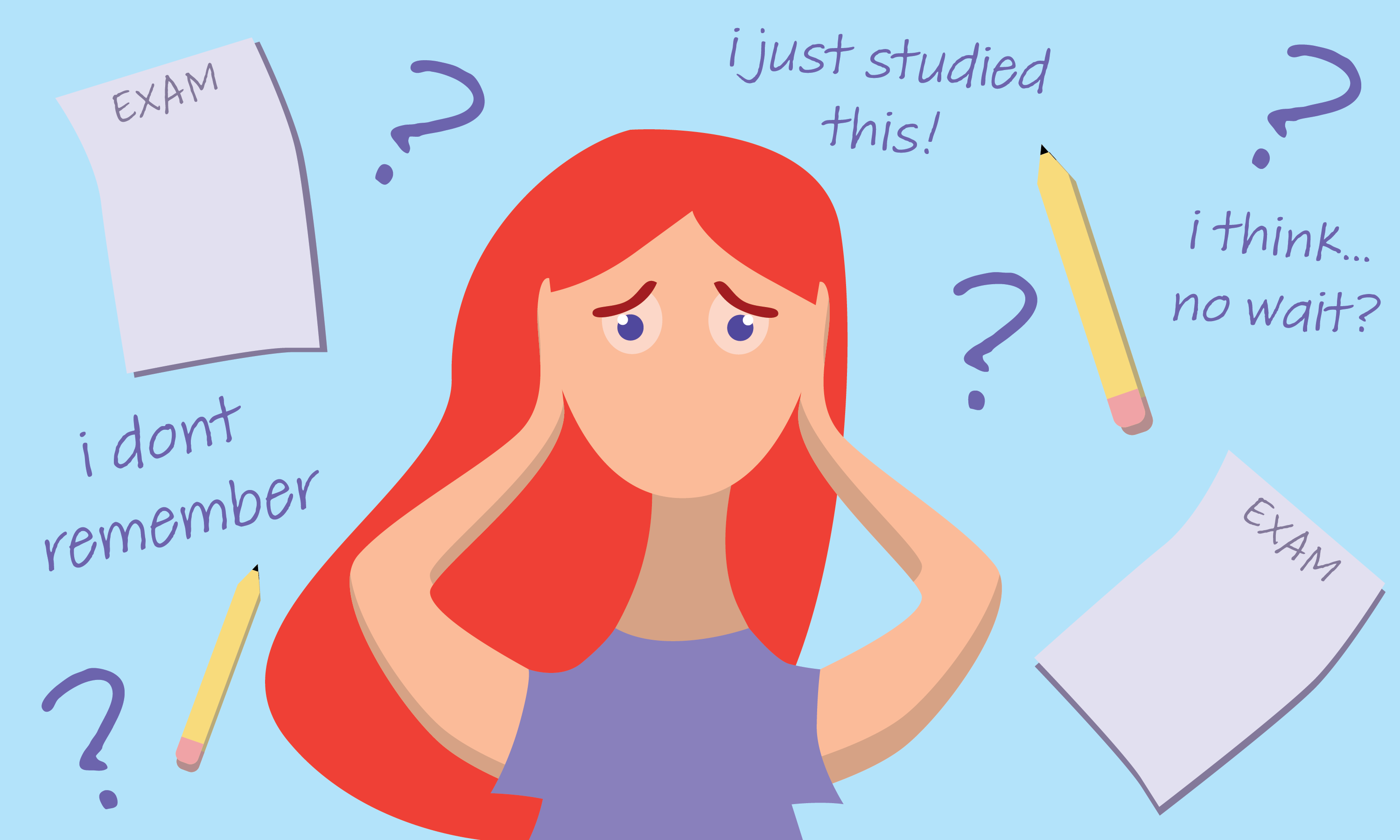
Do you ever experience a feeling of agitation and distress while taking an important test or exam? Followed by rapid heartbeat, muscle tension, or struggle to catch your breath? These are all symptoms of test taking anxiety which is common among many people. Some anxiety is natural and helps to keep you prepared for an exam, or mentally and physically alert, but too much can cause physical distress and/or concentration difficulties.

Test taking anxiety can:
• Impact your ability to study or perform well on a test
• Derail weeks and months of hard work
• Cause poor understanding and association of content, which inhibits your ability to recall information

Test taking anxiety tips:

  1. Be prepared
    • Talk to teacher, professor, or boss to get an idea of what to expect on the test
    • Leave ample time to study for the test. Do not wait for the night before
  2. Let go of perfectionism
    • It is impossible to learn every detail of the material that was taught
    • Focus on the most important concepts and learn them well enough to teach them
    • When you know that you have done your best and worked hard it is the only thing that matters, not the perfection.
  3. Make sure to get enough sleep the night before
    • At least 7-9 hours of a good night’s sleep will help concentration and memory
  4. Control negative thoughts
    • Counter any negative thoughts with other, more valid thoughts
    • For example, replace “I’m not good enough,” “I didn’t study hard enough,” or “I can’t do this” with “I CAN do this,” “I know the material,” and “I studied hard.”
    If all else fails, seek professional help to help you overcome your test taking anxiety.

If you or someone you know is experiencing Test Taking Anxiety, please contact our psychotherapy offices in New York or New Jersey to talk to one of our licensed professional psychologists, psychiatrists, psychiatric nurse practitioners, or psychotherapists at Arista Counseling & Psychotherapy. Contact our Paramus, NJ or Manhattan, NY offices respectively at (201) 368-3700 or (212) 722-1920 to set up an appointment. For more information, please visit https://www.counselingpsychotherapynjny.com

Sources:
https://shcs.ucdavis.edu/health-topic/test-taking-and-anxiety#:~:text=Test%20anxiety%20is%20a%20feeling,emotional%20upset%2C%20and%20concentration%20difficulties.
https://www.brown.edu/campus-life/support/counseling-and-psychological-services/managing-test-anxiety
https://northhowler.com/2291/news/test-anxiety-affecting-students/

Bulimia Nervosa: Benefits of Therapy

Bulimia Nervosa: Benefits of Therapy

By: Julissa Acebo

Bulimia Nervosa is an eating disorder marked by binging (consuming large amounts of food in a short period of time), followed by methods to avoid weight gain (i.e. self-induced vomiting). Primary treatments for bulimia nervosa include psychotherapy (i.e. cognitive behavior therapy), antidepressants, and nutritional counseling.

The major benefits of therapy for bulimia nervosa include, but are not limited to:

  1. A chance for clients to express themselves in a safe environment
    • An individual may have several questions or concerns about their disorder and their ability to overcome it which can be addressed in therapy
    • Provides clients with an opportunity to speak freely about their feelings and concerns
    • Judgement free zone
  2. Enhancement of the client’s understanding of their condition
    • A therapist can help you understand the unique factors that led to the development of your eating disorder
    • You will gain insight into the risks and effects of the disorder on your life
    • Your therapist will discuss steps needed to be taken to overcome bulimia nervosa
  3. Identification and treatment of co-occurring disorders
    • Patients with eating disorders often have co-occurring mental health problems (i.e. bipolar disorder, depression, anxiety, etc.)
    • Your therapist will look for and will identify any co-existing disorders and proper treatment will be recommended, this will improve patient outcomes overall
  4. Development of better body image and self-esteem
    • One of the goals in therapy will be to evaluate the client’s self-esteem and body image
    • If your therapist finds that you have low self-esteem and/or a negative body image, they will work with you to correct these issues through therapy
    • In turn will reduce the chances of relapse after treatment is complete

If you or someone you know is experiencing Bulimia Nervosa please contact our psychotherapy offices in New York or New Jersey to talk to one of our licensed professional psychologists, psychiatrists, psychiatric nurse practitioners, or psychotherapists at Arista Counseling & Psychotherapy. Contact our Paramus, NJ or Manhattan, NY offices respectively at (201) 368-3700 or (212) 722-1920 to set up an appointment. For more information, please visit https://www.counselingpsychotherapynjny.com

Source:

Grief: Losing a Parent to Suicide

Grief: Losing a Parent to Suicide

By Emily Ferrer

Suicidal thoughts are one of the most dreadful experiences one can go through and it is even more dreadful when the act of suicide is carried out by someone you love. The impact of suicidal thoughts on an individual is grueling, painful, and terrifying. However, many people tend to forget about the terrifying and painful part that the individual’s family and friends go through as well. The attention around suicide is always so focused on the suicidal individual that many people forget about the impact it can have on their loved ones. In fact, have you ever thought about losing a parent to suicide? It may seem horrifying and extraordinary; but it is more common than you think. Individuals who are at most risk to die by suicide are adults over the age of 45. More specifically, women are most at risk between the ages of 45-54 and men are most at risk ages 85 and older[1]. Many people may find this shocking, as the media portrays suicide rates to be the most high in adolescents and teens, but this is just not the case. Older individuals usually have undiagnosed or untreated depression and anxiety, a lack of frequent social interactions, suffer from underlying illnesses that may increase their attempt to be more successful, and/or suffer from chronic illnesses that may increase their depression and anxiety[2].

As saddening as these statistics are, it is even worse to see that between 7,000 and 12,000 children lose a parent to suicide every year[3]. It is devastating for children to experience such a traumatic event in their lives, especially someone they loved, admired, and relied on unconditionally. Losing a parent to suicide is not like normal grief that you experience after losing someone to a physical illness or accident. Losing a parent to suicide is grieving on steroids. “Grief comes in waves and grief from suicide comes in tsunami waves”, is great quote that explains how dreadful suicide grief can feel. Children of parents who died by suicide can experience an enormous range of emotions that can cause them to feel very confused. These emotions include[4]:

  • Shock                              – Panic                                       – Despair
  • Confusion                       – Intense anger                          – Disgust
  • Denial                             – Intense sadness                      – Feelings of abandonment or rejection

It is important to know that losing a parent to suicide is extremely unfortunate and traumatic. The emotions tied to suicide grief are understandable and completely normal. Staying close to family and friends during such a difficult time is crucial and can enormously help with healing. It is also critical to feel the emotions you experience and to not turn them away as it is a part of the healing process. Seeking professional help if you are feeling overwhelmed with these emotions or experiencing them for a long time is also is a good way to heal in the healthiest way possible.

If you or someone you know is grieving a lost one due to suicide, please contact our psychotherapy offices in New York or New Jersey to talk to one of our licensed professional psychologists, psychiatrists, psychiatric nurse practitioners, or psychotherapists at Arista Counseling & Psychotherapy. Contact our Paramus, NJ or Manhattan, NY offices respectively at (201) 368-3700 or (212) 722-1920 to set up an appointment. For more information, please visit https://www.counselingpsychotherapynjny.com


Sources:

[1] https://www.samhsa.gov/suicide/at-risk#:~:text=Adults%20Over%20the%20Age%20of%2045&text=Eighty%20percent%20of%20all%20deaths,and%20access%20to%20lethal%20means.

[2] https://www.prb.org/resources/in-u-s-who-is-at-greatest-risk-for-suicides/

[3] https://www.hopkinsmedicine.org/news/media/releases/children_who_lose_a_parent_to_suicide_more_likely_to_die_the_same_way#:~:text=In%20the%20United%20States%2C%20each,to%20suicide%2C%20the%20researchers%20estimate.

[4] https://psychcentral.com/lib/an-open-letter-to-children-who-lose-a-parent-to-suicide#mental-health-effects

Deep Brain Stimulation and Electroconvulsive Therapy: What are they?

Deep Brain Stimulation and Electroconvulsive Therapy: What are they?

By Emily Ferrer

Deep Brain Stimulation (DBS) is a brain surgery involving the implantation of electrodes in certain areas of the brain to treat different movement disorders such as OCD, dystonia, Parkinson’s disease, and epilepsy as well as other disorders such as depression and drug addiction[1]. These electrodes produce electrical impulses to regulate certain brain functions[2] and are controlled by a pacemaker-like device. This pacemaker is placed in your chest with a wire that runs from the pacemaker to the electrodes that were inserted into your brain[3]. The parts of the brain that the electrodes are inserted into are specific to the patient and their specific symptoms. For example, for a patient who suffers from severe OCD the electrodes would be placed in an area of the brain called the ventral capsule/ventral striatum, which has been found to be very effective for patients suffering from treatment resistant OCD at about a 61.5% positive response rate[4].

Electroconvulsive Therapy (ECT) is a medical treatment usually preformed on patients who suffer from severe clinical depression and are treatment resistant to other options to help their condition[5]. The treatment involves small electric currents being passed externally through the patient’s skull between the voltage ranges of 180 to 460 volts. While there is still much controversy and incorrectly portrayed media about this procedure, it is significantly safer today than it was almost 100 years ago. The patient is put under general anesthesia at a hospital during the entire treatment and wakes up after not feeling anything from the procedure. The only thing patients feel after the completion of the treatment is an increase in positive mood. A study done in 2007 revealed that out of the patients who did and did not receive ECT for their treatment resistant depression, 71% of the participants in the experimental group, that received ECT,  found they had a positive response. This is significant when compared to the control group, who did not receive ECT, where only 28% of the participants found they had a positive response to just antidepressant medication[6].  ECT has gained a lot of popularity recently because of how quickly and effectively you feel the effects after a few treatments. The positive effects increase even more quickly when combined with psychotherapy in between the ECT treatments.

If you or someone you know is experiencing OCD or major depressive disorder and are interesting in pursuing these treatments, please contact our psychotherapy offices in New York or New Jersey to talk to one of our licensed professional psychologists, psychiatrists, psychiatric nurse practitioners, or psychotherapists at Arista Counseling & Psychotherapy. Contact our Paramus, NJ or Manhattan, NY offices respectively at (201) 368-3700 or (212) 722-1920 to set up an appointment. For more information, please visit https://www.counselingpsychotherapynjny.com


Sources:

[1] https://atm.amegroups.com/article/view/16268/html

[2] https://www.mayoclinic.org/tests-procedures/deep-brain-stimulation/about/pac-20384562

[3] https://www.mayoclinic.org/tests-procedures/deep-brain-stimulation/about/pac-20384562

[4] https://iocdf.org/expert-opinions/expert-opinion-dbs/#:~:text=Another%20important%20development%20for%20treatment,targeted%20areas%20of%20the%20brain.

[5] https://www.webmd.com/depression/electroconvulsive-therapy

[6] https://doi.org/10.1111/j.1600-0447.1997.tb09926.x

Seasonal Affective Disorder (SAD): What is SAD?

            Seasonal Affective Disorder (SAD): What is SAD?

By: Julissa Acebo

Do you ever feel down, or not like your usual self during the shorter days in the fall and winter, and then begin to feel better in the spring and summer with longer daylight hours? This can be a sign of seasonal affective disorder (SAD), also known as seasonal depression. So what exactly is SAD? According to Mayo Clinic, it is a mood disorder characterized by depression that occurs in climates where there is less sunlight at certain times of the year. These mood changes begin and end when the seasons change. This can affect the way you think, feel, and handle daily activities.

Winter-Pattern SAD or Winter Depression

  • More common
  • Symptoms start in the late fall or early winter and go away during the spring and summer
  • Symptoms include oversleeping, overeating, weight gain, and social withdrawal

Summer-Pattern SAD or Summer Depression

  • Less common
  • Depressive episodes during the spring and summer months
  • Symptoms include trouble sleeping, poor appetite, anxiety, and episodes of violent behavior

If you or someone you know is experiencing Seasonal Affective Disorder (SAD), please contact our psychotherapy offices in New York or New Jersey to talk to one of our licensed professional psychologists, psychiatrists, psychiatric nurse practitioners, or psychotherapists at Arista Counseling & Psychotherapy. Contact our Paramus, NJ or Manhattan, NY offices respectively at (201) 368-3700 or (212) 722-1920 to set up an appointment. For more information, please visit https://www.counselingpsychotherapynjny.com

Sources:

https://www.mayoclinic.org/diseases-conditions/seasonal-affective-disorder/symptoms-causes/syc-20364651

https://www.nimh.nih.gov/health/publications/seasonal-affective-disorder

Retirement: The Pros and Cons of Early Retirement

Retirement: The Pros and Cons of Early Retirement

By Emily Ferrer

Retirement is thought to be one of the most admirable events that happen in one’s life. However, there is also a darker side to retirement that many people do not know about when making the big decision to take their 401K savings investment and leave their jobs. Retirement, although seemingly glamorous and freeing, can also be extremely lonely, unfulfilling, and cause major financial issues. The average age of retirement in the U.S. is 63 years[1] and the average lifespan of a person in the U.S. is 79.1 years[2].  This means that many people, on average, have 16 more years after retirement to accomplish everything they have always wanted to do. While 16 years may not seem like a very long time to some people, it can feel extremely long to many retired individuals who only make $1,620 a month through social security, become empty nesters in their homes, or have lost their spouse or friends to old age and illness. Therefore, it is important to be aware of the pros and cons before retiring from your job.

Pros:

  • May improve physical health by having more time to exercise, get outside, and eat healthier[3]
  • More time to travel
  • More time to pursue passions
  • More time for friend and family relationships

Cons:

  • May lead to decline in mental health (e.g. depression, suicidal ideation, anxiety, panic)
  • May lead to feelings of loneliness and boredom
  • Feelings of loss of purpose in life
  • Lack of daily structure
  • Social Security benefits will be smaller if retiring earlier than your “full retirement age”[4]
  • Losing employer-sponsored health benefits
  • Outliving your savings

It is important to be aware of the issues that retiring early may cause. After retirement, it is vital to keep an active life style, both mentally and physically. This includes keeping up with preventive care, exercising regularly, eating and drinking healthily, staying social with friends and family, and finding a new purpose in life[5]. However, if you are struggling mentally due to early retirement, it is vital to seek professional treatment to avoid any more serious symptoms.

If you or someone you know is struggling with retirement and/or depression, please contact our psychotherapy offices in New York or New Jersey to talk to one of our licensed professional psychologists, psychiatrists, psychiatric nurse practitioners, or psychotherapists at Arista Counseling & Psychotherapy. Contact our Paramus, NJ or Manhattan, NY offices respectively at (201) 368-3700 or (212) 722-1920 to set up an appointment. For more information, please visit https://www.counselingpsychotherapynjny.com


[1] https://www.forbes.com/advisor/retirement/average-retirement-age/#:~:text=While%20the%20average%20U.S.%20retirement,retirement%20benefit%20is%20roughly%20%241%2C620.

[2] https://www.cdc.gov/nchs/data/vsrr/vsrr023.pdf

[3] https://www.investopedia.com/articles/personal-finance/073114/pros-and-mostly-cons-early-retirement.asp#:~:text=Pros%20of%20retiring%20early%20include,depressing%20effect%20on%20mental%20health.

[4] https://www.investopedia.com/articles/personal-finance/073114/pros-and-mostly-cons-early-retirement.asp#:~:text=Pros%20of%20retiring%20early%20include,depressing%20effect%20on%20mental%20health.

[5] https://www.bankerslife.com/insights/healthy-aging/9-healthy-habits-for-healthy-retirement/

Avoidant Attachment Style: In Relationships

Avoidant Attachment Style: In Relationships

By: Brianna Richardson

Avoidant Attachment Style

Bowlby conceptualized four attachment styles that result from a child’s relationship with their primary caregiver. One of these three attachment styles is known as avoidant (also known as dismissive) attachment style. A child develops avoidant (dismissive) attachment style, when their primary caregiver is emotionally unavailable, or unresponsive to their child’s emotional needs.

Avoidant attachment style develops in children when his/her primary caregiver neglects or discourages their child’s outward expression of emotions.

This can look like:                                                                           

  • Minimizing the child’s feelings.
  • Mocking the child while he or she is crying.
  • Ignoring the child’s expressions of emotion.
  • Displaying annoyance towards the child’s expressions of emotion.
  • Rarely or never displaying affection.

How Avoidant Attachment Effects Relationships

As a result of a parent’s disregard for their child’s emotions, their child may portray avoidant attachment style by…

  • Detaching from their emotions and feelings.
  • Refusing to rely on anyone for emotional or physical support.
  • Distrusting others.

This can cause difficulty in forming new or in preexisting relationships during adulthood. Here are some examples…

  • Avoiding emotional closeness within their relationships.
  • Refusing emotional or physical help from partners.
  • Withdrawing during times of distress or during difficult conversations.
  • Never opening up about personal hardships or emotions.

If you or someone you know wants couples counseling please contact our psychotherapy offices in New York or New Jersey to talk to one of our licensed professional psychologists, psychiatrists, psychiatric nurse practitioners, or psychotherapists at Arista Counseling & Psychotherapy. Contact our Paramus, NJ or Manhattan, NY offices respectively at (201) 368-3700 or (212) 722-1920 to set up an appointment. For more information, please visit https://www.counselingpsychotherapynjny.com

Sources:

https://www.webmd.com/parenting/what-is-avoidant-attachmentources

https://www.medicalnewstoday.com/articles/avoidant-attachment#what-is-it

Bipolar Disorder: What is Bipolar Disorder?

Bipolar Disorder: What is Bipolar Disorder?

By Lynette Rivas

Bipolar disorder is a psychiatric health disorder that causes changes to an individual’s mood, energy, and their ability to function. Bipolar disorder is accompanied by mood episodes that can last distinct periods of times, such as days or weeks. This disorder is common among families where 80% to 90% of individuals with bipolar disorder have a relative with the same diagnosis.

Mood episodes are categorized as manic, hypomanic, or depressive. A manic or hypomanic episode is when the individual is abnormally happy or in an irritable mood for an extended period of time, that is at least one week. These episodes can also include a decreased need for sleep, faster speech, uncontrollable racing thoughts, distractibility, and/or increased risky behavior. To be considered an episode, these behaviors must represent a change from the individual’s usual behavior and the symptoms must be severe enough to cause dysfunction at work or in social activities.

A hypomanic episode is less severe than a manic episode. The symptoms need to only last for at least four days and they do not cause dysfunction in daily life. A depressive episode must be at least two weeks long and include an intense feeling of sadness, loss of interest in activities, feelings of worthlessness, increased or decreased sleep, restlessness, and/or difficulty concentrating. These symptoms must also be a change from the individual’s usual behavior.

There are three types of bipolar disorders which include: bipolar I, bipolar II, and cyclothymic disorder. 

Bipolar I

Bipolar I disorder is when the individual has had at least one manic episode that may be followed by a hypomanic or a major depressive episode.

Bipolar II

Bipolar II disorder is when the individual has had at least one major depressive episode and one hypomanic episode, but has never experienced a manic episode.

Cyclothymic Disorder

Cyclothymic disorder is when the individual has had at least two years, in adolescence, where there have been many periods of hypomania and depressive symptoms.

Bipolar disorder is a serious mental health condition that is treatable with medications and psychotherapy, so it is important to seek treatment from a mental health professional if you experience any of these symptoms.

If you or someone you know is experiencing manic, hypomanic, and/or depressive episodes please contact our psychotherapy offices in New York or New Jersey to talk to one of our licensed professional psychologists, psychiatrists, psychiatric nurse practitioners, or psychotherapists at Arista Counseling & Psychotherapy. Contact our Paramus, NJ or Manhattan, NY offices respectively at (201) 368-3700 or (212) 722-1920 to set up an appointment. For more information, please visit https://www.counselingpsychotherapynjny.com

Sources:

https://www.mayoclinic.org/diseases-conditions/bipolar-disorder/symptoms-causes/syc-20355955

https://psychiatry.org/patients-families/bipolar-disorders/what-are-bipolar-disorders

https://www.istockphoto.com/illustrations/bipolar-disorder