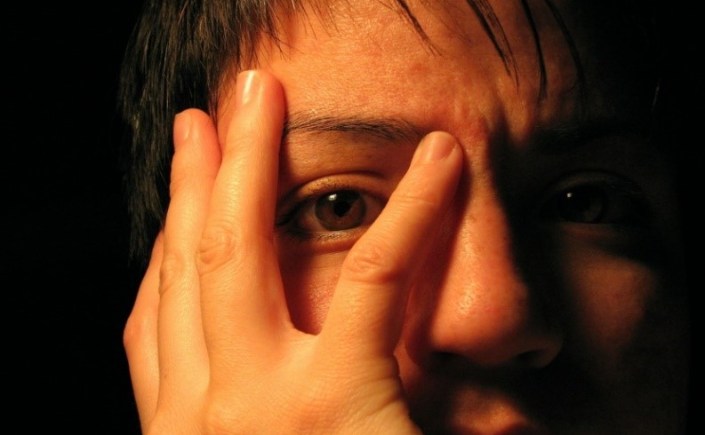
Eye Movement Desensitization and Reprocessing (EMDR): Therapy for PTSD

By: Jessica Much

Post-traumatic stress disorder is a complex disorder affecting those who have experienced single or repeated trauma. The most commonly-known symptom of PTSD is flashbacks. Flashbacks occur when a person is reminded of the traumatic event by an environmental cue, known as a trigger, which leads to an episode of feeling as if they are experiencing the trauma all over again in real time. For instance, if someone who has been hit by a red car sees a red car while they are driving, it may remind them of the incident and cause them to have a vivid flashback of the event.

          For those who experience flashbacks, it may be hard to feel in control of their emotions, and they may feel helpless to stop them. However, there is a lesser-known therapy that can help ease the severity of flashbacks. Eye movement desensitization and reprocessing therapy (EMDR) was created by Francine Shapiro in the 1980s to address trauma through physical stimulation as well as talk therapy. EMDR believes that traumatic memories are stuck within an individual’s conscious (causing flashbacks), and must be reprocessed and unstuck by the patient to alleviate symptoms and their severity.

          During this therapy, patients are verbally guided through questions and feelings about their memories while bilateral brain activity in the patient is stimulated by the therapist through various methods (most commonly side-to-side eye movement). This encourages the reprocessing of memories from the emotional right brain hemisphere to the more logical left brain. Doing this can help reduce the emotional intensity of memories, as well as allow patients to change their beliefs about the memory (“My sexual assault is my fault” can be modified to “I am not to blame for what happened to me”). Additionally, reprocessing memories can help address symptoms of PTSD that are not directly attached to a memory, such as not sleeping well, being generally fearful, or lashing out at others.

          EMDR therapy shows significant results in the treatment of PTSD, especially when combined with other forms of therapy, such as cognitive behavioral therapy. Studies show that 84%-90% of single-trauma victims no longer met the criteria to be diagnosed with PTSD after three 90-minute sessions, and 77% of multiple trauma victims no longer meet the criteria after only six 50-minute sessions.

          EMDR is a quick, effective, and science-based treatment for PTSD. If you are suffering from recurring nightmares, flashbacks, have gone through single/repeated trauma, experience unidentified emotional outbursts, or want to reframe how you recall negative memories, this therapy might be right for you.

If you or someone you know may be struggling with loneliness, or their mental health, please contact our psychotherapy offices in New York or New Jersey to talk to one of our licensed professional psychologists, psychiatrists, psychiatric nurse practitioners, or psychotherapists at Arista Counseling & Psychotherapy. Contact our Paramus, NJ or Manhattan, NY offices respectively, at (201) 368-3700 or (212) 722-1920 to set up an appointment. For more information, please visit http://www.counselingpsychotherapynjny.com/ .

Sources

“Eye Movement Desensitization and Reprocessing (EMDR).” Ttuhsc.edu, 11 June 2024, http://www.ttuhsc.edu/medicine/psychiatry/counseling/emdr.aspx.

‌American Psychological Association. “What Is EMDR Therapy and Why Is It Used to Treat PTSD?” Apa.org, 2023, http://www.apa.org/topics/psychotherapy/emdr-therapy-ptsd.

Stoneridgecenters. “3 Ways EMDR Therapy Benefits the Brain and Helps It Heal.” StoneRidge Treatment & Recovery, 3 Oct. 2022, stoneridgecenters.com/2022/10/02/how-emdr-therapy-benefits-the-brain/. Accessed 27 Jan. 2026.

Anxiety: Going Back to School during a Pandemic

By Mizuki Wada

You know it’s time to get ready for school or work when you see the pumpkin displays and school supplies in stores. However, with the global pandemic going on this year there is far more tension and nervousness besides the first day jitters. From parents sending their kids, faculty going back to classrooms or students getting ready for in-person sessions, many of those could be feeling high pressure and anxiety. However, here are a few ways that could help you steer clear from overwhelming anxiousness.

  • Acknowledge– It is crucial to acknowledge your feelings and stress. Understanding the reason why you’re feeling a certain way is the key to finding a solution.
  • Attitude– Try to look at the big picture and find some positive factors of returning to school. Only looking at the negative aspects can cause the situation to be a lot scarier than it actually is.
  • Support– Find a support group! Whether it be your family or friends, having people that would listen to you talk is very beneficial. Try talking about how you’re feeling to those who understand you.
  • Knowledge– Educate yourself on the situation. People can tell you one thing, but are they really true? Limit your news intake and check whether these sources are trustworthy or not. There’s a difference between educating yourself and filling yourself with information.
  • Physical Health– Although it may sound irrelevant, mental health and physical health go hand in hand. Even if it’s a simple walk or a yoga session, moving your body physically can help alleviate stress. It’s important to keep a healthy body for a healthy mind.

If you or someone you know is struggling with Anxiety or any other mental illnesses, please contact our psychotherapy offices in New York or New Jersey to talk to one of our licensed professional psychologists, psychiatrists, psychiatric nurse practitioners, or psychotherapists at Arista Counseling & Psychotherapy. Contact our Paramus, NJ or Manhattan, NY offices respectively, at (201) 368-3700 or (212) 722-1920 to set up an appointment. For more information, please visit http://www.counselingpsychotherapynjny.com

Reference:

https://www.psychologytoday.com/us/blog/beyond-the-doubt/202003/respond-instead-react-managing-covid-19-anxiety

https://www.realsimple.com/health/mind-mood/stress/manage-back-to-school-stress-coronavirus

Social Anxiety Disorder: More Than Just Being Shy

By: Gabriella Phillip

Social Anxiety Disorder, also known as social phobia, is a mental health condition involving an intense, persistent fear of being watched or judged by others. The fear that people with social anxiety experience in social situations is so strong that they often feel as though it is beyond their control. Social Anxiety Disorder affects around 15 million American adults and is the second most commonly diagnosed anxiety disorder following specific phobia.

Common symptoms for people with social phobia include

  • being extremely anxious around other people,
  • being self-conscious in front of others,
  • being very afraid of being embarrassed in front of other people
  • being the focus of other people’s judgment
  • worrying for days or weeks before a social event
  • having a difficult time cultivating friendships
  • avoiding places where other people will be present

Bodily symptoms for people with social anxiety include

  • heavy sweating
  • trembling
  • nausea
  • blushing
  • having difficulty speaking

Social phobia sometimes runs in families, but no one knows for sure why some people have it, while others don’t. When chemicals in the brain are not at a certain level it can cause a person to have social phobia. Social anxiety usually begins during childhood/ teenage years, typically around age 13. A doctor can tell if the person has this disorder if symptoms are present for at least 6 months. This disorder should be treated in a timely manner to help spare those diagnosed from years of unpleasant feelings and anxiety.

Treatment can help people with social phobia feel less anxious and fearful. Two types of treatments used for Social Anxiety Disorder are psychotherapy, or talk therapy, and medication that’s safe and effective, often used in combination. Cognitive behavior therapy is an effective type of psychotherapy used for anxiety related disorders. Medication used to treat Social phobia include selective reuptake inhibitors (SSRIs), antidepressants, anti-anxiety medicines, and beta blockers. It’s important to choose a method of treatment that is best suited towards your individual needs.

If you or someone you know is struggling with Social Anxiety Disorder, Arista Counseling and Psychotherapy can help. Please contact our psychotherapy offices in New York or New Jersey to talk to one of our licensed professional psychologists, psychiatrists, psychiatric nurse practitioners, or psychotherapists. Contact our Paramus, NJ or Manhattan, NY offices respectively, at (201) 368-3700 or (212) 722-1920 to set up an appointment. For more information, please visit http://www.counselingpsychotherapynjny.com/ .


Sources

https://www.nimh.nih.gov/health/publications/social-anxiety-disorder-more-than-just-shyness/index.shtml

https://www.verywellmind.com/difference-between-shyness-and-social-anxiety-disorder-3024431


Assertiveness and Anxiety: How Expressing Yourself Can Lead to a Happier Self

By: Sanjita Ekhelikar

“Communication is key” is a phrase we are all familiar with, yet many struggle with actually acting on it. The most effective form of communication is through assertiveness, which involves expressing one’s views in a straightforward manner, and in standing up for one’s needs while still being considerate of others. This differs from aggressiveness in that it does not involve being outwardly emotional or insulting to others, and differs from passivity in that the individual clearly states their feelings and desires. Being assertive involves open communication, which can be difficult to engage in, especially for people struggling with anxiety. However, through practicing and learning assertiveness, people with anxiety can actually feel less worry and more confident in themselves.

Anxiety describes the uncomfortable feelings of turmoil and dread that one might have in anticipation that results in physical sensations such as rapid heartbeat, sweating, and rumination. For many who struggle with anxiety, the thought of being assertive with others makes them anxious. They often worry that being assertive will come off as being mean, creating conflict, and being inconsiderate. Therefore, many choose passive communication, and never voice their views or feelings. This worsens their state of worry, as they are not properly understood by those around them and can easily be taken advantage of. They are often misunderstood which increases their worry. Others often take advantage of them because of their meek manner and visible anxiety.

Contrary to what those with anxiety believe, assertiveness can actually help them feel better. Often times, those with anxiety create situations in their mind about everything that will go wrong if they voice themselves to another person. However, such a form of open communication can create a better understanding between two people. It allows the person with anxiety to be properly understood, to dispel the fearful thoughts in their head, and become more confident in themselves and their views.

How can people with anxiety begin working towards being more assertive? By stating their views using “I,” individuals can avoid putting blame on others by expressing their own opinions. In addition, reminding themselves that their fears are not rational and that it is their anxiety talking to them can help them become increasingly comfortable with being assertive. Finally, practice makes perfect – keep trying and speak up!

If you or someone you know is suffering from anxiety, please contact our psychotherapy offices in New York or New Jersey to talk to one of our licensed professional psychologists, psychiatrists, psychiatric nurse practitioners, or psychotherapists at Arista Counseling & Psychotherapy. Contact our Paramus, NJ or Manhattan, NY offices respectively, at (201) 368-3700 or (212) 722-1920 to set up an appointment. For more information, please visit http://www.counselingpsychotherapynjny.com/.