By: Elyse Ganss
Attention-deficit hyperactivity disorder, also known as ADHD, is characterized by a pattern of inattention, impulsivity, and hyperactivity that impedes normal functioning and activity. For example, someone who has ADHD may be unable to focus on a task or will constantly move around and fidget.
Diagnosis of ADHD can only be given by a licensed clinician like a psychologist or psychiatrist. Typically, ADHD will only be diagnosed if there is a repeated pattern over a period time of inattention and hyperactivity. In children, a diagnosis requires a child falling behind in development. Adults who suffer from ADHD may have poor academic performance in school or issues at work as a result of inattention.
Risk factors for ADHD include genetics, exposure to environmental toxins during pregnancy, behavioral toxins, and low birth weight. Treatment for ADHD may include therapy or medication to reduce symptoms and improve functioning. When medication is needed, doctors typically prescribe a stimulant that increases dopamine and norepinephrine levels in the brain. This improves thinking and attention.
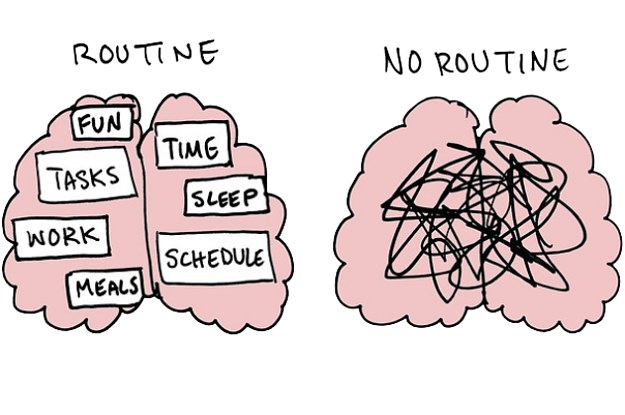
Therapy can help a person suffering from ADHD develop coping mechanisms like mindfulness or possibly meditation. Simple strategies like making lists, keeping a stable routine, utilizing a calendar, and creating reminder notes may help a person with ADHD improve functioning.
If you or someone you know needs support for ADHD, please contact our psychotherapy offices in New York or New Jersey to talk to one of our licensed professional psychologists, psychiatrists, psychiatric nurse practitioners, or psychotherapists at Arista Counseling & Psychotherapy. Contact our Paramus, NJ or Manhattan, NY offices respectively, at (201) 368-3700 or (212) 722-1920 to set up an appointment. For more information, please visit http://www.counselingpsychotherapynjny.com/ .
Sources:
https://www.nimh.nih.gov/health/topics/attention-deficit-hyperactivity-disorder-adhd/index.shtml
Image Source:
https://img.buzzfeed.com/buzzfeed-static/static/2017-01/10/18/campaign_images/

 Memory in Children: Games Help Improve Memory in Children
 CounselingRx
