Depression: Identifying Signs of Depression in Someone Close to You

Identifying Signs of Depression in Someone Close to You

By Fiona McDermut

            Understanding the signs and symptoms of mental illness is not a simple task, especially when it comes to someone you care about. Even when the signs of mental illness are identified, it is difficult to decide what to do next. The COVID-19 pandemic prompted a 25% increase in cases of depression in the world. In a time of great distress for many, it is vital to look out for the people we love.

            If you suspect that someone you know may be struggling with depression, it is crucial to look out for the following signs:

  • Loss of interest
  • Extreme loss or increase in appetite
  • Fatigue
  • Hopelessness
  • Suicidal thoughts or behaviors
  • Irritability
  • Changes in sleep patterns
  • Physical symptoms such as headaches, stomachaches, and sexual dysfunction

            Some of these signs may seem obvious, but many who struggle with depression may cut themselves off from the social world. This makes it difficult to detect the warning signs of mental illness. Therefore, it is important to check in on the people you care about, especially during a time in which the majority of social interactions have been cut off, limited, or turned to strictly virtual contact. If someone you know is struggling with symptoms of depression, it may be necessary to seek medical help. There are many causes of depression, many types of depression, and many treatment methods. A mental health care professional will be able to identify the key factors that go into developing a treatment plan that works best for each individual in need.

The following methods are used to treat people with depression:

  • Cognitive Behavioral Therapy
  • Hypnosis
  • Antidepressant medication
  • Brain stimulation therapy

            Admitting that one needs help is not an easy task. Therefore, providing support, comfort, and assistance for a loved one can make a tremendous difference in one’s mental health outcomes. Simply having one strong social connection has been shown to have multiple health benefits. Most people are not trained in the treatment of depression, but everyone is capable of spending time with those they love and guiding them through the process of recovery.

If you or someone you know is struggling with depression, please contact our psychotherapy offices in New York or New Jersey to talk to one of our licensed professional psychologists, psychiatrists, psychiatric nurse practitioners, or psychotherapists at Arista Counseling & Psychotherapy. Contact our Paramus, NJ or Manhattan, NY offices respectively, at (201) 368-3700 or (212) 722-1920 to set up an appointment. For more information, please visit http://www.counselingpsychotherapynjny.com/

Sources:

https://www.who.int/news/item/02-03-2022-covid-19-pandemic-triggers-25-increase-in-prevalence-of-anxiety-and-depression-worldwide#:~:text=COVID%2D19%20pandemic%20triggers%2025,of%20anxiety%20and%20depression%20worldwide

https://www.healthline.com/health/depression/recognizing-symptoms#lostinterest

Image Source: https://ggsc.s3.amazonaws.com/images/uploads/How_Friends_Help_You_Regulate_Your_Emotions.jpg

The Link between Alcoholism and Depression

By Jenna Chiavelli

Alcoholism and Depression

Alcohol Use Disorder is characterized by disordered drinking that leads to significant distress and changes in behavior. One of the strongest predictors of alcoholism is family history, as genetics can attribute to one’s predisposition to alcoholism. Underlying psychological disorders contribute to alcoholism as well as people turn to substances to numb pain. Socially speaking, one’s environment can lead to alcoholism if the environment favors a culture of drinking.

Addiction is a controlling disease and when mixed with depression, treatment can become even more complex. Depression is a common co-occurring disorder with at least 30%-40% of alcoholics experiencing a depressive disorder. Depression is a mood disorder which can generate persistent feelings of sadness, worthlessness, and pessimism, disrupting everyday life. The combination of addiction and depression is especially harmful as the conditions fuel each other.

Depression Contributing to Alcoholism

Substances like alcohol can be appealing to those suffering from depression, as alcohol’s sedating effects offer an escape from overwhelming feelings of sadness. This form of self-medication can temporarily relieve depressive symptoms, but this is not a permanent solution. Over time, the feelings of sadness linger despite the sedating effects of alcohol, leading those struggling with depression to increase their alcohol intake to suppress the pain. This dangerous cycle contributes to a substance abuse disorder.

Alcoholism Contributing to Depression

Alcohol releases neurotransmitters in the brain, resulting in the euphoric feeling of being drunk. As alcohol users consistently chase this high, the copious amount of alcohol is simultaneously limiting the brain’s ability to sustain neurotransmitters at normal levels. This disruption in the nervous system impacts one’s mood; therefore, when there is a reduction of neurotransmitters a person may feel symptoms of depression. Additionally, alcohol increases the duration and severity of depressive episodes and increases the likelihood of suicidal thoughts. 

Drinking alcohol also alters behavior and fuels acts of impulse. The consequences of one’s drunken actions may be overwhelming leading to feelings of sadness and shame. Heavy drinking can disrupt relationships and interfere with work, damaging one’s social sphere. The constant ramifications from drinking can easily contribute to depression as well.

Treatment for Co-Disorders

In some cases, removing alcohol from the equation is enough to relieve symptoms of depression. In other cases, therapy, rehabilitation, and medications may be necessary. It is important to note that medication alone will not effectively treat co-occurring depression and addiction. Therapy is required in order to understand what originally contributed to one’s depression/addiction. Gaining a deeper understanding to one’s emotions and history could help prevent a relapse in the future. Additionally, confiding in others and sharing stories of similar nature reminds people that they are not alone in their struggles, fostering a sense of community. With a little bit of help, it is possible to break the dangerous cycle of alcohol and depression.

If you or someone you know is seeking therapy for depression and/or addiction, please contact our psychotherapy offices in New York or New Jersey to talk to one of our licensed professional psychologists, psychiatrists, psychiatric nurse practitioners, or psychotherapists at Arista Counseling & Psychotherapy. Contact our Paramus, NJ or Manhattan, NY offices respectively, at (201) 368-3700 or (212) 722-1920 to set up an appointment. For more information, please visit http://www.counselingpsychotherapynjny.com/

Sources

https://www.addictioncenter.com/alcohol/alcohol-depression/#:~:text=At%20least%2030%25%2D40,of%20the%20symptoms%20of%20depression.

https://www.psychologytoday.com/us/blog/addiction-recovery/202102/healing-depression-and-addiction

https://www.psychologytoday.com/us/basics/alcohol

Image

Anxiety in Elementary School Students

Anxiety in Elementary School Students

By Kim Simone

Symptoms of Anxiety

Elementary school students may present with different symptoms of anxiety each day before, during, and after school. Physical manifestations of anxiety may include stomachaches, restlessness, heart palpitations, and complaints of not feeling well enough to attend school. These children often have difficulty falling and staying asleep and may refuse to attend school in the morning. While in the classroom, these students may show difficulty concentrating, show excessive preoccupation with performance, or may perform poorly as a result of excess worry.

Types of Anxiety Presented

Separation anxiety is characterized by excessive worry about being separated from caregivers and commonly affects students of young ages. Social anxiety is another disorder that can be found in children, impacting their ability to participate in the classroom and socialize with their classmates. Another disorder is generalized anxiety disorder (GAD) which affects students who worry about a wide variety of school issues. For instance, students with GAD may struggle with academic perfectionism. Although typically harder to identify in a school setting at a young age, young students may present with symptoms of obsessive-compulsive disorder. Students with this disorder may perform compulsive rituals or behaviors to ease their anxiety. Other anxiety disorders that may affect a student are selective mutism and specific phobias. These often impact academic and social performance.

Treatment Options

Psychotherapy can help children struggling with anxiety. Cognitive behavioral therapy (CBT) is the most commonly used treatment option. This therapy focuses on negative patterns of thoughts and addresses how thoughts affect the way the child feels. Parents of children with anxiety disorders can benefit from speaking to a child psychologist about how they can help. Medications may also be used to ease symptoms for a wide-variety of anxiety disorders. Treatment for anxiety disorders can be done through in-person services and virtual options, which can provide the necessary help to improve daily functioning.

If you or someone you know is struggling with anxiety, please contact our psychotherapy offices in New York or New Jersey to talk to one of our licensed professional psychologists, psychiatrists, psychiatric nurse practitioners, or psychotherapists at Arista Counseling & Psychotherapy. Contact our Paramus, NJ or Manhattan, NY offices respectively, at (201) 368-3700 or (212) 722-1920 to set up an appointment. For more information, please visit http://www.counselingpsychotherapynjny.com/

Sources:

https://childmind.org/article/classroom-anxiety-in-children/

Therapy for Anxiety Disorders

https://www.psychologytoday.com/us/basics/anxiety/children-and-anxiety#:~:text=They%20may%20be%20overly%20or,enough%20to%20go%20to%20school.

Image Source:

Managing Countertransference in Mental Health Professionals

Managing Countertransference in Mental Health Professionals

By Fiona McDermut

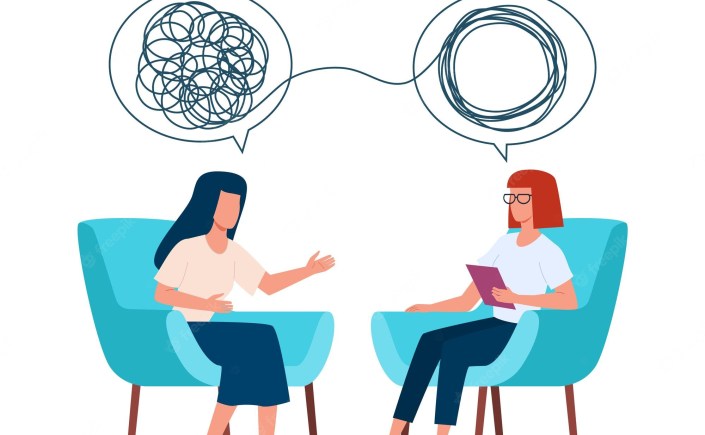
            Although mental health professionals are trained to treat a variety of disorders and psychological distress, we cannot discount their own psychological reactions. Therapists are human too, and they experience similar ups and downs to the people seeking their help. Additionally, many therapists feel a secondary wave of emotions when they can strongly identify with a client’s obstacles. For many people, it is difficult to react to others without involving personal emotions—it is no different for psychologists. In the world of mental health, this reaction based on personal mentality is known as countertransference.

            A therapist’s ability to work objectively with a client is dependent on the management of their own countertransference. Although therapists may develop strong emotional opinions about situations in their clients’ lives, it is important to always decide what is in the best interest of the clients.

Some examples of countertransference in practice include:

  • Disclosing too much personal information to a patient
  • Having unclear boundaries in the patient-doctor relationship
  • Being overly supportive or critical of the client
  • Any other actions in which the therapist allows their personal emotions to interfere with providing proper treatment

            Identifying with a patient’s strife is not necessarily a bad thing. It is important for mental health professionals to feel empathy, and to fully understand a client’s situation in order to develop a comforting therapeutic environment. However, this becomes unproductive when this empathy turns into extreme distress in the therapist and/or interferes with providing high quality care.

Luckily, there are two main ways in which mental health professionals regularly work on managing countertransference:

  • Participating in individual or group supervision or consultation with other therapists
  • Seeking therapy of their own which provides an outlet to discuss and handle personal emotional needs without projecting it onto the patient.

The role of the therapist is ultimately to help the patient, not create more stressors in the client’s life. If the therapist or patient feels that this cannot be done successfully, it may become necessary to terminate the relationship and pursue treatment with a new therapist.

If you or someone you know is experiencing countertransference, please contact our psychotherapy offices in New York or New Jersey to talk to one of our licensed professional psychologists, psychiatrists, psychiatric nurse practitioners, or psychotherapists at Arista Counseling & Psychotherapy. Contact our Paramus, NJ or Manhattan, NY offices respectively, at (201) 368-3700 or (212) 722-1920 to set up an appointment. For more information, please visit http://www.counselingpsychotherapynjny.com/

Source:

https://psychcentral.com/health/countertransference#overview

Image source:

https://www.freepik.com/premium-vector/psychotherapy-concept-psychologist-patient-with-tangled-untangled-mind-metaphor-doctor-solving-psychological-problems-couch-consultation-mental-health-treatment-flat-vector-illustration_19960102.htm

Body Dysmorphic Disorder-Beautiful In Your Own Skin Month

Body Dysmorphic Disorder-Beautiful In Your Own Skin Month

By Fiona McDermut

            In light of the start of “beautiful in your own skin” month, it is important to recognize that many struggle with body image satisfaction. Not all people look in the mirror and feel content with what they see. Even if those around you do not understand your body-related concerns, your feelings are totally valid and can be helped with treatment.

            Body dysmorphic disorder (body dysmorphia) is a mental illness characterized by a hyper fixation on perceived defects in one’s appearance. This interferes with day-to-day life because one may spend a large amount of time worrying or attempting to adjust the perceived flaw. These behaviors usually result in obsessive body comparison to others, avoidance of social interaction, and frequent negative body-checking (looking in the mirror repeatedly at disliked body parts). Unfortunately, many have associated their own happiness with how closely their bodies align with current beauty standards portrayed in the media. As one lets these thoughts progress, they can worsen, and possibly be a precursor to an eating disorder or other disorders associated with body dissatisfaction such as depression and obsessive compulsive disorder.

            While many believe that cosmetic surgery will fix their perceived flaws, research has shown that such surgeries do not improve psychological symptoms of body dysmorphic disorder. The first step to resolving the issue is recognizing that you have a warped view of what you look like. If you or someone you know experiences this, it can be very beneficial to seek psychological/psychiatric assistance. Professionals in the field will be able to decide the best way to treat these disordered thoughts. The most common treatment for body dysmorphia is cognitive behavioral therapy (CBT). Other possible treatments include hypnotherapy, exposure therapy, acceptance and commitment therapy (ACT), and the prescription of antidepressant medication in order to decrease the feelings of dissatisfaction.

            Working with a professional is important in situations like these, but it is still important to remind yourself that your perceived flaws are only noticed by you, and likely not those around you. Nobody is perfect, but with the constant pressure of modern media to be thin, our flaws often appear to be more apparent to ourselves than they are to others. The practice of mindfulness exercises may also help to focus your mind on what you have learned to love about yourself, and of course, do not be afraid to seek help when necessary.

If you or someone you know is struggling with body dysmorphic disorder, please contact our psychotherapy offices in New York or New Jersey to talk to one of our licensed professional psychologists, psychiatrists, psychiatric nurse practitioners, or psychotherapists at Arista Counseling & Psychotherapy. Contact our Paramus, NJ or Manhattan, NY offices respectively, at (201) 368-3700 or (212) 722-1920 to set up an appointment. For more information, please visit http://www.counselingpsychotherapynjny.com/

Sources:

https://www.psychologytoday.com/us/blog/the-couch/201507/whats-the-best-way-deal-negative-body-image

https://www.psychologytoday.com/us/blog/shrink/201409/how-stop-hating-your-body

https://www.sciencedirect.com/science/article/abs/pii/S1740144507000988

Image source: https://www.additudemag.com/adhd-related-body-dysmorphic-disorder/

Why Men are less likely to Seek Mental Health Services

By Jenna Chiavelli

Why Men are less likely to Seek Mental Health Services

Recent research studies have found that men are less likely to seek mental health assistance compared to their female counterparts. Men are also less likely to disclose a mental health problem to friends and family. This isn’t because men are immune to mental illnesses but rather something larger is deterring men from reaching out for help. So what can psychologists attribute this to? The answer is toxic masculinity.

Toxic masculinity refers to harmful social norms about how men should behave that lead to misogyny, homophobia, violence, and mental health issues. In our society, we typically categorize women as the emotional figures and men as the strong and brave figures. Due to these social norms, people assume that men do not need mental health services as it is perceived as unnatural for men to discuss their emotions and feelings. Men themselves see seeking help as a sign of weakness, tarnishing their masculinity.

The media contributes to this societal problem as well, as a majority of mental health advertisements are targeted towards women and feature women. This further perpetuates the idea that mental health is a women’s issue, rather than a human issue. It is time we stop gendering mental health and remove the stigma surrounding men’s mental health.

Why it Matters

In 2020, men died by suicide 3.88x more than women. White males accounted for 69.68% of suicide deaths in 2020. It is abundantly clear that there are men struggling with mental health conditions, so much so, that they believe suicide is the only answer. If we continue to feed into toxic masculinity, men will continue to avoid help when they need it most. So what can we do about it?

Ways to Help

  1. Educate yourself and others – mental health problems are medical problems that can impact anybody regardless of gender.
  2. Talk openly about mental health – sharing personal experiences with mental health problems can make others more comfortable talking about their own experiences.
  3. Show compassion for those with mental health problems – showing compassion for those suffering can help reduce feelings of shame.  
  4. Check on the men in your life – Men are less likely to share their feelings compared to women, so work on having honest conversations with the men in your life. Let them know that you are there for them and stay alert of any concerning changes in behavior.

If you or someone you know is seeking therapy, please contact our psychotherapy offices in New York or New Jersey to talk to one of our licensed professional psychologists, psychiatrists, psychiatric nurse practitioners, or psychotherapists at Arista Counseling & Psychotherapy. Contact our Paramus, NJ or Manhattan, NY offices respectively, at (201) 368-3700 or (212) 722-1920 to set up an appointment. For more information, please visit http://www.counselingpsychotherapynjny.com/

Sources

https://afsp.org/suicide-statistics/

https://www.psychologytoday.com/us/blog/the-race-good-health/201902/mental-health-among-boys-and-men-when-is-masculinity-toxic

Image

Insomnia: How Depression Is Related to Insomnia

By Kim Simone

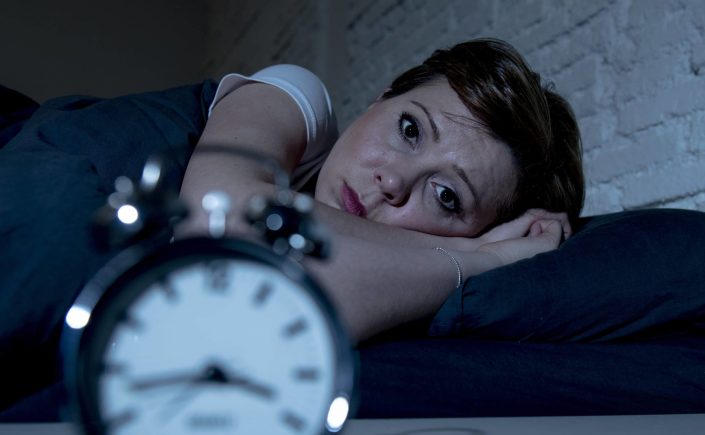
Symptoms of insomnia occur in approximately 33% to 50% of the adult population and undoubtedly affect a variety of areas of an individual’s life. In addition to a complaint of dissatisfaction with sleep quality or quantity, individuals may have difficulty falling asleep, difficulty maintaining sleep, and early-morning awakening with an inability to fall back to sleep. These difficulties may occur at least 3 nights per week and be present for at least 3 months.

Oftentimes, these sleep disturbances affect various parts of an individual’s daily life. As a result of poor sleep, individuals struggling with insomnia may display difficulties behaviorally, socially, academically.

Those struggling with depression oftentimes present with symptoms of insomnia, as the condition may influence their quality and/or quantity of sleep. Depressive symptoms often influence an individual’s quality of sleep and how much they sleep.

On the contrary, those struggling with insomnia oftentimes present with symptoms of depression. Since feelings of depression may cause individuals to lose interest in their daily activities and withdraw from those closest to them, therapy is often the treatment of choice to alleviate the depressive symptoms that result from a lack of quality and quantity of sleep.

Cognitive Behavioral Therapy can be useful in the treatment of insomnia. CBT-I is a form of CBT specifically aimed in treating the sleep condition. It concentrates on the specific thoughts and behaviors that disrupt sleep and helps in reframing the negative thoughts that may be associated with concepts related to sleep, such as “bed” and “sleep”.  As a result of CBT, anxieties related to sleep may be lessened, therefore, lessening the prevalence of insomnia.  

Sufferers of insomnia may need to speak to their therapist weekly over the course of two to three months to see an improvement in the quality and quantity of their sleep. As a result, symptoms of depression may be lessened, which may further improve the quality and quantity of their sleep.

If you or someone you know is struggling with insomnia and is seeking therapy, please contact our psychotherapy offices in New York or New Jersey to talk to one of our licensed professional psychologists, psychiatrists, psychiatric nurse practitioners, or psychotherapists at Arista Counseling & Psychotherapy. Contact our Paramus, NJ or Manhattan, NY offices respectively, at (201) 368-3700 or (212) 722-1920 to set up an appointment. For more information, please visit http://www.counselingpsychotherapynjny.com/

Sources:

https://my.clevelandclinic.org/health/diseases/12119-insomnia#:~:text=They%20affect%20up%20to%2070,at%2010%25%20to%2015%25.

https://www.psychologytoday.com/us/conditions/insomnia

Image Source:

Depression and Anxiety Post Retirement

By: Ashley Marron

While many people look forward to retirement and its freedom, it can also trigger anxiety, stress, and depression. In fact, the chance of a person facing clinical depression increases by 40% after retirement. People tend to give lots of thought when planning their retirement; whether it’s traveling the world, pursuing new hobbies, or spending more time with family and friends. However, they often overlook the psychological impact of retiring from work. While many new retirees find retiring to be a great relief from escaping the daily grind, they also find that after several months they may miss the sense of identity, meaning, and purpose that came with their job. They lose the structure that their job gave their days, as well as the social-aspect of having co-workers. Retirees may now feel bored and isolated, rather than free, relaxed and fulfilled. They may even grieve the loss of their old life, and feel stressed or worried about how they will now spend the future.

Retiring is a major life change, and it can seriously take a toll on one’s mental health. Seeking help from a professional can help provide coping mechanisms with these challenges of retirement. Therapy can also help in the treatment of depression and anxiety. There are certainly healthy ways to adjust to this new chapter in your life, and it should be an exciting time, not a negative experience. Therapy can help to ensure that your retirement is both rewarding and happy.

If you or someone you know is seeking therapy for depression or anxiety, please contact our psychotherapy offices in New York or New Jersey to talk to one of our licensed professional psychologists, psychiatrists, psychiatric nurse practitioners, or psychotherapists at Arista Counseling & Psychotherapy. Contact our Paramus, NJ or Manhattan, NY offices respectively, at (201) 368-3700 or (212) 722-1920 to set up an appointment. For more information, please visit http://www.counselingpsychotherapynjny.com/          

Sources

https://www.msn.com/en-us/health/wellness/post-retirement-depression-recognizing-the-signs/ss-BB1fWAss

Image Source

https://www.msn.com/en-us/health/wellness/post-retirement-depression-recognizing-the-signs/ss-BB1fWAss

Social Media: How Social Media Use Impacts Mental Health

Social Media: How Social Media Use Impacts Mental Health

By Celine Bennion

As you scroll through Instagram, Snapchat, Twitter, or LinkedIn, it may seem as though everyone you know uses at least one popular social media platform to share and connect with others. Social interaction is a key element for proper functioning and survival of humans. With modern technology, people can stay connected even when separated by physical distance, especially through social media. Despite their ability to maintain vital connections, social media platforms are known to engender mental health issues such as depression and anxiety, as well as overall negative feelings in users.

As social media has gained popularity, more individuals find themselves bypassing face-to-face social interactions and scrolling through social media profiles instead. This lack of genuine social connection can create feelings of loneliness, increasing the likelihood of users developing mental health issues. Additionally, social media platforms can harm one’s self identity, creating pressure to live up to others’ expectations or perceptions.

Social media is a stage for constant comparison to others. Whether it is related to appearance, materialistic items, or personal accomplishments, users can easily find themselves longing for what others possess. Modern editing software that enables users to easily distort their features in photos creates an unrealistic basis of comparison for those who believe this appearance is natural. Additionally, it is very uncommon for users to post about negative events in their lives, creating a false perception of a “perfect life” as others view their profile.

If social media is often causing individuals to feel bad, why do they continue using it? A major contributor to continued social media usage is the fear of missing out, or FOMO. FOMO occurs when individuals feel that they may miss out on connections such as jokes, invitations, and connections. This fear can cause significant anxiety, especially for those who thrive off of connection with others. Additionally, biological implications are involved in users’ attraction to social media platforms. The continuous presentation of novel content triggers the release of dopamine in the brain, a neurotransmitter that elicits feelings of pleasure. This fluctuation in dopamine levels leaves users craving the pleasurable feelings associated with scrolling, giving social media an addictive nature.

As you scroll through social media platforms, it is important to be mindful of the content you are consuming and discontinue interaction with content that causes negative feelings to arise.

If you or someone you know is seeking therapy, please contact our psychotherapy offices in New York or New Jersey to talk to one of our licensed professional psychologists, psychiatrists, psychiatric nurse practitioners, or psychotherapists at Arista Counseling & Psychotherapy. Contact our Paramus, NJ or Manhattan, NY offices respectively, at (201) 368-3700 or (212) 722-1920 to set up an appointment. For more information, please visit http://www.counselingpsychotherapynjny.com/

Sources:

https://www.mcleanhospital.org/essential/it-or-not-social-medias-affecting-your-mental-health

https://www.ncbi.nlm.nih.gov/pmc/articles/PMC7364393/

https://lancastergeneralhealth.org/health-hub-home/2021/september/the-effects-of-social-media-on-mental-health

https://www.timesrecordnews.com/story/news/2021/10/15/challenge-offers-2-500-stay-off-social-media/8469387002/ (photo)

Men & Eating Disorders: The Quiet Struggle

By: Valeria Dubon

When discussing eating disorders, many people associate it towards women and their own personal struggles with the disorder. Although women often do carry the burden of trying to look a certain way and appeal to a certain body type, many people do not realize how those same standards negatively affect men and in what ways. Some of the reasons as to why eating disorders in men are not as studied and understood compared to women are simply due to factors such as:

  • The stigma associated with males seeking help 
  • Eating disorders in men having different symptoms compared to women
  • Strong association with eating disorders and women in the media

Previous statistics indicate that men make up about ten percent of eating disorders. However, one thing to acknowledge is that many men refuse to come forward with their disorder. This in turn validates the argument that the real number of men who suffer from eating disorders is much higher.

There are several key differences when it comes to men and women suffering from this disorder. For example, males with eating disorders are at a much older age on average compared to females; they also tend to have greater risk of psychiatric problems such as anxiety/depression and engage in more suicidal behaviors. One of the most common forms of eating disorders in men is called muscle dysmorphia, which is essentially a type of body dysmorphia; its core symptom is a fear of not being muscular enough. Other symptoms associated with it may include compulsive exercise and use of supplements. 

When it comes to treatment, the biggest hurdle for men is simply getting rid of the stigma that eating disorders carry. Treatments such as cognitive behavioral therapy and family based therapy are shown to be effective, both of these are also effective when dealing with women who have eating disorders.

If you or someone you know is seeking therapy for eating disorders, please contact our psychotherapy offices in New York or New Jersey to talk to one of our licensed professional psychologists, psychiatrists, psychiatric nurse practitioners, or psychotherapists at Arista Counseling & Psychotherapy. Contact our Paramus, NJ or Manhattan, NY offices respectively, at (201) 368-3700 or (212) 722-1920 to set up an appointment. For more information, please visit http://www.counselingpsychotherapynjny.com/

Sources :

https://www.verywellmind.com/male-eating-disorders-4140606