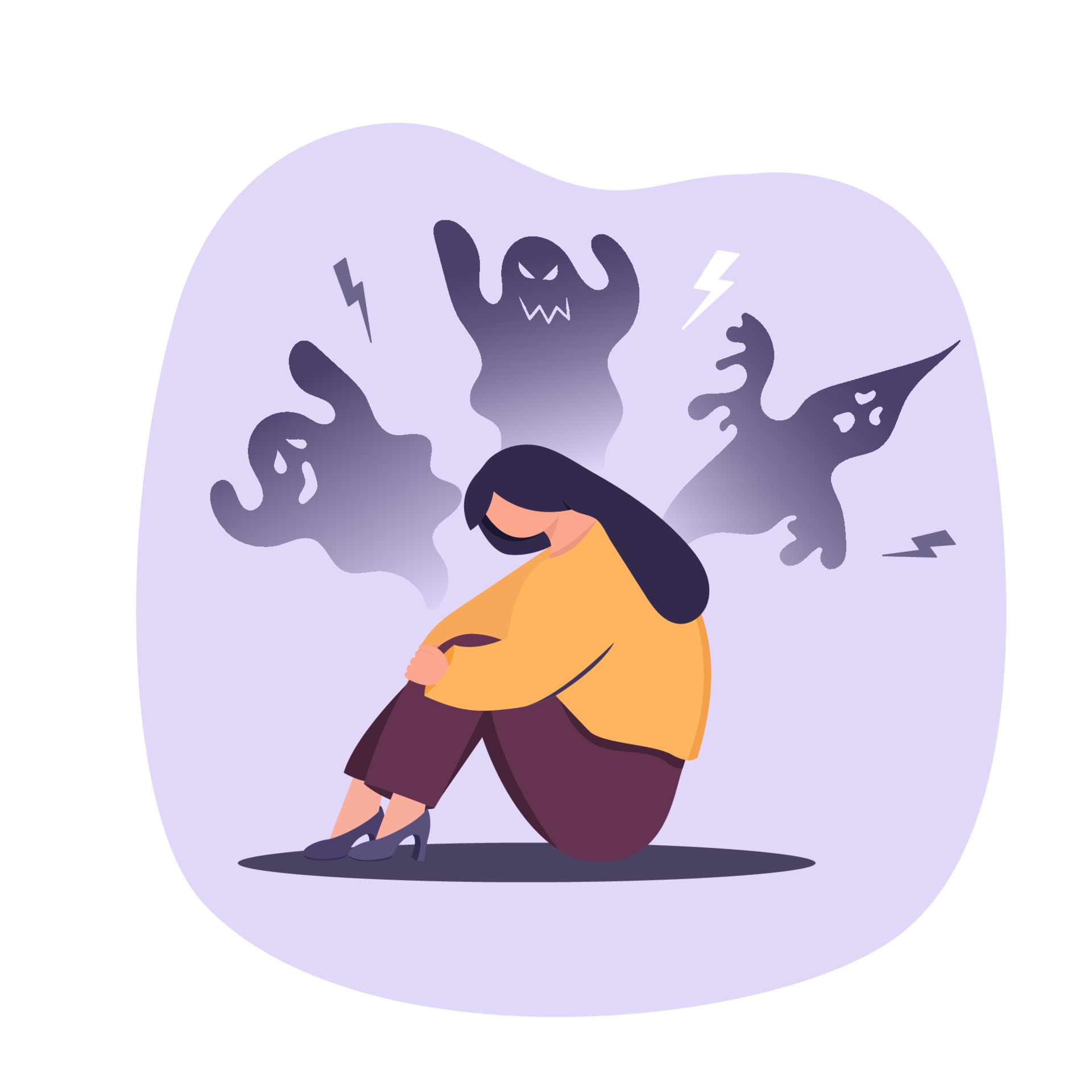
Major Depressive Disorder: Depression

Major Depressive Disorder: Depression

By: Isabella Favuzza

Sadness is a common emotion expressed through tears or gloominess. This feeling arises for a variety of reasons, including the loss of a partner, job, house, friendship, etc. Sadness is an intense emotion that every individual feels throughout their life. However, persistent sadness may transform into depression, a mental illness. One may struggle with depression following two weeks of lasting unhappiness, constant exhaustion, and a lack of motivation. Major depressive disorder, also known as MDD, is a clinical term to describe symptoms of perpetual sadness and a loss of interest. MDD can cause numerous emotional and psychological symptoms and prevent individuals from performing daily activities.

Depression involves symptoms such as lethargy, angry outbursts, and feelings of emptiness, reduced appetite, and suicidal ideations. Those struggling with depression find it challenging to partake in normal day-to-day activities like work, school, or relationships. Some may feel unhappy or gloomy without knowing why. Psychological and psychiatric treatment can significantly support those with MDD. A psychologist can identify the root of depression and provide specific therapies like CBT, talk therapy, or hypnosis to reduce these feelings of unhappiness. Psychiatric medications or antidepressants like Lexapro or Sertraline can visibly reduce depressive symptoms through serotonin reuptake. Ultimately, proper treatment can offer those with MDD an opportunity to regain control and provide a better quality of life.

If you or someone you know is struggling with depression, please contact our psychotherapy offices in New York or New Jersey to talk to one of our licensed professional psychologists, psychiatrists, psychiatric nurse practitioners, or psychotherapists at Arista Counseling & Psychotherapy. Contact our Paramus, NJ or Manhattan, NY offices respectively, at (201) 368-3700 or (212) 722-1920 to set up an appointment. For more information, please visit http://www.counselingpsychotherapynjny.com/

Source:

https://www.mayoclinic.org/diseases-conditions/depression/symptoms-causes/syc-20356007#:~:text=Also%20called%20major%20depressive%20disorder,life%20isn’t%20worth%20living.

Obsessive-Compulsive Disorder: OCD

Obsessive-Compulsive Disorder: OCD

By: Isabella Favuzza

Many feel overwhelmed with anxiety or stress regarding weight, relationships, family, work, school, etc. However, have you ever counted, organized, or cleaned to cope with these unwanted feelings of stress or anxiety? Perfectionist coping mechanisms are a symptom of OCD, also known as obsessive-compulsive disorder. OCD entails a frequent pattern of unwanted thoughts or fears known as obsessions to combat feelings of stress. Said obsessions commonly inhibit individuals from partaking in daily activities due to inevitable disturbances and distress. Those struggling with OCD feel compelled to soothe urges through ritual behaviors. OCD builds around a theme like the fear of germs, which leads an individual to consistently wash their bodies and disinfect their living quarters.

Those struggling with OCD face symptoms like fear of contamination, feelings of uncertainty, aggressive or horrific thoughts, unwanted ideals, the need for order or balance, intense stress, etc. These systems can restrict an individual from performing daily tasks in the workplace or even in the comfort of their own home. Psychiatric treatment can reduce OCD’s severe symptoms and allow individuals to reclaim their lives. Proper medication and other effective treatments can increase and regulate serotonin levels within the body, easing obsessions and unwanted thoughts. Ultimately, psychiatric treatment can significantly reduce unwanted obsessions and urges, enabling those struggling with OCD to reclaim their lives.

If you or someone you know is struggling with OCD, please contact our psychotherapy offices in New York or New Jersey to talk to one of our licensed professional psychologists, psychiatrists, psychiatric nurse practitioners, or psychotherapists at Arista Counseling & Psychotherapy. Contact our Paramus, NJ or Manhattan, NY offices respectively, at (201) 368-3700 or (212) 722-1920 to set up an appointment. For more information, please visit http://www.counselingpsychotherapynjny.com/

Source:

https://www.mayoclinic.org/diseases-conditions/obsessive-compulsive-disorder/symptoms-causes/syc-20354432

Generalized Anxiety Disorder: Anxiety

Generalized Anxiety Disorder: Anxiety

By: Isabella Favuzza

It’s common to feel nervous or stressed regarding specific events like gaining or losing weight, presenting for an audience, meeting new individuals, etc. These skittish or tense emotions are known as anxiety and frequently arise during these situations. However, some may feel anxious regardless of the event. Those diagnosed with generalized anxiety disorder struggle to control their anxiety, and these emotions interfere with daily tasks. Generalized anxiety disorder can lead to behavioral symptoms like persistent worrying, overthinking, indecisiveness, difficulty concentrating, etc. Those with an anxiety disorder may fall victim to severe psychical symptoms such as fatigue, muscle tension, nausea, and trembling. Both behavioral and psychical systems can impair one’s daily activities and significantly reduce their quality of life.

Generalized anxiety disorder may arise from various biological and environmental factors like genetics, personality, and diverse brain structures and/or chemistry. Anxiety disorders frequently have underlying genetic causes, as anxiety typically passes from parent to offspring. Also, those with timid or worrisome personalities may be prone to generalized anxiety disorder. Psychological and psychiatric treatment can significantly support those with generalized anxiety disorder. Psychologists can identify the roots of one’s anxiety and soothe the individual through hypnosis, talk therapy, etc. Also, psychiatrists can offer calming medication to reduce feelings of anxiety, fear, and worry. Ultimately, proper psychiatric intervention can significantly diminish anxiety through prescribed medications to improve their overall quality of life.

If you or someone you know is struggling with an generalized anxiety disorder, please contact our psychotherapy offices in New York or New Jersey to talk to one of our licensed professional psychologists, psychiatrists, psychiatric nurse practitioners, or psychotherapists at Arista Counseling & Psychotherapy. Contact our Paramus, NJ or Manhattan, NY offices respectively, at (201) 368-3700 or (212) 722-1920 to set up an appointment. For more information, please visit http://www.counselingpsychotherapynjny.com/

Source:

https://www.mayoclinic.org/diseases-conditions/generalized-anxiety-disorder/symptoms-causes/syc-20360803

ADHD in Women and Girls                                         

By: Nicole Sanchez

ADHD In Women and Girls  By: Nicole Sanchez

Attention-deficit/hyperactivity disorder (ADHD) is considered a chronic disorder and is known to impact the individual in many aspects of their life including interpersonal relationships, academic and professional achievements, and daily functioning. Symptoms of ADHD include inattention, hyperactivity and impulsivity. ADHD can lead to lowered self-esteem and social function in children when not appropriately treated. Adults with ADHD may experience poor self-worth, sensitivity towards criticism, and increased self-criticism possibly stemming from higher levels of criticism throughout life.

Women and girls experience the same general symptoms as boys and men, but the way they express the symptoms can appear different. This difference in expression has historically been one of the reasons girls and women are underdiagnosed. Often when diagnosing, clinicians look for the male model of ADHD symptoms that focuses on impulsiveness. It is important to note that girls and women often demonstrate symptoms of inattention, overly sociable behavior, forgetfulness, talkativeness, or even difficulties with time management.

Cognitive behavioral therapy (CBT) is a talking therapy that is able to help individuals struggling with ADHD manage their problems by changing the way they think and behave. This treatment tries to reconstruct how someone feels about a situation, which would in turn potentially change their behavior and mitigate these ADHD symptoms. Often the therapist works with the parent of an ADHd child to help them improve his or her behavior.

If you or someone you know is having mental health difficulties and/ or experiencing symptoms of ADHD, please contact our psychotherapy offices in New Jersey to talk to one of our licensed professional psychologists, psychiatrists, psychiatric nurse practitioners, or psychotherapists at Arista Counseling & Psychotherapy. Contact our offices at (201) 368-3700 or (212) 722-1920 to set up an appointment. For more information, please visit http://www.counselingpsychotherapynjny.com/

https://www.columbiadoctors.org/news/adhd-different-women

https://www.webmd.com/add-adhd/ss/slideshow-adhd-women-girls

Hypnosis for Smoking Cessation

Hypnosis for Smoking Cessation

Amelia Amen

               Efforts to quit smoking can be a challenging process for individuals who have developed a dependency on nicotine. When an individual tries to remove smoking from their daily routine, they may be prone to experiencing withdrawals. Such withdrawals include irritability, headaches, difficulty concentrating, and a strong craving for nicotine. According to the Centers for Disease Control and Prevention, smoking is one of the leading preventable causes of death in the U.S and often causes diseases such as lung cancer, heart disease, diabetes, and more.

               Hypnosis has been found to be a successful technique which aids in smoking cessation and other harmful behaviors. Hypnosis focuses on reducing and changing negative habits and developing self-control over certain emotions and behavior. It can be a source of treatment for helping the smoker remove many unwanted behaviors and habits. In the case of nicotine addiction, hypnosis is used to diminish the craving within the mind. Hypnosis targets the parts of our minds that can be the root cause of the motivation to smoke. The desire to smoke is often triggered by stress and anxiety, finishing a meal, going to a social event, driving, boredom, and more. Hypnosis is a collaborative process between the therapist and patient. Hypnosis only works when the patient wants to learn it. Eventually, the therapist teaches the patient how to achieve a state of hypnosis so they will be able to substitute positive messages for the prior negative ones which will help achieve their goal to stop smoking.

               When a therapist performs hypnosis, he or she will guide the individual into a meditative state. Within this state of mind, the therapist may compare the odor of cigarette smoke to an unpleasant one such as truck exhaust. Another suggestion a therapist may make is that smoking will do nothing but poison your body, and how you should protect your body from such poisons. Our methods were taught to us by Dr. Herbert Spiegel of Columbia University, he is well known for his smoking cessation hypnosis technique. One of the goals of hypnosis is to help the patient become receptive of new ideas and thoughts about smoking. Although hypnosis is an effective way to aid smoking cessation, it is important to keep in mind that it will be most effective with continuous sessions along with the commitment of quitting.

If you or someone you know is seeking hypnosis to stop smoking or other negative behaviors that are troubling you, please contact our psychotherapy offices in New York or New Jersey to talk to one of our licensed professional psychologists, psychiatrists, psychiatric nurse practitioners, or psychotherapists at Arista Psychotherapy & Psychiatric Services. Contact our Manhattan, NY or Paramus, NJ offices respectively at (201) 368-3700 or (212) 722-1920 to set up an appointment. For more information, please visit https://www.counselingpsychotherapynjny.com

Source:

https://www.cdc.gov/tobacco/data_statistics/fact_sheets/fast_facts/index.htm#:~:text=Cigarette%20smoking%20remains%20the%20leading,death%20in%20the%20United%20States.

Somatic Therapy

Somatic Therapy

By: Amelia Amen

When an individual goes through a traumatic experience, the trauma they experienced may often remain in their body. Somatic therapy is a rising form of therapy that allows individuals to engage in a mind-body connection in order to minimize any arousals of stress. The practice of somatic therapy involves acknowledging how stress and trauma are experienced in the body, then following with engaging in body techniques such as dancing, body scans, etc. The re-occurring feeling of trauma being stored in the body is the result of the nervous system remaining in survival mode, leading to high levels of cortisol being continually released. Cortisol is one of the leading hormones that increases stress levels in the body. Incorporating somatic therapy with CBT (Cognitive Behavioral Therapy) is a gentle approach to managing the body’s stored trauma. Somatic therapy can benefit individuals with PTSD, anxiety, depression, coping with grief, experiencing chronic illness or pain, sexual dysfunction, addiction, insecurities, abuse, and more.

Types of Somatic Therapies

  • Hakomi Method: Encouraging the growth of an individual by using mindfulness and experimental practices. It is a holistic approach that focuses on increasing our internal awareness
  • Grounding: Connecting the body to the earth. The individual will use sensory skills to feel energy from the ground to their feet. This is to embody and experience the present moment.
  • Titration & Pendulation: Slowing down and portioning the recollection of trauma to reduce immediate emotional and physiological responses. Pendulation, moving back and forth between feelings, is needed to achieve titration in order to make sensations of stress more manageable.
  • EMDR (Eye Movement Desensitization and Reprocessing): The process of moving your eyes in a specific direction while discussing or embodying traumatic memories. The goal of EMDR therapy is to encourage the brain to process any discomforting experiences and memories. 
  • Resourcing: A therapist will have an individual recall a precious memory or resources that are attached to positive and calming feelings. An example of this could be reminding oneself of a location or person in which they find happiness.

Some benefits that may be a result of somatic therapy include self-regulation in the nervous system, increase in resilience and re-empowerment, developing bodily awareness, and releasing tension along with other positive results. It is important to remember that somatic therapy is not meant to be in replacement of CBT. When experiencing emotions stemming from anxiety, trauma, or depression, it is beneficial to attend talk therapy sessions as a primary source of mental health care, with somatic therapy being only an addition. The goal of somatic therapy is to find relief in your mind and body’s negative sensations to produce more calming and comforting feelings.

If you or someone you know is seeking therapy please contact our psychotherapy offices in New York or New Jersey to talk to one of our licensed professional psychologists, psychiatrists, psychiatric nurse practitioners, or psychotherapists at Arista Psychotherapy & Psychiatric Services. Contact our Manhattan, NY or Paramus, NJ offices respectively at (201) 368-3700 or (212) 722-1920 to set up an appointment. For more information, please visit https://www.counselingpsychotherapynjny.com

Sources: https://psychcentral.com/blo

Depression During The Holidays

Depression during the Holidays

By: Diane Ulloa

Social isolation is one of the biggest predictors of depression and social media has made it so you can watch all your friends and family celebrate from thousands of miles away. According to the American Psychological Association around 38% of people surveyed said their stress unfortunately increased during the holiday season which can lead to physical illness, depression, anxiety, and substance misuse. It is very common to experience depression or anxiety during the holiday season due to the loss of a family member. Stress also accompanies buying gifts, alongside with social anxiety that comes with extended family reunions. People battling with anxiety or depression can feel overwhelmed when they are met with the unrealistic expectations of the holiday season and with financial burdens that may come during this time.

To combat these obstacles, which get in the way of family fun, one can set realistic expectations of the holiday parties, and realistic expectations of one’s own self. You can do this by taking these steps:

  1. Pace yourself: Do not take on more responsibilities than you can handle and this can also be for food and drinking.
  2. Live and enjoy the present: don’t set yourself up for disappointment by comparing the good ol’ days of the past with the present.
  3. Try to find holiday activities that won’t strain your pockets: going on a drive to look at the beautiful lights in a nearby neighborhood, window shopping, and watching good holiday movies.
  4. Make time for yourself, and make time to take your mental health into account. Surrounding yourself with caring people that can understand your daily battles can be very beneficial.
  5. Be careful not to overspend: overspending can lead to depression or anxiety later on down the road.
  6. If you are lonely, try volunteering time to help others, this could be volunteering at your local place of worship or perhaps at a homeless shelter.

If you or someone you know is struggling with their mental health, or has seasonal depression please contact our psychotherapy offices in New York or New Jersey to talk to one of our licensed professional psychologists, psychiatrists, psychiatric nurse practitioners, or psychotherapists at Arista Counseling & Psychotherapy. Contact our Paramus, NJ or Manhattan, NY offices respectively, at (201) 368-3700 or (212) 722-1920 to set up an appointment. For more information, please visit http://www.counselingpsychotherapynjny.com/

Sources: https://www.webmd.com/depression/holiday-depression-stress

Stress: How your financial situation could be affecting your life

Stress: How your financial situation could be affecting your life

By: Diane Ulloa
In the past two decades alone, student debt and loans have reached approximately $1.6 trillion which slightly surpassed credit card debt in America which stands at $1.03 trillion in the second quarter of 2023 according to the Federal Reserve Bank of New York. “In addition to poverty, financial debt and loans are significantly associated with increased psychological distress and poor mental health status.” (From: Ryu S, fan L. The Relationship Between Financial Worries and Psychological Distress Among U.S. Adults) As financial debt accumulates, a person may find themselves withdrawing from hanging out with friends or family and becoming avoidant of places, people, and even their financial struggles. If someone continuously avoids their bills they continue to accumulate and seeing the amount of the accumulated bills can take a serious toll on a person’s mental health.

Other problems may also emerge when someone is experiencing anxiety due to financial stress, these could include poor sleeping habits, overspending, avoidance, and poor eating habits. Someone that has a spending problem or someone who is in financial worry would benefit from speaking to a therapist who would help them cope with their unhealthy habits in better ways. A therapist can help in creating a patient budget and manage their money in better ways including a personalized budgeting plan or setting up financial goals. A therapist can also help individuals identify the underlying causes of their financial stress and develop strategies for managing it. Along with anxiety and stress, financial worry can cause feelings of shame and guilt and a therapist is able to provide a safe, non-judgmental space to explore these feelings and how to develop strategies to overcome them. A person may also experience difficulty in communicating their financial struggles and/or negative beliefs and behaviors related to money with their loved ones. A therapist can aid in more effective communication with loved ones about financial struggles and challenge negative beliefs related to money by developing more positive patterns of thought and behavior related to finances. Additionally, an individual who suffered financial trauma such as bankruptcy, foreclosure, or identity theft may benefit from therapy in order to address the emotional and psychological impact of these experiences.

If you or someone you know is struggling with their mental health, or has anxiety/stress please contact our psychotherapy offices in New York or New Jersey to talk to one of our licensed professional psychologists, psychiatrists, psychiatric nurse practitioners, or psychotherapists at Arista Counseling & Psychotherapy. Contact our Paramus, NJ or Manhattan, NY offices respectively, at (201) 368-3700 or (212) 722-1920 to set up an appointment. For more information, please visit http://www.counselingpsychotherapynjny.com/

Sources

https://www.lendingtree.com/credit-cards/credit-card-debt-statistics/

Ryu S, Fan L. The Relationship Between Financial Worries and Psychological Distress Among U.S. Adults. J Fam Econ Issues. 2023;44(1):16-33. doi: 10.1007/s10834-022-09820-9. Epub 2022 Feb 1. PMID: 35125855; PMCID: PMC8806009.

Types Of Therapy For Financial Stress And Money Issues

mantracare.org

Anxiety: How to Cope with School and Work Stress

Anxiety: How to Cope with School and Work Stress

By: Diane Ulloa

For many students attending college and working at the same time, it may be difficult to manage one responsibility after the other. For some, this may be a necessity as college tuitions in the U.S. have grown tremendously since the early 2000’s. Working and going to school may be a hassle because it is difficult to create a good flow of work-life balance. The stress and/or anxiety associated with both school and work can be caused by many factors including homework, time management, test taking/assignments, sleep disruption, etc. A study done in a private Midwestern college concluded, “Work-life balance is an important antecedent of college students’ mental health.”(Sprung & Rogers 2021) They also advocated for institutions to place heavier emphasis on work-life balance and its connection with the mental health of students. To cope with these stressors, students can approach their activities head-on as opposed to skipping class or staying in bed all day; putting things off is actually shown to cause more anxiety overtime. Students can also practice self-care such as good sleep hygiene and a consistent sleep schedule or a limit on daily caffeine intake. Another way would be to set up a good schedule for better time management skills; knowing what your week consists of can aid in managing anxiety associated with stressors like assignments, or tests, or your next scheduled shift. Seeking out resources such as therapy, earlier on have positive outcomes for dealing with anxiety caused by stress.

If you or someone you know is struggling with mental health and/or anxiety please contact our psychotherapy offices in New Jersey to talk to one of our licensed professional psychologists, psychiatrists, psychiatric nurse practitioners, or psychotherapists at Arista Psychotherapy & Psychiatric Services. Contact our NJ offices respectively at (201)368-3700 to set up an appointment. For more information, please visit https://counselingpsychotherapynjny.com

Sources:

  1. Justin M. Sprung & Anna Rogers (2021) Work-life balance as a predictor of college student anxiety and depression, Journal of American College Health, 69:7, 775-782, DOI: 10.1080/07448481.2019.1706540
  2. https://www.health.harvard.edu/blog/anxiety-in-college-what-we-know-and-how-to-cope-2019052816729

The Effects of Agoraphobia

The Effects of Agoraphobia

By: Michaela Reynolds

Agoraphobia is an anxiety disorder that causes an individual to feel an intense fear of being overwhelmed, unable to escape, or unable to get help. Due to this intense fear and anxiety, people will often avoid new places and unfamiliar situations. New places or unfamiliar situations include: open or enclosed spaces, places outside their home, crowds, and public transportation. Usually, Agoraphobia begins with a stressful event that makes an individual feel distressed and in turn, limits their contact with the world. This limitation of contact causes avoidant-behaviors with time the individual remains confined to their home. Agoraphobia is also caused by a stressful life event that triggers a panic attack. Due to the unpleasantness of panic attacks, the individuals will avoid any place or situation that will trigger another panic attack. These instances show that agoraphobia develops over time, rather than happening all at once.

The signs of agoraphobia are similar to a panic attack disorder, but the following symptoms can still occur:

  • Chest pain or rapid heart rate
  • Upset stomach
  • Dizziness or lightheadedness
  • Sudden chills or flushing
  • Fearfulness
  • Hyperventilation
  • Excessive sweating

If you or someone you know is struggling with agoraphobia, please contact our psychotherapy offices in New York or New Jersey to talk to one of our licensed professional psychologists, psychiatrists, psychiatric nurse practitioners, or psychotherapists at Arista Counseling & Psychotherapy. Contact our Paramus, NJ or Manhattan, NY offices respectively, at (201) 368-3700 or (212) 722-1920 to set up an appointment. For more information, please visit http://www.counselingpsychotherapynjny.com

Sources:

https://my.clevelandclinic.org/health/diseases/15769-agoraphobia

https://www.betterhealth.vic.gov.au/health/conditionsandtreatments/agoraphobia#complications-of-agoraphobia

 Image: https://www.rismedia.com/2020/11/05/are-you-agraid-you-might-have-agoraphobia/