
Anxiety: Test Anxiety

By: Charleene Polanco

Have you ever had a moment of extreme panic, right before the beginning of a test? How about feeling like you are about to faint, or excessive sweat during an exam? If these symptoms describe your test-taking experience, then you might be suffering from test anxiety.

Test anxiety is defined as a psychological condition where people experience severe distress and anxiety during exams. Some causes of test anxiety are fear of failure and lack of preparation. A fear of failure can result from wanting to perform well. One who associates their self-worth with a test’s outcome, can feel devastated when the grade is not what he or she expected. This creates a vicious cycle, where because the person is afraid of feeling worthless, when they fail, they become anxious while taking the exam.  As a result, their performance level on tests drops. Lack of preparation is another cause of test anxiety, which occurs when students do not study properly for an exam. For those who like to wait until the night before an exam, to cram five chapters worth of information into their brain, tests are a constant source of anxiety and stress.

Symptoms of test anxiety can be split up into three categories; physical, emotional, and behavioral/cognitive symptoms. Some physical symptoms include headaches, nausea, excessive sweating, and rapid heartbeat. Emotional symptoms can be expressed as feelings of anger, fear, helplessness, and disappointment.  Behavioral/cognitive symptoms are difficulty concentrating and negative thinking.

To help manage test anxiety, here are some tips;

  • Properly prepare for exams
  • Develop good test-taking skills
  • Engage in relaxation techniques, like taking deep slow breaths
  • Keep a positive mindset

If you or someone you know is suffering from test anxiety, please contact our psychotherapy offices in New York or New Jersey to talk to one of our licensed professional psychologists, psychiatrists, psychiatric nurse practitioners, or psychotherapists at Arista Counseling & Psychotherapy. Contact our Paramus, NJ or Manhattan, NY offices respectively, at (201) 368-3700 or (212) 722-1920 to set up an appointment. For more information, please visit http://www.counselingpsychotherapynjny.com/.

Source:

“Test Anxiety.” Anxiety and Depression Association of America, ADAA, Anxiety and Depression Association of America , 2018, adaa.org/living-with-anxiety/children/test-anxiety

Mindfulness: Why We Should All Practice It

By: Sanjita Ekhelikar

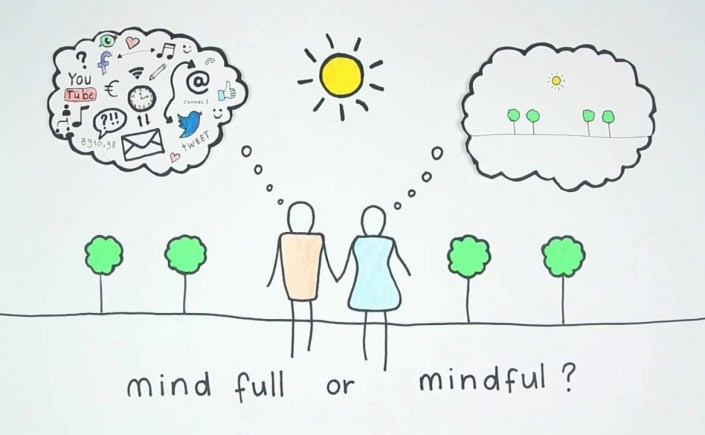
We live in a time when everyone is either living in the past or future. Being in the moment, or living in the present, seems to be a concept foreign to so many of us. By not living in the current moment, we are simply ensuring a life filled of stresses and regrets. How can we better learn to focus on the present?

Mindfulness means being aware of our surroundings, our body, our feelings, and thoughts in the moment. It involves recognizing and accepting our thoughts or sensations for what they are in a given moment without any judgment or negative perceptions. The practice of mindfulness gives our minds the chance to tune into the present.

It is critical for all of us to learn to practice mindfulness and how to be in the present. This will help us to avoid living a stressful life. This technique helps us learn to relax, be calm, and appreciate the present. Learning to practice mindfulness does not involve any major changes we need to make to our lives – simply setting aside a few minutes to be aware of ourselves and surroundings can have long term benefits. Here are some examples of mindful exercises we can all strive to implement in our daily lives:

  1. Mindful Breathing: Stand or sit down in a comfortable position and focus your thoughts and energy on your breath. Breathe in through your nose and out of your mouth. Be aware of only your breathing, and let go of your thoughts, letting them come and go as they pass.
  2. Mindful Observing: Look at any object in your surroundings/environment and focus solely on the object for a few minutes. Take a moment to notice every possible aspect of the object, including its color, shape, movement, features, and how it changes. Your mind will be focused on this object and will enable you to relax.
  3. Mindful Listening: Close your eyes and take a moment to listen to all of the sounds in your surroundings. Try to identify as many sounds as you can possibly hear and describe them. This allows your mind to again focus on something in the current moment instead of the thoughts in your mind.

If you or someone you know is suffering from stress or anxiety and wants to learn how mindfulness can help you, please contact our psychotherapy offices in New York or New Jersey to talk to one of our licensed professional psychologists, psychiatrists, psychiatric nurse practitioners, or psychotherapists at Arista Counseling & Psychotherapy. Contact our Paramus, NJ or Manhattan, NY offices respectively, at (201) 368-3700 or (212) 722-1920 to set up an appointment. For more information, please visit http://www.counselingpsychotherapynjny.com/.

OCD: Supporting a Loved one with OCD

By: Sanjita Ekhelikar

It can be devastating to see a loved one suffer through a mental illness. This holds very true for loved ones of individuals afflicted with Obsessive Compulsive Disorder, or OCD. OCD is a ruthless anxiety disorder that traps people in repetitive thoughts or rituals. The disorder is characterized by irrational thoughts, or “obsessions,” that people have, which are addressed through “compulsions,” or behaviors to appease the thoughts. Obsessions and compulsions can range from concern over hygiene or safety, resulting in recurrent handwashing or checking locks on doors, or clarifying meanings with other people, which result in repeating words and phrases. An attempt to resist the compulsion leads to extreme feelings of anxiety, which are extremely unpleasant.

Individuals with OCD are constantly fighting their minds every single day, and fighting the urge to give in to the compulsions while also experiencing anxiety. As a family member or loved one of the effected individual, it can sometimes be difficult to know how to best be supportive and help the significant other overcome their OCD. Here are a list of tips to support a loved one struggling with OCD:

  1. Do not accommodate the OCD. A large part of this illness involves the individual asking for reassurance or wanting to continuously repeat an action or phrase until the OCD is “satisfied.” While it may seem like giving them the reassurance is the nice thing to do, this actually worsens the condition. Reassurance may remove anxiety for a short amount of time, but allows the OCD to continue to take over and keeps the individual under the control of OCD.
  2. Uncertainty is key. When presented with the previous situation about being asked reassurance, the best thing to do is leave the individual with uncertainty. This will result in them feeling anxiety, which may be hard to see, but is crucial in their resisting the compulsions and in the long run overcoming the OCD. When asked for reassurance, simply do not respond, or say “this could be true, but I don’t know for sure.” Uncertainty = anxiety = healing.
  3. Be compassionate. While you should be firm in not giving reassurances, be compassionate, empathetic, and understanding of your loved one. OCD is tiring, and the individual does not want to be asking you for reassurances or fighting with their mind. Be caring and loving to them.
  4. Educate yourself! The more you can learn about OCD, how it works, and its symptoms, the more effective you can be in helping your loved one and in tackling the illness together.
  5. Maintain your own life. It can be a natural thought to want to take time from work or school to help a loved one with OCD and to be around them. Do NOT do this – it is important to take care of yourself, have your own life and space, and not cater everything around the OCD. Your loved one will feel guilty if you are giving up things to take care of them, and you will soon tire out and not be effective in helping. OCD can be a trying disease to overcome, but with the correct treatments and proper support, it can be overcome. By knowing the best ways to be supportive of your loved ones, you can facilitate the process of their working towards a life free of OCD.

If you or someone you know is suffering from obsessive compulsive disorder, please contact our psychotherapy offices in New York or New Jersey to talk to one of our licensed professional psychologists, psychiatrists, psychiatric nurse practitioners, or psychotherapists at Arista Counseling & Psychotherapy. Contact our Paramus, NJ or Manhattan, NY offices respectively, at (201) 368-3700 or (212) 722-1920 to set up an appointment. For more information, please visit http://www.counselingpsychotherapynjny.com/.

Social Anxiety and College: How to Cope This Semester

By Samantha Glosser

College is a stressful time for most students and it can quite often seem too difficult to cope with the pressures commonly found on college campuses. For someone with social anxiety, a disorder characterized by persistent fear of negative evaluation by others in social situations, this reality is all too real. They are faced with public speaking, graded class participation, and the anxiety of interacting with other students in clubs, organizations, and even at parties. And don’t forget the terror of meeting your new roommate! Being completely emerged in these situations makes it easy to feel like your social anxiety is inhibiting you in all aspects of your college life; however, this does not need to be the case.

There are plenty of things you can do to treat your social anxiety before it gets in the way of your college experience. For some, self-help techniques are useful. Participating in deep breathing exercises and positive self-talk are such techniques. Deep breathing helps to alleviate some of the physical symptoms of social anxiety, while positive self-talk can lessen the effect that anxiety has on negative thoughts. However, others benefit from psychotherapy, such as cognitive behavioral therapy, or medications (antidepressants) targeted for social anxiety. This treatment plan typically includes exposure therapy, which gradually places you in anxiety-provoking situations while simultaneously teaching you relaxation skills to cope with your anxiety. It can help you to understand the irrational basis of your worries. A combination of psychotherapy, medication, and at home self-help strategies are an effective way to prevent your social anxiety from taking over your college experience.

If you or someone you know appears to be suffering from social anxiety disorder, the licensed psychologists, psychiatrists, psychiatric nurse practitioners, and psychotherapists at Arista Counseling & Psychotherapy can assist you. Contact our Paramus, NJ or Manhattan, NY offices respectively, at (201) 368-3700 or (212) 722-1920 to set up an appointment. For more information, visit http://www.counselingpsychotherapynjny.com/

Group Therapy

Alice Cordero

According to psychcentral.com, Group therapy is a form of psychotherapy treatment where several people meet together under the supervision of a therapist in a particular setting. Group therapy is a form of therapy that can be used in conjunction with individual therapy and medication.  The benefits of group therapy include:

  • Modeling
    • Patients are able to witness how others in the group cope with their problems in positive ways and apply it to their lives.
    • Patients learn from other group member’s mistakes.
  • Helps improve social skills
    • In group therapy, most of the time each individual has to share something about themselves and how they are doing; this helps improve the patient’s interpersonal relationships and understand that they are not alone in this particular process.
  • Increased feedback
    • Provides patients with different perspectives/ coping methods
    • Gives patients a view of how others handle their particular situation
    • Provides individuals with personal feedback through other patients perceptions of themselves
  • Support Network
    • Having multiple individuals who are going through the same gives each patients the opportunity to build a support system that they can use


Group therapy involves members expressing their feelings, problems, ideas, and reactions towards other members. Studies have shown that group therapy has been effective in addressing countless problems, including: anxiety, depression, addictive disorders, substance abuse, death, lifestyle issues, and relationship issues.

If you or someone you know is suffering from any of the conditions listed above or think you/ they could benefit from group therapy, please contact our psychotherapy offices in New York or New Jersey to talk to one of our licensed professional psychologists, psychiatrists, psychiatric nurse practitioners, or psychotherapists at Arista Counseling & Psychotherapy. Contact our Paramus, NJ or Manhattan, NY offices respectively, at (201) 368-3700 or (212) 722-1920 to set up an appointment. For more information, please visit http://www.counselingpsychotherapynjny.com/.

Hypnosis: What is it and how is it beneficial?

Alice Cordero

Hypnosis has almost always been portrayed in movies and books as an individual entering a sleep-like trance. Once the individual enters this state of “unconsciousness” he/ she unravels their truth, and shortly after awaken completely unaware that a session took place. It’s important for the general public to understand that this connotation of hypnosis is inaccurate.

Hypnosis by definition is a trance like state where you have heightened suggestibility and are fully conscious and alert. During a session the individual is fully focused, responsive, and less skeptical. The goal of hypnosis is to get the individual into a state of relaxation where the worrisome thoughts and experiences have subsided.

Hypnosis can be helpful for conditions including: chronic pain, stress, anxiety, sleep disorders, depression, grief, symptoms of dementia, ADHD, skin conditions, and behavior disorders like smoking, and nail-biting. It’s important to remember that during hypnosis the individual is always in control throughout the process. Although the therapist provides the patient with guidance throughout the session, the patient is always the main one in charge.

Some of the major benefits of hypnosis over the years include: losing weight, leaving bad habits, overcoming negative emotions, overcoming insomnia, and even improving daily life activities.

If you or someone you know is suffering from any of the conditions listed above or think they could generally benefit from hypnosis, please contact our psychotherapy offices in New York or New Jersey to talk to one of our licensed professional psychologists, psychiatrists, psychiatric nurse practitioners, or psychotherapists at Arista Counseling & Psychotherapy. Contact our Paramus, NJ or Manhattan, NY offices respectively, at (201) 368-3700 or (212) 722-1920 to set up an appointment. For more information, please visit http://www.counselingpsychotherapynjny.com/.

Hypochondria: Somatic Symptom Disorder

Alice Cordero

A condition once called Hypochondria now falls under the name Somatic Symptom Disorder. Somatic Symptom Disorder is characterized as extreme focus on physical symptoms. When one places extreme focus on physical symptoms – such as fatigue and pain- the individual usually experiences emotional distress and problems functioning in their daily lives.

Those diagnosed with somatic symptom or hypochondriasis disorder often consider the worst case scenarios about their symptoms, which often leads the individual to frequently seek medical care. The individual’s health concerns become such a crucial focus in their life that they in fact become disabled.

Symptoms of somatic symptom disorder may include:

  • Sensations in a specific area ( whether that be shortness of breath or pain) or more general sensations, like weakness and fatigue
  • Excessive thoughts, feelings, behaviors and worrying
  • Checking the body repeatedly for any sort of abnormalities

When one is diagnosed with somatic symptom disorder it is important to keep a positive outlook, because stress and negativity pave the way for the development of symptoms. Those with a history of substance abuse and high levels of sensitivity to pain are commonly seen with this condition.  Anxiety, depression, and OCD are conditions that are often diagnosed as accompanying somatic symptom disorder.

For somatic symptom disorder treatment normally involves cognitive behavioral therapy, mindfulness- based therapy, and medication such as antidepressants. With the proper treatment research has revealed that recovery is possible using the proper strategies to eliminate as much pain as possible.

If you or a loved one appears to be suffering from Somatic Symptom Disorder (Hypochondriasis), the licensed psychologists, psychiatrists, psychiatric nurse practitioners, and psychotherapists at Arista Counseling & Psychotherapy can assist you. Contact our Paramus, NJ or Manhattan, NY offices respectively, at (201) 368-3700 or (212) 722-1920 to set up an appointment. For more information, visit us at http://www.counselingpsychotherapynjny.com/

Neurofeedback

Leah Flanzman

There has recently been a great deal of discussion on a psychological treatment called neurofeedback. Neurofeedback assists people in consciously controlling their brain waves by attaching subjects to an EEG machine that extracts various brain-activity components and feeds them back to the patient.  The most common protocols used in neurofeedback training are alpha, beta, theta, and alpha/theta protocols.  The way that you select the placement of electrodes on a patients head depends on their specific brain functions and specific symptoms.  The goal is to allow the subject to assess their progress and adjust their brain waves accordingly to achieve optimal performance.  However, the effectiveness and practicality of the treatment is under debate.

According to the Basic and Clinical Neuroscience journal, many studies conducted on neurofeedback therapy reveal methodological limitations that question its effectiveness. For example, with the alpha treatment protocols, it remains unknown exactly how many treatment sessions are necessary before patients can consciously possess the ability to control their alpha waves.  Once an optimal performance is achieved, it’s difficult to study the long-term effects of these treatments, in other words how long the effects last without feedback.

The pros of neurofeedback are that it’s a safe and non-invasive procedure that has been proven effective in treating certain disorders such as ADHD, anxiety, depression, epilepsy, insomnia, drug addictions, and learning disabilities. Despite this, more scientific evidence of its effectiveness must be conducted before we can consider it a valid treatment.  It’s also important to keep in mind that it’s a very expensive procedure that is not covered by many insurance companies, and is very time consuming to complete.

If you or someone you know thinks they have ADHD, anxiety, depression, or drug addictions, or learning disabilities, the psychologists, psychiatrists, and psychotherapists at Arista Counseling and Psychiatric Services can help.  Contact the Bergen County, NJ or Manhattan offices at (201) 368-3700 or (212) 722-1920.  Visit http://www.counselingpsychotherapynjny.com for more information.

FOMO: The Fear of Missing Out

Leah Flanzman

Every college student or young adult has spent a Saturday night curled up on the couch in sweatpants with a pint of ice cream; scrolling through Instagram when they see their friends having the time of their lives out on the town.  At that moment, they are hit with a pang of regret on deciding to spend the night in.  Their mind immediately starts forming a million possibilities of jokes being formed and memories being made without them, and they instantly assume they are missing the greatest night ever.  This common phenomenon is called FOMO, or the fear of missing out.

In modern times, Millenials are connected to each other’s lives through their social media presence on platforms such as Instagram, Snapchat, Twitter, and Facebook.  It has become seemingly impossible to remain in the dark about your friend’s whereabouts, which is why FOMO is such an emerging issue.  If you remained in ignorant bliss about what everybody in your phone was up to, there would be no fear of missing out, as the seed of wonder would never be planted.  FOMO triggers the thought that you’re the only person in the world not living their best life in that moment, and can be extremely damaging to your mental health.

FOMO can also be present in a situation where you have to choose between two options, as you cannot be two different places at once.  Let’s say you were invited to Sally’s party and Billy’s party on the same day.  You choose to go to Sally’s party but while you’re there, you see a friend who went to Billy’s party having the best time on their Snapchat story.  This causes a buildup of anxiety from the thought that you could be having more fun if you had made a different decision.  FOMO causes people to develop the attitude that something bigger and better is always around the corner, which is an unproductive, unhealthy mindset.

If you or someone you know is struggling with FOMO that is leading to anxiety, the psychologists, psychiatrists, and psychotherapists at Arista Counseling and Psychiatric Services can help.  Contact the Bergen County, NJ or Manhattan offices at (201) 368-3700 or (212) 722-1920.  Visit http://www.acenterfortherapy.com for more information.

The History of Hypnotherapy

By Jennifer Guzman

Have you ever “zoned out” while driving and found yourself driving from one location to another without realizing how you got there? This is like how hypnosis feels, and is actually something we call “highway hypnosis”, in which you are in a natural hypnotic state.

Hypnosis is a technique that is increasingly being sought-after and used in today’s clinical practices, but little do people know that hypnosis is a technique that has been used for centuries, dating to as far back as the 4th and 5th centuries B.C. in Ancient Egypt! However, much credit is given to 18th century German physician, Frank Mesmer, who coined the term, “mesmerism” in reference to what we now call “hypnosis” and is the first dated medical practitioner to practice hypnosis for therapy. Mesmer utilized suggestion for his patients in order to cure their illness. One of the first patients with whom Mesmer used hypnosis had consisted of placing a magnet on her head in order to revitalize blood flow in her brain, which was believed to be the cause of her tooth and headaches. The magnet, coupled with Mesmer’s theatrical hand gestures had allowed the patient to believe that the fluids in her brain were stabilizing, when truly, the magnet and hand gestures had done nothing. In reality, the suggestions he was giving her were easing her aches. This discovery opened up a wide array of questions about hypnosis and brought about a new treatment to the field of psychology.

Following Mesmer was James Braid, who is regarded as the “Father of Hypnosis”. Braid delved into why hypnosis was effective during therapy session. He also conducted intensive research to identify key methods that could put someone into a trance state through analysis of the physiological components of hypnosis. Braid was the figure who coined the term, “Hypnosis”.
Much credit to modern day hypnotherapy must be attributed to 20th century psychologist, Milton H. Erickson, who created a multitude of hypnotherapy methods that are currently being used in today’s clinical practices. Erickson places great emphasis on language in order to tap into the unconscious mind. He also emphasizes the importance of allowing the patient to feel positive feelings with his aid. The methods help the patient heal through their own willpower.

Even Sigmund Freud, founder of psychoanalysis, utilized hypnosis in his therapy, although he did not inherently acknowledge that what he sometimes performed on his patients was hypnotherapy. However, Freud discarded the use of hypnosis in his practice because his techniques did not work on his patients. In order to be properly hypnotized, the hypnotist should be a licensed mental health professional, such as the psychiatrists, psychologists, and social workers at Arista Counseling & Psychotherapy.

Contrary to the popular belief that when someone is under hypnosis, they are not in control of their own bodies—this is a myth. When under hypnosis, you are free to intervene and break out of your trance state if you feel uncomfortable or become distracted; however, doing so will decrease the effectiveness of the session. In order to go through successful hypnosis, one must be willing to be hypnotized, open to suggestion, and trust the hypnotherapist.

Hypnotherapy is typically used to successfully treat issues such as Depression, Anxiety, Attention Deficit Hyperactivity Disorder (ADHD), Obsessive Compulsive Disorder (OCD), weight gain or weight loss, Insomnia, smoking cessation, and more.

If you or someone you know is interested in hypnosis or psychotherapy, please contact our offices in New York or New Jersey to make an appointment with one of the licensed professional psychologists, psychiatrists, psychiatric nurse practitioners, or psychotherapists at Arista Counseling & Psychotherapy. For hypnotherapy, please ask to make an appointment with one of our hypnotherapists at Arista Counseling & Psychotherapy. Contact our Paramus, NJ or Manhattan, NY offices respectively, at (201) 368-3700 or (212) 722-1920 to set up an appointment. For more information on our services, please visit http://www.counselingpsychotherapynjny.com/ If you or someone you know is in a crisis, please call 1-800-273-8255.

References:

Retrieved March 23, 2018, from http://www.historyofhypnosis.org/
Hammer, G.A. Orne, M.T. Hypnosis. Retrieved March 32, 2018, from https://www.britannica.com/science/hypnosis