Depression: Different Manifestations

By Zuzanna Myszko

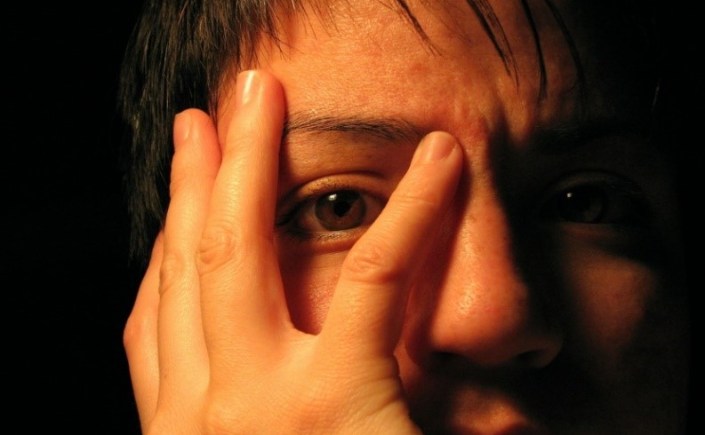
Even though depression is seen as a single disorder, it can be characterized by a myriad of different symptoms. Two people who have both been diagnosed with depression may display completely contrasting feelings and behavior. In response, psychologists must attempt to tailor treatments to properly deal with the patient’s particular manifestation of depression.

People with depression are usually described as experiencing:

  • Sadness
  • Worthlessness
  • Fatigue

However, someone might outwardly display signs of aggression and anxiety while experiencing depression, which changes his or her therapeutic needs. Additionally, this brings up the issue of proper diagnosis. Clinicians must utilize interviews and standardized tests in order to determine the kind of symptoms the patient is experiencing, how many symptoms he or she has, and how long they have been present. These assessments also help the clinician see the extent to which the symptoms are impeding the patient’s day-to-day functioning, which is very important for treatment.

Some forms of diagnosis include:

  • DSM-5
  • Hamilton Depression Rating Scale (HAM-D)
  • Patient Health Questionnaire-9 (PHQ-9)

Tracking symptoms becomes important for the clinician to be able to accurately treat the patient. Usually, it becomes a process of trial and error, especially if medication is involved. However, the more accurate the tracking, the more pinpointed the treatment is because symptoms can be tackled individually. Neuroscientists and other mental health researchers are continuing to attempt to determine the underlying biochemistry of depression in order to eliminate some of the trial and error in treatment.


If you or someone you know is experiencing depression or depressive symptoms, speak with one of our licensed professional psychologists, psychiatrists, psychiatric nurse practitioners, and psychotherapists. Contact us at our Paramus, NJ or Manhattan, NY offices at (201) 368-3700 or (212) 722-1920 respectively to set up an appointment. For more information, visit http://www.counselingpsychotherapynjny.com/.

Image: https://clemencebodin.wordpress.com/

Source: https://www.psychologytoday.com/us/blog/7-billion-brains/201901/your-individual-depression

Effects of Sexual Assault

Effects of Sexual Assault

By Toniann Seals

Sexual assault is a tragedy that unfortunately happens to many victims. Statistics say that, “in the U.S., one in three women and one in six men experienced some form of contact sexual violence in their lifetime.” This number is far too high and the reality is that despite the movements created to end it, it continues to have a large impact on many people’s lives.

Facts:

  • “91% of victims of rape and sexual assault are female, and nine percent are male.”
  • “The lifetime cost of rape per victim is $122,461.”
  • “81% of women and 35% of men report significant short- or long-term impacts such as Post-Traumatic Stress Disorder (PTSD).”

Sexual assault affects both the victim and their family. A few of the mental health issues that the victims could develop are anxiety, depression, obsessive thoughts and paranoia. If sexual assault has affected your life, it is important to remember that it is never the victim’s fault and there are people here to help.

If you or someone you know is a victim of sexual assault speak with one of our licensed professional psychologists, psychiatrists, psychiatric nurse practitioners, and psychotherapists. Contact us at our Paramus, NJ or Manhattan, NY offices at (201) 368-3700 or (212) 722-1920 respectively to set up an appointment. For more information, visit http://www.counselingpsychotherapynjny.com/.

Sources:

Click to access NISVS-StateReportBook.pdf

Click to access rsarp00.pdf

Click to access NISVS_Report2010-a.pdf

Click to access nsvrc_talking-points_lifetime-economic-burden_0.pdf

Image:

https://www.indiatoday.in/technology/features/story/hashtag-metoo-trending-on-twitter-facebook-what-is-it-and-why-is-everyone-talking-about-it-1066951-2017-10-18

Sexual Assault: Why Survivors Don’t Come Forward Sooner

By Samantha Glosser

If you watch the news or are an avid social media consumer, you have probably heard about various claims of sexual assault against public and political figures, where the victim did not immediately come forward. We recently saw this with Dr. Christine Blasey Ford, who publicly accused U.S. Supreme Court nominee, Brett Kavanaugh, of sexually assaulting her as a teenager. Situations like Dr. Ford’s have opened up a discussion about one important question: why do survivors wait so long to report an assault? Research shows that it is a normal response for survivors of sexual assault to take time before reporting the assault, if they report at all. This may not make sense to you, as you are probably wondering why they wouldn’t want justice or revenge on their abuser. However, there are numerous reasons that compel survivors to prolong or withhold disclosing that they were sexually abused.

  1. Fear of being victimized a second time. Reporting a sexual assault often leads to new and added traumas from peers, family members, police officers, lawyers, etc. This feeling often comes from having to relive the experience or from people indicating that the victim caused the sexual assault by asking questions like, “What were you wearing at the time of the attack?”
  2. Lack of support. Lack of support is a multi-faceted issue. Survivors find it hard to report if they are not surrounded by loved ones who support them. However, even with this support, individuals still refrain from reporting because they know that our society has a tendency to blame the victim for the sexual assault. A lack of support can even come from other survivors of sexual assault. Typically, other survivors are seen as a source of comfort. However, some will dismiss another person’s assault with statements like, “What’s the big deal? It happens to all of us. Get over it.”
  3. Decline in functioning after the assault. Survivors of sexual assault experience intense feelings of shame, worthlessness, and self-loathing which can quickly bring on depression and anxiety. It is difficult for survivors to contemplate a course of action after the assault when they can barely figure out how to make it through the day. In the midst of these emotions, survivors want to forget and pretend that the assault did not occur.
  4. Vague memories of the attack. In some cases, victims of sexual assault were drugged by their abuser or previously inebriated. Both of these situations can lead to victims only having a vague memory of the attack. In addition, the trauma endured by some victims is so severe it causes them to dissociate, which also leads to vague memories. When individuals do not have a vivid recollection of the event, they may be scared to come forward because they fear others will not believe them, or in some cases because they do not believe their own memories.

If you or someone you know is a survivor of sexual assault, the licensed psychologists, psychiatrists, psychiatric nurse practitioners, and psychotherapists at Arista Counseling & Psychotherapy can assist you. Contact our Paramus, NJ or Manhattan, NY offices respectively, at (201) 368-3700 or (212) 722-1920 to set up an appointment. For more information, visit http://www.counselingpsychotherapynjny.com/.

Source: https://blogs.psychcentral.com/psychology-women/2018/10/6-big-reasons-women-dont-report-sexual-abuse-right-away/

Assertiveness and Anxiety: How Expressing Yourself Can Lead to a Happier Self

By: Sanjita Ekhelikar

“Communication is key” is a phrase we are all familiar with, yet many struggle with actually acting on it. The most effective form of communication is through assertiveness, which involves expressing one’s views in a straightforward manner, and in standing up for one’s needs while still being considerate of others. This differs from aggressiveness in that it does not involve being outwardly emotional or insulting to others, and differs from passivity in that the individual clearly states their feelings and desires. Being assertive involves open communication, which can be difficult to engage in, especially for people struggling with anxiety. However, through practicing and learning assertiveness, people with anxiety can actually feel less worry and more confident in themselves.

Anxiety describes the uncomfortable feelings of turmoil and dread that one might have in anticipation that results in physical sensations such as rapid heartbeat, sweating, and rumination. For many who struggle with anxiety, the thought of being assertive with others makes them anxious. They often worry that being assertive will come off as being mean, creating conflict, and being inconsiderate. Therefore, many choose passive communication, and never voice their views or feelings. This worsens their state of worry, as they are not properly understood by those around them and can easily be taken advantage of. They are often misunderstood which increases their worry. Others often take advantage of them because of their meek manner and visible anxiety.

Contrary to what those with anxiety believe, assertiveness can actually help them feel better. Often times, those with anxiety create situations in their mind about everything that will go wrong if they voice themselves to another person. However, such a form of open communication can create a better understanding between two people. It allows the person with anxiety to be properly understood, to dispel the fearful thoughts in their head, and become more confident in themselves and their views.

How can people with anxiety begin working towards being more assertive? By stating their views using “I,” individuals can avoid putting blame on others by expressing their own opinions. In addition, reminding themselves that their fears are not rational and that it is their anxiety talking to them can help them become increasingly comfortable with being assertive. Finally, practice makes perfect – keep trying and speak up!

If you or someone you know is suffering from anxiety, please contact our psychotherapy offices in New York or New Jersey to talk to one of our licensed professional psychologists, psychiatrists, psychiatric nurse practitioners, or psychotherapists at Arista Counseling & Psychotherapy. Contact our Paramus, NJ or Manhattan, NY offices respectively, at (201) 368-3700 or (212) 722-1920 to set up an appointment. For more information, please visit http://www.counselingpsychotherapynjny.com/.

Nightmares: Normal or Disorder?

By: Sanjita Ekhelikar

We all know the horrible sensation of waking up in the middle of the night after a nightmare, a terrifying dream that occurs during the rapid eye movement (REM) stage of sleep. These dreams are a normal response to stressors in our life, and occur both during childhood and in adulthood. However, when nightmares occur regularly and lead to impairment of one’s cognitive and social functioning, they can develop into Nightmare disorder.

Nightmare disorder is characterized by frequent occurrences of fearful dreams which can interfere with development, functioning, and sleep. People with the disorder are constantly woken up with the detailed recall of dreams that feel like a threat to their survival or security. In addition, such individuals tend to awaken very easily, and have difficulty functioning throughout the day. They are not taking any substances which could lead to the increase in nightmares and, therefore, show signs of the disorder.

Many of the likely causes of Nightmare disorder include mental illnesses such as anxiety and depression, which cause people to stress throughout the day which can interfere with their sleep. In addition, any major life trauma can result in this growing distress. Finally, any sleeping disorder, such as narcolepsy, sleep apnea, or sleep terror, can cause increased nightmares.

If you are experiencing extreme, recurrent nightmares, do not hesitate to reach out for help and seek treatment. You can speak to a psychologist or take anti-depressant medication to address the issues behind these dreams and to better reduce the unpleasant symptoms. Aside from this, setting a routine during bedtime, making oneself comfortable, exercising during the day, doing meditation before bed, and sleeping until sunrise are ways to better relax and try to prevent nightmares. It is important to take care of yourself and your health, both when you are awake and alert AND when you are asleep.

If you or someone you know is suffering from nightmares, please contact our psychotherapy offices in New York or New Jersey to talk to one of our licensed professional psychologists, psychiatrists, psychiatric nurse practitioners, or psychotherapists at Arista Counseling & Psychotherapy. Contact our Paramus, NJ or Manhattan, NY offices respectively, at (201) 368-3700 or (212) 722-1920 to set up an appointment. For more information, please visit http://www.counselingpsychotherapynjny.com/.

Self-Esteem and Shaming Parents

By Stephanie Osuba

We have all felt, in one way or another, like we weren’t good enough or even felt embarrassed after making a mistake at work. This is healthy in that we are expressing sadness or just reflecting on a situation that could have been handled differently, but we move on and eventually feel valued and confident again. However, for some, that feeling of shame and guilt never goes away. Some believe they are inherently flawed, worthless, and inferior to everyone else. These negative emotions and lack of self-esteem are largely rooted in repeated childhood and adolescence trauma that is often left unprocessed. Internalization of this emotional abuse leads to a conditioning of sort, usually by the primary caregiver, that the negative emotions constantly felt reflect who one is as a person. This person comes to genuinely believe that he or she is a bad person, unlovable, never good enough, and deserves to be treated with disrespect.

The constant shame is also accompanied by a constant feeling of guilt. Everything is his or her fault, regardless of the context. There is a sense of unjust responsibility for other people’s emotions and the outcome of all situations. Its no wonder why low self-esteem can manifest itself in anxiety, self-harm or poor self-care, or on the other extreme, narcissism and antisocial tendencies. Here are some behaviors that can be a manifestation of low self-esteem:

  • Lack of healthy self-love: poor self-care, self-harm, lack of empathy, and inadequate social skills
  • Emptiness: loneliness, lack of motivation, and finding distractions from emotions
  • Perfectionism: this is often a behavior that manifests as adults because of the unrealistic standards these children were held to by their parents and were punished for not meeting
  • Narcissism: grandiose fantasies of who they want others to perceive them to be; even if they do succeed however, this protective personality doesn’t numb the negative emotions they truly feel.
  • Unhealthy relationships: people with low self-esteem are incapable of building and maintaining a relationship with others, largely because they don’t know what a healthy relationship looks like. Both parties are usually extremely dependent.
  • Susceptibility to manipulation: the constant self-doubt, shame and guilt make it too easy to bend a person with low self-esteem to an experienced manipulator’s will.

Source: Cikanavicius, D. (2018, September 03). A Brief Guide to Unprocessed Childhood Toxic Shame. Retrieved from https://blogs.psychcentral.com/psychology-self/2018/09/childhood-toxic-shame/ 

If you or someone you know is struggling with self-esteem, the licensed psychologists, psychiatrists, psychiatric nurse practitioners, and psychotherapists at Arista Counseling & Psychotherapy can assist you. Contact our Paramus, NJ or Manhattan, NY offices respectively, at (201) 368-3700 or (212) 722-1920 to set up an appointment. For more information, visit http://www.counselingpsychotherapynjny.com/

Anxiety: Social Anxiety Disorder

By: Charleene Polanco

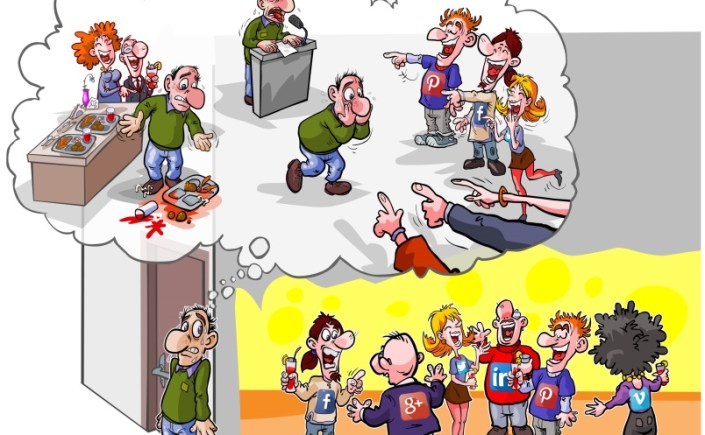
Social anxiety disorder is characterized by an intense fear of being rejected by people. Many people feel some level of anxiety when they are placed into unknown social situations. However, those suffering from social anxiety disorder may avoid socializing altogether, because they cannot handle being judged or seen in a negative way by others. A person with social anxiety disorder, can experience anxiety during many different situations like; going on a date, eating in front of people, making eye contact, public speaking, or going to parties. Some of the symptoms of social anxiety include:

  • Rapid heartbeat
  • Uneasy stomach/diarrhea
  • Muscle tension
  • Lightheadedness
  • Sweating

Social anxiety can cripple a person’s life, because normal everyday interactions are triggers of anxiety and discomfort. This is why many people who suffer from social anxiety disorder choose to isolate themselves from everyone. In order to reduce the fear of rejection, people with social anxiety disorder are encouraged to be exposed to social situations, not run away from them. Although being around others is what brings them distress, socializing is also what allows people with social anxiety to change the way they think about social engagements. Instead of having negative perceptions about the way people view them, the more they socialize and are accepted by others, the more socially anxious people see that those perceptions are not true.

If you or someone you know is suffering from social anxiety, please contact our psychotherapy offices in New York or New Jersey to talk to one of our licensed professional psychologists, psychiatrists, psychiatric nurse practitioners, or psychotherapists at Arista Counseling & Psychotherapy. Contact our Paramus, NJ or Manhattan, NY offices respectively, at (201) 368-3700 or (212) 722-1920 to set up an appointment. For more information, please visit http://www.counselingpsychotherapynjny.com/.

Sources:

Anxiety and Depression Association of America. (2018). Social Anxiety Disorder. Retrieved October 01, 2018, from https://adaa.org/understanding-anxiety/social-anxiety-disorder

Nordqvist, C. (2018, February 05). What’s to Know About Social Anxiety Disorder? Retrieved October 01, 2018, from https://www.medicalnewstoday.com/articles/176891.php

WebMD. (2018). What Is Social Anxiety Disorder? Retrieved October 01, 2018, from https://www.webmd.com/anxiety-panic/guide/mental-health-social-anxiety-disorder#1


What is Trichotillomania?

By Stephanie Osuba

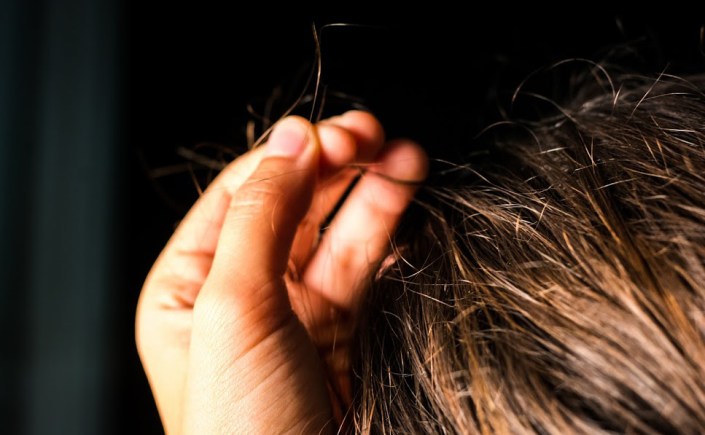
Trichotillomania is a hair pulling disorder categorized in the Obsessive Compulsive and Related Disorders section in the DSM-5. It is one of the other Body Focused Repetitive Behaviors (BFRBs) – along with excoriation (skin picking) and onychophagia (nail biting) – in which the individual will pull, pick or bite at various parts of the body resulting in damage.  Symptoms include recurring hair pulling, hair loss, and related stress and impairment because of the behavior. The disorder is not considered self-mutilation like cutting or burning because the behavior is not intentional and research suggests that there is no connection between the disorder and unresolved trauma. Often people are ashamed of the behavior and their resulting appearance because of it and try their hardest to stop. Comorbidities include, tic disorders, mood disorders, and anxiety disorders, although, trichotillomania can also occur in the absence of any other psychopathology.  The regular age of onset is between the ages of 11 and 13, however, baby trichotillomania is a rare phenomenon that seems to go away as the child grows older. Research also suggests that the disorder is primarily genetic as it appears in the first relatives of people with trichotillomania than it does in the general population.

Available treatments include cognitive behavioral therapy (CBT) and habit reversal training (HRT) with adjunctive dialectal behavioral therapy (DBT) and acceptance and commitment therapy (ACT). These therapies help the person to be aware of the pattern of the behavior and helps to identify triggers to pulling. It also teaches methods to redirect that urge to pull into a new healthy pattern of behavior in order to reduce or eliminate the urge. While there is no FDA-approved medication specifically for BFRBs, research is being conducted. OCD medication such as selective serotonin reuptake inhibitors (SSRIs) and anafranil can help alleviate symptoms as well.

Sources: Deibler, M. W., Psy. D. (n.d.). Trichotillomania (TTM) and related Body-Focused Repetitive Behaviors (BFRBs). Retrieved from http://www.thecenterforemotionalhealth.com/trichotillomania-and-related-disorders

Zwolinski, R., LMHC. (2013, October 03). Cause And Treatment Of Trichotillomania. Retrieved from https://blogs.psychcentral.com/therapy-soup/2012/04/cause-and-treatment-of-trichotillomania/

If you or someone you know appears to be suffering from trichotillomania, the licensed psychologists, psychiatrists, psychiatric nurse practitioners, and psychotherapists at Arista Counseling & Psychotherapy can assist you. Contact our Paramus, NJ or Manhattan, NY offices respectively, at (201) 368-3700 or (212) 722-1920 to set up an appointment. For more information, visit http://www.counselingpsychotherapynjny.com/.

Postpartum Depression

By Samantha Glosser

“I thought postpartum depression meant you were sobbing every single day and incapable of looking after a child. But there are different shades of it and depths of it, which is why I think it’s so important for women to talk about. It was a trying time. I felt like a failure.” -Gwyneth Paltrow

Postpartum depression can begin as early as a few weeks after giving birth, and it affects one in seven women. Symptoms of postpartum depression include the following: depressed mood or mood swings, excessive crying, difficulty bonding with the baby, withdrawal from loved ones, loss of appetite or an increased appetite, inability to sleep or sleeping too much, fatigue or loss of energy, anxiety, fear of not being a good mother, thoughts of harming yourself or your baby, and recurrent thoughts of death and suicide. These symptoms typically interfere with your life and your ability to raise and connect with your child. Although it is not certain what causes postpartum depression, it is most likely due to a combination of hormones and emotional processing deep in the brain.

As noted by Gwyneth Paltrow, an actress using her fame to shed light on the severity of this disorder, postpartum depression is not one size fits all; every woman experiences it differently and experiences symptoms at different severities. This is why it is important for women to be open and honest about their experiences with postpartum depression. Women often feel a lot of shame when they have postpartum depression, because they do not understand why they are feeling this way or what they are feeling. They feel like they are alone in these feelings. However, this is not the case. Other famous mothers such as Brooke Shields and Marie Osmond, like Paltrow, are using their platforms to share their struggles with postpartum depression and let women know that they are not alone and that they should not feel ashamed, which is opening up the doorway to treatment for all women. Postpartum depression can be effectively treated with psychotherapy, support groups, and psychiatric medication if needed. These treatments are the most efficient way for you to feel better and connect with your child.

If you or someone you know appears to be suffering from postpartum depression, the licensed psychologists, psychiatrists, psychiatric nurse practitioners, and psychotherapists at Arista Counseling & Psychotherapy can assist you. Contact our Paramus, NJ or Manhattan, NY offices respectively, at (201) 368-3700 or (212) 722-1920 to set up an appointment. For more information, visit http://www.counselingpsychotherapynjny.com/.

Source: Layton, M. J. (2016, January 26). Task force urges doctors to screen new moms for depression. Retrieved from http://www.northjersey.com/story/news/2016/01/26/task-force-urges-doctors-to-screen-new-moms-for-depression/94422958/

Panic Attacks and Anxiety

By: Dianna Gomez

Panic. Worry. Fear. Helplessness. What is wrong with me? Why am I feeling like this? Why is my heart beating out of my chest? Am I dying? Why can’t I make it stop?!

For some of us, these emotions are all too familiar. Anxiety can be a scary thing, especially when you’re not totally up-to-date on what exactly it is. What are you to do when you feel like your whole world is crashing down around you and there’s nothing you can do to stop it? Well, have no fear because I have a few helpful tips to share!


Here are 5 things that you can do to calm yourself down when suffering from an anxiety attack:

  • Take Deep Breathes

Inhale. Exhale. Tell yourself that although it may not feel like it right now, everything will be okay.

  •  Talk Yourself Down

Repeat a calming/kind phrase to yourself OUT LOUD. Remind yourself that you are safe, loved, and never alone.

  • Seek Help

Sometimes we tend to insist that we can get through tough times all on our own, but there is no shame in asking for help. Whether it be a neutral professional, a loved one or someone you trust, find someone with whom you can talk out your troubles.

  • Use Music and Visuals

Never underestimate the power of calming music and visuals. Whether it be classical music, peaceful nature videos/sounds, or your favorite John Mayer song – let the music play and your worries float away!

  • Put Your Anxiety on Ice

Create sensory stimulation by gently sticking both of your hands into a bowl of very cold water with ice. The more ice the better.


If either you or anybody you know suffers from anxiety, the licensed psychologists, psychiatrists, psychiatric nurse practitioners, and psychotherapists at Arista Counseling & Psychotherapy can help you. Contact our Paramus, NJ or Manhattan, NY offices respectively, at (201)-368-3700 or (212)-722-1920 to set up an appointment. For more information, visit us at https://www.counselingpsychotherapynjny.com/.