Am I Too Sensitive?

Am I Too Sensitive? 

Am I Too Sensitive?

By: Julia Keys

Has anyone ever said to you in passing, “you’re so sensitive”? Our society seems to shun sensitivity without truly understanding or appreciating it. Stereotypically, a “sensitive person” is portrayed as irrationally emotional or ready to cry at any moment. In reality, sensitivity is defined by psychologists as the amount someone reacts physically, emotionally, or mentally to external and internal stimuli. Researchers have actually coined a term for someone you may describe as “sensitive”: the Highly Sensitive Person (HSP).

Highly Sensitive People, (HSP), process their external and internal environments with more attention than typical people. About 20% of the population are estimated to be an HSP. Some evolutionary psychologists suggest that HSP evolved from people that needed to be hyper vigilant in their environments to survive. Nowadays, we do not need as much extra attention to survive, but HSP are still affected by their high level of sensitivity.

It is easy to think that HSP and introversion are interchangeable traits, however there are some key differences between the two that are important to understand. HSP are not always introverts, they may like being around other people, but certain social environments can be overwhelming to their senses. Also, introversion refers to one’s preference for spending time alone versus spending time with others while sensitivity is how one processes sensory input. Although some HSP are introverted, there are definitely a fair amount that are extroverted as well.

Signs of a Highly Sensitive Person

  • Easily overwhelmed by such things as bright lights, strong smells, coarse fabrics, or sirens nearby
  • Gets more anxious than typical people when there a lot to do in a short amount of time
  • Easily disturbed by violence or graphic images
  • Feels the need to withdraw during busy days, into bed or a darkened room or some other place where they can have relief from overstimulating environments
  • Makes it a high priority to arrange their life to avoid upsetting or overwhelming situations
  •  Notices or enjoys delicate or fine scents, tastes, sounds, or works of art
  • Has a rich and complex inner life
  • Was shy or sensitive as a small child

Being an HSP can sometimes cause distress. HSP can have feelings of anxiety or stress when they are in environments that are overstimulating. Certain environments that may be enjoyable for neurotypical people such as parties, outside markets, or concerts may present too much sensory input for an HSP to enjoy. As a result, some HSP may struggle with isolation or loneliness.

On the other hand, the Highly Sensitive Person can also benefit from their heightened sensitivities to stimuli. HSP tend to be observant and perceptive, picking up on small details that others would not. As a result, many HSP are highly creative and innovative. HSP are also naturally empathetic, making them sensitive to others’ emotions and needs. HSP that balance their attention between a healthy internal and external environment reach their highest potential.

If you or someone you know is struggling with the stress being a HSP may bring, and are seeking stress management, please contact our psychotherapy offices in New York or New Jersey to talk to one of our licensed professional psychologists, psychiatrists, psychiatric nurse practitioners, or psychotherapists at Arista Counseling & Psychotherapy. Contact our Paramus, NJ or Manhattan, NY offices respectively, at (201) 368-3700 or (212) 722-1920 to set up an appointment. For more information, please visit http://www.counselingpsychotherapynjny.com/ .


Sources:

https://www.psychologytoday.com/us/blog/live-life-creatively/201906/the-creative-power-the-highly-sensitive-person

https://hsperson.com/

Source for Picture:

https://www.google.com/search?q=ripple+in+a+lake&source=lnms&tbm=isch&sa=X&ved=0ahUKEwibsYD2ztDiAhXymOAKHRgYCNoQ_AUIECgB&biw=1280&bih=561#imgrc=q1KPhEKi3gC5dM:

Stress: Types of Stress and What it’s All About

Stress: Types of Stress and What it’s All About

By Crystal Tsui

In our everyday lives, we deal with all different kinds of stress, whether it’s from danger, work, family, financial, or education. Here are some of the different types of stress:

  • Acute
  • Chronic
  • Eustress
  • Distress

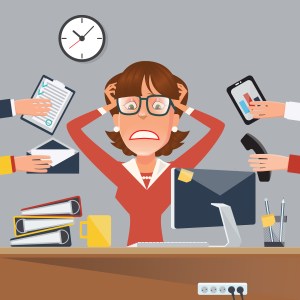
Acute stress is our fight-or flight response where we are on high alert on our surroundings, usually lasting only 90 mins. Chronic stress is our daily stress that we typically deal with, such as bills, kids, and work. This is the kind of daily stress we tend to ignore. Eustress is our daily positive stress that motivates us to be productive such as having a baby, graduation, or meeting new friends. But the complete opposite would be distress. Distress is the daily negative stress like financial problems, work difficulties, or divorce. Most of the time we can manage our stress by exercising, mediating, or even taking time to talk to family and friends.

However, if stress is not managed properly, stress can affect your body and your immune system. Some symptoms of prolonged stress include:

  • Headaches
  • Increase likelihood of depression (such as lack of motivation)
  • Insomnia
  • Anxiety
  • Irritability

Some biological symptoms of prolonged stress include:

  • Hypertension
  • Increased risk of Diabetes Mellitus Type II
  • Increased changes in acid reflux
  • Increases risk of contracting H. Pylori (bacterium that causes gastric ulcers)
  • Erectile Dysfunction or heavier, painful menses
  • Decrease body’s response to fight off viruses, infections, and the common cold

If you or someone you know is suffering from chronic stress and are seeking stress management, please contact our psychotherapy offices in New York or New Jersey to talk to one of our licensed professional psychologists, psychiatrists, psychiatric nurse practitioners, or psychotherapists at Arista Counseling & Psychotherapy. Contact our Paramus, NJ or Manhattan, NY offices respectively, at (201) 368-3700 or (212) 722-1920 to set up an appointment. For more information, please visit http://www.counselingpsychotherapynjny.com/ .

Citations:

https://imagesvc.timeincapp.com/v3/mm/image?url=https%3A%2F%2Ftimedotcom.files.wordpress.com%2F2018%2F11%2Fstress-benefits.jpg&w=663&c=sc&poi=face&q=85

https://thehealthedge.com/wp-content/uploads/2019/02/Managing-Work-Related-Stress.jpg

https://www.stress.org/daily-life

Eating Disorders: Disordered Eating Habits

Eating Disorders: Disordered Eating Habits

Image result for disordered eating habits

Eating Disorders: Disordered Eating Habits

By: Julia Keys

Our culture is obsessed with weight, thinness, exercise, and beauty. Studies show that women under the age of 19 are particularly vulnerable to the problematic effects of social media; about 60% of girls have a desire to lose weight even though they are within the healthy weight range ( Morris & Katzman, 2003). As a result, many people have developed unhealthy ways of eating and exercising for dealing with the pressure to look a certain way. These habits can seem minor at first, but can quickly develop into an eating disorder. While disordered eating habits do not meet the clinical criteria for an eating disorder, they are still unhealthy and potentially damaging.

Signs of Disordered Eating Habits:

  • Self-worth or self-esteem based highly or even exclusively on body shape and weight
  • A disturbance in the way one experiences their body i.e. a person who falls in a healthy weight range, but continues to feel that they are overweight
  • Excessive or rigid exercise routine
  • Obsessive calorie counting
  • Anxiety about certain foods or food groups
  • A rigid approach to eating, such as only eating certain foods, inflexible meal times, refusal to eat in restaurants or outside of one’s own home

It is important to recognize the signs of disordered eating and try to eradicate them before they become potentially harmful. Clinicians advise to quit fad diets because they are extremely restrictive and often result in binge eating. Obsessive exercise focused on “fat-burning” or “calorie-burning” should also be avoided and replaced with physical activity that is more focused on enjoyment. Another tip psychologists give is to avoid weighing yourself every single day. Weight can fluctuate about 2-5 lbs. a day, so fixating on a specific number in order to be healthy isn’t helpful. If disordered eating habits suddenly get worse, or start to impact one’s daily functioning, one should seek help.

If you or someone you know is struggling with an eating disorder, please contact our psychotherapy offices in New York or New Jersey to talk to one of our licensed professional psychologists, psychiatrists, psychiatric nurse practitioners, or psychotherapists at Arista Counseling & Psychotherapy. Contact our Paramus, NJ or Manhattan, NY offices respectively, at (201) 368-3700 or (212) 722-1920 to set up an appointment. For more information, please visit http://www.counselingpsychotherapynjny.com/ .

Sources:

https://www.psychologytoday.com/us/blog/contemporary-psychoanalysis-in-action/201402/disordered-eating-or-eating-disorder-what-s-the

https://www.ncbi.nlm.nih.gov/pmc/articles/PMC2792687/

Source for Picture:

https://www.google.com/search?tbm=isch&source=hp&biw=692&bih=584&ei=4UvtXJSbA-Spgge30qyABA&q=disordered+eating+habits&oq=disordered+eating+habits&gs_l=img.3..0i24.1459.6057..6251…1.0..0.178.1809.22j3……0….1..gws-wiz-img…..0..0j0i8i30j0i30.GFcmoKIva3A#imgrc=skxxnYifexcxWM:&spf=1559055335909


Psychosomatic Disorders

Psychosomatic Disorders

By Crystal Tsui

Psychosomatic disorder affects both mind and body and it occurs when a physical disease is exacerbated or caused by mental factors or vice versa. Psychological factors can cause physical symptoms when there is no physical disease. There are many factors that are involved with psychosomatic disorders, such as

  • Biological traits
  • Genetic and environmental factors
  • Family influences
  • Learned behavior

Some symptoms of psychosomatic disorders include:

  • Generalized pain
  • Weakness
  • Fatigue
  • Shortness of breath

There are many physical diseases and conditions that are prone to be exacerbated by psychological factors. Some conditions include:

  • Hypertension
  • Constipation
  • Diarrhea
  • Dyspnea
  • Tachypnea
  • Tachycardia

Cognitive behavioral therapy is often the treatment for psychosomatic disorders and it helps individuals cope with their problems (eg. stress, anxiety, depression) and understand that their mental health is connected to their physical health. Most healthcare professionals try to treat the individual, taking into account the mental, social, and physical factors that may contribute to a disease.

 If you or someone you know has psychosomatic disorder, please contact our psychotherapy offices in New York or New Jersey to talk to one of our licensed professional psychologists, psychiatrists, psychiatric nurse practitioners, or psychotherapists at Arista Counseling & Psychotherapy. Contact our Paramus, NJ or Manhattan, NY offices respectively, at (201) 368-3700 or (212) 722-1920 to set up an appointment. For more information, please visit http://www.counselingpsychotherapynjny.com/ .

Sources:

https://centerforanxietydisorders.com/treatment-programs/psychosomatic-disorders/

https://www.google.com/url?sa=i&source=images&cd=&ved=2ahUKEwib8_iSpLTiAhWtTd8KHQaAC_cQjRx6BAgBEAU&url=https%3A%2F%2Fwww.abc.net.au%2Fradionational%2Fprograms%2Fallinthemind%2Fhypochondria-and-psychosomatic-illness%2F6866448&psig=AOvVaw1o8-BXYZWCSksnlzsZPuSV&ust=1558791237650609

The Benefits of Yoga on the Mind and Body

Stress Reduction: The Benefits of Yoga     Stress Reduction: The Benefits of Yoga

       By: Julia Keys

        Yoga is a group of physical, mental and spiritual practices that originated in ancient India. Yoga became popular in the United States in the 1960’s as a way to feel a natural “high” without the use of substances. Today, yoga is practiced in the U.S. as a way to relieve stress, exercise, practice spirituality, and to heal the mind and body.

Researchers have found a myriad of benefits of yoga on mental health. Studies show that practicing yoga helps people reduce anger and anxiety, improves sleep, decreases Post Traumatic Stress, and improves daily mood. Yoga’s benefits can all be traced back to its physiological effects on the heart and the nervous system. Yoga incorporates various breathing and meditation exercises alongside physical movement. Yogic or meditative breathing has been shown to increase heart rate variability, or HRV. HRV is simply the distance between each heartbeat. The goal of yogic breathing is to increase the time between each heartbeat. Slower heartbeats can relieve stress and anxiety. Faster heartbeats are correlated with poor emotional regulation.

There are many different types of yoga from which one can choose from. For those seeking yoga that focuses on meditation and breathing, Ananda and Hatha classes would be a good choice. Those seeking more rigorous and physical forms of yoga may want to take Ashtanga or Kundalini classes.

 If you or someone you know is having trouble with stress, anxiety or regulating emotions, please contact our psychotherapy offices in New York or New Jersey to talk to one of our licensed professional psychologists, psychiatrists, psychiatric nurse practitioners, or psychotherapists at Arista Counseling & Psychotherapy. Contact our Paramus, NJ or Manhattan, NY offices respectively, at (201) 368-3700 or (212) 722-1920 to set up an appointment. For more information, please visit http://www.counselingpsychotherapynjny.com/ .


Sources:

https://www.psychologytoday.com/us/blog/silencing-your-inner-bully/201901/5-ways-yoga-can-benefit-your-mental-health

https://www.psychologytoday.com/us/blog/all-about-addiction/201002/addiction-exercise-recovery-yoga-practice-and-mindfulness-in

Source for Picture:

https://www.bing.com/images/search?view=detailV2&id=E9C6F826093C0B21EF4CE1E8062B54A1CDC6869F&thid=OIP.t9l4rEVh9uZ6p8IzbsRaaAHaEL&mediaurl=http%3A%2F%2Fil7.picdn.net%2Fshutterstock%2Fvideos%2F3059605%2Fthumb%2F1.jpg&exph=480&expw=852&q=yoga+sunset+images&selectedindex=15&ajaxhist=0&vt=0&eim=1,2,6


Grief: Ways to Cope

Grief: Ways to Cope

By Toniann Seals

The death of a loved one requires coping skills that not many people know how to develop. In this case, grief is the feeling of sadness and loss in relation to someone no longer in your life.

Ways to cope:

  • Join a support group
    • You may find comfort in being around others who can relate to your pain and experience.
  • Be open
    • Try not to bottle up your feelings. Express them and address them as soon as needed.
  • Accept your differences
    • Do not worry about how long your grieving process is or if you are reacting properly. Everyone grieves differently and it is all up to the individual.
  • Take care of yourself
    • Try not to neglect your hobbies, hygiene or health because these will help you through the day.
  • Seek counseling
    • If you feel that it is difficult handling the grieving process on your own, contact a psychologist or psycho therapist who can help you overcome your loss.

If you or someone you know is having a difficult time grieving speak with one of our licensed professional psychologists, psychiatrists, psychiatric nurse practitioners, and psychotherapists. Contact us at our Paramus, NJ or Manhattan, NY offices at (201) 368-3700 or (212) 722-1920 respectively to set up an appointment. For more information, visit http://www.counselingpsychotherapynjny.com/.

Sources:

https://kidshealth.org/en/teens/coping-grief.html

https://www.helpguide.org/articles/grief/coping-with-grief-and-loss.htm/

https://www.apa.org/helpcenter/grief

(Image) http://www.gannett-cdn.com/-mm/f943158abab8ab7973711dda2a54d74c0bdc5979/c=284-2756-5920-5940&r=x1683&c=3200×1680/local/-/media/2016/11/09/USATODAY/USATODAY/636142814289480079-XXX-193876-1-iocs-Sadness1-150-per16-150-R1.jpg


Suicidal Ideation: The Inner Voice of Chaos

Suicidal Ideation: The Inner Voice of Chaos

By: Elizabeth Lynch

              Having a mental illness can be extremely scary especially when suicidal thoughts creep into the mind. These thoughts are known as suicidal ideations; which are not uncommon in people suffering from mental illnesses such as depression, bipolar disorder, schizophrenia, and other mood disorders. Suicidal ideations often consist of frequent thoughts about committing suicide but they can extend as far as incomplete attempts. Not everyone with a mental illness attempts suicide. However, many have fleeting thoughts about it which can grow into a more dangerous situation if left unaided.

If you or someone you know may attempt suicide or are experiencing any of the following actions, get immediate help now!

Please call 911 or the suicide hotline 1-800-273-8255

  • Detailed planning
    • Having a step by step plan
  • Role playing
    • Sitting with a bottle of pills or standing on a chair with a noose
  • Incomplete attempts
    • Usually constructed not to be completed or discovered
    • May be fully intended to cause death

If you or someone you know is feeling suicidal or experiencing any of the following thoughts please seek medical help from your doctor or mental health professional:

  • Fleeting thoughts
    • Example: “I’m nothing” or “I’m worthless”
  • Extensive thoughts
    • Example: “I wish I was dead” or “the world would be better without me”
  • Intrusive thoughts
    • Example: “I could crash my car right now”

Additional Warning Signs:

  • Withdrawal from social contact
  • Mood swings
  • Changing of routines
  • Self-destructive actions
    • Increase use of drugs and alcohol, reckless driving
  • Giving away personal belongings for no logical reasons
  • Acquiring the means to commit suicide
    • Stockpiling pills, unexplained purchases of razor blades, knives, or guns
  • Unexplained notions of love followed by a goodbye that is seemingly to final

If you or a loved one appears to be suffering from Suicidal Ideations, the licensed psychologists, psychiatrists, psychiatric nurse practitioners, and psychotherapists at Arista Counseling & Psychotherapy can assist you. Contact our Paramus, NJ or Manhattan, NY offices respectively, at (201) 368-3700 or (212) 722-1920 to set up an appointment. For more information, visit http://www.counselingpsychotherapynjny.com/


Anxiety: Test Taking

Anxiety: Test Taking

By Toniann Seals

Many students are exceptional in class, but find themselves below average on tests (both in class and standardized). How can the student who is continuously participating, going to extra tutoring sessions and always asking questions failing tests? There is a chance they are suffering from test taking anxiety.

Symptoms of test anxiety

While testing:

  • Shaking
  • Nausea
  • Forgetfulness
  • Hot flashes

Effects of test anxiety

  • Feelings of not being good enough
  • Feeling as though you are a failure
  • Negative thoughts
  • Lack of self esteem

Overcoming test anxiety is something that can be handled with a professional, however there are ways you can help yourself in the meantime.

Coping mechanisms

  • Begin studying early so you feel more confident and less anxious
  • Have open communication with your teacher so they understand what you are going through
  • Get enough sleep the night before
  • Meditation can help anxiety
  • Create affirmations and positive thoughts where you picture yourself doing well

If you or someone you know is dealing with anxiety speak with one of our licensed professional psychologists, psychiatrists, psychiatric nurse practitioners, and psychotherapists. Contact us at our Paramus, NJ or Manhattan, NY offices at (201) 368-3700 or (212) 722-1920 respectively to set up an appointment. For more information, visit http://www.counselingpsychotherapynjny.com/.

Source:

https://www.mayoclinic.org/diseases-conditions/generalized-anxiety-disorder/expert-answers/test-anxiety/faq-20058195

(Image) https://www.psycom.net/test-anxiety-quiz-assessment/

Social Anxiety: Phone Calls

Social Anxiety: Phone Calls

By Toniann Seals

Does calling a restaurant to order food make you sick to your stomach? Do you have a fear of jobs whose expectations include answering phones? There is a good chance that you may have some form of social anxiety in relation to phone call phobias.

While you are on the phone do you:

  • Shake?
  • Feel your heart racing?
  • Feel anxious?

Ways to handle a call and address issues when you suffer from social anxiety disorder:

  • Practice your call in a mirror
    • Talk to yourself before you talk to someone else.
  • Write a script
    • It is okay to have exactly what you want to say right in front of you. This can alleviate your social anxiety.
  • Post it notes
    • If you are doing a phone interview or at work, write a cheat sheet with common phone numbers, email addresses, resume details and facts that will come up frequently.
  • Speak slowly and calmly
    • Remind yourself that you do not need to rush. Take your time!
  • Let an incoming call go to voicemail
    • Voicemail is an option for a reason. If you are feeling exceptionally worried, take a moment and let it go to voicemail. You can always call back when you are ready.

If you or someone you know suffers from social anxiety speak with one of our licensed professional psychologists, psychiatrists, psychiatric nurse practitioners, and psychotherapists. Contact us at our Paramus, NJ or Manhattan, NY offices at (201) 368-3700 or (212) 722-1920 respectively to set up an appointment. For more information, visit http://www.counselingpsychotherapynjny.com/.

Sources:

https://www.verywellmind.com/afraid-making-phone-calls-tips-3024317

(Image) https://www.theatlantic.com/technology/archive/2016/04/the-life-and-death-of-the-prank-phone-call/476340/

Depression: Burning Out

Depression: Burning Out

By Toniann Seals

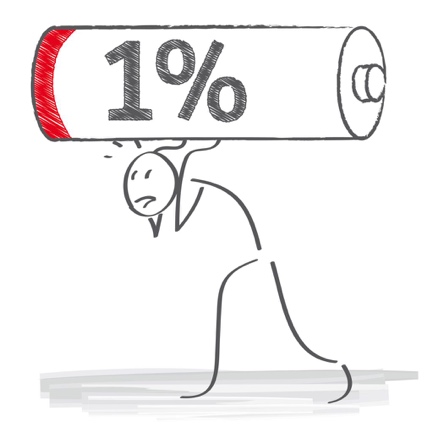
While living in a face paced society burn out is typically inevitable. Maybe you have a stressful job, heavy course load at school or personal/family issues going on. These problems you may face in your lifetime could bring excessive stress and lead to burn out.

Signs of Burn Out:

  • Excessive or too little sleep
  • Not making time for your hobbies
  • Dreading the next day/negative thoughts
  • Overworking

After burn out occurs many people find themselves stuck at a standstill. They are not able to move forward in their work or complete simple daily tasks. Once you notice the signs above, take action immediately to help yourself.

Effects:

  • Lowered Self Esteem
  • Less productivity
  • Feelings of not being enough
  • Lack of happiness

If you or someone you know is suffering from burn out speak with one of our licensed professional psychologists, psychiatrists, psychiatric nurse practitioners, and psychotherapists. Contact us at our Paramus, NJ or Manhattan, NY offices at (201) 368-3700 or (212) 722-1920 respectively to set up an appointment. For more information, visit http://www.counselingpsychotherapynjny.com/.

Image:

http://www.gotoppm.com/stress-burnout-and-saying-no/