Generalized Anxiety Disorder: Anxiety

Generalized Anxiety Disorder: Anxiety

By: Isabella Favuzza

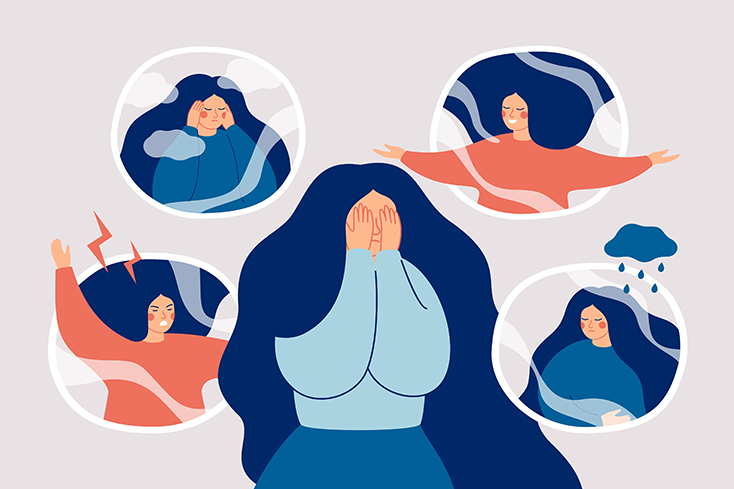
It’s common to feel nervous or stressed regarding specific events like gaining or losing weight, presenting for an audience, meeting new individuals, etc. These skittish or tense emotions are known as anxiety and frequently arise during these situations. However, some may feel anxious regardless of the event. Those diagnosed with generalized anxiety disorder struggle to control their anxiety, and these emotions interfere with daily tasks. Generalized anxiety disorder can lead to behavioral symptoms like persistent worrying, overthinking, indecisiveness, difficulty concentrating, etc. Those with an anxiety disorder may fall victim to severe psychical symptoms such as fatigue, muscle tension, nausea, and trembling. Both behavioral and psychical systems can impair one’s daily activities and significantly reduce their quality of life.

Generalized anxiety disorder may arise from various biological and environmental factors like genetics, personality, and diverse brain structures and/or chemistry. Anxiety disorders frequently have underlying genetic causes, as anxiety typically passes from parent to offspring. Also, those with timid or worrisome personalities may be prone to generalized anxiety disorder. Psychological and psychiatric treatment can significantly support those with generalized anxiety disorder. Psychologists can identify the roots of one’s anxiety and soothe the individual through hypnosis, talk therapy, etc. Also, psychiatrists can offer calming medication to reduce feelings of anxiety, fear, and worry. Ultimately, proper psychiatric intervention can significantly diminish anxiety through prescribed medications to improve their overall quality of life.

If you or someone you know is struggling with an generalized anxiety disorder, please contact our psychotherapy offices in New York or New Jersey to talk to one of our licensed professional psychologists, psychiatrists, psychiatric nurse practitioners, or psychotherapists at Arista Counseling & Psychotherapy. Contact our Paramus, NJ or Manhattan, NY offices respectively, at (201) 368-3700 or (212) 722-1920 to set up an appointment. For more information, please visit http://www.counselingpsychotherapynjny.com/

Source:

https://www.mayoclinic.org/diseases-conditions/generalized-anxiety-disorder/symptoms-causes/syc-20360803

Religious Trauma and Spiritual Abuse

Religious Trauma and Spiritual Abuse

Amelia Amen

Religious trauma and spiritual abuse can have a profound impact on a person’s well-being and sense of self. It occurs when religious beliefs, practices, or leaders are used in harmful ways, causing emotional, psychological, or even physical harm. This can include manipulation, exploitation, guilt, fear, or shame tactics, as well as the imposition of strict rules and expectations. Leaving an abusive religious environment can lead to feelings of disorientation and loss of self-identity in an individual, both can result in developing religious trauma.  It is important to acknowledge that not all dogmatic religious experiences are traumatic, but when it does happen, it can be deeply distressing.

               Enduring long-term spiritual abuse births religious trauma. The exertion of control and mistreatment from religious members over a person is one of the main reasons why spiritual abuse occurs. It can be difficult to see the signs of spiritual abuse when a community has been integrated in their faith over a long period of time. Spiritual abuse tactics include lack of freedom to make decisions, justify abuse by usage of religious beliefs or scriptures, coerced into having sexual relations with religious leader or community member, fear and isolation as weapons, humiliation, intimidation into conformity, and more. Experiencing abuse in a spiritual community can leave lasting scars on people and cause them to lose their faith as a whole. Mental health issues such as depression, isolation, sexual dysfunction, PTSD, and emotional dysregulation can all develop from religious trauma. Healing from religious trauma often involves seeking support, therapy, and finding a safe space to explore and redefine one’s spirituality on their terms. It is important to remind yourself that you deserve a journey of healing and growth that aligns with your own beliefs and values.

If you or someone you know is seeking therapy for religious trauma or general trauma, please contact our psychotherapy offices in New York or New Jersey to talk to one of our licensed professional psychologists, psychiatrists, psychiatric nurse practitioners, or psychotherapists at Arista Psychotherapy & Psychiatric Services. Contact our Manhattan, NY or Paramus, NJ offices respectively at (201) 368-3700 or (212) 722-1920 to set up an appointment. For more information, please visit https://www.counselingpsychotherapynjny.com

Sources: https://www.ncbi.nlm.nih.gov/pmc/articles/PMC3269830/

Avoidant/Restrictive Food Intake Disorder: Eating Disorders

Avoidant/Restrictive Food Intake Disorder: Eating Disorders

By: Isabella Favuzza

Many people are extremely critical of the person staring back at them in the mirror. We are our own toughest critics; however, harsh self-objectification may lead to a warped body image. Some may attempt to lose excess body fat or weight to adapt to a distorted self-image, but this obsession builds a negative relationship with food. Avoidant/restrictive food intake disorder (ARFID) causes one to limit their caloric intake and only consume a select few food groups. This disorder is associated with anxiety surrounding the consequences of eating, avoiding food with undesirable tastes, smells, or textures, and losing interest in eating. ARFID is a relatively newly labeled eating disorder, also known to many as selective eating disorder due to its symptoms. Those with ARFID choose a few foods they consider “fine” to consume and eat them sparingly.

Eating sparingly can cause physical symptoms such as constipation, abdominal pain, significant weight loss, and fatigue. ARFID can also lead to behavioral or mental issues like anxiety, depression, insomnia, etc. While the exact cause of this eating disorder is unknown, research suggests it may result from genetics, environmental influences (models or social media), and previous trauma. Psychological treatment can significantly support those with ARFID. Psychologists can identify trauma, anxiety, depression, etc. and help people cope with these grave issues. Psychologists can offer therapeutic techniques to eliminate one’s distorted body image and start the path to recovery. 

If you or someone you know is struggling with an eating disorder, please contact our psychotherapy offices in New York or New Jersey to talk to one of our licensed professional psychologists, psychiatrists, psychiatric nurse practitioners, or psychotherapists at Arista Counseling & Psychotherapy. Contact our Paramus, NJ or Manhattan, NY offices respectively, at (201) 368-3700 or (212) 722-1920 to set up an appointment. For more information, please visit http://www.counselingpsychotherapynjny.com/

Source:

https://my.clevelandclinic.org/health/diseases/24869-arfid-avoidant-restrictive-food-intake-disordern

Anorexia Nervosa: Eating Disorders

Anorexia Nervosa: Eating Disorders

By: Isabella Favuzza
People are typically their own worst critics when viewing their physical appearance. However, obsessive thoughts and actions regarding one’s appearance are mentally and physically harmful. Those with anorexia nervosa are hyper-focused on their “flaws” and live in a constant state of fear regarding weight gain. Anorexia nervosa is an eating disorder characterized by an intense fear of weight gain and extreme measures to rid the body of excess fat. To accomplish this weight loss goal, many restrict their caloric intake, exercise excessively, abuse laxatives or dieting aids, and induce vomiting. Those with anorexia live in fear and utilize these procedures, regardless of the amount of weight lost. Various factors induce anorexia. Western society idolizes thinness, especially within the young female demographic, while some associate self-worth with body weight.

Behavioral and mental symptoms include hunger denial, daily measurements, lying about the amount of food eaten, etc. While these symptoms harm the mind, anorexia also destroys the body due to low body weight, abnormal blood counts, fatigue, yellow skin, dehydration, etc. Anorexia is a detrimental disorder that can result in death due to organ failure and dehydration. Psychological therapy can be life-saving through negative thought reversal and promoting healthy eating patterns. Psychological intervention and cognitive-behavioral therapy support anorexics through mental health regulation and well-balanced nutrition training. Ultimately, proper intervention enables anorexics to regain control of their thoughts and prevent medical complications by maintaining a healthy weight.

If you or someone you know is struggling with an eating disorder, please contact our psychotherapy offices in New York or New Jersey to talk to one of our licensed professional psychologists, psychiatrists, psychiatric nurse practitioners, or psychotherapists at Arista Counseling & Psychotherapy. Contact our Paramus, NJ or Manhattan, NY offices respectively, at (201) 368-3700 or (212) 722-1920 to set up an appointment. For more information, please visit http://www.counselingpsychotherapynjny.com/

Source:

https://www.mayoclinic.org/diseases-conditions/anorexia-nervosa/symptoms-causes/syc-20353591

Body Dysmorphic Disorder

Body Dysmorphic Disorder

Amelia Amen

Body Dysmorphic Disorder (BDD) is a mental health condition characterized by preoccupied negative ideations of physical appearance. A person diagnosed with BDD tends to obsess over perceived “defects” in their body image, thus interfering with their daily functioning and heightening their stress levels. Areas of concern include skin, hair, body parts, facial features, wrinkles, teeth, etc. People may not notice the perceived physical flaws that an individual claims to be negative. The severity of the disorder differs from each individual and could produce other mental health concerns such as anxiety, depression, substance abuse, self-harm, and suicidal thoughts. BDD commonly develops during a boy and girl’s adolescence. The development of BDD can derive from various factors between genetics, environment, and trauma. It can stem from experiencing bullying and abuse, having a chemical imbalance in the brain, beauty standards on social media, and more. Repetitive and compulsive routines are carried out every day in order to cope with preoccupied thoughts. Common repetitive behaviors that are exhibited include:

  • Avoiding mirrors or constantly looking in the mirror
  • Skin picking, excessive grooming, and body checking
  • Over-Exercising and weighing yourself
  • Masking perceived flaws with heavy clothing and/or makeup
  • Seeking cosmetic surgery with little satisfaction
  • Comparing yourself to others

            Living with BDD can cause individuals to be reluctant to participating in social gatherings, work, school, and curricular activities. As a result, this can lead to self-isolation. One of the most effective sources of treatment for coping with BDD is Cognitive Behavioral Therapy (CBT). Attending therapy can help address concerns regarding the symptoms that come with BDD, process perceived negative thoughts, increase self-esteem and confidence, and encourage an individual to have a more positive outlook on their appearance. With proper treatment, BDD can become more manageable to live with.

If you or someone you know is seeking therapy for body dysmorphic disorder or other body-image struggles, please contact our psychotherapy offices in New York or New Jersey to talk to one of our licensed professional psychologists, psychiatrists, psychiatric nurse practitioners, or psychotherapists at Arista Psychotherapy & Psychiatric Services. Contact our Manhattan, NY or Paramus, NJ offices respectively at (201) 368-3700 or (212) 722-1920 to set up an appointment. For more information, please visit https://www.counselingpsychotherapynjny.com

Sources: https://www.mayoclinic.org/diseases-conditions/body-dysmorphic-disorder/symptoms-causes/syc-20353938

Bulimia Nervosa: Eating Disorders

Bulimia Nervosa: Eating Disorders

By: Isabella Favuzza

Many people have critiques when observing their appearance in the mirror. However, these critiques may transform into unhealthy and even life-threatening obsessions. Some may hyper-focus on their bodyweight and only see flaws looking back when staring into the mirror. These harsh judgments can lead to dieting, purging, and/or restriction. Bulimia nervosa involves binge eating and purging those unwanted calories. Binge eating is the overconsumption of food, even when one is uncomfortably full. Some feel the uncontrollable need to eat as a coping mechanism for life’s stressors, complex situations, etc. Those who binge-eat typically feel embarrassed or ashamed of their eating habits and attempt to reduce their caloric intake through unhealthy mechanisms. The purging state rids the body of overconsumption through voluntary vomiting, dieting pills, misusing laxatives, etc.

Bulimia nervosa is a complex mental illness that cannot be easily overcome. Those with bulimia nervosa live in fear of gaining weight, despite their involuntary cravings to eat. Purging through laxatives, dieting pills, and excessive vomiting can be potentially fatal. Psychological treatments can help reduce bulimic symptoms through cognitive-behavioral therapy. This form of therapy encourages healthy eating patterns and nutrition training to establish a well-balanced diet. Psychological intervention is designed to enable bulimics to regain control of their lives by managing cravings and stress, providing well-balanced nutrition, and instilling emotional stability.

If you or someone you know is struggling with an eating disorder, please contact our psychotherapy offices in New York or New Jersey to talk to one of our licensed professional psychologists, psychiatrists, psychiatric nurse practitioners, or psychotherapists at Arista Counseling & Psychotherapy. Contact our Paramus, NJ or Manhattan, NY offices respectively, at (201) 368-3700 or (212) 722-1920 to set up an appointment. For more information, please visit http://www.counselingpsychotherapynjny.com/

Source:

https://www.mayoclinic.org/diseases-conditions/bulimia/symptoms-causes/syc-20353615

Bipolar Disorder

Bipolar Disorder

By: Nicole Sanchez

Bipolar disorder is a serious mood disorder and mental health condition that causes unusual shifts in mood, energy levels, thinking and behavior. These shifts can last for hours, days, weeks or months and interfere with ability to carry out daily tasks. When one becomes depressed, they may go through feelings of sadness, hopelessness and or loss of interest in many activities. When one’s mood shifts to mania, one may feel euphoric, energized or irritable. These shifts in mood can impact a person’s sleep, activity or energy levels, behavior and their ability to think clearly. Each type of bipolar disorder includes periods between manic or depressive episodes when symptoms lessen, or people feel stable. The greatest difference between the types of disorder is how extreme the mood states are and their duration. Bipolar I Disorder includes having a history of at least one manic episode, but sometimes also having depressed or hypomanic episodes as well. Bipolar II Disorder includes mood states that vary from an even mood to high to low, although the highs are less extreme and are called hypomanic states.

Individuals with bipolar disorder can be treated with a combination of medication and therapy. Mood stabilizers, antipsychotics, and antidepressants can aid in managing mood swings and other symptoms. Some people may need to try different medications before determining which medication works best for them. Therapy aids individuals in accepting their disorder, being familiar with the warning signs of a manic or depressive episode, developing coping strategies, and sticking with a medication schedule. While people may sometimes experience some stability in their mood between episodes, a long-term, continuous treatment plan is suggested as it can reduce the severity and frequency of mood swings.

If you or someone you know is having mental health difficulties and/ or experiencing symptoms of Bipolar Disorder, please contact our psychotherapy offices in New Jersey to talk to one of our licensed professional psychologists, psychiatrists, psychiatric nurse practitioners, or psychotherapists at Arista Counseling & Psychotherapy. Contact our offices at (201) 368-3700 or (212) 722-1920 to set up an appointment. For more information, please visit http://www.counselingpsychotherapynjny.com/

https://www.samhsa.gov/mental-health/bipolar

Binge Eating Disorder: Eating Disorders

Binge Eating Disorder: Eating Disorders

By: Isabella Favuzza

Overeating is a common occurrence, as most individuals have taken an extra serving or two of a delicious meal or consumed an abundance of sweet treats during the holiday season. However, frequent and uncontrollable overeating may lead to medical and mental health issues. Binge eating disorder involves regular consumption of large amounts of food exceeding the average calorie limit. This amount is far more than the majority consume within a day. Those with a binge eating disorder typically eat quickly and cannot stop eating even when uncomfortably full. These individuals binge at least once a week for several months. Binge eating disorder may be caused by various factors, such as genetics or stress from life’s obstacles. Sometimes people eat to cope or when feeling stressed, and the desire morphs into an involuntary need.

Those with a binge eating disorder often feel embarrassed or ashamed about the amount of food consumed during the binge period. Many attempt to restrict themselves calorically to lose excess weight and reduce binging. However, rapid restriction may increase urges, creating a loop of restrictive binge eating. Binge eating disorder is commonly associated with mental health issues like depression, anxiety, substance use disorders, and suicidal thoughts and/or behaviors. Psychological treatment can provide mental support and guidance through this challenging time. Proper treatment enables an individual to take control of the disorder and maintain a well-balanced diet through therapeutic techniques. A psychologist can reduce and eliminate binge periods, allowing healthy weight loss and mental stability. Psychological treatment breaks through guilt and shame to aid struggling binge eating and have a better quality of life.

If you or someone you know is struggling with an eating disorder, please contact our psychotherapy offices in New York or New Jersey to talk to one of our licensed professional psychologists, psychiatrists, psychiatric nurse practitioners, or psychotherapists at Arista Counseling & Psychotherapy. Contact our Paramus, NJ or Manhattan, NY offices respectively, at (201) 368-3700 or (212) 722-1920 to set up an appointment. For more information, please visit http://www.counselingpsychotherapynjny.com/

Source:
https://www.mayoclinic.org/diseases-conditions/binge-eating-disorder/symptoms-causes/syc-20353627

Understanding the Consequences of Stigma in Mental Illness

            Stereotypes and discrimination against people with mental illnesses arise from false beliefs. Understanding the consequences of the stigma in mental illness is important because fear leads to avoidance and people who have mental illness may find it difficult to feel belong in the society. Many studies show that majority of European nations and the United States have been stigmatizing mental illness and in some cases this may even lead to unemployment. Islamic and Asian cultures were found to have the least stigmatizing and negative views on mental illness, however this might be simply a result of lack of research in these cultures. Lack of understanding from the family is also a contributing factor when it comes to consequences of stigma in mental illness. Reminding the person that the help is available and the family members will be there to listen can make the difference in someone’s mental health.

If you or someone you know is having mental health difficulties please contact our psychotherapy offices in New Jersey to talk to one of our licensed professional psychologists, psychiatrists, psychiatric nurse practitioners, or psychotherapists at Arista Counseling & Psychotherapy. Contact our offices at (201) 368-3700 or (212) 722-1920 to set up an appointment. For more information, please visit http://www.counselingpsychotherapynjny.com/

Ipek Yurttutan

Insomnia: Stress, Anger, and Anxiety

Insomnia: Stress, Anger, and Anxiety

By: Isabella Favuzza

Numerous individuals lay in bed each night, staring at the ceiling, consumed with thoughts of the past, present, or future. These anxious thoughts may concern life’s stresses and prevent good-quality sleep. The human body requires 7-9 hours of quality rest to function properly and perform daily tasks. A lack of rest negatively affects one’s quality of life due to moodiness, delayed responses, drowsiness, impaired memory, etc. Insomnia is a common sleep disorder that affects 10% of the population, ranging from children to adults. Those suffering from insomnia frequently have difficulty falling asleep, remaining asleep, or receiving good-quality sleep. Insomnia can affect those enduring challenging situations like mental health conditions, life transitions or circumstances, medical conditions, etc. Although insomnia typically isn’t dangerous, it can lead to additional stress, irritability, and anxiety.

For some, insomnia is a minor inconvenience; however, others find it detrimental due to its excruciating symptoms. Psychologists and psychiatrists can offer life-altering support to reduce and even eliminate these chronic symptoms. Psychologists perform hypnosis, which provides deep relaxation by placing one in a trance-like state to clear the mind of anxiety and stress and induce sleep. Individuals can learn these techniques to perform self-hypnosis in the comfort of their own homes. Psychiatrists prescribe hypnotic and sedative medications to psychically rid the mind of undesirable thoughts. Ultimately, the support of psychologists and psychiatrists can reduce insomnia and drastically improve one’s quality of life.

If you or someone you know is struggling with insomnia please contact our psychotherapy offices in New York or New Jersey to talk to one of our licensed professional psychologists, psychiatrists, psychiatric nurse practitioners, or psychotherapists at Arista Counseling & Psychotherapy. Contact our Paramus, NJ or Manhattan, NY offices respectively, at (201) 368-3700 or (212) 722-1920 to set up an appointment. For more information, please visit http://www.counselingpsychotherapynjny.com/

Source:

https://my.clevelandclinic.org/health/diseases/12119-insomnia