Phobias

By: Estephani Diaz

The average person has at least two or more fears that they wish to never encounter. Some are afraid of heights, while others are terrified of flying. Others scream at the sight of a spider on the wall and others fear being lost in a large crowd of people. Now, phobias are more intense than you average fear. Phobias are defined as a persistent fear of a situation, activity, or thing causing one to want to avoid it.

Phobias are categorized into three separate types: social, agoraphobia and specific phobias. Social phobias would include the fears of public speaking, crowds, meeting new people, etc. Agoraphobia is the fear of being outside. For example, those with agoraphobia are afraid of shopping centers or public transportation due to the belief that it is unsafe. Lastly, specific phobias are directed to exact things and/or situations. This would include: aichmophobia (fear of sharp objects), coulrophobia (fear of clowns), nomophobia (fear of being without a cellphone), and many more.

Common responses to coming in contact with your phobia/s are:

  • Rapid heartbeats
  • Sweating
  • Panic attacks
  • Strong desire to get away
  • Shortness of breathe
  • Stress
  • Nausea

According to research, phobias can be developed after experiencing a traumatic event and/or influenced by one’s upbringing, culture or lifestyle. For example, if an individual is a victim of a car accident, it is possible for them to develop a fear of driving, known as Vehophobia.

Recommended treatment for those with phobias is to seek psychotherapy and if needed, medication. It is also suggested to expose oneself to their fear/s or similar situations to slowly overcome them.

If you or someone you know is struggling with a phobia/s, please contact our psychotherapy offices in New York or New Jersey to talk to one of our licensed professional psychologists, psychiatrists, psychiatric nurse practitioners, or psychotherapists at Arista Counseling & Psychotherapy. Contact our Paramus, NJ or Manhattan, NY offices respectively, at (201) 368-3700 or (212) 722-1920 to set up an appointment. For more information, please visit http://www.counselingpsychotherapynjny.com/.

Borderline Personality Disorder (BPD)

By: Estephani Diaz

Borderline Personality Disorder is a complex disorder with no certain explanation as to what causes it. This disorder is so uncommon, that it only affects about 5% of our population. It is considered to be a combination of schizophrenia, anxiety, impulsiveness, severe mood swings, etc. In order to be diagnosed with Borderline Personality Disorder, also known as BPD, you must have at least five out of the nine symptoms listed below:

  1. Perceived or real fears of abandonment
  2. Intense mood swings, severe depression or anxiety
  3. Impulsiveness
  4. Unstable intense relationships
  5. Self-injurious and suicidal behaviors
  6. Chronic feelings of emptiness
  7. Inappropriate, intense anger and rage
  8. Unstable sense of self
  9. Dissociation and feelings of detachment

Any combination of the symptoms above, can lead to family problems, ruin relationships, and cause anxiety, depression, and/or anger. BPD can last from a year to a lifetime. Those with BPD are recommended to seek talk therapy or group therapy. Medications can also be used, however, they would only be needed if one has a severe case of depression and/or mood swings. If help is not found, people with BPD have a high chance of abusing drugs, committing suicide, or worsening relationships with loved ones.

If you or someone you know is suffering from Borderline Personality Disorder, please contact our psychotherapy offices in New York or New Jersey to talk to one of our licensed professional psychologists, psychiatrists, psychiatric nurse practitioners, or psychotherapists at Arista Counseling & Psychotherapy. Contact our Paramus, NJ or Manhattan, NY offices respectively, at (201) 368-3700 or (212) 722-1920 to set up an appointment. For more information, please visit http://www.counselingpsychotherapynjny.com/.

Seasonal Affective Disorder (SAD)

By: Estephani Diaz

Summer is officially over, which means kids are back in school and sweater weather is around the corner. Pumpkin spice is back on the menu at coffee shops, and no more unbearable 90 degree weather. For some, the fall season is the best time of the year, but for others, the change of season can be a complete mood change.

About three million will be faced with Seasonal Affective Disorder, known as SAD, this year in the U.S. alone. It is a type of depression that comes from the change in weather at the end of the year. When the days become shorter, many become depressed, lose interest in activities, over sleep, have thoughts of suicide, etc. Others will gain weight, have low energy, and even turn into “hibernation mood.”

SAD is treatable with therapy, psychotherapy, and medication, if needed. There are also things you can do at home to brighten up your day: open your window blinds to let sunlight in, socialize with friends, go out to eat, exercise daily, get enough sleep, fragrance diffuser, etc. In addition, one could look forward to the holidays to get their minds off the cold weather.

If you or someone you know is suffering from Seasonal Affective Disorder, please contact our psychotherapy offices in New York or New Jersey to talk to one of our licensed professional psychologists, psychiatrists, psychiatric nurse practitioners, or psychotherapists at Arista Counseling & Psychotherapy. Contact our Paramus, NJ or Manhattan, NY offices respectively, at (201) 368-3700 or (212) 722-1920 to set up an appointment. For more information, please visit http://www.counselingpsychotherapynjny.com/.


What it Means to be on the Spectrum

By: Estephani Diaz

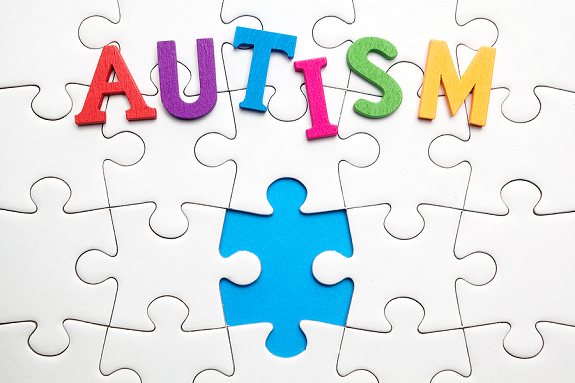
Did you know that about one out of sixty eight children are considered to be on the spectrum? Being on the spectrum indicates a person has a set of behavioral and developmental challenges related to autism. Some of the challenges they may face are: difficulties with social interactions, poor motor coordination, repetitive behaviors, and many more. They may also have a hard time in school when it comes to playing with other kids or simply trying to learn in class.

Autism, also known as Autism Spectrum Disorder (ASD), is a developmental disorder affecting communication and social skills in more than 100,000 children across the U.S. It is a brain developmental disorder seen in early childhood and carried out through adulthood. Every child diagnosed with autism has completely different symptoms than another child with the same diagnoses. Some symptoms may be severe, while others are mild. Some signs that might indicate a child suffers from autism are:

  • Delayed speech
  • Repetitive behaviors
  • Little to no eye contact
  • Not responsive to their name
  • Obsessive interests

If you believe your child might have ASD, visit your doctor for a developmental screening and comprehensive diagnostic evaluation. Since ASD cannot be predicted by genes or blood tests, a doctor needs to observe the behaviors of the child to properly make a diagnoses.

If you or someone you know is suffering from Autism Spectrum Disorder, please contact our psychotherapy offices in New York or New Jersey to talk to one of our licensed professional psychologists, psychiatrists, psychiatric nurse practitioners, or psychotherapists at Arista Counseling & Psychotherapy. Contact our Paramus, NJ or Manhattan, NY offices respectively, at (201) 368-3700 or (212) 722-1920 to set up an appointment. For more information, please visit  http://www.counselingpsychotherapynjny.com/.


Psychiatric Medication: The Stigma of Mental Health Medication

By: Sanjita Ekhelikar

When someone gets a fever, a bacterial infection, or any other physical illness, what do we tell them? “Rest, go to the doctor, and take some medicine.” We strongly encourage them to receive a prescription for and to take medication for their illness. If a sick individual were to not take their medication, we would tell them that they are being irresponsible, and that they are not taking care of themselves. Why do we not say the same when it comes to medication for people struggling with mental illness?

In a time when mental health is becoming increasingly important, society still has a stigma around this, primarily regarding prescription psychiatric medications for it. There is still a lack of understanding about what mental health is and how it impacts people. Some view those with these difficulties as “crazy” and “unstable.” Medications for such conditions are seen in a negative light, and are seen to be only for people who are labelled “crazy” or “unstable.” Since mental illnesses are related to the mind and are invisible to the eye, many in our society cannot believe that these illnesses are serious, and thus consider taking medication for them to be shameful and unnecessary. As a result, thousands of individuals feel ashamed to get the proper help and take medications. They thus must struggle and suffer silently.

In reality, mental health medications can be extremely beneficial, and can change the lives of those who take them. Mental illness can be grueling to live with and can compromise one’s life and wellbeing. Medication helps these individuals to overcome their condition and lead a better life, especially paired with psychotherapy. Antipsychotic and antidepressant drugs have been developed to help these people in need, and we should be encouraging people to take them and take the necessary steps in getting better instead of shaming them.

While we have no problem encouraging our loved ones to take Tylenol, Advil, Cough syrup, and many other medications for their physical ailments, we should be just as promoting of them taking Lexapro, Zoloft, Prozac, and other psychological medications. It is time to eliminate stigmas around taking care of our mental health, and encourage and applaud those who have taken the steps towards a better life through using mental health medications.

If you or someone you know is suffering mental illness and would like to consider medication, please contact our psychotherapy offices in New York or New Jersey to talk to one of our licensed professional psychologists, psychiatrists, psychiatric nurse practitioners, or psychotherapists at Arista Counseling & Psychotherapy. Contact our Paramus, NJ or Manhattan, NY offices respectively, at (201) 368-3700 or (212) 722-1920 to set up an appointment. For more information, please visit http://www.counselingpsychotherapynjny.com/.

Restrictive Eating Disorder: Orthorexia

By: Sanjita Ekhelikar

“Sugar-free,” “low-calorie,” “antioxidant-rich,” “organic.” These are all words we are surrounded by in a world where healthy eating is so greatly stressed and strived for. We are educated from an early age about how it is important to choose healthier options in order to maintain our wellbeing and avoid illnesses. Healthy eating seems to be failproof – nothing could possibly go wrong with wanting to make healthy food choices, right?

Wrong. While healthy eating is extremely beneficial in reasonable amounts, it can take an unhealthy turn when the desire to eat clean becomes obsessive. This condition is defined as orthorexia, an obsession with eating healthy foods and eliminating those which do not fall under this category. Although not formally diagnosed, this illness can truly affect one’s wellbeing. People with orthorexia completely ban foods that they do not think are healthy, and often restrict calories as well, thus destroying their relationships with food.

There are many symptoms of orthorexia to note. Individuals with this disorder excessively look at nutritional facts and caloric information. They are continually concerned about health information and ingredients, and cut out foods that do not qualify as healthy (such as sugars, carbs, and fats). Orthorexia can cause individuals to spend lots of time thinking about the foods they need to consume, and makes them uncomfortable if they are only surrounded by “unhealthy” food choices. Orthorexia is often comorbid with obsessive compulsive disorder. As a result of orthorexia, individuals deprive themselves of key nutrients and essential calories for proper functioning. They and can develop issues such as decreased blood pressure, blood sugar fluctuations, digestive issues, impaired brain functioning and concentration, sleeping difficulties, hair loss, loss of menstrual cycle, and muscle cramping.

Although healthy eating can be advantageous, it must be encouraged in a realistic and reasonable way. People should be informed that having a well-balanced diet is important, and involves eating foods such as carbs, sugars, and fats which may be believed to be “unhealthy”. Overall physical health can be maintained even if eating those “junky” meals every now and then and not obsessively restricting one’s diets. By promoting this, we can also certify that we encourage both good physical AND mental health.

If you or someone you know is suffering from orthorexia and/or other eating issues, please contact our psychotherapy offices in New York or New Jersey to talk to one of our licensed professional psychologists, psychiatrists, psychiatric nurse practitioners, or psychotherapists at Arista Counseling & Psychotherapy. Contact our Paramus, NJ or Manhattan, NY offices respectively, at (201) 368-3700 or (212) 722-1920 to set up an appointment. For more information, please visit http://www.counselingpsychotherapynjny.com/.

Perfectionism: How Striving to be the Best can Leave us at our Worst

By: Sanjita Ekhelikar

We are commonly told that no one in the world is “perfect”, and that there is no such thing as “perfection”. Or so they say. Then why do so many people around the world still try to aim for this standard of “perfect” in what they do in life?

Perfectionists are individuals who strive for flawlessness. They set very high standards and expectations for themselves, have a set way of wanting to do things, and take time to be truly satisfied with their work. Aiming for perfectionism definitely has benefits. We all know that one person from school or work who would be the “perfectionist”: they would be the most successful, put out high quality work, and constantly keep pushing boundaries so that their final products are amazing.

However, being a perfectionist has its disadvantages and dangers. Individuals who seek to be “perfect” set extremely high standards for themselves, which results in their being very critical of themselves. Perfectionists tend to notice and fixate on all of their flaws, as they wish to not only produce “perfect” work but also to be “perfect” people. Whenever a perfectionist make mistakes, as does everyone in the world, he or she is unable to look past the “failure” and thus feel extreme guilt, shame, and sadness.

Perfectionistic thinking underlies several mental illnesses, such as depression, anxiety, OCD, and eating disorders. It can even lead to suicidal thoughts. Perfectionists’ inability to accept failure, constant self-criticism, and desire to act, be, and look perfect, drives them towards unhealthy behaviors and thinking. They are constantly hard on themselves for not achieving “perfect,” which is inevitable because there is no such thing as perfect! These patterns of thinking and negative behaviors need to be monitored for the risks they present in causing mental illness.

Instead of striving for “perfection,” we should be encouraging others and ourselves to be the best versions of who we are. Remind people that there is in fact a beauty in accepting yourself and your positive attributes, and in being kind to yourself. Encourage people to accept themselves, make mistakes, and to strive to not look perfect. We should truly appreciate ourselves and accept BOTH the good and the imperfect. By addressing and changing the perfectionist way of thinking, we can better prevent, understand, and heal many mental illnesses.

If you or someone you know is suffering from any of the aforementioned symptoms, please contact our psychotherapy offices in New York or New Jersey to talk to one of our licensed professional psychologists, psychiatrists, psychiatric nurse practitioners, or psychotherapists at Arista Counseling & Psychotherapy. Contact our Paramus, NJ or Manhattan, NY offices respectively, at (201) 368-3700 or (212) 722-1920 to set up an appointment. For more information, please visit http://www.counselingpsychotherapynjny.com/.

Communication Differences Between Genders


By: Dianna Gomez

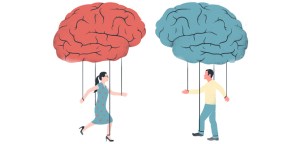
Where would the world be without communication? Whether it be conscious or unconscious, we communicate in one way or another with those around us every minute of every day. We communicate in the work place, in relationships, with our friends and family – sometimes even when passing by strangers walking down the street. You would think that with the amount of communicating we do as a human species on a daily basis, we would have it all down to a “ T ” by now but that is far from the truth. Every once in a while we experience miscommunication and other frustrations related to interacting with the people around us. In order to improve the quality of communication in one’s own life, it is important to begin by understanding the different methods of communication between each gender. There are so many fundamental differences regarding the way in which men and women behave and think when it comes to communication. On average, women tend to speak more than men and when each gender is communicating, they do so for different reasons and from different perspectives.

Here is a list of these differences:

  1. Reasons For Talking
  • Men believe that communication should always have a clear purpose. Whether there is a problem in need of a solution or a specific question needing an answer, men use communication to get to the bottom of any topic of conversation in the most efficient way possible. On the other hand, a woman views communication as a way to discover how she may feel about something. Women like to lay all the potential pros and cons out on the table and discuss each more thoroughly. When it comes to relationships, communication is a way in which women increase intimacy with their significant others. They share their thoughts to rid themselves of any negative feelings they may be having.

2. How Much Should Be Said

  • Similarly to the first point, men always put productivity and efficiency at the very top of their lists. When telling a story, men only share the details that are absolutely necessary to get to the point. Women tend to share as much detail as possible, even if it isn’t necessarily needed. This is often times why men may interrupt women half way through an explanation when they have already received the point that is ultimately trying to be made.

3. What Does It Mean To “Listen?

  • When a woman first initiates a conversation with a man, she assumes they are doing so to obtain some type of advice or assistance. They automatically think to themselves “what can we actually do about this?” From the woman’s perspective, having the conversation all on it’s own is a way of finding a solution to any problem. Women just want to feel like they are being heard and understood, and if they feel this is happening any problem will already feel partially solved.

Communication is so important in every aspect of our lives. Especially when it comes to having relationships with significant others, if these fundamental differences aren’t already understood, there will be many disagreements and arguments about things that there wouldn’t be otherwise. Regardless of what gender you are, the next time you find yourself feeling frustrated when communicating with the opposite sex, take a step back and try to see the situation from their point of view. If this is done over a long enough period of time, you will find that life will soon go a lot smoother in all areas of your life.


If you or anybody you know may be having trouble with communication or may be having relationship problems they can’t seem to resolve, the licensed psychologists, psychiatrists, psychiatric nurse practitioners, and psychotherapists at Arista Counseling & Psychotherapy can assist you. Contact our Paramus, NJ or Manhattan, NY offices respectively, at (201) 368-3700 or (212) 722-1920 to set up an appointment. For more information, visit us at http://www.counselingpsychotherapynjny.com/.

Suicide and Mental Health Issues in College Students

By Samantha Glosser

Many students expect their college years to be the best years of their lives. They will achieve great academic successes, make life-long friends, go to the best parties, and enjoy living away from their parents. This idea is emphasized all around us in movies, TV shows, and social media posts. However, this is a glorified image of college that may not be the case for all students. In fact, according to a recent study by the American College Health Association, about 1 in every 11 college students have attempted suicide; 1 in 5 students has considered suicide and 1 in 5 students engage in self-harm.

How could these statistics be true when students are told that they are living in the best years of their lives? As it turns out, the college years are filled with numerous different stressors. These stressors include academic and career difficulties, intimate relationships, finances, personal and family health problems, issues with personal appearance, and death of family members and friends, just to name a few. 3 out of every 4 college students have experienced at least one of these stressors within the last year. These stressors are highly associated with mental health diagnoses, self-harm, and suicidality. The societal pressure that college should be the best years of your life can also be contributing to these statistics. If a student feels alone or thinks that no one else is experiencing similar feelings, it can push them closer towards self-harm and suicide.

If you or someone you know appears to be at immediate risk of suicide, please call the National Suicide Prevention Hotline at 1-800-273-8255. If you are not at immediate risk, but appear to be suffering from suicidal thoughts or other mental health issues, the licensed psychologists, psychiatrists, psychiatric nurse practitioners, and psychotherapists at Arista Counseling & Psychotherapy can assist you. Contact our Paramus, NJ or Manhattan, NY offices respectively, at (201) 368-3700 or (212) 722-1920 to set up an appointment. For more information, visit http://www.counselingpsychotherapynjny.com/

Source: https://psychcentral.com/news/2018/09/11/survey-1-in-5-college-students-stressed-considers-suicide/138516.html

Group Therapy

Alice Cordero

According to psychcentral.com, Group therapy is a form of psychotherapy treatment where several people meet together under the supervision of a therapist in a particular setting. Group therapy is a form of therapy that can be used in conjunction with individual therapy and medication.  The benefits of group therapy include:

  • Modeling
    • Patients are able to witness how others in the group cope with their problems in positive ways and apply it to their lives.
    • Patients learn from other group member’s mistakes.
  • Helps improve social skills
    • In group therapy, most of the time each individual has to share something about themselves and how they are doing; this helps improve the patient’s interpersonal relationships and understand that they are not alone in this particular process.
  • Increased feedback
    • Provides patients with different perspectives/ coping methods
    • Gives patients a view of how others handle their particular situation
    • Provides individuals with personal feedback through other patients perceptions of themselves
  • Support Network
    • Having multiple individuals who are going through the same gives each patients the opportunity to build a support system that they can use


Group therapy involves members expressing their feelings, problems, ideas, and reactions towards other members. Studies have shown that group therapy has been effective in addressing countless problems, including: anxiety, depression, addictive disorders, substance abuse, death, lifestyle issues, and relationship issues.

If you or someone you know is suffering from any of the conditions listed above or think you/ they could benefit from group therapy, please contact our psychotherapy offices in New York or New Jersey to talk to one of our licensed professional psychologists, psychiatrists, psychiatric nurse practitioners, or psychotherapists at Arista Counseling & Psychotherapy. Contact our Paramus, NJ or Manhattan, NY offices respectively, at (201) 368-3700 or (212) 722-1920 to set up an appointment. For more information, please visit http://www.counselingpsychotherapynjny.com/.