Zoom Fatigue

By Veronica Oquendo

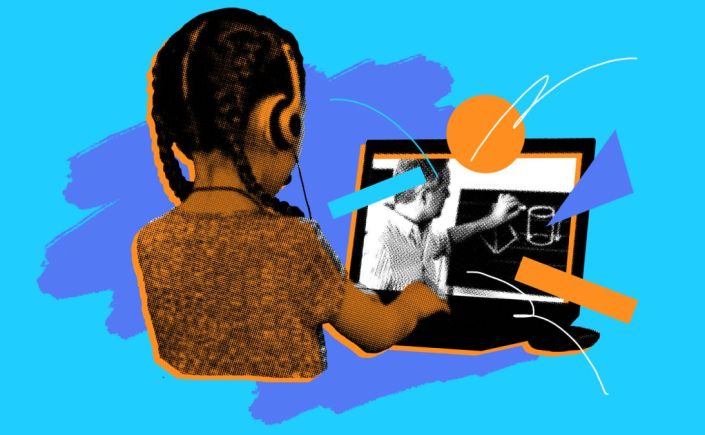
Covid-19 has made it risky to meet in-person for education, for fear of spread of the infection. Thankfully, there was a solution to this, the virtual classroom. Educators have been using different virtual platforms (Google meets, Blue Jeans, Skype) to meet with students, but none as popular as Zoom. Unfortunately, along with the virtual classroom come its negative consequences. Zoom fatigue is a new psychological phenomenon that is the tiredness, burnout, and worry from too much time on virtual platforms. This defined the exhaustion millions of students have been experiencing spending many hours a day sitting behind a screen, in front of a camera, attempting to learn. This leaves many wondering, how can this be? There are many reasons causing zoom fatigue including:

Audio Delays

The audio delays that come from the internet connection are interpreted as a negative reaction, therefore causing distrust between the individuals in the zoom conference. 

Deviation of Social Norms 

Virtual meetings have made abiding by our social norms difficult, and many times we send negative messages to each other, which in turn deplete our cognitive energy. Two examples are interruption and lack of privacy of personal space. Interruption is when one person speaks when another person is not done speaking, thereby stopping the other person from finishing their complete thought. The lack of privacy of personal space is from having a streamed video of someone’s personal space, which includes seeing their private home and sometimes seeing and hearing the other people they live with.

Lack of Direct Eye Contact

There is much evidence saying that a mutual connection with others is helped by direct eye contact. This is also another example of deviation from a social norm, which stated previously depletes cognitive energy. Lastly, there is a cost-reward system in the brain that is engaged when there is eye contact. 

Inactivity 

Zoom requires you to sit for long extended periods of time. Physical activity is linked to less fatigue. 

If you or someone you know is struggling with zoom fatigue, please contact our psychotherapy offices in New York or New Jersey to talk to one of our licensed professional psychologists, psychiatrists, psychiatric nurse practitioners, or psychotherapists at Arista Counseling & Psychotherapy. Contact our Paramus, NJ or Manhattan, NY offices respectively, at (201) 368-3700 or (212) 722-1920 to set up an appointment. For more information, please visit http://www.counselingpsychotherapynjny.com/.

Sources: 

https://www.psychologytoday.com/us/blog/positively-media/202011/suffering-zoom-fatigue-here-s-why-0

https://www.psychiatrictimes.com/view/psychological-exploration-zoom-fatigue

Phobias

By Veronica Oquendo

Phobias are defined in psychology as an intense and irrational fear of a specific object or situation. Currently, 9.1% of U.S. adults suffer from a specific phobia. Some of the most common phobias include: Acrophobia (heights), ophidiophobia (snakes), and Mysophobia (germs and dirt. The DSM-5 divides the phobias into 5 categories:

Natural/Environment Type: Thunder and lighting (astraphobia), Water (aquaphobia)

Injury Type: Injections (tryanophobia), Accidents (Dystychiphobia)

Animals or Insects: Spiders (arachnophobia), Dogs (cynophobia)

Situational: Enclosed Spaces (claustrophobia), Flying (aviophobia)

Other: Vomiting (emetophobia), Choking (Pseudodysphagia) 

Although, not all fears are considered phobias, it would need to fit the criteria of being: unreasonable and excessive, have an immediate anxiety response, have recognition that the fear is irrational and not required, avoidance or extreme distress, and be life limiting, have at least a six month duration, and not be caused be another disorder. Exposure to the phobia has been known to cause severe panic attacks. Treatment for phobias include: psychotherapy, cognitive behavioral therapy (CBT), medication management, exposure therapy, stress management techniques, and support groups.

If you or someone you know is struggling with a specific phobia, please contact our psychotherapy offices in New York or New Jersey to talk to one of our licensed professional psychologists, psychiatrists, psychiatric nurse practitioners, or psychotherapists at Arista Counseling & Psychotherapy. Contact our Paramus, NJ or Manhattan, NY offices respectively, at (201) 368-3700 or (212) 722-1920 to set up an appointment. For more information, please visit http://www.counselingpsychotherapynjny.com/.

Sources: 

https://www.nimh.nih.gov/health/topics/anxiety-disorders/index.shtml

https://www.psychologytoday.com/us/conditions/specific-phobia

Mental Health Consequences During Covid

By Veronica Oquendo

COVID- 19 has shown to have devastating medical health consequences with the recent death toll at 425 thousand and rising. However, the mental health consequences may be overlooked, even though they are condemning, and can also lead to death from suicide. The Center for Disease Control and Prevention’s Morbidity and Weekly Report surveyed and found that 40.9% of those reporting had at least one adverse mental health condition, an uptick from last year. The most vulnerable of the population affected were among age group 18-24 years old, minority racial and ethnic groups essential workers, unpaid caregivers for adults, and those already receiving treatment for psychiatric conditions. The highest increase in symptoms being from anxiety and depressive disorders (30.9%). Anxiety disorder was three times more likely to be prevalent this year than in 2019. Due to the overwhelming stress and worry caused by the pandemic, alcohol and drugs are used to cope in unhealthy proportions. Furthermore, past studies have shown links between social isolation and suicide. Due to the safety regulations of social distancing and quarantine for COVID-19, more people have been feeling lonely, frustrated, and bored causing a rise of suicidal ideation. 

If you or someone you know is struggling with the mental health consequences of COVID-19, please contact our psychotherapy offices in New York or New Jersey to talk to one of our licensed professional psychologists, psychiatrists, psychiatric nurse practitioners, or psychotherapists at Arista Counseling & Psychotherapy. Contact our Paramus, NJ or Manhattan, NY offices respectively, at (201) 368-3700 or (212) 722-1920 to set up an appointment. For more information, please visit http://www.counselingpsychotherapynjny.com/.

Sources:

https://www.cdc.gov/mmwr/volumes/69/wr/pdfs/mm6932a1-H.pdf

https://www.psychologytoday.com/us/blog/lifting-the-veil-trauma/202009/the-psychological-impact-covid-19

What Parents Can Do to Help Their Special Needs Children during Virtual Learning

By Eleanor Kim

With the abrupt transition to online learning last March, teachers, students, and parents alike were left to quickly adjust and find new ways of making virtual learning feel “normal”. While this transition may have come more naturally to some, there are still many families who are struggling to ensure that their children are getting a quality education in their homes. One demographic of online learners who are finding it exceptionally difficult are those who have special needs and learning disabilities. It is hard to spend hours focusing on a Zoom session, especially when special needs learners no longer have direct access to the specialized teachers and aids that help them learn in a normal school setting. Unfortunately, this additional stress during an already unprecedented time has taken a toll on special needs parents and it is important that parents are self-compassionate to themselves as they journey through this uncharted online learning experience. That being said, there are still many new strategies that parents can try to implement to assist their child’s distanced learning.

  • Ask teachers to offer “asynchronous” work in conjunction with any Zoom activities to allow your child more hands-on learning opportunities or request more one-on-one learning through break out rooms or personal Zoom meetings
  • If you are unable to remain with your child during their school hours, reach out to your child’s teachers and aids for an update on how they are doing and how you can help after school hours
  • Offer your child “fidget toys” during Zoom calls to help them remain focused on class material
  • If your child has a hard time staying seated during Zoom meetings, offer Bluetooth earbuds or headphones to allow your child the ability to move around while still remaining attentive and participatory during class
  • Incorporate time within your child’s schedule to stretch and relieve any additional stress or energy by going outside or having a dance break!
  • Make sure to schedule check-in meetings with your child’s school team (teachers, aids, counselor, etc.) to help your child express any frustrations or emotions they are experiencing during this difficult time.

Let your child know that it is okay to be having a hard time right now and that you are there to help them through it. Also make sure that you, the parent, are receiving the support you need while helping your special needs child with online learning in addition to any other struggles you may be facing during these unusual and overwhelming times. We here at Arista Counseling have many therapists and support options available for you.

If you or someone you know is looking for support, please contact our psychotherapy offices in New York or New Jersey to talk to one of our licensed professional psychologists, psychiatrists, psychiatric nurse practitioners, or psychotherapists at Arista Counseling & Psychotherapy. Contact our Paramus, NJ or Manhattan, NY offices respectively, at (201) 368-3700 or (212) 722-1920 to set up an appointment. For more information, please visit http://www.counselingpsychotherapynjny.com/ .

Sources:

https://greatergood.berkeley.edu/article/item/how_parents_can_support_children_with_special_needs_during_distance_learning

Image Source:

https://dynaimage.cdn.cnn.com/cnn/c_fill,g_auto,w_1200,h_675,ar_16:9/https%3A%2F%2Fcdn.cnn.com%2Fcnnnext%2Fdam%2Fassets%2F200810224242-20200810-online-learning-main.jpg

What is Seasonal Affective Disorder?

By: Kassandra Lora

Once the seasons change from fall to winter and the days become shorter, some individuals may notice a change in their moods. Some of these mood changes may be a slight feeling of being “down” but other times, these mood changes can be more severe and can have a significant effect on a person. Seasonal Affective Disorder is a type of depression that usually affects a person once the seasons are changing. According to the National Institute of Mental Health, “SAD symptoms start in the late fall or early winter and go away during the spring and summer; this is known as winter-pattern SAD or winter depression.” It is not as common for someone to develop SAD symptoms during the spring and summer months, although it is still possible.

Some significant depression symptoms may include:

•           feeling depressed most of the day, nearly every day

•           losing interest in activities

•           changes in appetite or weight

•           having problems with sleep

•           having low energy

•           feeling worthless or hopeless

•           having difficulty concentrating

•           having frequent thoughts of death or suicide.

Although Seasonal Affective Disorder is a type of depression, to develop the diagnosis of having SAD, you must have the symptoms of major depression or must have some of the symptoms listed above. You must also have these depressive episodes occur to you during a specific season for a least two consecutive years.

Individuals who are more susceptible to developing SAD are more commonly those who live further north. Furthermore, according to the Nation Institute of Mental Health, “SAD is more common in people with major depressive disorder or bipolar disorder, especially bipolar II disorder, which is associated with recurrent depressive and hypomanic episodes.” SAD is also more commonly found in women than men.

Seasonal Affective Disorder is a severe condition, though scientists cannot understand what exactly causes SAD. Scientists have done the research and have suggested that people with SAD may have reduced serotonin activity, regulating mood. Researchers have also indicated how lack of sunlight in people with SAD can affect their serotonin levels, affecting their mood. Although these are all possible causes and effects which determined why individuals may have SAD it is still unclear if these are the exact reason. However, these causes and effects can be useful when focusing on treatment.Treatments that may help people with SAD include light therapy, psychotherapy, antidepressant medications, and vitamin D.

Speak to your health care provider about which treatment or combination is most suitable for you. If you or someone you know is struggling with Seasonal Affective Disorder, please contact our psychotherapy offices in New York or New Jersey to talk to one of our licensed professional psychologists, psychiatrists, psychiatric nurse practitioners, or psychotherapists at Arista Counseling & Psychotherapy. Contact our Paramus, NJ or Manhattan, NY offices.

Source: https://www.nimh.nih.gov/health/publications/seasonal-affective-disorder/index.shtml

Image Source: https://www.sciencemag.org/careers/2019/03/how-i-learned-cope-seasonal-affective-disorder-grad-school

Body Image: Body Dysmorphic Disorder

Body Image: Body Dysmorphic Disorder
By Kaitlyn Choi

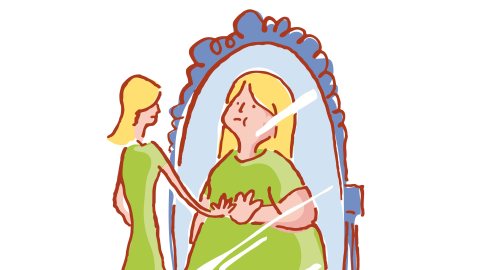
Body dysmorphic disorder is a type of obsessive-compulsive disorder that is marked by fixation on one’s imaginary or minor physical flaws. People who have body dysmorphia are overly worried about what are perceived as overt imperfections in their appearance. They continue to experience negative and anxious thoughts about their face, hair, and/or body. However, in reality, these perceived flaws are hardly noticeable by other people; there may not be any “defect” in their physical appearance at all. The amount of concern experienced by the individual is considerably disproportionate to the flaw they are obsessing over.

Symptoms of body dysmorphic disorder include preoccupation to the point of significant distress, impairment in functioning, or isolating oneself due to self-consciousness and insecurity. Moreover, people with body dysmorphia exhibit performance of repetitive behaviors such as mirror checking, excessive grooming, and skin picking. They may also seek reassurance from other people and compare their appearance with that of others throughout the day. Because they believe their physical flaw is so gross and noticeable, they may constantly try to “fix” these flaws by consulting with plastic surgeons or cosmetic professionals.

Primary treatments for body dysmorphic disorder include cognitive behavioral therapy and antidepressant medication. The goal of treatment is to recognize the triggers of the behaviors/thoughts, to improve management of the stress experienced, and to help patients learn to view themselves in a non-judgmental way.

In a society that glorifies only certain face and body types, many individuals can feel overwrought about their appearance and consequently experience symptoms of body dysmorphic disorder. It is crucial that individuals learn to love themselves and perceive themselves in a self-encouraging manner.

If you or someone you know is struggling with body image or body dysmorphia, please contact our psychotherapy offices in New York or New Jersey to talk to one of our licensed professional psychologists, psychiatrists, psychiatric nurse practitioners, or psychotherapists at Arista Counseling & Psychotherapy. Contact our Paramus, NJ or Manhattan, NY offices respectively, at (201) 368-3700 or (212) 722-1920 to set up an appointment. For more information, please visit http://www.counselingpsychotherapynjny.com/.

Sources:
https://www.psychologytoday.com/us/conditions/body-dysmorphic-disorder
https://my.clevelandclinic.org/health/diseases/9888-body-dysmorphic-disorder

Image Source:
https://www.additudemag.com/adhd-related-body-dysmorphic-disorder/

Anxiety: Social Anxiety during COVID-19

Anxiety: Social Anxiety during COVID-19

By: Rebecca Collette

As a society, we are accustomed to our regular routines, including spending time in close quarters with others and visiting public places. As we are occupying more time indoors due to COVID-19, there has been an increase in stress and anxiety when we see ourselves having to interact with others in public. This type of anxiety is also referred to as social anxiety; where an individual fears the chance of being judged or rejected by others in social or public settings. Since COVID-19 has introduced some questionable boundaries for social relationships, more individuals are experiencing instances of social anxiety than average. Here are some tips to help manage your anxiety if you’re planning on venturing out!

Set Realistic Expectations – You can’t please everyone! When going out in public, prepare yourself to come into contact with a few uncomfortable situations. If you understand that if you upset someone and can forgive yourself for it, it will only help to decrease your anxiety.

Avoid the Need for Reassurance – Reassurance means you are checking that you are doing everything “right.” With the unpredictability and questionability of the situation that COVID-19 has brought upon us, we cannot expect to be doing everything “right.” You must allow yourself to make mistakes and realize that you cannot please everyone.

Seek Help When Needed – Uncomfortable situations are going to come up. It’s normal to feel uncomfortable when faced with a new problem or situation and it’s not a sign you did something wrong. However, if the anxiety doesn’t go away, you may suffer from social anxiety and should seek professional help.

If you or someone you know needs support with anxiety, please contact our psychotherapy offices in New York or New Jersey to talk to one of our licensed professional psychologists, psychiatrists, psychiatric nurse practitioners, or psychotherapists at Arista Counseling & Psychotherapy. Contact our Paramus, NJ or Manhattan, NY offices respectively, at (201) 368-3700 or (212) 722-1920 to set up an appointment. For more information, please visit http://www.counselingpsychotherapynjny.com/

Source: https://adaa.org/learn-from-us/from-the-experts/blog-posts/consumer/social-anxiety-during-covid-19

Image Source: https//:mentalhealthtoday.co.in/wp-content/uploads/2020/03/20APS-Web-COVID-19-Public-1000×500-1.png

ADHD and the 3 Types

Mizuki Wada

Known to be commonly diagnosed in children and adults, ADHD is a neurobehavioral disorder that is characterized by the patient’s inattentiveness and impulsivity. However symptoms can differ from patient to patient and can be categorized into three general types.

The first type, primarily hyperactive also known as impulsive ADHD is generally linked with those who are restless. Some of the symptoms could include:

  • Restlessness
  • Impulsive speech and actions
  • Excessive talking
  • Overactive
  • Interruptive
  • Loud interactions

Type two is primarily inattentive ADHD formerly called ADD. This type includes symptoms of inattentiveness and does not include hyperactive symptoms. Some common symptoms could be:

  • Trouble paying attention
  • Difficulty in following through tasks
  • Easily distracted
  • Shy
  • Disorganized
  • Careless
  • Slow in processing information

The final type is a combination of these two types. This type is a mix of both hyperactive and impulsive behaviors.

Although these symptoms are categorized into different types, they all fit under the general disorder, showing the depth of this disorder and how symptoms could differ depending on the individual.

If you or someone you know is struggling with ADD/ADHD, please contact our psychotherapy offices in New York or New Jersey to talk to one of our licensed professional psychologists, psychiatrists, psychiatric nurse practitioners, or psychotherapists at Arista Counseling & Psychotherapy. Contact our Paramus, NJ or Manhattan, NY offices respectively, at (201) 368-3700 or (212) 722-1920 to set up an appointment. For more information, please visit http://www.counselingpsychotherapynjny.com/


References

https://www.psychologytoday.com/us/conditions/attention-deficithyperactivity-disorder-adult

https://www.additudemag.com/3-types-of-adhd/#:~:text=What%20Are%20the%203%20Types%20of%20ADHD%3F%201,ADHD%20%28formerly%20called%20ADD%29%203%20Combined%20Type%2 0ADHD

COVID-19 and Teletherapy

COVID-19 and Teletherapy
By Kaitlyn Choi

COVID-19 most certainly has impacted not only the mundane aspects of our everyday lives but also the essential delivery of health care services. This is a significant transition for all health care providers and patients. For those who had been receiving therapy or counseling, the pandemic caused a major increase in the shift from in-person to phone therapy.

Although teletherapy may seem out of the ordinary, there are many advantages to being able to access health care services through the internet or phone. First of all, by staying at home, patients can avoid health risks. It is crucial that we take caution of the virus; this is a perfect way to stay safe while receiving quality care. Furthermore, it is simply convenient. There is no need to physically come to the office or schedule an appointment according to travel availability. Thus there is increased flexibility with appointments, according to the patient’s needs and comfort. Patients can even have sessions while they are away from home or on vacation. This is great for individuals who are busy or unavailable for long periods of time.

Many might be wondering if the quality of therapy or health care services changes with the shift from in-person counseling to telehealth. In fact, it was proven that cognitive behavioral therapy and other forms of treatment are equally effective when administered via telephone as it is when administered face-to-face. In other words, telehealth is both valuable and convenient.

This might be a great time to seek therapy if you have been hesitating. With teletherapy available for all individuals, you can receive quality mental health care in the comfort of your own home.

If you or someone you know needs help with anxiety, panic attacks, fatigue, or lack of motivation, please contact our psychotherapy offices in New York or New Jersey to talk to one of our licensed professional psychologists, psychiatrists, psychiatric nurse practitioners, or psychotherapists at Arista Counseling & Psychotherapy. Contact our Paramus, NJ or Manhattan, NY offices respectively, at (201) 368-3700 or (212) 722-1920 to set up an appointment. For more information, please visit http://www.counselingpsychotherapynjny.com/.

Sources:
https://www.psychologytoday.com/us/blog/social-instincts/202003/will-covid-19-make-teletherapy-the-rule-not-the-exception
https://www.psychologytoday.com/us/blog/think-well/202008/10-advantages-teletherapy

Image Source:
https://www.consumerreports.org/mental-health/how-to-find-affordable-mental-teletherapy/

Hypnotherapy

Hypnotherapy
By: Emma Yasukawa

Hypnosis, also known as hypnotherapy, has become a popular practice in today’s modern medicine and is used to treat many different medical and psychological conditions. Hypnosis uses guided relaxation, deep concentration and the individual’s full undivided attention to allow them to reach a heightened state of awareness that is also known as a trance. The purpose of this deep trance is to enable the individual to dive into the subconscious part of the brain and explore painful thoughts, feelings and memories that they may have pushed down and ‘forgotten’ about. When a person is under hypnosis, they are usually more open to suggestions due to feeling extremely calm and relaxed. Hypnotherapy can be used to treat anxiety, phobias, substance abuse, sexual dysfunctions; bad habits including smoking, nail biting, overeating etc., and in some cases, allow individuals to perceive feelings differently, such as blocking out awareness of pain.

There are many different ways that hypnotherapy can be administered but typically, clinical hypnotherapy is generally performed in a relaxed, calm therapeutic environment. A trained therapist will guide the individual into a relaxed, focused state and ask the patient to think about situations and experiences in a positive way that can help them change their perspective and the way that they may think or behave.

If you or someone you know is struggling and may be open to hypnotherapy, please contact our psychotherapy offices in New York or New Jersey to talk to one of our licensed professional psychologists, psychiatrists, psychiatric nurse practitioners, or psychotherapists at Arista Counseling & Psychotherapy. Contact our Paramus, NJ or Manhattan, NY offices respectively, at (201) 368-3700 or (212) 722-1920 to set up an appointment. For more information, please visit http://www.counselingpsychotherapynjny.com


References:
https://www.webmd.com/mental-health/mental-health-hypnotherapy#1 https://www.psychologytoday.com/us/therapy-types/hypnotherapy
Image Source: https://woolpit-complementary.co.uk/wp-content/uploads/2018/01/Hypnotherapy.jpg