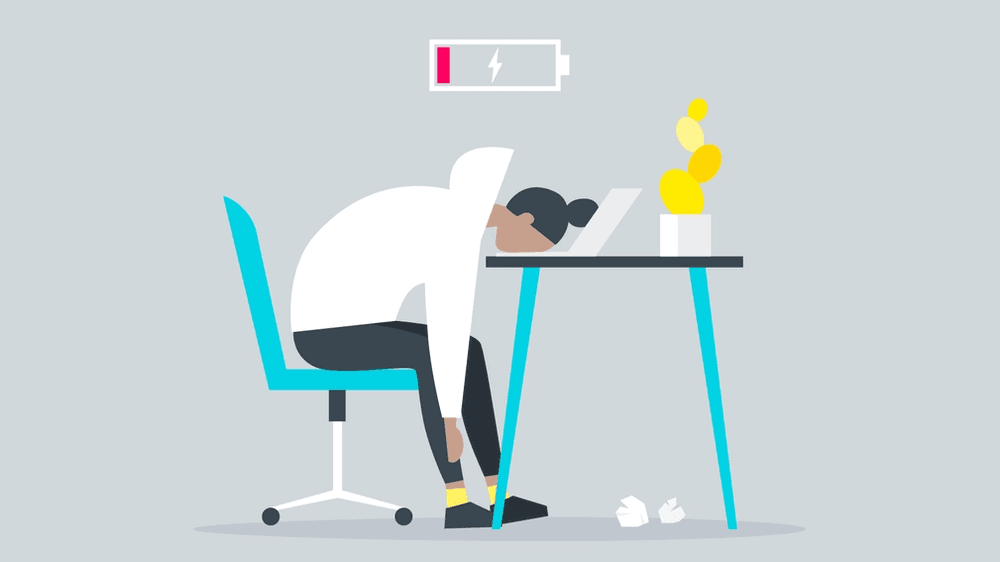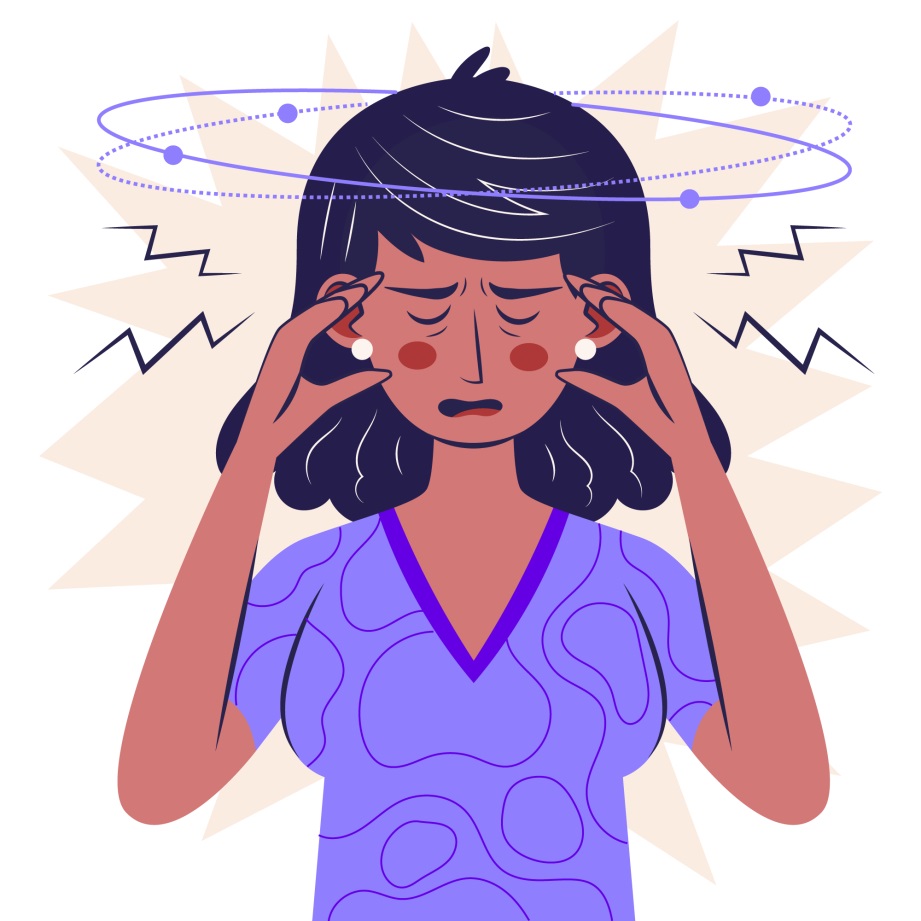
Anxiety: Generalized Anxiety Disorder – Chronic Worry

Anxiety: Generalized Anxiety Disorder – Chronic Worry

By: Michelle Cocone

Do you ever find yourself worrying about everything all the time? You find that you can’t seem to find a way to let go, the worries always get in the way. If you are experiencing the following symptoms then you may have generalized anxiety disorder.

Generalized anxiety disorder is when you have immense worry and anxiety which affects your everyday life. Not to be confused with worrying because everyone worries about things or events occurring in their life. The difference is that one knows how to let it go or even worry about it for a bit and move on. For those experiencing generalized anxiety disorders, they don’t have a way of letting it go; it’s all they are constantly thinking about.

It may sound like:

What if I can’t get my laundry done? What if I can’t find a job? Will I be able to pay the bills on time? What if I fail in school? What if I get rejected? What if people don’t like me?

Notice how many of these worrisome are “what if” questions. It could be that you are worrying about situations/problems that haven’t yet occurred. This is one of the symptoms of this anxiety disorder- you fear the unknown which makes you worry constantly. You’ll find that you won’t be able to relax. For example, many students worry about picking and starting college. People with this disorder can also find themselves to be indecisive because they are scared to make the wrong choice.

What if I pick the wrong university? What if I fail out of my classes? What if I don’t like the people there? What if it’s too hard for me to manage?

At the end of the day we are human, we all make mistakes. We can’t be perfect all the time. In order to continue growing and be healthy, we have to sometimes make the wrong choices and learn from them. Our mistakes are what help us progress. If we are constantly worrying, then we can’t go anywhere, we’re stuck. Other symptoms you might be experiencing are: constant fatigue, muscle aches, overthinking, unable to relax, and irritability.

Generalized anxiety disorders in children are expressed differently than in adults. Children worry about being accepted, having good grades, being good at sports, making friends, being included in social outings, trying to make everything perfect, and seeking approval from their parents. This affects their mental health and everyday life routine.

Generalized anxiety disorder in adults, is more severe. Adults tend to worry about being financially stable, buying a house, not having credit card debt, having good credit, finding a good job, finding a romantic partner, and starting a family. Anxiety can be overwhelming, however. We have to remember that it’s not normal to chronically worry all the time. It’s really unhealthy and leads to poor mental health. Worrying about everything won’t make the situation better. It might actually worsen your health.

If you or someone you know is struggling with generalized anxiety disorder, please contact our psychotherapy offices in New York or New Jersey to talk to one of our licensed professional psychologists, psychiatrists, psychiatric nurse practitioners, or psychotherapists at Arista Counseling and Psychotherapy. Contact our Paramus, NJ, or Manhattan, NY offices respectively, at (201) – 368-3700 or (212)-722-1920 to set up an appointment. For more information, please visit https://www.counselingpsychotherapynjny.com/

References

Generalized anxiety disorder (GAD). Johns Hopkins Medicine. (2024a, April 16). https://www.hopkinsmedicine.org/health/conditions-and-diseases/generalized-anxiety-disorder

U.S. Department of Health and Human Services. (n.d.-a). Generalized anxiety disorder: When worry gets out of Control. National Institute of Mental Health. https://www.nimh.nih.gov/health/publications/generalized-anxiety-disorder-gad


Anxiety about starting College: Getting over Anxiety as a Freshman in College

Anxiety about starting College: Getting over Anxiety as a Freshman in College

By: Michelle Cocone

Every young adult pursuing a higher education will go through college. Starting college can be scary; you become a freshman all over again. Young adults tend to get anxious when thinking of the process. It’s very normal to experience this feeling. This anxiety stems from the uncertainty of college, not knowing what or who to expect. They will question whether they will be accepted, make friends, balance their workload, and hopefully not get lost. These are useful tips to help ease the adaptation of college.

Every College Student Was Once a freshman                                                                        

  • You aren’t alone in this experience as every freshman feels anxiety
  • Use the anxiety and fear to your advantage, this can be a topic of conversation to make friends
  • Embrace “I am a freshman who can start from zero”, a clean slate
  • It’s okay if you don’t have a best friend right away
  • Take the time to build connections, these can be important for networking after college

Have a Support System

  • Talk to friends or family about your college experience
  • They can share advice if they have gone to college

Use a Planner

  • Balancing schoolwork can be easier if you have a planner
  • When you get your course assignment schedule, jot it down in your planner to stay ahead of assignment due dates
  • Highlight exam and midterm dates to accommodate studying time

Utilize Your Resources

  • Colleges have many resources to help the transition from high school to college
  • Colleges have academic support, such as tutors and study centers
  • Colleges have well-being support and someone to talk to about your anxiety or anything else you want to share
  • Look up your campus map to find directions to your classes
  • Talk to your professors. They are there to help you succeed.

Remember college isn’t only about getting a higher education; it’s a place where you can prepare yourself for your career. Allow yourself to be independent and make your own choices. Everything you do will help you grow as a person, not just academically. It can absolutely be terrifying starting college if you feel anxious or scared; seeking counseling can be a good first step to feeling secure.

If you or someone you know is struggling with anxiety about starting college, please contact our psychotherapy offices in New York or New Jersey to talk to one of our licensed professional psychologists, psychiatrists, psychiatric nurse practitioners, or psychotherapists at Arista Counseling and Psychotherapy. Contact our Paramus, NJ, or Manhattan, NY offices respectively, at (201) – 368-3700 or (212)-722-1920 to set up an appointment. For more information, please visit https://www.counselingpsychotherapynjny.com/

References

University of Fear and anxiety: How to pass your freshman year of college. Anxiety and Depression Association of America, ADAA. (2018, July 6). https://adaa.org/learn-from-us/from-the-experts/blog-posts/consumer/university-fear-and-anxiety

Relationships and Money: Money problems could be affecting your relationship

Relationships and Money: Money problems could be affecting your relationship

By: Michelle Cocone

Money doesn’t usually get discussed in relationships until it becomes a hardship. When it does occur, you and your partner might find yourselves in a repetitive argument, leading to stress. According to Psychology Today, about 70% of the population in the U.S. is married; they might face money problems throughout their marriage. It’s not uncommon to have differences in handling money as people are raised differently. It’s never too late to discuss finances with your partner to improve your relationship moving forward. As well as it’s never too early to establish financial goals to promote a healthy relationship. There are three key questions to discuss with your partner about money problems.

  • What did your parents teach you about money?
  • What are your financial goals?
  • What are your fears about money?

Typically the information we have about managing money we learn from our parents. If your parents taught you how to keep track of bills, save money, and credit card management, then you have a good understanding of how to deal with money. Whereas some people had parents who were always late on bills, lost track, didn’t save money, and probably didn’t manage money well. Talk to your partner about financial goals and how you can combine them to fit both your needs. Remember you are a team with your partner and you are working together to improve your financial situation. Discuss the fears you have about money, which is where the money problems could be coming from. Set up a time to sit down and discuss creating a spending plan that works for both of you. Discuss how to divide the finances to help establish a baseline. Additionally, use any money left over to spend quality time as this will help relieve stress about money. Good communication about money problems will improve relationships and help avoid any anxiety/stress. When a couple suffers from anxiety or stress about financial hardship in their relationship, they may benefit from therapy to address the underlying psychological issues.

If you or someone you know is struggling with anxiety or stress about financial hardship, please contact our psychotherapy offices in New York or New Jersey to talk to one of our licensed professional psychologists, psychiatrists, psychiatric nurse practitioners, or psychotherapists at Arista Counseling and Psychotherapy. Contact our Paramus, NJ, or Manhattan, NY offices respectively, at (201) – 368-3700 or (212)-722-1920 to set up an appointment. For more information, please visit https://www.counselingpsychotherapynjny.com/

References

Klontz, B., & Gresham, M. (2015). Happy couples: How to avoid money arguments. American Psychological Association. https://www.apa.org/topics/money/conflict

Langabeer, J. (2022, December 7). The psychological impact of money on relationships. Psychology Today. https://www.psychologytoday.com/us/blog/how-make-better-choices/202212/the-psychological-impact-money-relationships

Stress: Does Job Stress Contribute to Mental Illness

Stress: Does Job Stress Contribute to Mental Illness

By Josette DeFranco

Work stress is not often addressed. We tend to take on many tasks, leading to feeling overwhelmed physically and mentally. For some, work is a routine and many find working under stress helps them concentrate. On the other hand, some people don’t work as much and try to maintain a slower pace. In either circumstance, work can cause severe stress. Stress in the workplace can lead to decreased productivity and burnout. It is important to note how our body feels so we can find signs earlier that our mental and physical health needs a break.

Some negative effects of stress in the workplace manifest in various ways such as a lack of motivation, reduced job satisfaction, physical and mental health problems, and interpersonal conflicts. If you notice you are feeling more fatigue, irritability, or apathy it may be best to give yourself a break. Job stress can lead to some mental illnesses like depression and anxiety. Stress prepares your body for a defensive action, like an alarm for the brain. It impacts your nervous system releasing hormones that help sharpen your senses and tense your muscles. You may have heard of something called the “flight or fight response.” This is important because it helps you defend against situations your body finds threatening. If stressful situations go without being addressed it will keep your body in a state of activation. Some ways to help alleviate job stress are to ensure that the workload is in line with workers’ capabilities and resources, allow yourself to take a break, create boundaries, provide opportunities for social interactions among workers, and establish work schedules that accommodate your responsibilities outside the job.

If you or someone you know is struggling with their mental health, please contact our psychotherapy offices in New York or New Jersey to talk to one of our licensed professional psychologists, psychiatrists, psychiatric nurse practitioners, or psychotherapists at Arista Counseling & Psychotherapy. Contact our Paramus, NJ or Manhattan, NY offices respectively, at (201) 368-3700 or (212) 722-1920 to set up an appointment. For more information, please visit https://aristapsychiatrypsychotherapy.com/

Resources:

https://business.talkspace.com/articles/the-negative-effects-of-stress-in-the-workplace#:~:text=The%20effects%20of%20work%20stress,%2C%20interpersonal%20conflicts%2C%20and%20more.

https://www.cdc.gov/niosh/docs/99-101/default.html#Job%20Stress%20and%20Health

Work-Life Balance

Work-Life Balance

By: Josette DeFranco

Are you feeling overwhelmed due to the lack of balance in your work and personal life?

Work-life balance is important because it affects you, your family, and others. You need the time and energy to participate in your own personal interests, family, and community activities. A workplace that supports employees’ well-being and allows their employees to focus on their mental health is an excellent way for them to avoid burnout.

Here are some healthy work-life balance tips:

  • Take breaks
  • Set boundaries
  • Learn to say no
  • Prioritize your mental health
  • Set goals
  • Practice Mindfulness
  • Create a flexible work schedule
  • Seek support

It is important to acknowledge how this balance can benefit you. It’s easy to get caught up in your job and neglect your wants and needs. These are just a couple ways having a work-life balance can help you; create healthier workplace relationships, improve your mental health, enhance your physical health, and have better productivity at work.

If you, your child, or someone you know is experiencing back-to-school anxiety, social anxiety, or other anxiety disorders or mental health issues, please contact our psychotherapy offices in New York or New Jersey to talk to one of our licensed professional psychologists, psychiatrist, psychiatric nurse practitioners, or psychotherapists at Arista Counseling & Psychotherapy. Contact our Paramus, NJ or Manhattan offices respectively, at 201-368-3700 or 212-722-1920 to set up an appointment. Please visit http://www.counselingpsychotherapynjny.com/ for more information.

Sources:

https://www.psychologytoday.com/us/blog/presence-of-mind/201509/hows-your-work-life-balance

https://www.timedoctor.com/blog/work-life-balance-tips

Stress: How your financial situation could be affecting your life

Stress: How your financial situation could be affecting your life

By: Diane Ulloa
In the past two decades alone, student debt and loans have reached approximately $1.6 trillion which slightly surpassed credit card debt in America which stands at $1.03 trillion in the second quarter of 2023 according to the Federal Reserve Bank of New York. “In addition to poverty, financial debt and loans are significantly associated with increased psychological distress and poor mental health status.” (From: Ryu S, fan L. The Relationship Between Financial Worries and Psychological Distress Among U.S. Adults) As financial debt accumulates, a person may find themselves withdrawing from hanging out with friends or family and becoming avoidant of places, people, and even their financial struggles. If someone continuously avoids their bills they continue to accumulate and seeing the amount of the accumulated bills can take a serious toll on a person’s mental health.

Other problems may also emerge when someone is experiencing anxiety due to financial stress, these could include poor sleeping habits, overspending, avoidance, and poor eating habits. Someone that has a spending problem or someone who is in financial worry would benefit from speaking to a therapist who would help them cope with their unhealthy habits in better ways. A therapist can help in creating a patient budget and manage their money in better ways including a personalized budgeting plan or setting up financial goals. A therapist can also help individuals identify the underlying causes of their financial stress and develop strategies for managing it. Along with anxiety and stress, financial worry can cause feelings of shame and guilt and a therapist is able to provide a safe, non-judgmental space to explore these feelings and how to develop strategies to overcome them. A person may also experience difficulty in communicating their financial struggles and/or negative beliefs and behaviors related to money with their loved ones. A therapist can aid in more effective communication with loved ones about financial struggles and challenge negative beliefs related to money by developing more positive patterns of thought and behavior related to finances. Additionally, an individual who suffered financial trauma such as bankruptcy, foreclosure, or identity theft may benefit from therapy in order to address the emotional and psychological impact of these experiences.

If you or someone you know is struggling with their mental health, or has anxiety/stress please contact our psychotherapy offices in New York or New Jersey to talk to one of our licensed professional psychologists, psychiatrists, psychiatric nurse practitioners, or psychotherapists at Arista Counseling & Psychotherapy. Contact our Paramus, NJ or Manhattan, NY offices respectively, at (201) 368-3700 or (212) 722-1920 to set up an appointment. For more information, please visit http://www.counselingpsychotherapynjny.com/

Sources

https://www.lendingtree.com/credit-cards/credit-card-debt-statistics/

Ryu S, Fan L. The Relationship Between Financial Worries and Psychological Distress Among U.S. Adults. J Fam Econ Issues. 2023;44(1):16-33. doi: 10.1007/s10834-022-09820-9. Epub 2022 Feb 1. PMID: 35125855; PMCID: PMC8806009.

Types Of Therapy For Financial Stress And Money Issues

mantracare.org

Stress: Managing Work Related Stress

Stress: Managing Work Related Stress

By: Julissa Acebo

The Health and Safety Executive (HSE) defines work related stress as: “The adverse reaction people have to excessive pressure of work or other types of demands placed on them.” While stress at work is common, you’re not powerless to the effects. Effectively coping with job stress can benefit your professional and personal life.


Psychological symptoms include, but are not limited to: Irritability or outbursts of anger, low productivity accompanied by feelings of low achievement, and low mood.


Physical symptoms include, but are not limited to: Headaches and/or backaches, insomnia or loss of sleep leading to tiredness, consuming too much caffeine or alcohol, and regular or lingering colds.


Managing Work Stress Tips:

  1. Identify stress triggers
    • For at least a week record the situations, events and people who cause you to have a negative physical, mental or emotional response
    • For example, you might notice persistent causes of stress such as a long commute or an uncomfortable workspace
  2. Improve time management skills
    • Create a daily schedule and stick with it
    • Avoid the urge to multitask
  3. Know when to step back and take a break (don’t overwork yourself)
    • To avoid the negative effects of chronic stress and burnout, we need time to replenish and return to our pre-stress level of functioning
  4. Set boundaries
    • Set boundaries between work and your personal life (i.e., not checking email in the evenings or weekends)

If you or someone you know is experiencing Work Related Stress please contact our psychotherapy offices in New York or New Jersey to talk to one of our licensed professional psychologists, psychiatrists, psychiatric nurse practitioners, or psychotherapists at Arista Counseling & Psychotherapy. Contact our Paramus, NJ or Manhattan, NY offices respectively at (201) 368-3700 or (212) 722-1920 to set up an appointment. For more information, please visit https://www.counselingpsychotherapynjny.com

Sources:
https://www.mayoclinic.org/healthy-lifestyle/stress-management/in-depth/coping-with-stress/art-20048369
https://www.apa.org/topics/healthy-workplaces/work-stress

Burnout Syndrome: Causes, Symptoms & Strategies

Burnout Syndrome: Causes, Symptoms & Strategies

By: Stacey Rodriguez

The term “burnout” has been a popular buzzword for the past several decades. In 2019, Burnout became officially been recognized as a syndrome by the World Health Organization (WHO). It is defined as a reaction to chronic occupational stress, however, lifestyle and personality traits often play a role in exacerbating this stress.

 Causes often include:

-Working in a high pressure environment

-Work is mundane or unchallenging

-Lack of recognition/reward

-Not spending enough downtime socializing or relaxing

-Perfectionist tendencies 

The syndrome is characterized by three dimensions: exhaustion, reduced professional efficiency, and cynicism (pessimistic views). These symptoms can manifest physically, emotionally, and behaviorally.

Common symptoms entail:

-Feeling exhausted most of the time

-Decreased satisfaction and sense of achievement

-Frequent headaches or muscle pain

-Changes in appetite or sleep habits

-Isolating yourself from family and friends

-Procrastinating essential tasks

On the surface, burnout may seem like regular stress, though there are several key differences which make the two fundamentally different. For example, stress involves over-engagement, urgency and hyperactivity. If chronic, stress often leads to anxiety disorders and a weakened immune system. On the other hand, burnout is characterized by the disengagement which follows a period of continuous stress, during which emotions are blunted; this produces feelings of helplessness and hopelessness which may lead to detachment and depression.

Now, during the Covid-19 Pandemic, the syndrome has become increasingly more common as the online workforce has melted the boundary between work and home. It’s more important now than ever to have strategies readily available to combat Burnout Syndrome.

Here are some strategies you can try from home:

-Reframe your outlook on work: focus on aspects of work that you enjoy, how your role helps others 

-Set boundaries! Learn how to say “no” so that you don’t overextend yourself

-Eat a healthy diet: minimize sugar, refined carbs, and overly processed food

-Exercise regularly! Try to aim for at least 30 minutes per day

If you or someone you know is seeking therapy for Burnout Syndrome, please contact our psychotherapy offices in New York or New Jersey to talk to one of our licensed professional psychologists, psychiatrists, psychiatric nurse practitioners, or psychotherapists at Arista Counseling & Psychotherapy. Contact our Paramus, NJ or Manhattan, NY offices respectively, at (201) 368-3700 or (212) 722-1920 to set up an appointment. For more information, please visit http://www.counselingpsychotherapynjny.com/

Source: https://www.verywellmind.com/stress-and-burnout-symptoms-and-causes-3144516

Image Source: https://www.google.com/url?sa=i&url=https%3A%2F%2Fwww.range.co%2Fblog%2Fhow-to-prevent-workplace-burnout-on-your-team&psig=AOvVaw2MHvFFbkjHJ9HYa6aqG51h&ust=1631384314382000&source=images&cd=vfe&ved=0CAsQjRxqFwoTCND30I2B9fICFQAAAAAdAAAAABAV

Stop Nagging and Build Better Communication Skills

By Katie Weinstein

Nagging is a type of interpersonal communication defined as persistent, repetitive behavior to try to get an individual to complete or stop a task. Naggers are associated with a passive aggressive, obsessional and negative personality types. There is a common misconception that naggers enjoy nagging, but often times; the nagger’s mood is dysregulated and they feel anxious and frustrated. They obsess over a particular thing and cannot tolerate these feelings, so they off load their problems onto the nearest person available, which is why nagging is commonly associated with a partner. Additionally, naggers may have a high need structure for their immediate environment and have a deep fear that their world could spiral if things are not kept entirely in order.

Often times the nagger thinks that continuously asking for something will get the other person to complete the task that they need. In reality, the other person most likely responds in non-compliance, meaning they say yes to the nagger’s request, but do not follow through, ignore the nagger, or say no. This is because the person being nagged tunes out the nagger. The nagger then might become increasingly aggressive, which decreases the likelihood of compliance.

In order to get people to comply with a task it is important to practice better communication. One thing that might help is to give a person a to-do list either via text or on paper with an agreed upon, realistic deadline so that the person won’t forget the task and can complete it on their time. Another thing you can do is be straight forward. Instead of complaining that your partner never does the dishes, ask them to do the dishes. It is also important to know when you need help to stop nagging and begin working on better communication skills.

If you, you and your partner, or you and your family are looking for therapy please contact our psychotherapy offices in New York or New Jersey to talk to one of our licensed professional psychologists, psychiatrists, psychiatric nurse practitioners, or psychotherapists at Arista Counseling & Psychotherapy. Contact our Paramus, NJ or Manhattan, NY offices respectively, at (201) 368-3700 or (212) 722-1920 to set up an appointment. For more information, please visit http://www.counselingpsychotherapynjny.com/

https://www.psychologytoday.com/us/blog/insight-is-2020/202106/two-motivations-the-nagging-personality-type

http://self.gutenberg.org/articles/eng/Nagging

https://www.webmd.com/women/features/stop-nagging

Physician Burnout during a Global Pandemic

By Eleanor Kim

Physicians and nurses around the world have been at the front lines fighting the coronavirus and saving the lives of those infected. Now more than ever, citizens are coming to realize the importance of those within the medical field and the bravery that comes with entering medicine. That being said, there has been an immense amount of pressure placed upon healthcare workers, often causing stress, anxiety, and depression. At the end of the day, doctors, nurses, and other healthcare workers are humans and can feel the effects of burnout during such a heightened and high stakes moment in medical history.

Burnout is when someone becomes overwhelmed by the demands of their daily life, becoming emotionally and physically exhausted and creating a sense of depersonalization and weakened personal accomplishments. Burnout is a common occurrence among physicians and nurses given the great amount of pressure that comes with saving lives. That being said, these feelings of burnout have skyrocketed given the additionally taxing nature of current frontline medical work such as the stress of isolating from friends and family, the extended hours of work, the tragic lack of medical supplies, and the fear of contracting or spreading the virus, to name a few. Physicians are also left to deal with the other struggles and anxieties that the past year has brought upon the general population regarding economic, political, racial, and other personal effects of the pandemic.

During these elongated periods where healthcare workers are left sleep deprived, improperly fed, and overall anxious about the current status of the pandemic, they are exposed to both mentally and physically long lasting effects. In 2020, there have been a record number of physicians who have reported feelings of burnout and other mental health concerns since the start of the pandemic. Should these issues go untreated, there is an increased risk for depression, self-medication, substance abuse, and suicidal thoughts or attempts. Burnout is more than just stress; it is a mental health crisis and should be treated as such.

If you or someone you know is feeling the effects of physician and healthcare worker burnout, please contact our psychotherapy offices in New York or New Jersey to talk to one of our licensed professional psychologists, psychiatrists, psychiatric nurse practitioners, or psychotherapists at Arista Counseling & Psychotherapy. Contact our Paramus, NJ or Manhattan, NY offices respectively, at (201) 368-3700 or (212) 722-1920 to set up an appointment. For more information, please visit http://www.counselingpsychotherapynjny.com/.

Resources:

https://www.forbes.com/sites/lipiroy/2020/05/17/doctor-heal-thyself-physician-burnout-in-the-wake-of-covid-19/

Image Source:

More than a third of medical staff suffered insomnia during the COVID-19 epidemic in China